


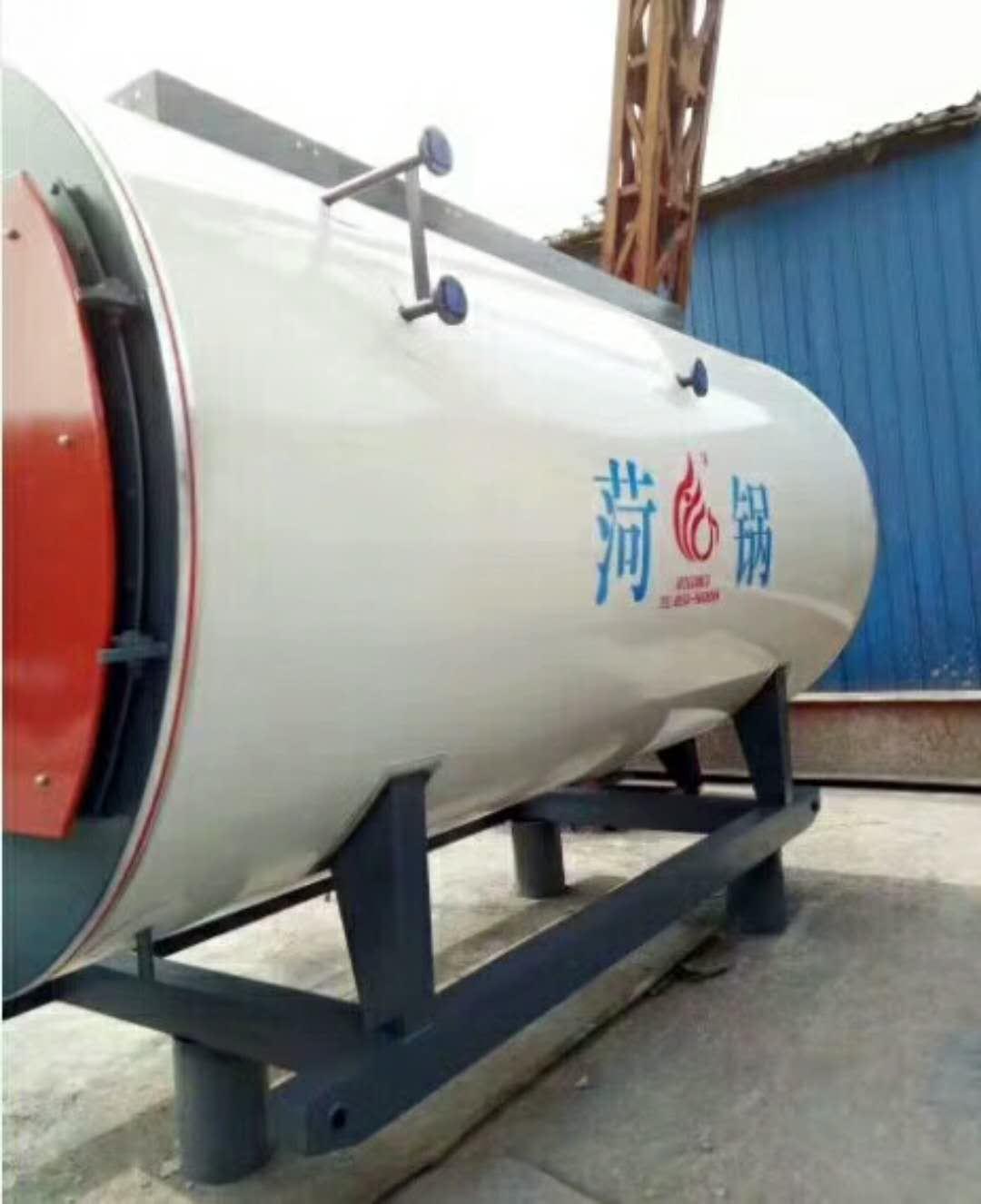

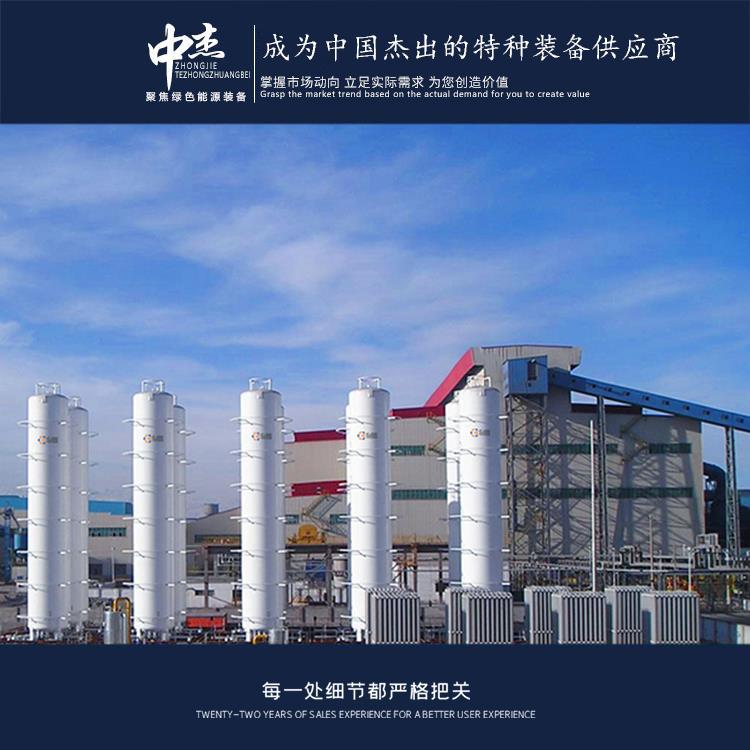
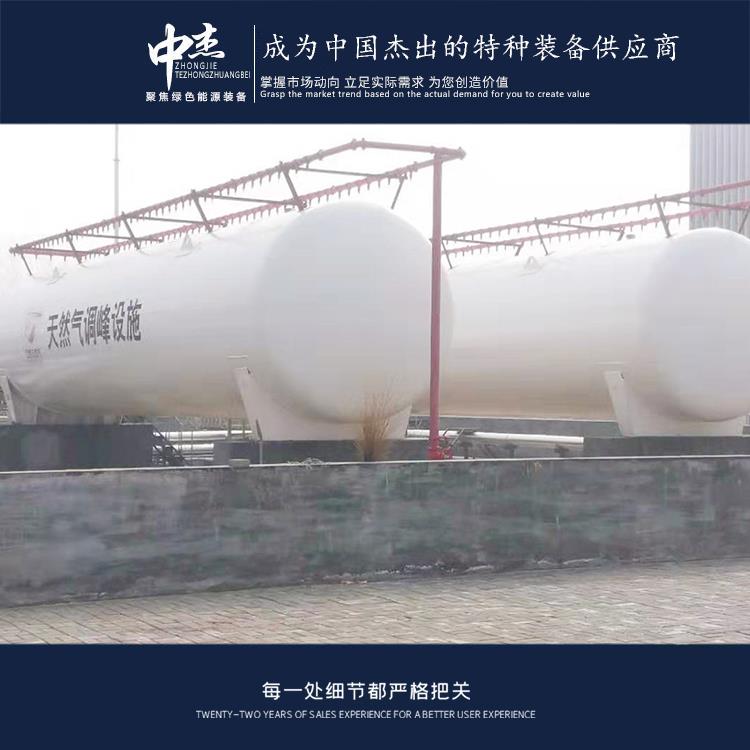


















Shandong Zhongjie Special Equipment (formerly Heze Boiler Factory Co., Ltd.) was established in 2001, located at No. 2218 Jinnan Road, Development Zone, Heze City. With a registered capital of 50 million yuan and total assets of 500 million yuan, the company has 7 business centers: boilers, deep-freezing containers, pressure vessels, central air conditioning, engineering installation, international trade, and Internet of Things. It operates three factory sites at Jinnan Road, East Changjiang Road, and Bohai Road, covering a total area of 200,000 square meters, with the main workshop spanning 83,000 square meters. The company currently employs 710 people, including 247 engineers and technicians and 82 intermediate-level technical personnel. In December 2016, it was recognized as a "High-tech Enterprise" by the Science and Technology Department. In June 2021, it was identified as a "Specialized and New Enterprise in Shandong Province" by the Ministry of Industry and Information Technology. In June 2022, it was recognized as a "Gazelle Enterprise in Shandong Province" and in August 2022, as a "Specialized and New Small Giant Enterprise" by the Ministry of Industry and Information Technology.
Low-temperature industrial gas filling stations are equipment used to fill liquid low-temperature industrial gases (such as liquid oxygen, liquid nitrogen, liquid argon, etc.) into gas storage tanks. Below is basic information about low-temperature industrial gas filling stations:
Tank Type: Low-temperature industrial gas tanks commonly use double-walled vacuum insulated tanks, where the inner wall is used for storing liquid gas and the outer wall for thermal insulation to minimize heat transfer and evaporation losses of the liquid gas.
Filling Equipment: Low-temperature industrial gas storage tank filling stations include liquid-gas filling pumps, filling pipelines, flowmeters, pressure sensors, and other equipment. The liquid-gas filling pump is used to extract liquid gas from storage tanks or gas holders and fill it into the target storage tank.
Filling Process: The operational procedure at the filling station typically includes the following steps: Preparations (checking equipment, preparing filling medium), Equipment Connection (connecting filling pumps, pipes, etc.), Equipment Activation (starting the filling pump, adjusting flow and pressure), Filling Operation (filling liquid gas into the target storage tank), Monitoring and Control (monitoring parameters such as pressure and flow during the filling process to ensure safety and quality), and Completion (shutting down equipment, cleaning the work area).
Safety Measures: Strict adherence to relevant safety operating procedures and standards is required during the operation of low-temperature industrial gas storage tank filling stations. Operators must undergo training to understand the properties and safety precautions of liquefied gases. Additionally, filling stations should be equipped with safety equipment such as pressure sensors and safety valves to ensure safety during the filling process.
Quality Control: Quality control is essential during the filling process at the filling station, including monitoring parameters such as flow rate, pressure, and temperature of the filling medium to ensure accuracy and quality of the filling.
Note that the operation of low-temperature industrial gas storage tank refilling stations must be carried out by trained personnel and strictly adhere to relevant operating procedures and safety measures. Moreover, the design and manufacturing of the refilling station must comply with applicable standards and regulations to ensure the safety and reliability of the equipment.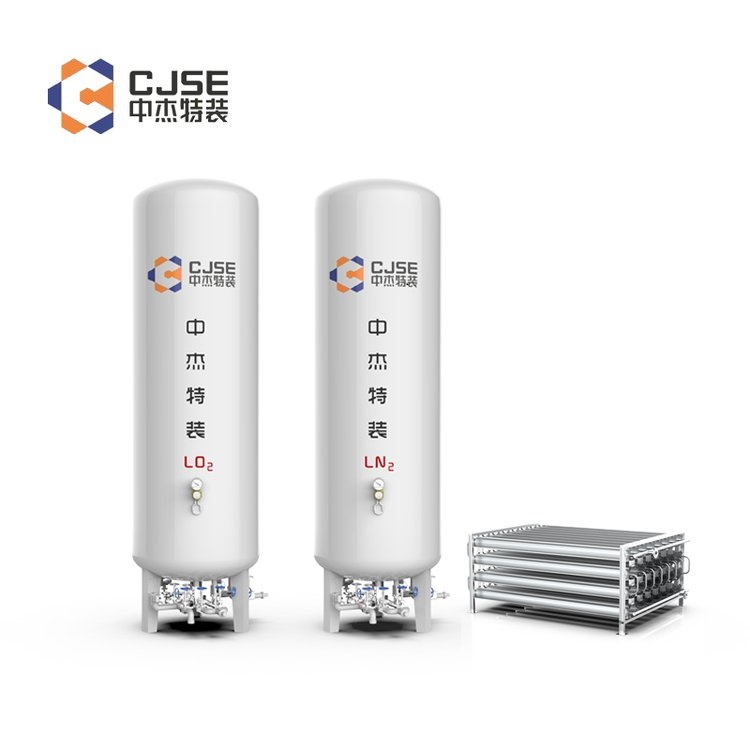
The use of low-temperature liquid storage tanks requires attention to the following matters:
Safe Operation: Operators must receive training to understand the tank operation procedures and safety precautions. Follow the correct operational steps to ensure safe operations.
Protective Gear: Operators should wear appropriate protective gear, such as thermal suits, gloves, etc., to safeguard themselves from the harm of low-temperature liquids.
Leak Protection: Regularly inspect the tank and associated piping for sealing integrity to prevent leakage of low-temperature liquids. Keep the area around the tank clean to avoid debris obstructing leak detection and handling.
Fire Protection: Low-temperature liquids are highly flammable and fire prevention measures must be taken. Maintain a fire-free environment around storage tanks, prohibiting smoking and open flames. Equip with appropriate fire-fighting equipment to address fire risks.
Pressure Control: Regularly inspect and maintain the storage tank's pressure control system to ensure the pressure within the tank remains within safe limits. Safety valves and pressure sensors, among other equipment, should operate normally and any abnormal pressure situations should be detected and addressed promptly.
Insulation Protection: Low-temperature liquid storage tanks should be equipped with effective insulation to minimize heat transfer and liquid evaporation. The selection and installation of the insulation should comply with relevant standards and requirements.
Regular inspections and maintenance: Conduct regular checks of the tank's exterior and interior conditions, including checking for leaks, corrosion, wear, or other damage. Pay special attention to inspecting the tank's interfaces, valves, and pipelines, ensuring they operate normally.
Emergency Preparedness: Develop an emergency response plan including measures for leaks, fires, and other unforeseen incidents. Operators should be familiar with the emergency response plan and be equipped with appropriate emergency equipment and firefighting tools.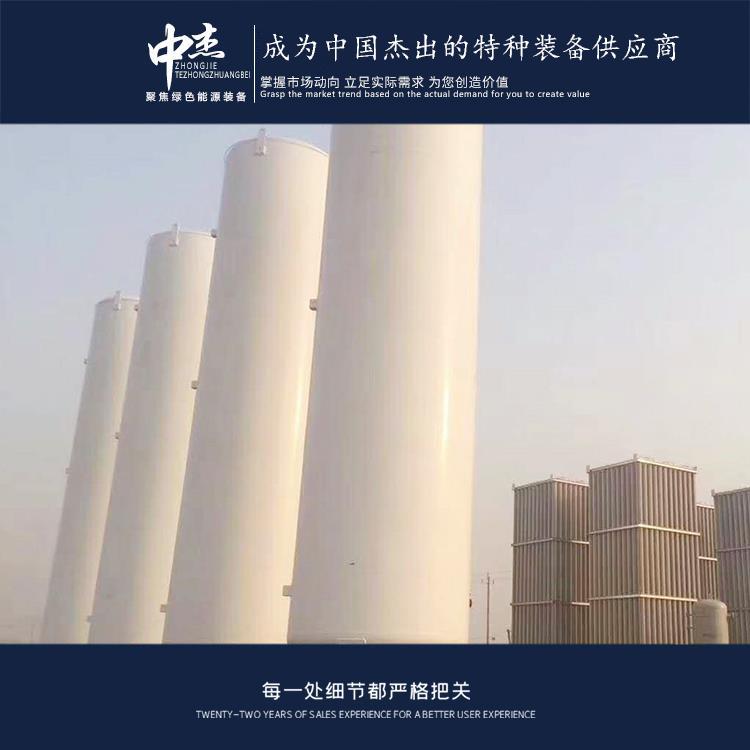
Standard parameters for liquid oxygen storage tanks usually include the following:
Capacity: The capacity of liquid oxygen tanks is typically expressed in liters or cubic meters, with common capacities ranging from a few liters to several thousand liters.
Working Pressure: The working pressure of liquid oxygen tanks is typically expressed in megapascals (MPa) or bars (bar), with a common working pressure range varying from 0.2 MPa to 2.5 MPa.
Design Temperature: The design temperature of liquid oxygen tanks is typically expressed in degrees Celsius, with a common range varying from -196℃ to -150℃.
Material: The main material for liquid oxygen storage tanks is typically stainless steel, which boasts excellent corrosion resistance and low-temperature properties.
Insulation Layer: Liquid oxygen storage tanks are typically equipped with an insulation layer to minimize evaporation loss of liquid oxygen. The material for the insulation layer is usually a multi-layer composite material or foam glass.
Safety Valve: Liquid oxygen storage tanks must be equipped with a safety valve to control the internal pressure of the tank and prevent the tank from bursting due to excessive pressure.
Leak detectors: Liquid oxygen storage tanks are typically equipped with leak detectors to promptly detect and alert of any liquid oxygen leaks.
Appearance Design: The appearance design of liquid oxygen storage tanks typically conforms to relevant standards and regulations, including exterior color, markings, and safety warning signs.
Note that the specific parameters of liquid oxygen tanks may vary depending on different manufacturers and application requirements; the above are general common standard parameters. In actual use, select the appropriate liquid oxygen tank based on the specific situation.
Proper maintenance and precautions are crucial for liquid nitrogen tanks. Here are some key points:
Maintenance:
Regular Inspections: Conduct regular inspections of the liquid nitrogen tank's exterior, valves, pipes, and other components to ensure they are intact and undamaged. Pay special attention to check for any leaks, corrosion, or other forms of damage.
Clean Storage Tanks: Regularly clean liquid nitrogen storage tanks to remove internal dirt and sediment. Use appropriate cleaning agents and tools, and follow cleaning procedures and safety operation guidelines.
Liquid Nitrogen Refill: Refill liquid nitrogen regularly as needed. Ensure that there is an adequate storage of liquid nitrogen in the tank to meet usage requirements.
Maintain Pressure: Regularly inspect the liquid nitrogen tank's pressure to ensure it stays within the safe range. Perform pressure tests and adjustments as necessary.
Corrosion Protection: Depending on the material of the storage tank and its operating environment, appropriate corrosion prevention measures are taken to extend the service life of the tank. For example, applying corrosion-resistant coatings, conducting regular corrosion protection treatments, etc.
Cautionary Notes:
Safe Operation: Strict adherence to safety protocols and standards is mandatory when using liquid nitrogen tanks. Operators must be trained, familiar with the properties of liquid nitrogen and safety operation requirements, and acquainted with the tank equipment and operational procedures.
Protective Measures: When using liquid nitrogen tanks, it is essential to take necessary protective measures, such as wearing protective gloves and suits. Avoid direct contact with liquid nitrogen to prevent cold exposure.
Leak Control: Regularly inspect the liquid nitrogen storage tank for leaks and equip with leak detection and alarm systems. In case of a leak, immediate action should be taken to control the leak and carry out repairs.
Ventilation Requirements: In enclosed spaces where liquid nitrogen tanks are used, proper ventilation must be ensured.
Shandong Zhongjie Special Equipment, welcome customers to visit our factory for business discussions.
WeChat Official Account

Scan to follow Official Account



















