


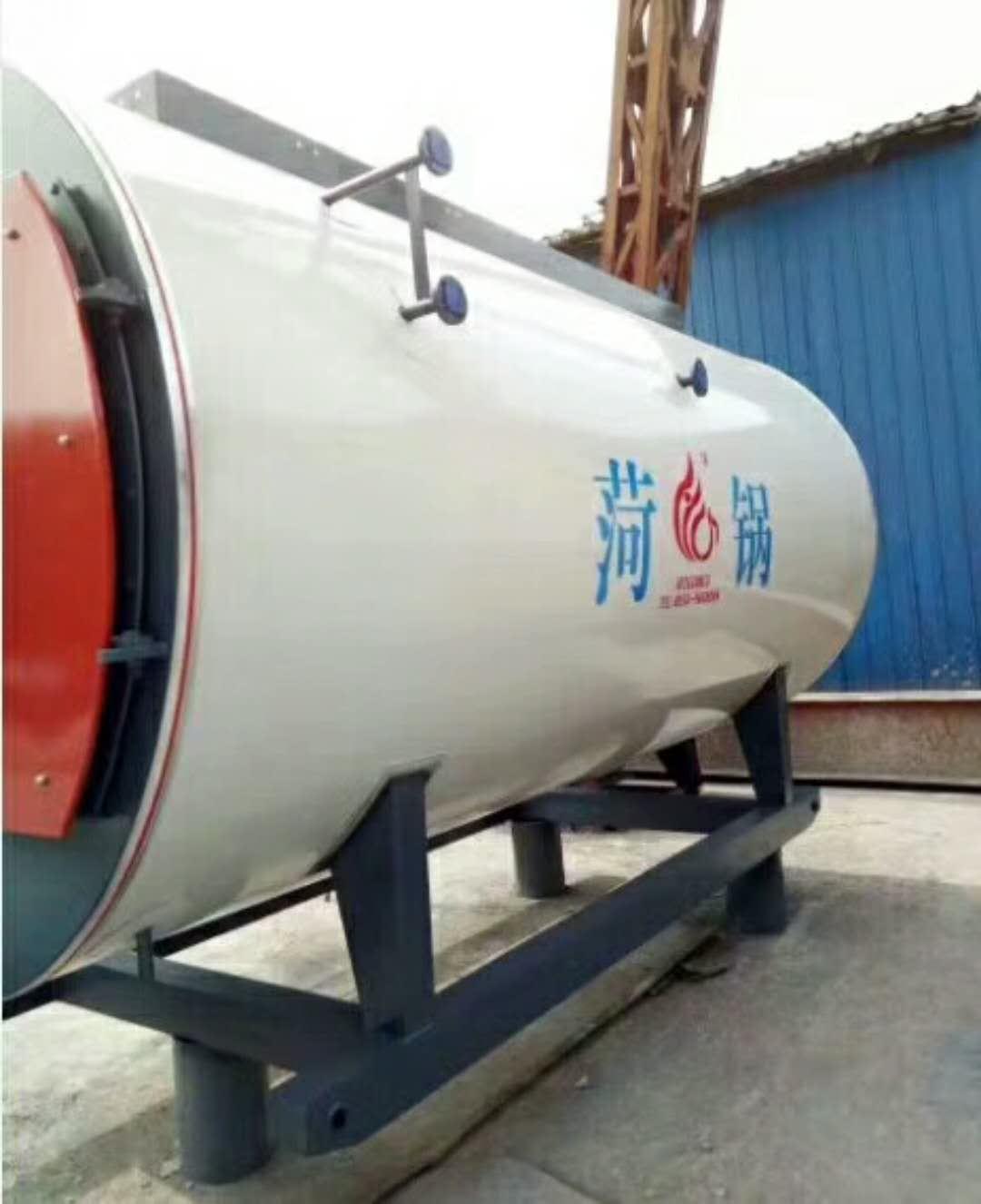

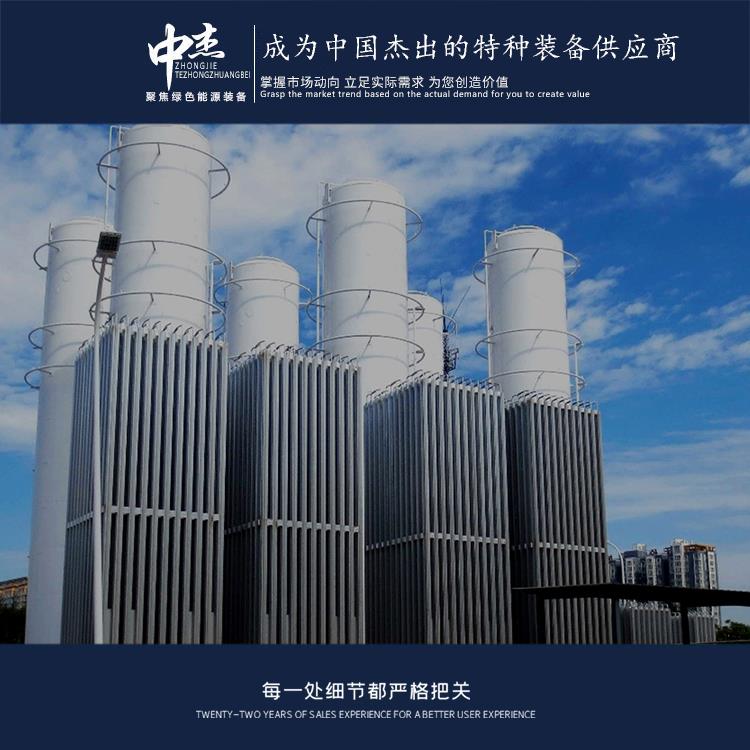
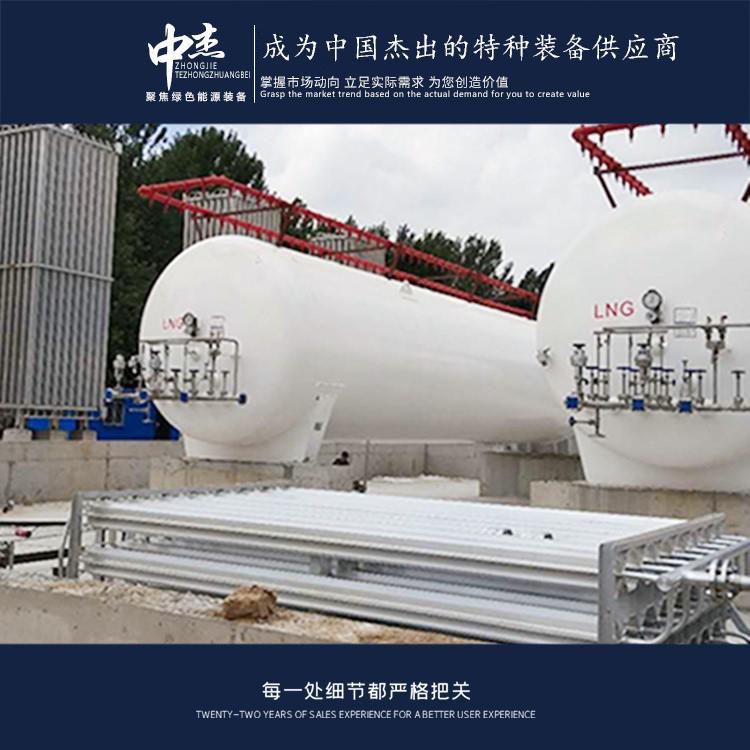


















Shandong Zhongjie Special Equipment (formerly Heze Boiler Factory Co., Ltd.) holds an A-grade boiler manufacturing license, an A2-grade pressure vessel manufacturing license, an A2-grade pressure vessel design license, a B-grade boiler installation license, and GB2/Class, GC2/Class pressure pipeline installation licenses, as well as a mechanical and electrical equipment installation contracting qualification. It is a member of the China Boiler and Water Treatment Association, the China Chemical Equipment Association, and the council member of the Shandong Equipment Manufacturing Association. The company has also passed the ISO9001 Quality Management System, ISO14001 Environmental Management System, OHSAS18001 Occupational Health and Safety Management System certifications, and the American ASME/U2 certification.
When cleaning a low-temperature liquid storage tank, the following steps should be taken:
Safety Preparations: Prior to cleaning, ensure there are no remaining liquids or gases inside the tank, and that the tank has been properly emptied and vented. Wear appropriate personal protective equipment, such as protective suits, gloves, and safety shoes.
Cleaning Agent Selection: Choose a cleaning agent suitable for low-temperature environments and liquid storage tank materials. Common cleaning agents include acidic and alkaline solutions, organic solvents, or specialized cleaning agents. Select the appropriate cleaning agent based on the tank material and the nature of the contaminants.
Cleaning Process: Inject the cleaning agent into the tank and clean the inner walls using appropriate tools (such as sprayers, brushes, or high-pressure water). Multiple cleanings can be performed as needed to ensure removal of contaminants.
Washing and Discharging: After cleaning, rinse with clean water or an appropriate solvent to thoroughly remove cleaning agents and residues. Ensure the tank is dry inside and discharge the rinse water into an appropriate treatment system.
Inspection and Verification: After cleaning, inspect the tank to ensure no residues of contaminants remain inside. Appropriate testing equipment or methods, such as optical inspection, chemical analysis, or ultrasonic testing, can be used to verify the cleaning effectiveness.
Be mindful that when cleaning low-temperature liquid storage tanks, it's crucial to adhere to relevant safety regulations and operational guidelines. Liquid storage tanks are typically highly flammable and possess low-temperature characteristics, so operators must strictly follow safety procedures to ensure the safety of personnel and equipment. During the cleaning process, attention should be given to prevent leaks of cleaning agents and contaminants, and appropriate measures should be taken for handling and disposal.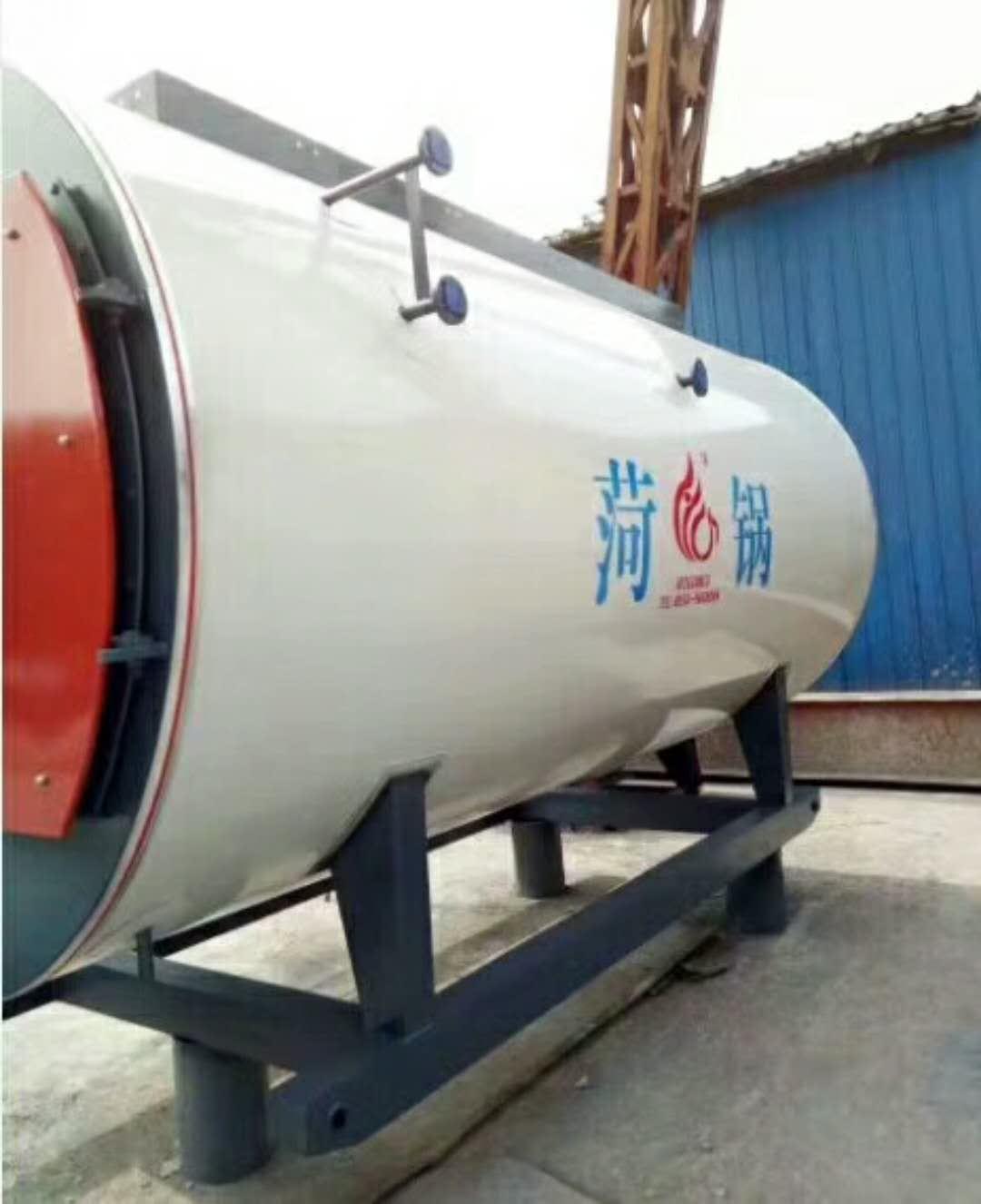
Liquid nitrogen cylinders are widely used in various industries, mainly including the following aspects:
Industry: Liquid nitrogen tanks are used for storing and supplying liquid nitrogen, which is essential for low-temperature freezing preservation of biological samples, cells, tissues, and vaccines. They are widely applied in biopharmaceutical research institutions, biobanks, and other organizations.
Experimental Research: Liquid nitrogen tanks are used in scientific research and laboratories to provide low-temperature environments, for cryopreservation and cryogenic experiments. Liquid nitrogen tanks play a significant role in experimental research across various fields, including physics, chemistry, biology, and materials science.
Metalworking Industry: Liquid nitrogen cylinders are used in the metalworking and welding industries for providing low-temperature cooling, used in processes such as metal cutting, welding, and heat treatment. Liquid nitrogen cylinders can provide low temperatures, enabling metals to achieve the required hardness and toughness during processing.
Food Industry: Liquid nitrogen tanks are used in the food industry for freezing and refrigerating foods such as frozen meats, frozen fruits, and frozen seafood. The low temperature of liquid nitrogen can quickly freeze foods, preserving their freshness and quality.
Semiconductor Industry: Liquid nitrogen tanks are used in semiconductor manufacturing and the electronics industry to provide a low-temperature environment for the freezing and preparation of semiconductor materials. The low temperature of liquid nitrogen can enhance the purity and performance of semiconductor materials.
The configuration of liquid nitrogen tanks typically includes the following aspects:
Vessel Structure: Liquid nitrogen tanks typically feature a double or multi-layered design, filled with insulating material in the middle to minimize heat transfer and evaporation of the liquid nitrogen. The vessel material is usually stainless steel or aluminum alloy, offering excellent corrosion and low-temperature resistance.
Insulation Layer: The insulation layer of liquid nitrogen tanks typically employs multi-layered insulation materials, such as polyethylene foam, glass fiber, and vacuum layers, to minimize heat transfer and evaporation of liquid nitrogen.
Temperature Control System: Liquid nitrogen tanks are typically equipped with a temperature control system to regulate the tank's temperature, maintaining the liquid state.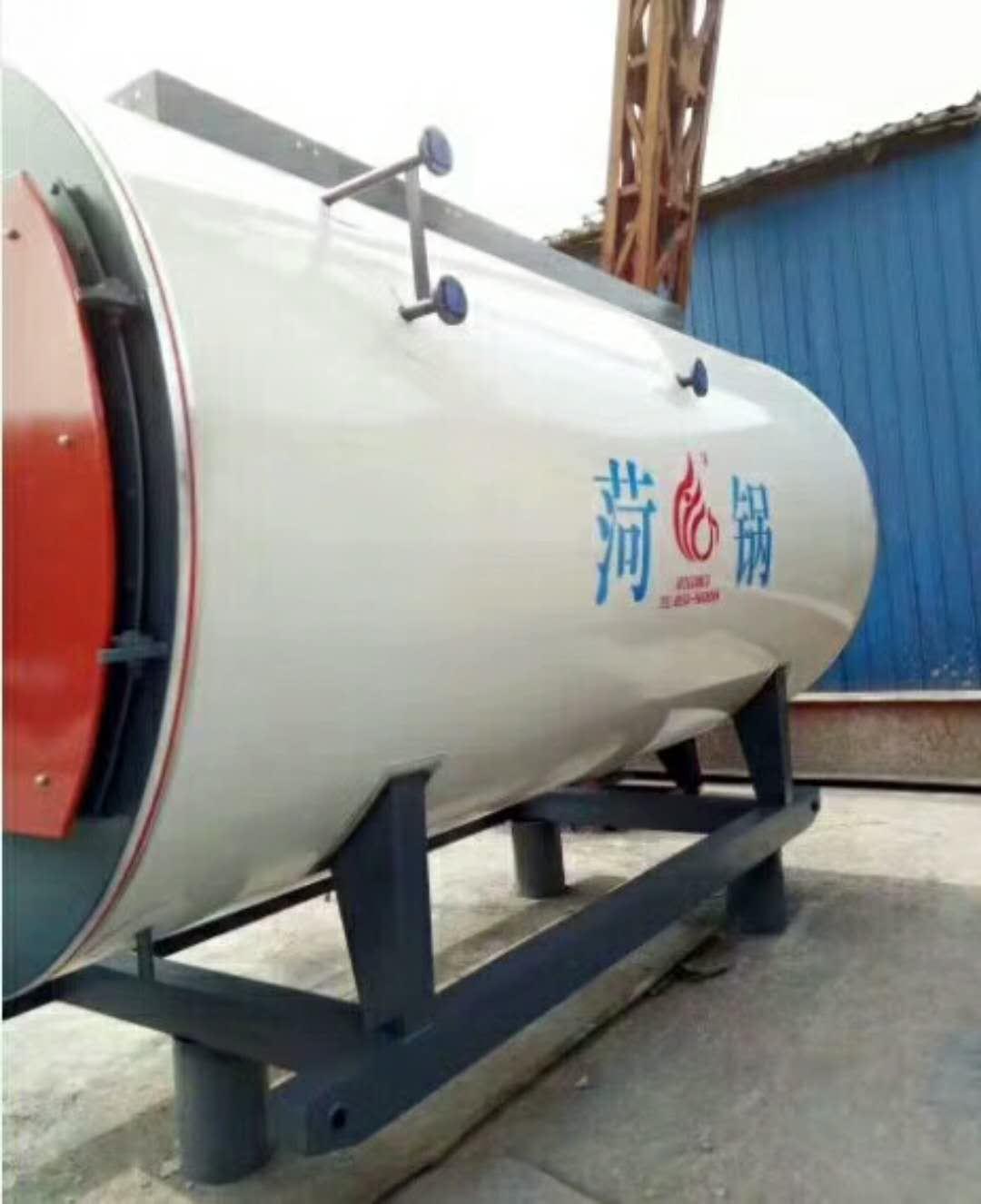
When using a 50-cubic-liter liquid oxygen storage tank, the following safety issues should be noted:
Tank Pressure Control: Ensure the liquid oxygen pressure within the tank remains within a safe range. Monitor and control the tank's pressure to avoid risks from excessive or insufficient pressure.
Leakage and Fire Prevention: Regularly inspect the tank and related pipelines for tightness to prevent liquid oxygen leakage. Liquid oxygen is highly flammable, and fire prevention measures must be implemented to ensure no ignition sources are present around the tank.
Explosion Prevention Measures: Oxygen inside the liquid oxygen tank may cause an explosion upon contact with flammable substances. Ensure there are no flammable materials around the tank and implement explosion prevention measures, such as explosion-proof electrical equipment and static grounding.
Safety Valves and Ventilation Systems: Tanks should be equipped with safety valves and a ventilation system to prevent overpressure situations. Ensure the proper operation of the safety valves and the unobstructed flow of the ventilation system.
Routine Maintenance and Inspection: Regularly perform maintenance and inspections on the storage tanks, including cleaning, coating protection, and anti-corrosion treatment. Ensure the structural integrity and safety of the tanks.
Safe Operation and Training: Operators must undergo relevant safety training, familiarize themselves with the safety operating procedures and emergency response measures for liquid oxygen storage tanks. Adhere to correct operational steps to ensure safe operation.
Environmental Monitoring: Regularly monitor environmental parameters such as oxygen concentration and temperature around the storage tanks to ensure safety.
Emergency Preparedness: Develop an emergency response plan, including measures for leaks, fires, and explosions. Equip with appropriate emergency equipment and firefighting supplies to handle unforeseen incidents.
Above are some safety issues to be aware of when using a 50-cubic-liter liquid oxygen storage tank. To ensure safety, it is recommended to follow relevant safety regulations and operation guidelines, and seek assistance and guidance from professionals when necessary.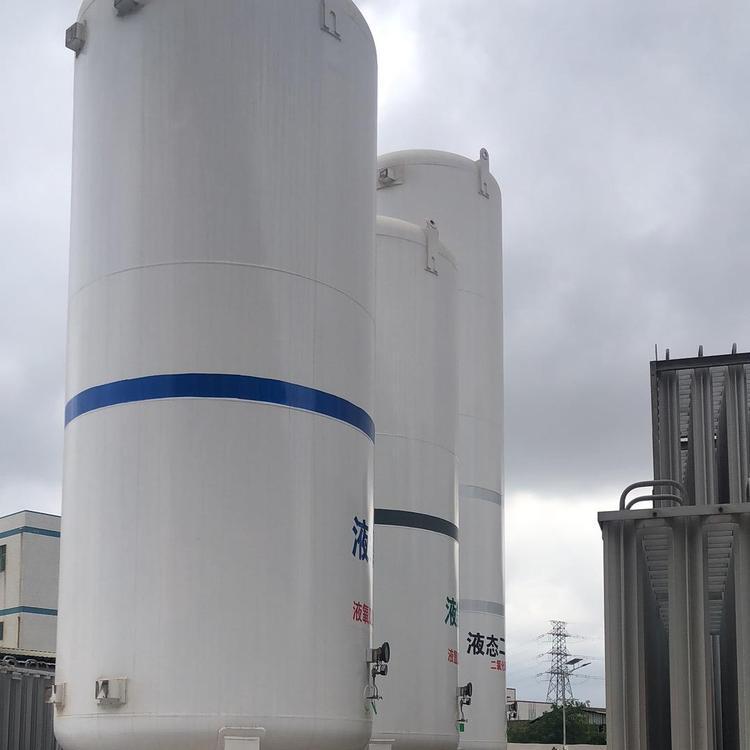
Liquid Oxygen Storage Tanks Possess the Following Safety Technical Characteristics:
High-pressure Vessels: Liquid Oxygen Tanks are high-pressure vessels capable of withstanding high pressure. Their design and manufacture must comply with relevant standards and specifications to ensure the tank's strength and sealing integrity.
Low-Temperature Storage: Liquid oxygen tanks are used for storing liquid oxygen, with operating temperatures typically around -183 degrees Celsius. The materials and insulation of the tank must be able to withstand low-temperature environments to prevent evaporation of the liquid oxygen and the penetration of external heat.
Fireproof Design: Liquid oxygen contains a high oxygen content, making it highly flammable. The design of liquid oxygen storage tanks must incorporate fire prevention measures, such as the installation of firewalls and the use of fire-resistant coatings, to prevent and contain fires.
Leak Control: Leaks in liquid oxygen storage tanks can lead to increased oxygen concentration, heightening the risk of fire and explosion. Tanks must be equipped with leak detection and alarm systems to promptly detect and control leaks, and to implement appropriate emergency measures.
Electrostatic Protection: Electrostatic buildup in liquid oxygen storage tanks can cause sparks, increasing the risk of fire. Tanks must be equipped with antistatic conductive materials and anti-static devices to reduce the accumulation and release of static electricity.
Safety valves and pressure control: Liquid oxygen storage tanks must be equipped with safety valves and pressure control devices to ensure the internal pressure of the tank remains within a safe range. When the pressure exceeds the set value, the safety valve will automatically release pressure to protect the tank's safety.
Regular inspections and maintenance: Liquid oxygen tanks require regular inspections
Zhongjie Special Equipment upholds the grand vision of "realizing employees' dreams, creating customer value, and striving for the prosperity and strength of our motherland," and is dedicated to the development of the green energy equipment industry. We commit to society with high-quality, cost-effective products and services!
WeChat Official Account

Scan to follow Official Account



















