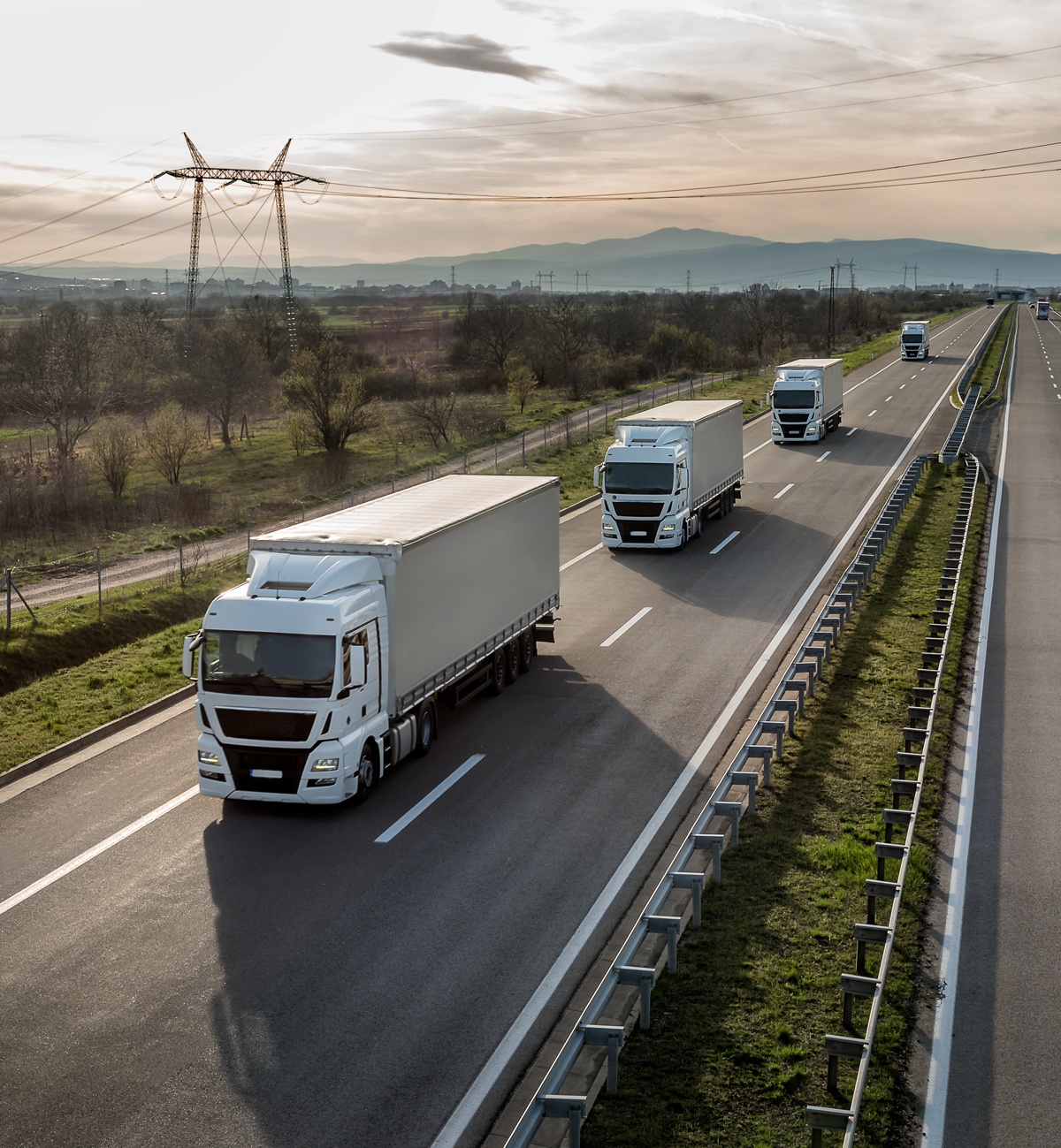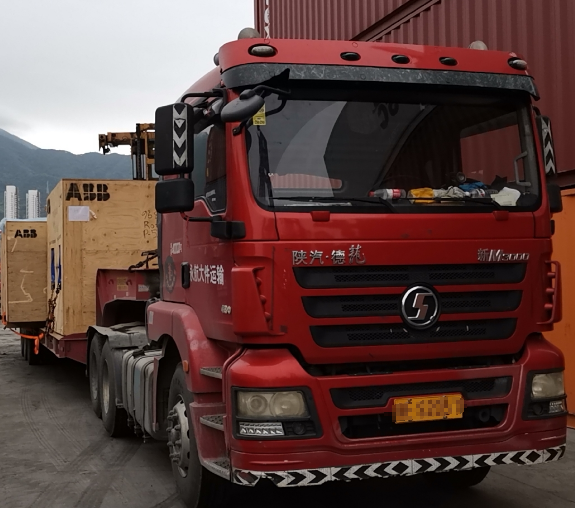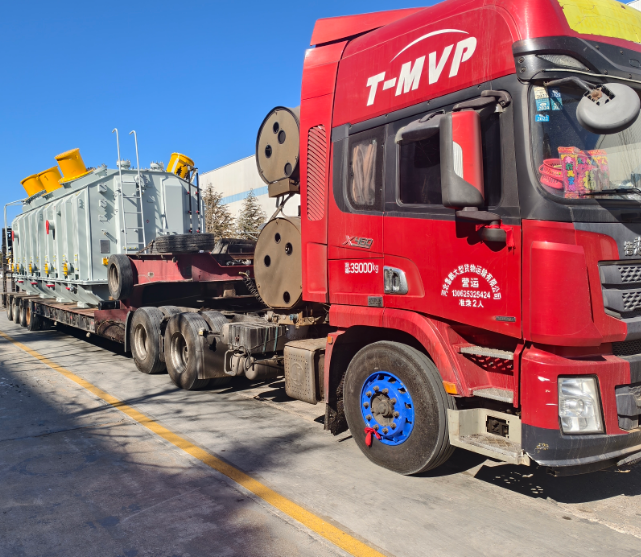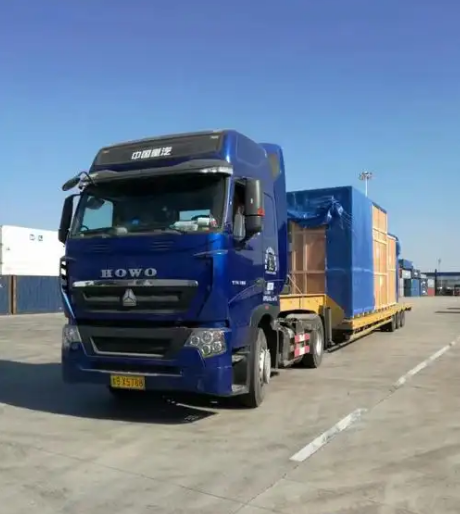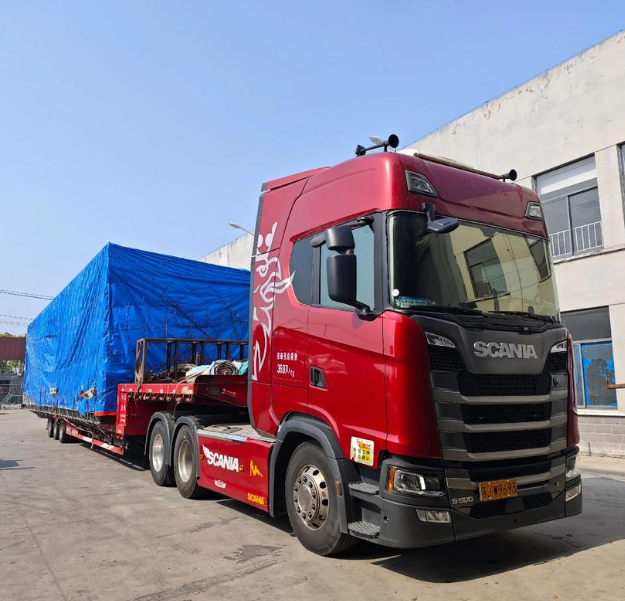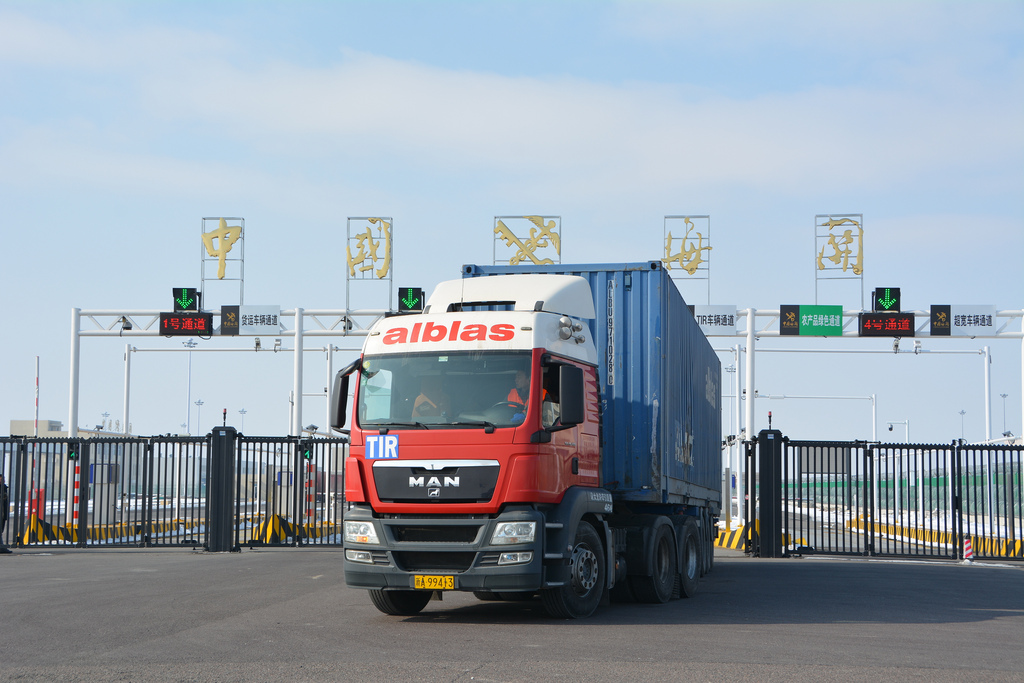
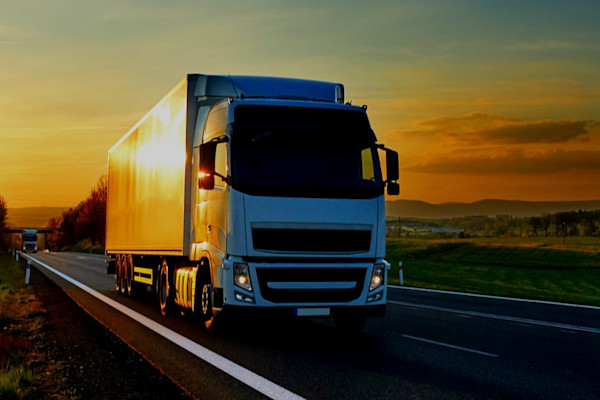
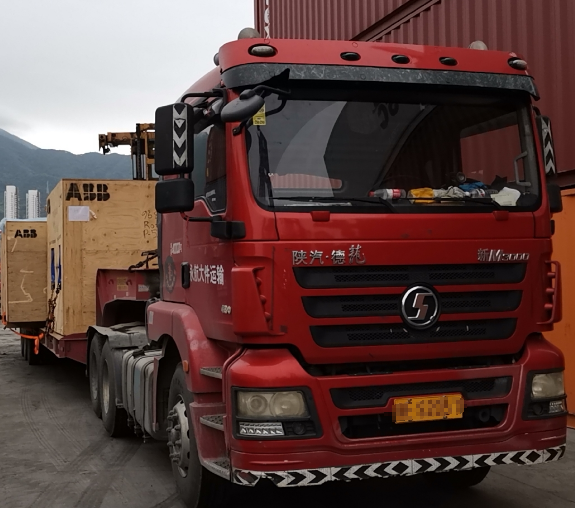







Our return transport service covers every corner of Dongguan to Hunan. No matter where you are in Dongguan or whether your goods need to be delivered to bustling cities or remote towns in Hunan, we can quickly dispatch return vehicles, pick up your goods at your doorstep, and deliver them directly. Our comprehensive logistics network ensures smooth transportation of your goods, effortlessly facilitating distribution between the two places.
Large-scale shipment requires careful cost management. Our return transport from Dongguan to Hunan is your money-saving solution. Leveraging the unused cargo space of return trips, we flexibly allocate vehicles based on the weight and volume of your goods, creating a dedicated transportation plan. While ensuring safe and timely delivery of your goods, we help you save significantly on logistics costs, enhancing your company's competitiveness.
Don't worry about sending a small personal shipment to Hunan; our return load transportation is applicable as well. It's easy to handle, just give us a call or place an online order, and we'll arrange for a nearby return load to pick up your item. Full customer service support is provided throughout the process, always ready to answer your questions and ensure you have the same experience as整车 transportation, making it effortless to resolve personal cargo shipping challenges.
Time is money, and we fully understand the importance of timely delivery for your cargo. For the return transport from Dongguan to Hunan, we meticulously plan our routes and schedule departures to ensure on-time arrivals. Our experienced drivers are well-versed in the road conditions and adept at avoiding traffic jams, guaranteeing your goods reach Hunan quickly and on time, without disrupting your business operations or personal affairs.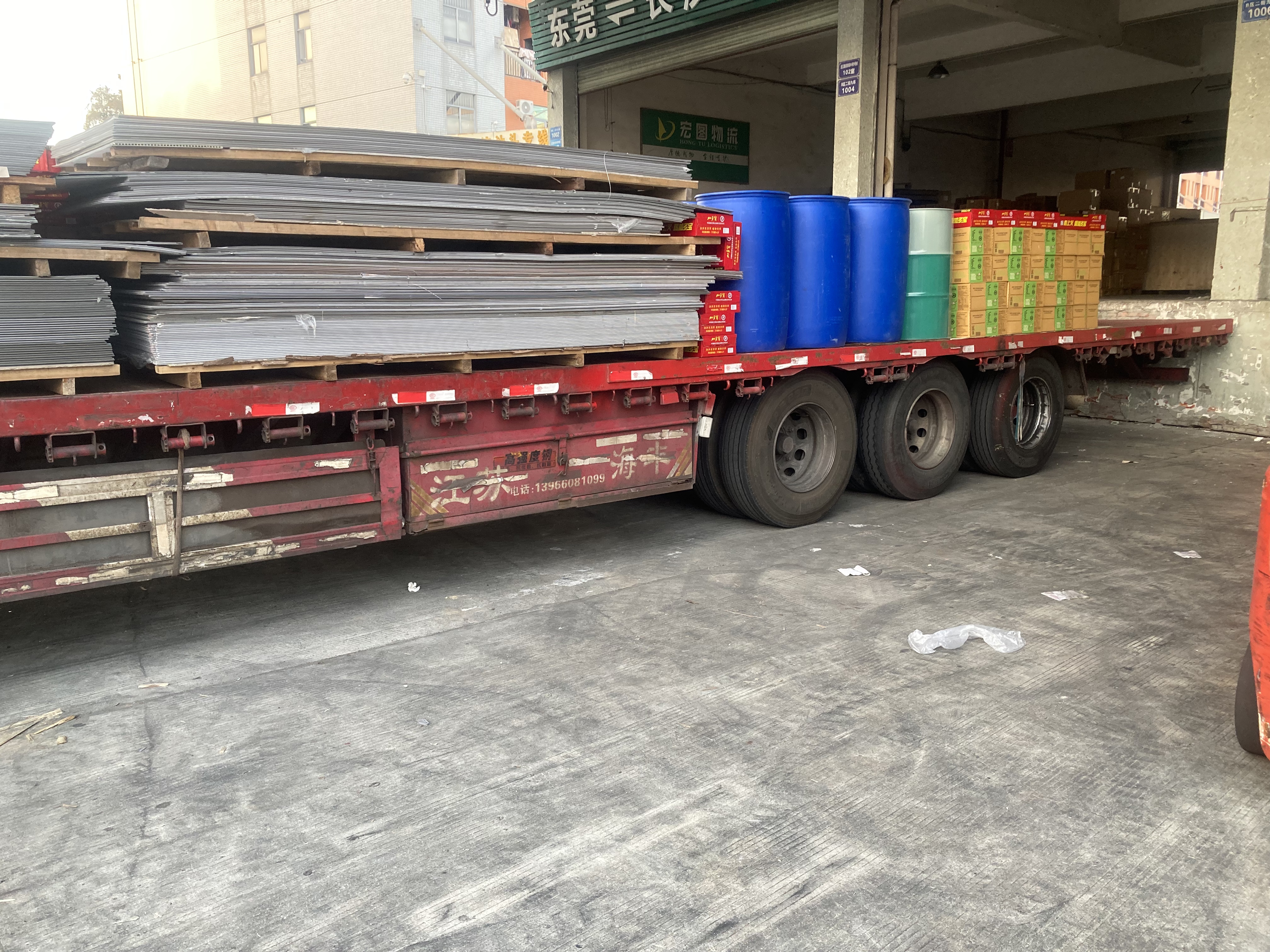
Specific areas include: Customer Service, Demand Forecasting, Order Processing, Distribution, Inventory Control, Transportation, Warehouse Management, Layout and Selection of Factory and Warehouse, Loading and Unloading, Procurement, Packaging, Intelligence Information. Transportation uses facilities and tools to facilitate logistics activities moving goods from one point to another. Inventory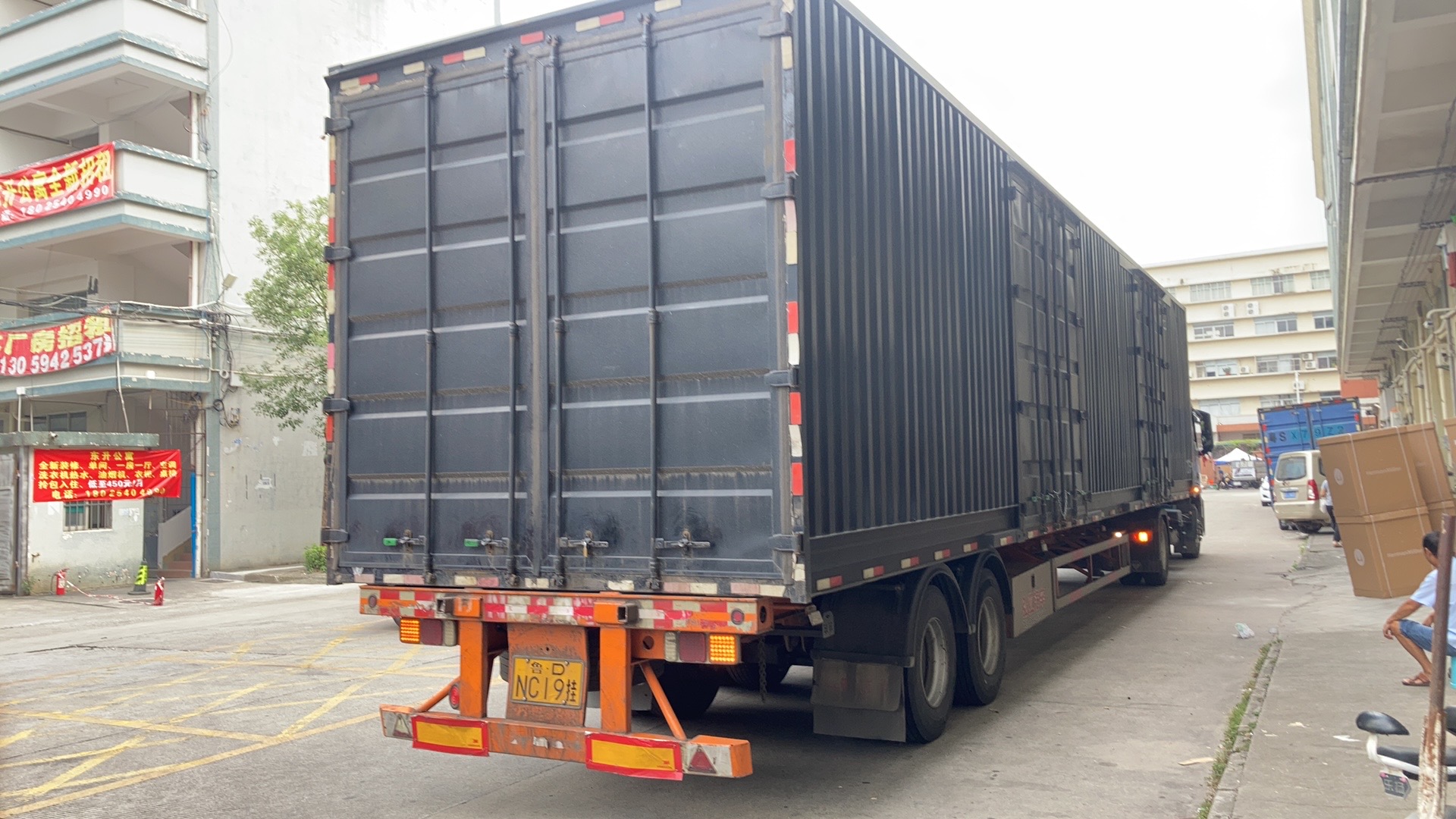
What are the differences between courier companies and logistics companies? The difference between courier companies and logistics companies is like heaven and earth, but due to the broad definition of logistics, many people refer to courier companies as logistics companies, when in fact, the businesses they operate are completely different. Let's now discuss the differences between the two from seven aspects. The service objects differ: courier companies primarily serve individuals, whereas logistics companies mainly cater to businesses. Courier companies are mainly for individual needs, such as when you need to send a document from China to the US, you would look for a courier company like DHL, UPS, FedEx, not a logistics company. Logistics companies are primarily for businesses, such as when your company needs to transport a truckload of goods from Shenzhen to New York, you would seek out a logistics forwarding company, not just any courier company. Besides the high prices of courier services, they also accept such goods.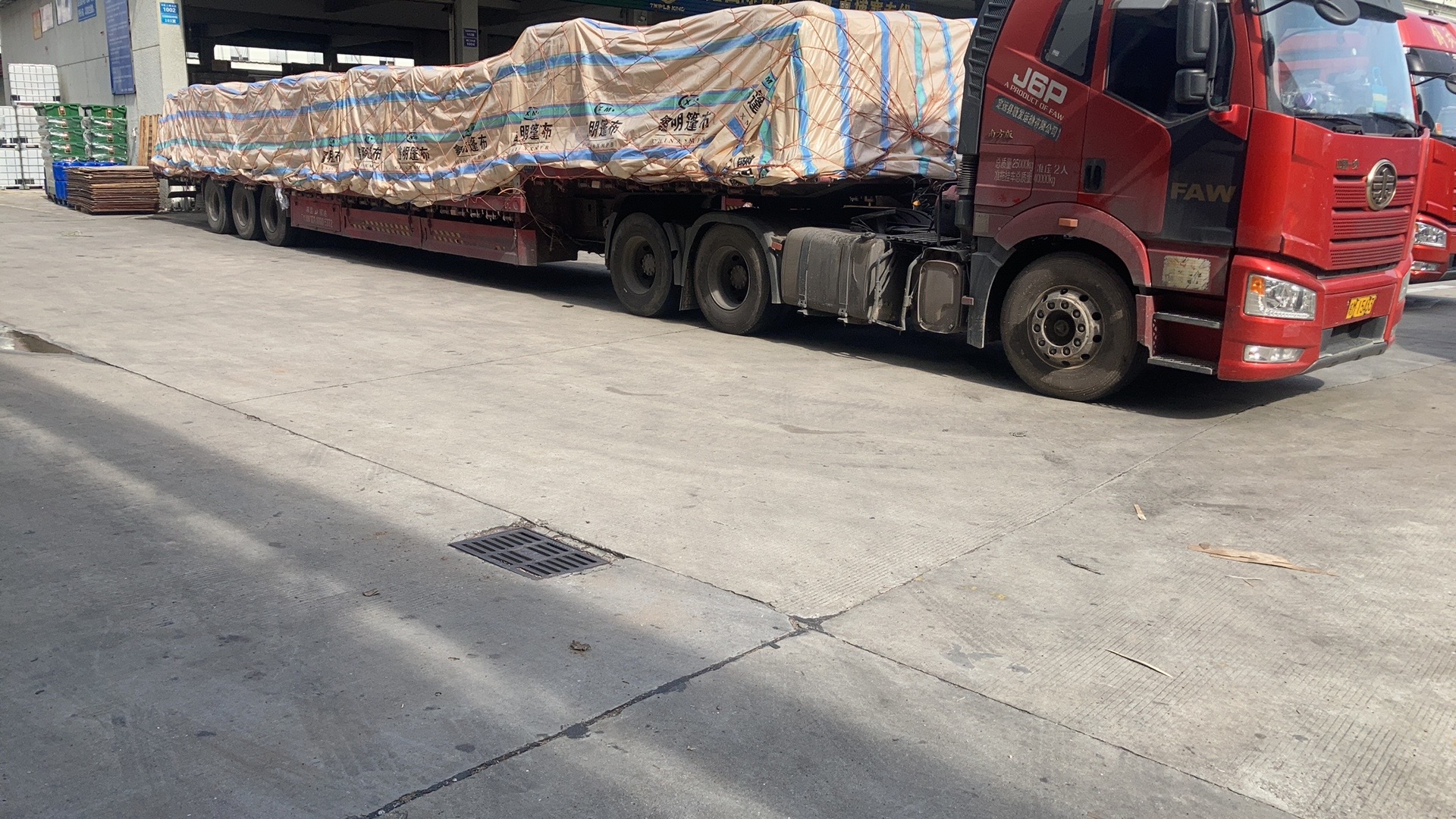
Inventory Control: Logistics activities involving the classification and management of inventory quantities and structures. Packaging: Packaging refers to the overall name of containers, materials, and items used to protect products during distribution, facilitate storage and transportation, and promote sales based on certain technical aspects. It also refers to the operational activities involving the application of certain technical methods to achieve the aforementioned purposes. Handling: Handling is a logistics activity primarily involving horizontal movement of items within the same location. It is performed to meet the transportation and storage needs of products. Distribution Processing: Distribution processing (distribution processing) is the general term for simple operations such as packaging, splitting, measuring, sorting, marking, labeling, and assembly that are applied to items during the process from the production site to the usage site. Information Management: The collection and processing of information related to logistics planning, forecasting, dynamic information, and information related to production, market, and costs, to ensure effective and smooth logistics activities.
WeChat Official Account

Scan to follow Official Account