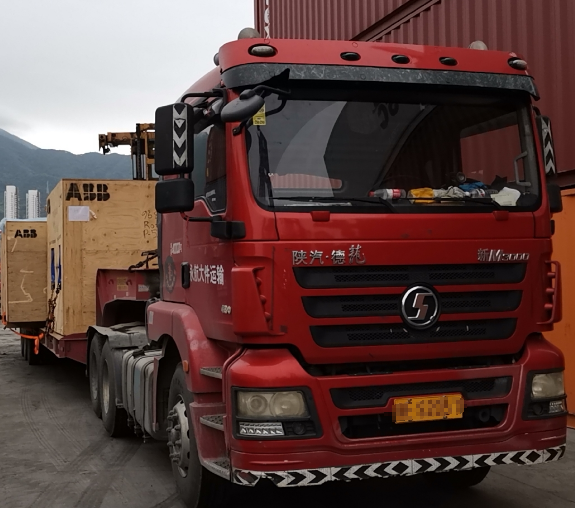







The return cargo transportation operation process is as follows:
1. Call the Return Load Freight Network for the type of truck you need.
2. Provide detailed information on the source of supply.
3. The Freight Information Department locates vehicles and quotes prices based on the source of goods for the shipper.
4. Facilitate transactions with both drivers and shippers through third-party logistics.
5. Upon arrival at the loading site, the cargo owner shall retain a copy of the driver's relevant identity documents, and then arrange for the loading process.
6. Driver confirms goods source information, loads and signs for receipt.
7. Customers can receive real-time updates on their shipments at any time during transit.
8. Upon arrival at the destination, the driver receives the freight, the consignee unloads the goods, and the return trip transport is completed.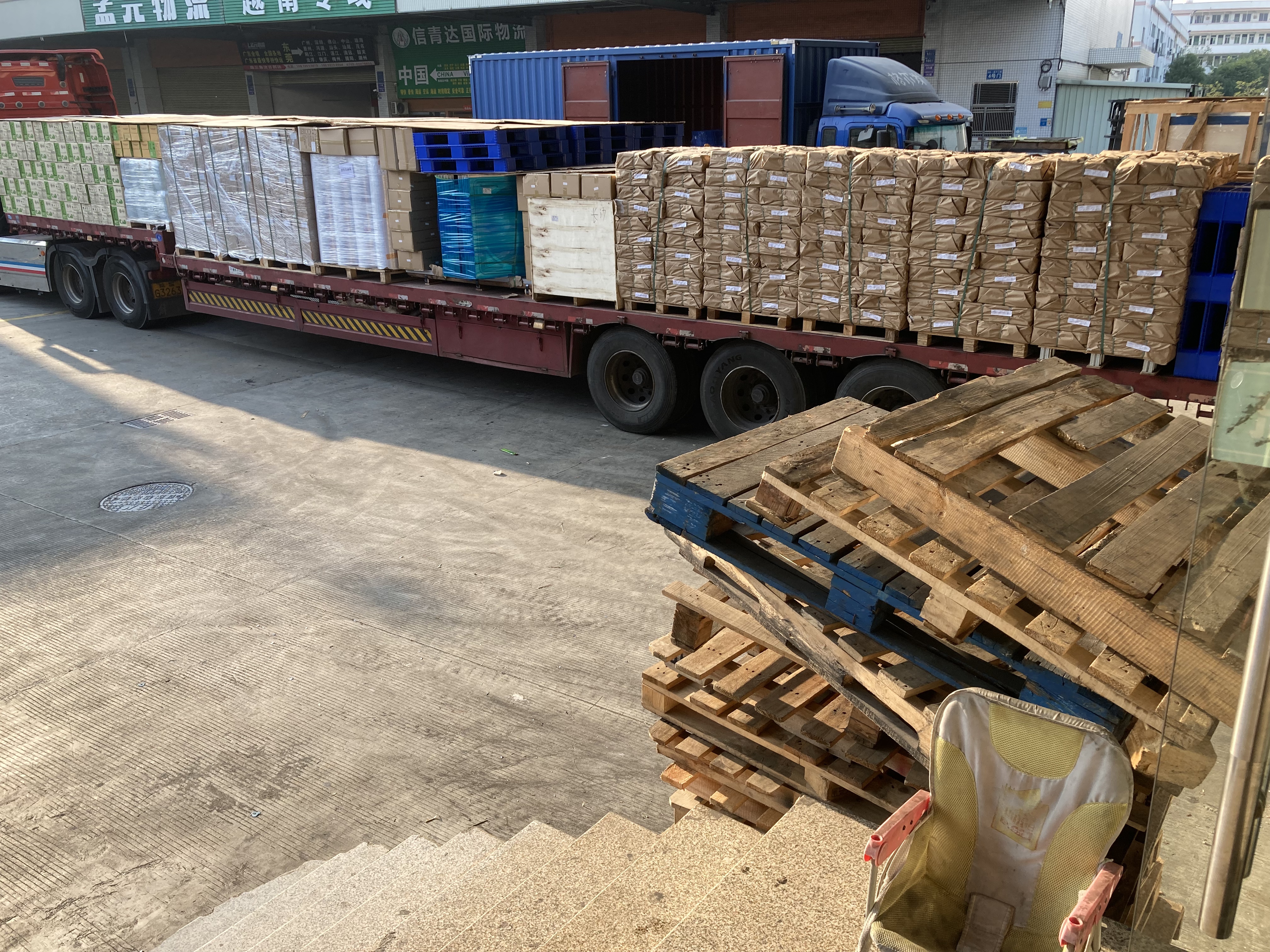
Cautionary Notes for Return Transport Logistics:
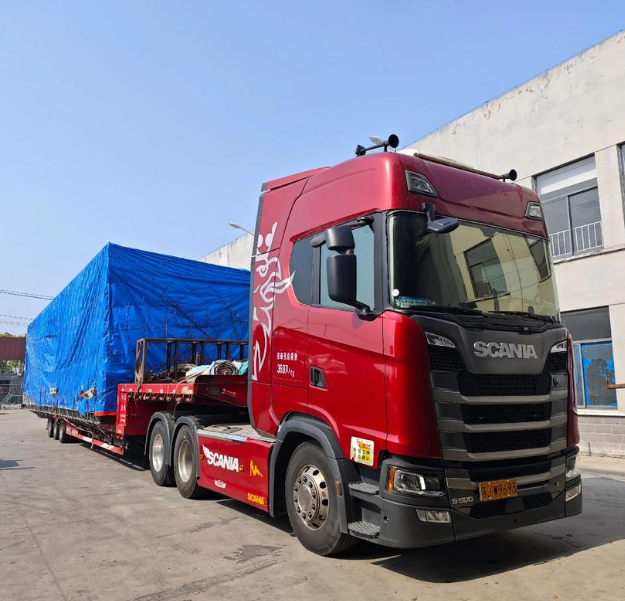
1. Machinery and equipment are not necessarily charged by weight; choose the appropriate truck based on the space they occupy in the vehicle.
2. Loading and unloading operations are arranged by the shipper.
3. The site should be spacious enough for trucks to enter and exit conveniently.
4. Ensure precise location; deviation can increase costs.
5. Weight, volume, and dimensions must be accurate; exceeding the allowable load will incur additional charges.
6. Loading and unloading must not be delayed for too long.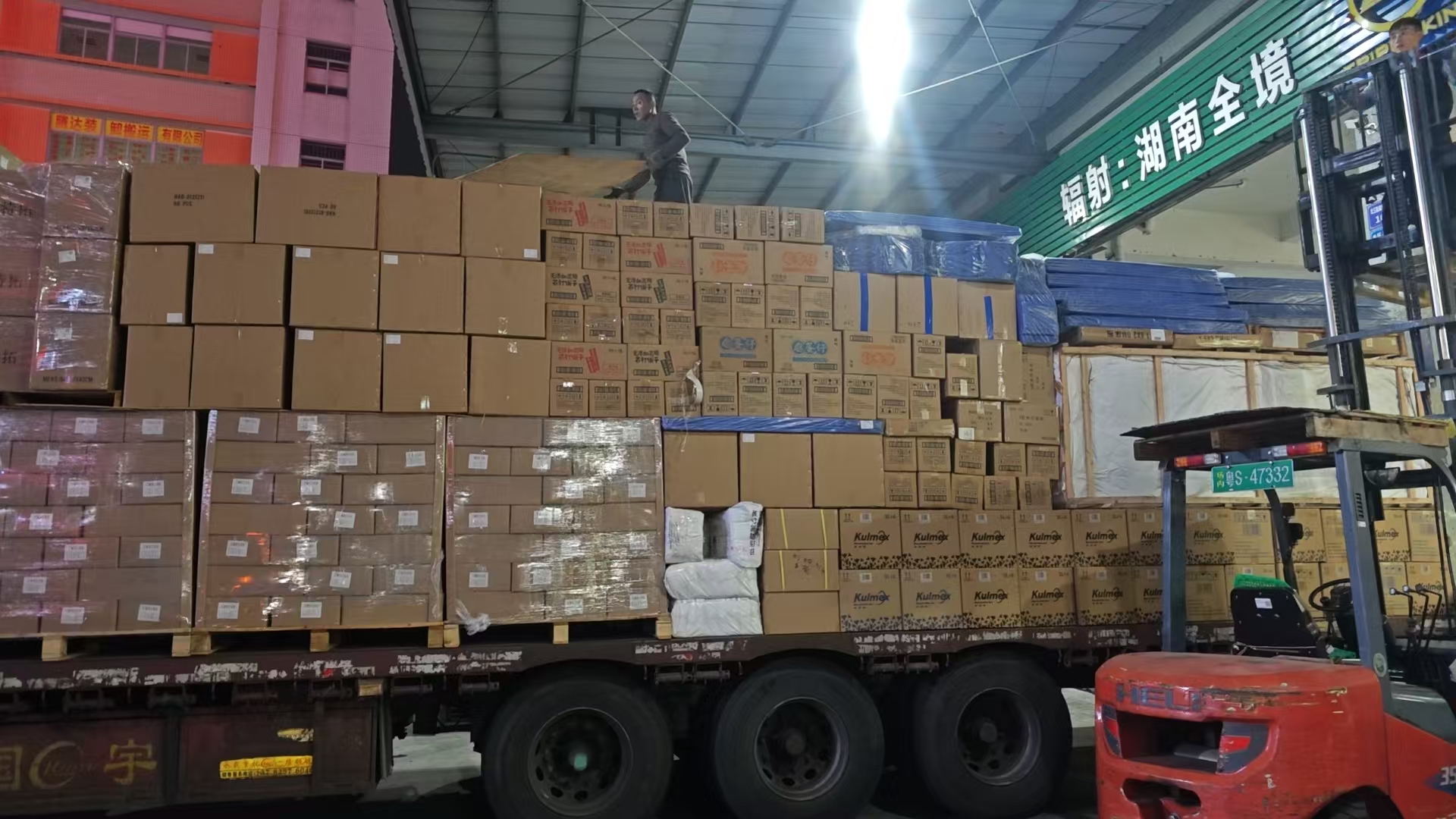
The inbound and outbound logistics can be described as "1+1"; for the return trip vehicle transport, it can reduce the resource waste from empty vehicle runs, alleviate the high cost pressure on logistics companies, and ensure reasonable use of vehicles. This also controls the freight costs, thus solving the traditional transport vehicle's one-way trip problem where "1+1<2".
If logistics companies can effectively manage idle vehicles in society, both the logistics companies and the owners of these vehicles will benefit from relatively reasonable transportation costs. Logistics service providers will enjoy tangible benefits, and shippers will receive more satisfying services.
If the information resources of return trips reach a certain volume, through optimized integration, it can reduce empty driving for drivers, increasing their income; for corporations, return trip transportation can enhance transportation capacity, lower logistics companies' transportation costs, and improve their competitiveness; for society, it conserves resources, reduces environmental pollution caused by empty driving, and also alleviates unnecessary traffic congestion.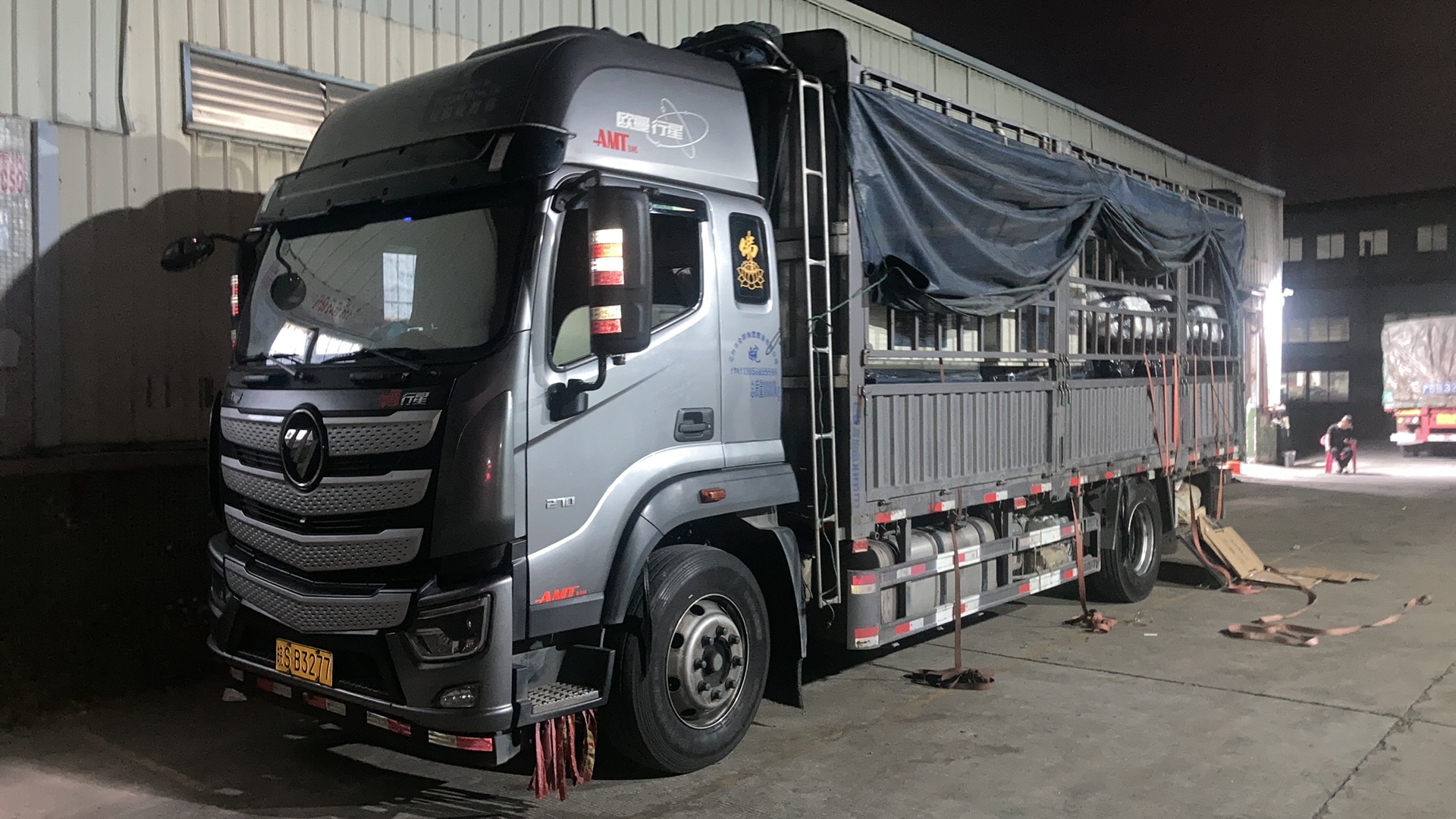
Logistics专线: Freight专线, commonly referred to in domestic logistics, refers to various logistics companies transporting goods with their own trucks to their dedicated destination. They usually have their own branches at the destination. This ensures that the trucks are loaded both ways. The purpose of running a dedicated line is to save costs, but it must be based on sufficient cargo volume; otherwise, it can lead to losses. Therefore, dedicated line companies often have uncertain delivery times, shipping when the cargo is full, which also reduces the customer's transportation costs. The benefits of dedicated logistics include lower transportation costs, but the drawback is that delivery times cannot be guaranteed, making it unsuitable for urgent shipments.
Freight专线 is commonly referred to in the domestic logistics industry, meaning that various logistics companies transport goods to their designated专线 destinations using their own trucks. Typically, they have their own branches at the destinations. This ensures that the trucks are loaded for both trips. The purpose of operating a专线 is to save costs, but it must be based on sufficient cargo volumes; otherwise, it could lead to losses. Therefore, the scheduling of the专线 is usually uncertain, with cargo being shipped when the truck is full, thereby also reducing the customer's transportation costs.
WeChat Official Account

Scan to follow Official Account