


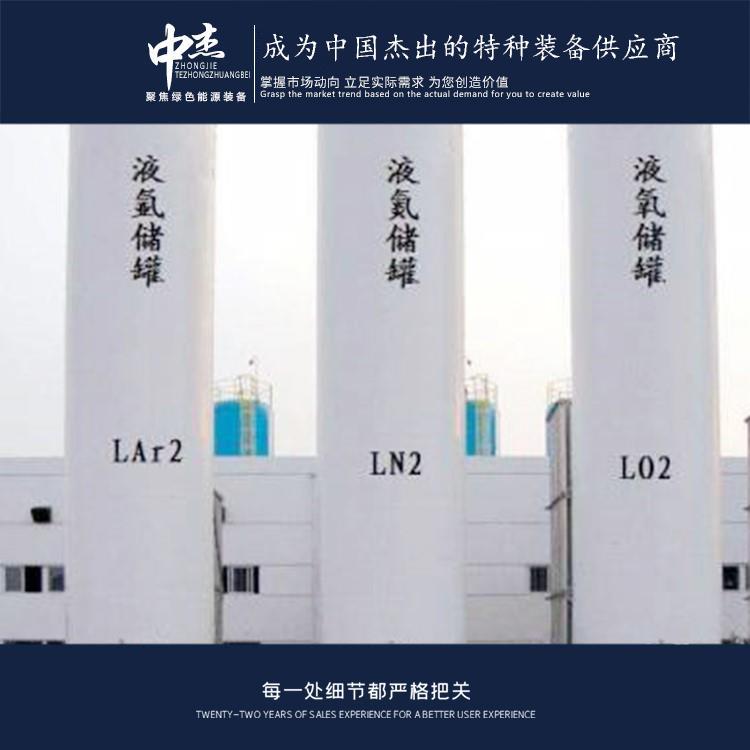

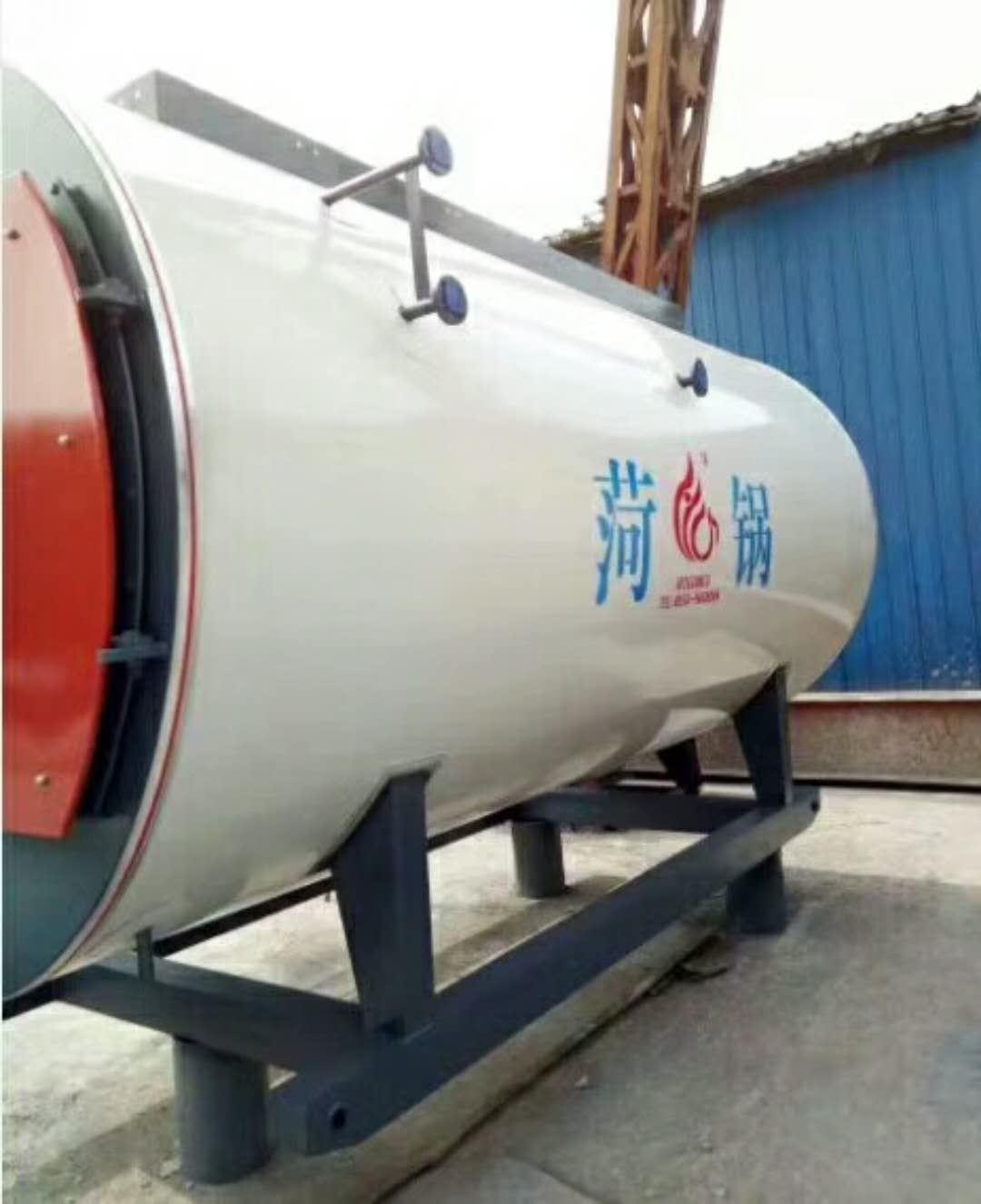
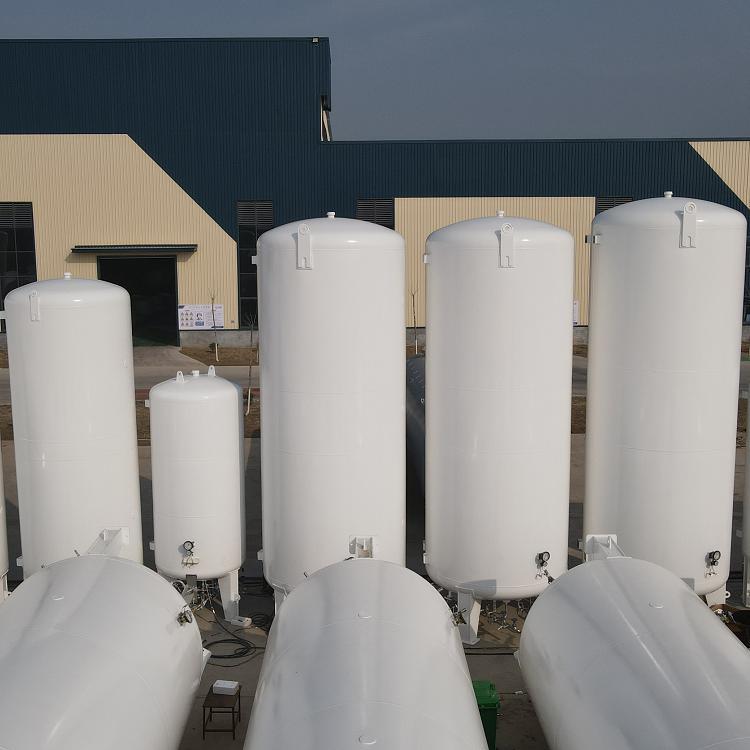


















Shandong Zhongjie Special Equipment (formerly Heze Boiler Factory Co., Ltd.) holds an A-grade boiler manufacturing license, A2-grade pressure vessel manufacturing license, A2-grade pressure vessel design license, B-grade boiler installation license, and GB2/Class, GC2/Class pressure pipeline installation license, as well as mechanical and electrical equipment installation contracting qualifications. It is a member of the China Boiler and Water Treatment Association, the China Chemical Equipment Association, and the Council Unit of the Shandong Equipment Manufacturing Association, and has passed ISO9001 Quality Management System, ISO14001 Environmental Management System, OHSAS18001 Occupational Health and Safety Management System certifications, and the American ASME/U2 certification.
In accordance with China's "Regulations for Safety Supervision of Pressure Vessel Technologies," carbon dioxide storage tanks are classified as Category II pressure vessels. The regulations categorize pressure vessels as follows:
- Category I: Pressure vessels with working pressures of 10 MPa (Megapascals) or higher, such as steam boilers and pressure vessels.
- Category II: Pressure vessels with working pressures between 0.1 MPa and 10 MPa, such as air compressors and liquefied gas storage tanks.
- Category III: Pressure vessels with working pressures between 0.05 MPa and 0.1 MPa, such as storage tanks.
- Category IV: Pressure vessels with working pressures below 0.05 MPa, such as gas cylinders.
Based on this classification, carbon dioxide storage tanks typically have working pressures above 0.1 MPa, thus falling under Category II. It is important to note that specific classification criteria may vary due to different regional regulations and standards. When using and managing carbon dioxide storage tanks, it is necessary to comply with the corresponding regulations and standards.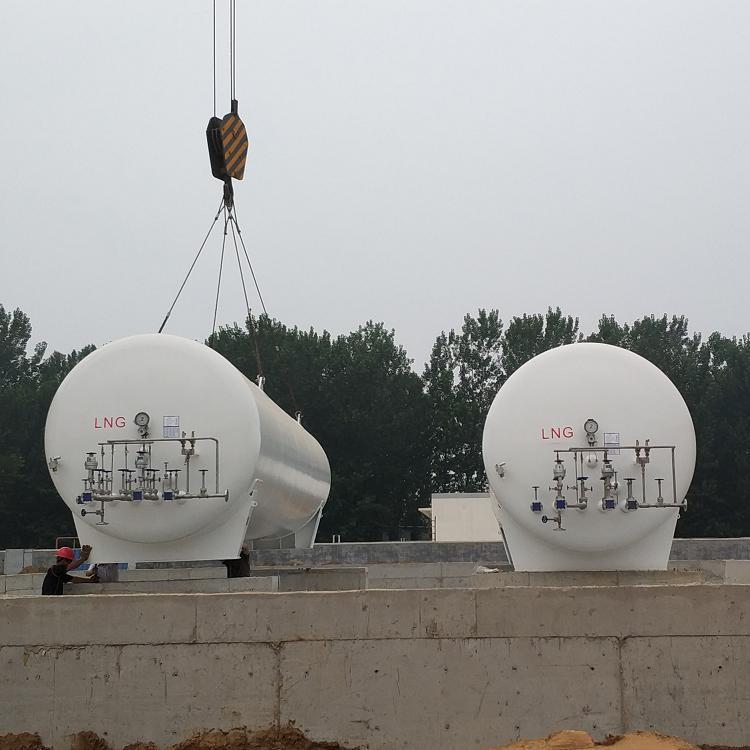
Carbon dioxide storage tanks are devices used for storing and transporting carbon dioxide gas, with their principle based on the working principles of pressure vessels and the physical properties of carbon dioxide. Pressure Vessel Principle: A carbon dioxide storage tank is a pressure vessel capable of withstanding the pressure of the internal gas. It is typically made of high-strength materials like steel. The tank's design and structure are engineered to withstand high pressures, ensuring safe storage and transportation of the gas. Compressed Gas Storage: Carbon dioxide is a gas at room temperature but can be compressed into a liquid under high pressure. Storage tanks utilize high pressure to compress the gas into a liquid, achieving a higher storage density. The volume occupied by liquid carbon dioxide is relatively small, allowing for the storage of more gas. Level Control: The tanks are equipped with a level control system to monitor and control the level of liquid carbon dioxide. The level control system usually includes level sensors and control valves, ensuring the tank's level remains within a safe range. Pressure Control: The tanks also feature a pressure control system to monitor and control the internal gas pressure. The pressure control system typically includes pressure sensors and safety valves, ensuring the tank's pressure stays within a safe range to prevent damage or safety risks due to excessive or insufficient pressure. Through these principles, carbon dioxide storage tanks can safely store and transport carbon dioxide gas to meet the needs of various fields, such as food processing, beverage manufacturing, and fire suppression. When using carbon dioxide storage tanks, it is necessary to follow relevant safety operation procedures and guidelines to ensure safe operation and usage.
Dry ice is a frozen agent obtained by directly converting carbon dioxide gas into a solid under high pressure. It has several applications:
- Refrigeration of Food and Pharmaceuticals: Dry ice is widely used for the transportation and storage of food and pharmaceuticals. Thanks to its low temperature and rapid cooling speed, it effectively preserves the freshness and quality of both food and medications.
- Special Effects and Stage Performances: Dry ice is also extensively used in special effects and stage performances. When it comes into contact with environmental heat, it quickly turns into gas, producing a large amount of white smoke, creating a mysterious and dramatic atmosphere.
- Cleaning and Disinfection: Dry ice can also be used for cleaning and disinfection. When it comes into contact with surfaces, the combination of temperature reduction and the physical impact of the vaporization process effectively removes dirt, bacteria, and viruses without leaving residues.
- Laboratories and Scientific Research: Dry ice finds applications in laboratories and scientific research as well. It can be used to freeze samples, create low-temperature experimental environments, and produce cold traps and condensers.
It is important to note that safety should be a priority when using dry ice, avoiding direct contact with skin and eyes, and not using it in enclosed spaces to prevent the accumulation of carbon dioxide, which can lead to oxygen deficiency.
The inspection frequency of carbon dioxide storage tanks should be determined based on local regulations, standards, and manufacturer recommendations. Generally, several factors can influence the inspection frequency of carbon dioxide storage tanks:
Regulatory and Standard Requirements: Different regions may have varying regulations and standards that dictate the inspection requirements and frequency for tanks. For instance, the U.S. DOT standards require liquid gas tanks to undergo external inspections every 5 years and internal inspections every 10 years.
Manufacturer Recommendations: Manufacturers typically provide recommendations for inspection frequency, which are based on tank design, materials, and service life, and can serve as references for developing an inspection plan.
Usage Environment and Conditions: The environment and conditions in which the tank is used also affect the inspection frequency. For example, if the tank is exposed to corrosive environments or frequently subjected to mechanical stress, more frequent inspections may be necessary.
Generally, external inspections of liquid gas tanks are conducted through visual inspections, ultrasonic testing, magnetic particle testing, and other methods to assess the external condition and potential defects of the tank. Internal inspections may require emptying the tank and using methods such as internal inspections, thickness measurements, and weld inspections to evaluate the internal condition.
It is crucial that inspections of the tank be performed by trained and experienced personnel and strictly adhered to the relevant regulations, standards, and manufacturer recommendations. Regular inspections and maintenance can ensure the safety and reliability of the tank, reducing the risk of accidents.
Zhongjie Special Equipment upholds the grand vision of "realizing employees' dreams, creating customer value, and striving for the prosperity and strength of our motherland," and is dedicated to the development of the green energy equipment industry. We commit to society with high-quality products and services at competitive prices!
WeChat Official Account

Scan to follow Official Account



















