


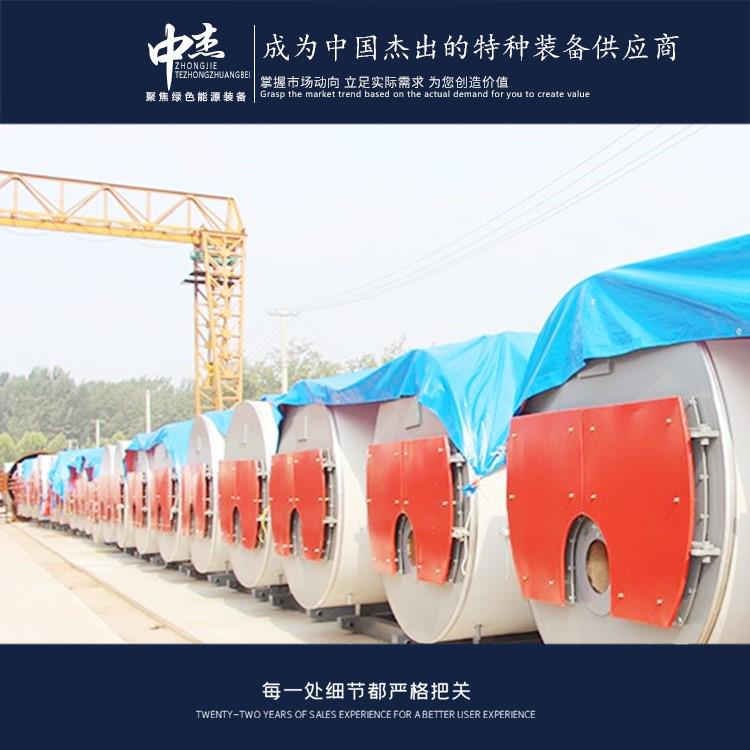

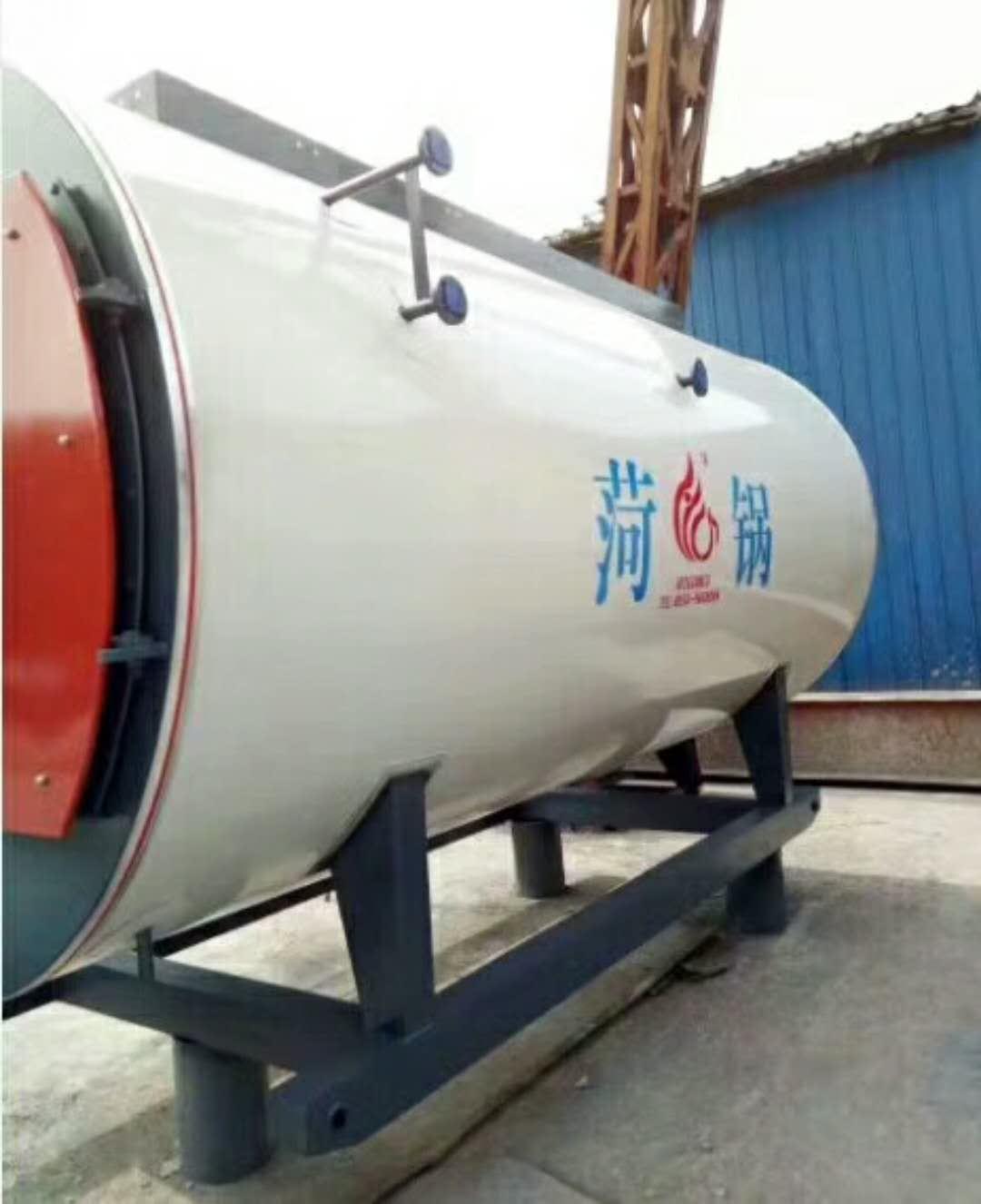
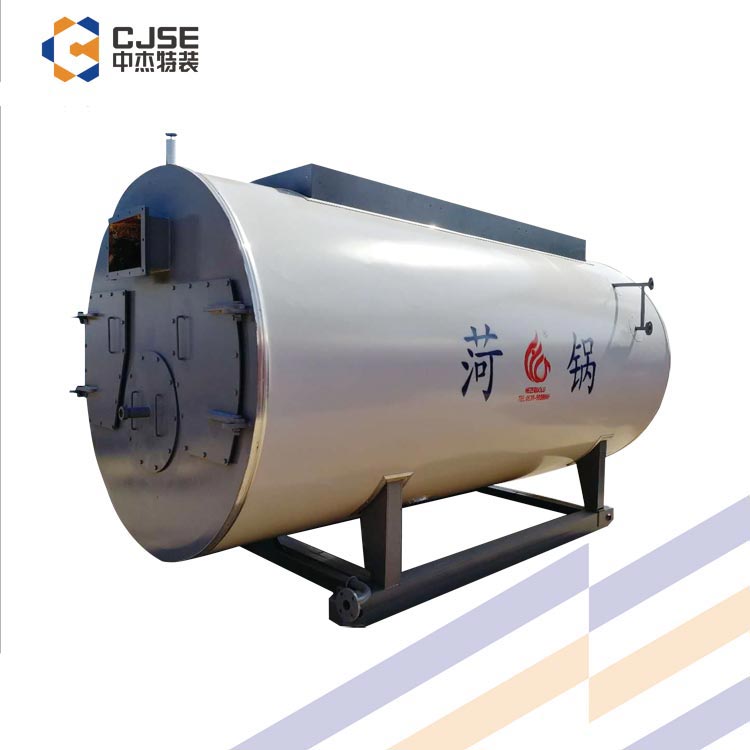


















Shandong Zhongjie Special Equipment (formerly Heze Boiler Factory Co., Ltd.) holds an A-grade boiler manufacturing license, an A2-grade pressure vessel manufacturing license, an A2-grade pressure vessel design license, a B-grade boiler installation license, as well as GB2 and GC2 grade pressure pipeline installation licenses and mechanical and electrical equipment installation contracting qualifications. It is a member of the China Boiler and Water Treatment Association, the China Chemical Equipment Association, and a council member of the Shandong Equipment Manufacturing Association. The company has also passed certifications for the ISO9001 Quality Management System, ISO14001 Environmental Management System, OHSAS18001 Occupational Health and Safety Management System, and the American ASME/U2 certification.
Based on the provided information, I cannot accurately determine the heating area for a 40-ton gas-fired hot water boiler and the gas pressure for an atmospheric pressure gas boiler. The determination of these parameters requires consideration of multiple factors, including the boiler's design specifications, the type and quality of the gas, and the heating system requirements. The heating area is typically calculated based on the size of the building or industrial production facility that needs heating, along with the heat load calculations. Common calculation methods include heat load calculations based on the building's floor area, the climate conditions of the region, and the required indoor temperatures. The gas pressure depends on the type of gas and the design of the gas supply system. Different types of gas (such as natural gas, etc.) have different pressure requirements for supply. The gas pressure also needs to consider factors such as the transmission distance of the gas pipeline, pipeline diameter, and pipeline material. Therefore, to accurately determine the heating area for the 40-ton gas-fired hot water boiler and the gas pressure for the atmospheric pressure gas boiler, it is recommended to consult the boiler manufacturer or engineer, who can calculate and design based on the specific situation.
To extend the lifespan of steam boilers, the following measures can be taken:
- Regular maintenance: Perform regular maintenance on the boiler, including cleaning the burners, flues, and heat exchangers, checking and replacing worn parts, to ensure normal operation and efficiency.
- Water quality control: Maintain good boiler water quality to prevent scale and corrosion damage. Regularly test water quality and take appropriate treatment measures based on the results, such as descaling and replenishing missing chemicals.
- Burn control: Reasonably control the combustion process to ensure normal operation and efficiency of the burners. Regularly inspect the working condition of the burners and adjust combustion parameters to avoid overheating or underheating issues.
- Regular cleaning of flues and heat exchangers: Clean the flues and heat exchangers regularly to remove dust and dirt, maintain heat exchange efficiency, and avoid overheating and energy loss.
- Regular inspection of safety devices: Regularly inspect the boiler's safety devices, including safety valves, pressure switches, and water level controllers, to ensure normal operation and ensure safe boiler operation.
- Record keeping and monitoring: Record the operating parameters, maintenance records, and failure situations of the boiler, regularly monitor and analyze them, and promptly identify and address problems.
- Operator training: Ensure that operators have sufficient knowledge of boiler operation and maintenance, operate and maintain the boiler correctly, and avoid damage caused by operational errors or improper maintenance.
- Regular repairs: According to the boiler's usage and the manufacturer's recommendations, schedule regular major repairs and maintenance, replace aging parts, and extend the lifespan of the boiler.
These measures can help extend the lifespan of steam boilers; however, please note that maintenance and repairs should be carried out by trained personnel to ensure safety and effectiveness.
A gas heat transfer oil furnace is a device that uses gas as fuel to transfer heat energy through heat transfer oil. Its features include:
- High thermal efficiency: The gas heat transfer oil furnace utilizes heat transfer oil as the medium for heat transfer, offering a high thermal efficiency. The heat transfer oil has high thermal conductivity and stability, enabling rapid heat transfer and improving energy utilization efficiency.
- Temperature control: The furnace can control the working temperature by regulating the gas supply and the circulation of heat transfer oil. Temperature control can meet various process and production requirements, enhancing production efficiency and product quality.
- Safety and reliability: The furnace employs a closed-loop system, with the combustion process occurring in an enclosed environment, reducing the risk of gas leakage. Additionally, the heat transfer oil has a high flash point and ignition point, making the combustion process relatively safe and reliable.
- Flexibility: The gas heat transfer oil furnace is suitable for various industrial fields, such as chemicals, textiles, and food processing. It can adapt to different process demands and working conditions, offering strong flexibility.
- Environmental protection and energy saving: The furnace emits relatively low amounts of exhaust gas during combustion, causing minimal environmental pollution. Due to its high thermal efficiency and temperature control, the furnace can save energy consumption and reduce energy costs.
- It is important to note that regular inspections and maintenance are required for the gas heat transfer oil furnace during operation to ensure proper functioning and extend its service life. Moreover, selecting the appropriate model and supplier is crucial to ensuring its features and performance.
In the event of a circulating pump issue with a thermal oil heater, follow these steps for troubleshooting:
Shut down and inspect: First, stop the thermal oil heater's operation and disconnect the power source. Check for any obvious signs of failure in the circulating pump, such as unusual noises, oil leaks, or seepages. Inspect the motor for proper operation and any abnormal heat generation.
Clean the pump body: If sediment or debris are found in the pump body, clean them. Use appropriate tools and cleaning agents to remove dirt and obstructions from within the pump. Ensure safe operation to avoid damaging the pump body.
Inspect pump connections: Check the pump's connection areas, including inlet and outlet pipes, valves, and seals. Ensure connections are secure, valves operate smoothly, and seals are intact. Repair or replace any loose or damaged parts promptly.
Check the pump motor: Verify the motor's proper operation and for any unusual sounds or overheating. Inspect the power lines and control system for normal power supply and correct control signals.
Inspect the lubrication and cooling system: Ensure the pump's lubrication and cooling system are functioning correctly. Check the supply of lubricating oil or grease, and the circulation and temperature control of cooling water or coolant.
Adjust pump parameters: Depending on the situation, you may need to adjust pump parameters such as flow rate and head. Adjust the pump speed or valve opening according to equipment requirements and operating conditions to meet the thermal oil heater's energy needs.
Seek repair if necessary: If the above steps do not resolve the issue or further repair and inspection are required, consider seeking repair services. Contact a repair technician or manufacturer's technical support for further troubleshooting and repair.
It's crucial to prioritize safe operation and adhere to relevant operational procedures and safety requirements when dealing with thermal oil heater circulating pump issues. If unsure of how to proceed or if there are safety concerns, seek assistance immediately.
Our company highly values technological innovation and R&D, boasting one municipal-level enterprise technology center in Heze City. We have established testing facilities for non-destructive testing, physical and chemical testing, welding testing, hydrostatic testing, and more. We are equipped with over 600 various instruments and equipment, including CNC machine tools, X-ray flaw detectors, digital ultrasonic flaw detectors, mechanical property testing machines, chemical analyzers, spectrometers, tensile testing machines, plasma welding machines, and more. Our key products and technologies, such as welding for temperature-pressure vessels, biomass boiler emission reduction, and waste heat utilization, have successively been selected for multiple Shandong Provincial Department of Industry and Information Technology innovation projects, Shandong key projects, and Heze City innovative and excellent projects. We have accumulated 27 authorized utility models, 16 authorized inventions, participated in drafting 2 standards, 2 industry standards, and registered 15 trademarks. The technical team, in collaboration with Professor Yajiang Li of Shandong University, has developed deep cryogenic vessel processing technology using the international plasma arc + filler wire tungsten inert gas (PAW-GTAW) welding technique. The provincial-level scientific and technological achievement assessment has determined that our technology level in deep cryogenic vessel manufacturing has reached an international standard.
Choose JETTA for excellence, let's join hands to create brilliance!
WeChat Official Account

Scan to follow Official Account



















