


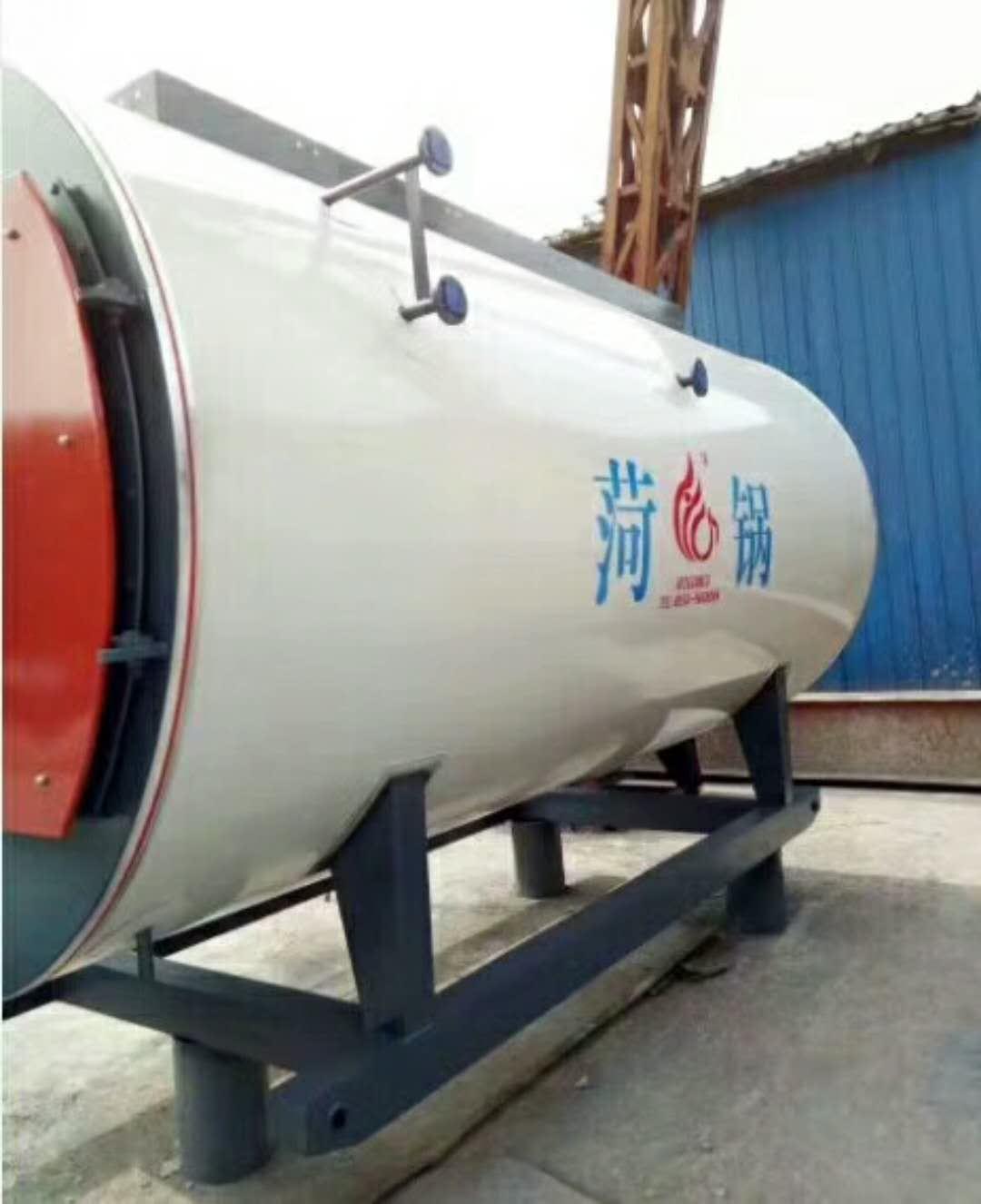

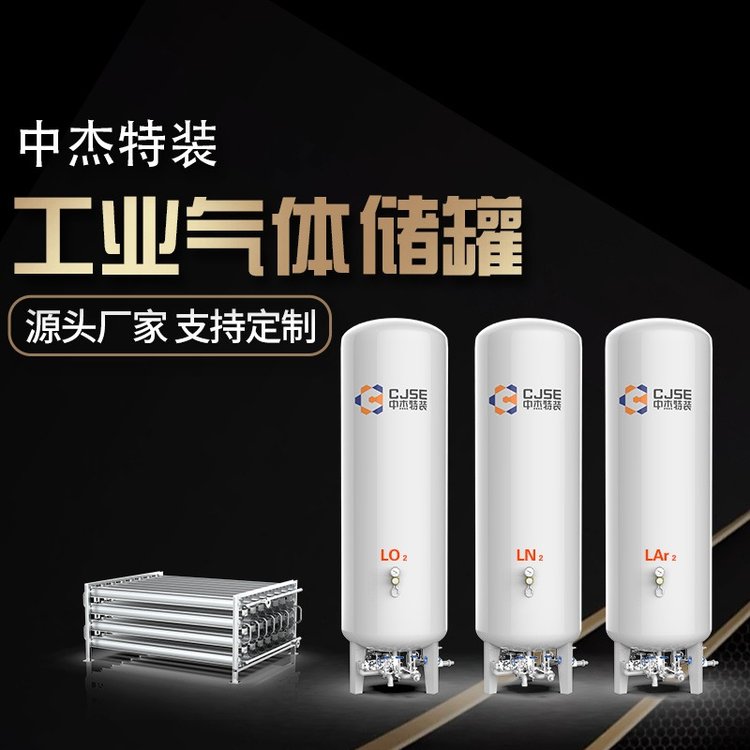
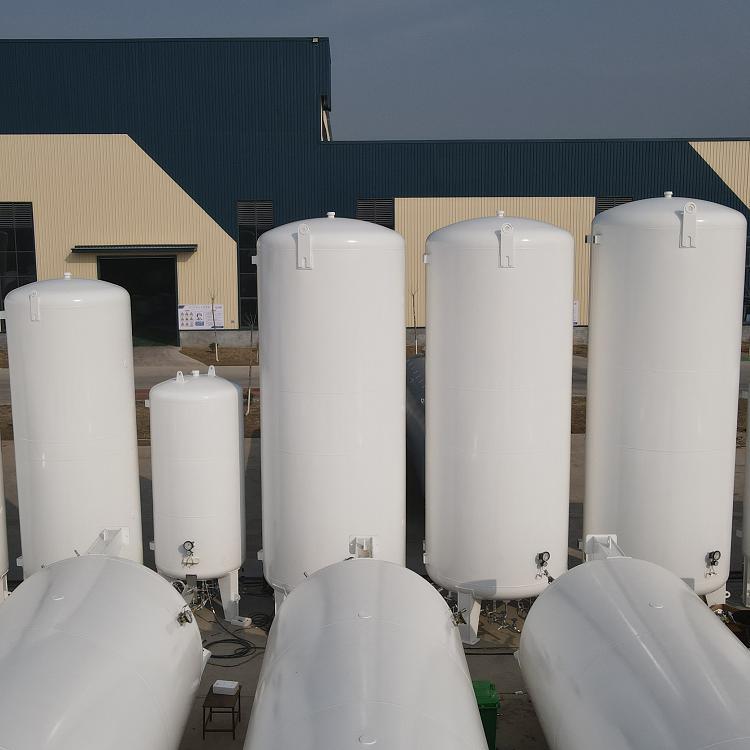


















Shandong Zhongjie Special Equipment's main products include: fuel (gas) boilers, organic heat carrier boilers, biomass boilers, waste heat recovery boilers, and other boiler products; vacuum insulated cryogenic pressure vessels such as LNG tanks, oxygen-nitrogenargon tanks, and CO2 tanks; pressure vessel products like denitrification engineering equipment, heat storage and energy storage equipment, and complete chemical equipment sets; central air conditioning and ventilation equipment such as ground (water) source heat pumps, air source units, water-cooled screw units, and air-cooled modules. Planned products involve large-scale energy centers, LNG transport vehicles, and LNG tank containers, among other green energy equipment.
Dry ice is solidified carbon dioxide gas under high pressure, used as a refrigerant. It has several applications:
1. Food and pharmaceuticals freezing: Dry ice is widely used for the transportation and storage of food and pharmaceuticals. Its low temperature and rapid cooling speed effectively preserve the freshness and quality of food and medicines.
2. Special effects and stage performances: Dry ice is also extensively used in special effects and stage performances. Upon contact with environmental heat, it quickly turns into gas, producing a large amount of white smoke, creating a mysterious and dramatic atmosphere.
3. Cleaning and disinfection: Dry ice can also be used for cleaning and disinfection. When in contact with surfaces, the drop in temperature and the physical impact of the vaporization process can effectively remove dirt, bacteria, and viruses without leaving residues.
4. Laboratories and scientific research: Dry ice is also applied in laboratories and scientific research. It can be used to freeze samples, prepare low-temperature experimental environments, and create cold traps and condensers, among others.
It is important to note that safety must be observed when using dry ice, avoiding direct contact with skin and eyes, and not using it in enclosed spaces to prevent carbon dioxide buildup and oxygen depletion.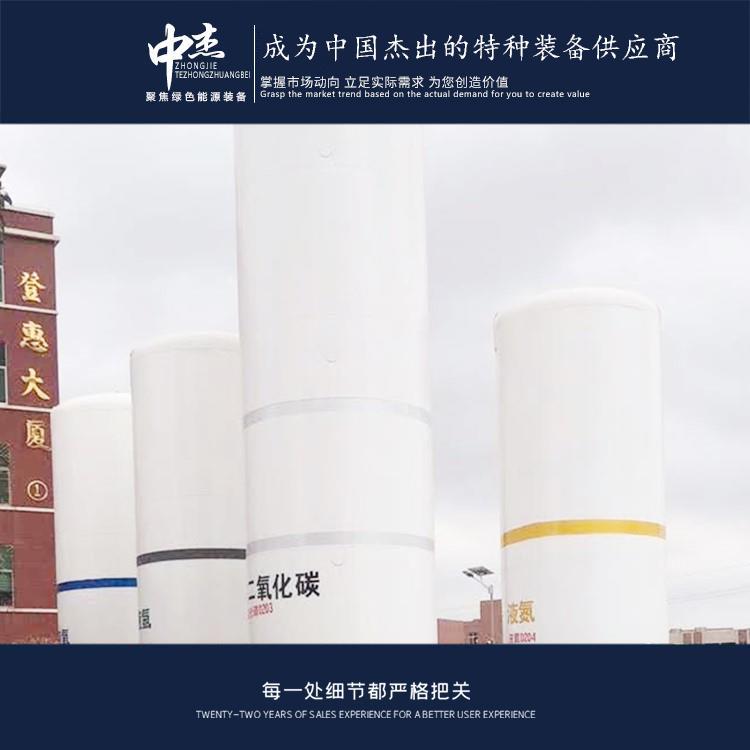
Carbon dioxide tanks possess the following characteristics:
- High-pressure vessel: Carbon dioxide tanks are typically designed as high-pressure vessels capable of withstanding significant pressure. This is due to the fact that carbon dioxide requires high pressure at room temperature to maintain its liquid state.
- High oxidizing potential: Carbon dioxide is highly oxidizing and can support combustion. Therefore, when using and storing carbon dioxide, precautions must be taken to prevent contact to avoid the risk of fire and explosion.
- Low-temperature storage: Carbon dioxide is a gas at room temperature but can be compressed into a liquid at lower temperatures. As such, carbon dioxide tanks usually need to have good insulation properties to maintain the low-temperature liquid state of stored carbon dioxide.
- High density: Liquid carbon dioxide has a high density, allowing for the storage of large amounts of carbon dioxide in a relatively small volume. This makes carbon dioxide tanks useful in scenarios requiring substantial carbon dioxide supplies.
- Safety valve and pressure control: To ensure that the internal pressure of the tank remains within a safe range, carbon dioxide tanks are often equipped with safety valves and pressure control devices. These devices monitor and control the tank's internal pressure to prevent excessive pressure from causing the tank to rupture.
- Corrosiveness: Carbon dioxide has some corrosive properties, especially in high humidity environments. Therefore, the materials and corrosion prevention measures of the tank need to consider the corrosiveness of carbon dioxide to ensure the tank's durability and safety.
These characteristics make carbon dioxide tanks widely applicable in various industries, such as the food and beverage industry, manufacturing, fire suppression, and the gas industry. When using carbon dioxide tanks, it is necessary to follow relevant safety operation procedures and standards to ensure operational safety.
Daily inspections and maintenance of CO2 storage tanks can be conducted in the following steps:
- Visual Inspection: Check for any visible damage, corrosion, or oil leakage signs on the tank's exterior. Pay attention to any abnormalities in the tank shell, valves, and pipe connections.
- Internal Inspection: If access is permitted, perform an internal inspection. Check for corrosion, scaling, or blockages in the lining, valves, and pipes.
- Valve and Pipe Inspection: Verify that the tank's inlet and outlet valves and pipe connections are functioning normally and for any leaks or loose fittings. Ensure valves operate smoothly and reliably.
- Pressure Relief Device Inspection: Check that the tank's pressure relief device (e.g., safety valve) is operating correctly. Confirm that the set pressure of the relief device meets requirements.
- Measurement and Control System Inspection: Ensure that the tank's level, pressure, and temperature measurement and control systems are functioning properly. Calibrate and test the accuracy of measuring equipment.
- Cleaning and Draining: Regularly clean the interior of the tank, removing accumulated impurities and sediment. Also, perform regular draining of the tank's liquid and gas impurities.
- Maintenance and Repair: Perform necessary maintenance and repair work based on inspection results. Repair damaged components, replace worn-out seals, etc., to ensure normal operation of the tank.
- Documentation and Reporting: Record the inspection and maintenance process, including the inspection date, contents, identified issues, and measures taken. Submit inspection reports to relevant departments or management as needed.
These are general steps for daily inspections and maintenance of CO2 storage tanks. Specific operations should be carried out according to the tank's characteristics and requirements. When conducting inspections and maintenance, follow relevant safety operating procedures and have them performed by qualified personnel.
Technical specifications for carbon dioxide storage tanks can be formulated based on different application fields and/or regional standards. The following are some common technical specifications and standards for reference:
ASME Standards: The American Society of Mechanical Engineers (ASME) has issued a series of standards for pressure vessels, including specifications for carbon dioxide storage tanks such as ASME BPVC Section VIII Division 1 and ASME BPVC Section VIII Division 2.
ISO Standards: The International Organization for Standardization (ISO) has published some standards related to pressure vessels, such as ISO 9809-1 and ISO 9809-2, covering design, manufacturing, and inspection requirements for steel gas cylinders.
GB Standards: The China National Standardization Administration has issued a series of standards related to pressure vessels, such as GB 150 "Pressure Vessels" and GB 5099 "Steel Gas Cylinders," which include design, manufacturing, and inspection requirements for carbon dioxide storage tanks.
DOT Standards: The United States Department of Transportation (DOT) has issued some standards related to pressure vessels and cylinders, such as DOT-3AA and DOT-4BA, covering design, manufacturing, and transportation requirements for liquefied gas storage tanks.
EN Standards: The European Committee for Standardization (CEN) has published some standards related to pressure vessels, such as EN 13445 and EN 14382, covering design, manufacturing, and inspection requirements for liquefied gas storage tanks.
Additionally, other industry-specific standards and specifications may apply to carbon dioxide storage tanks based on specific application needs, such as relevant standards in the food and beverage industry, industry-specific standards, etc.
When using carbon dioxide storage tanks, it is essential to select applicable technical specifications based on specific application requirements and local regulatory requirements, and ensure that the design, manufacturing, and use of the tanks comply with the respective standards and specifications.
Shandong Zhongjie Special Equipment, welcome customers to visit our factory for business discussions.
WeChat Official Account

Scan to follow Official Account



















