


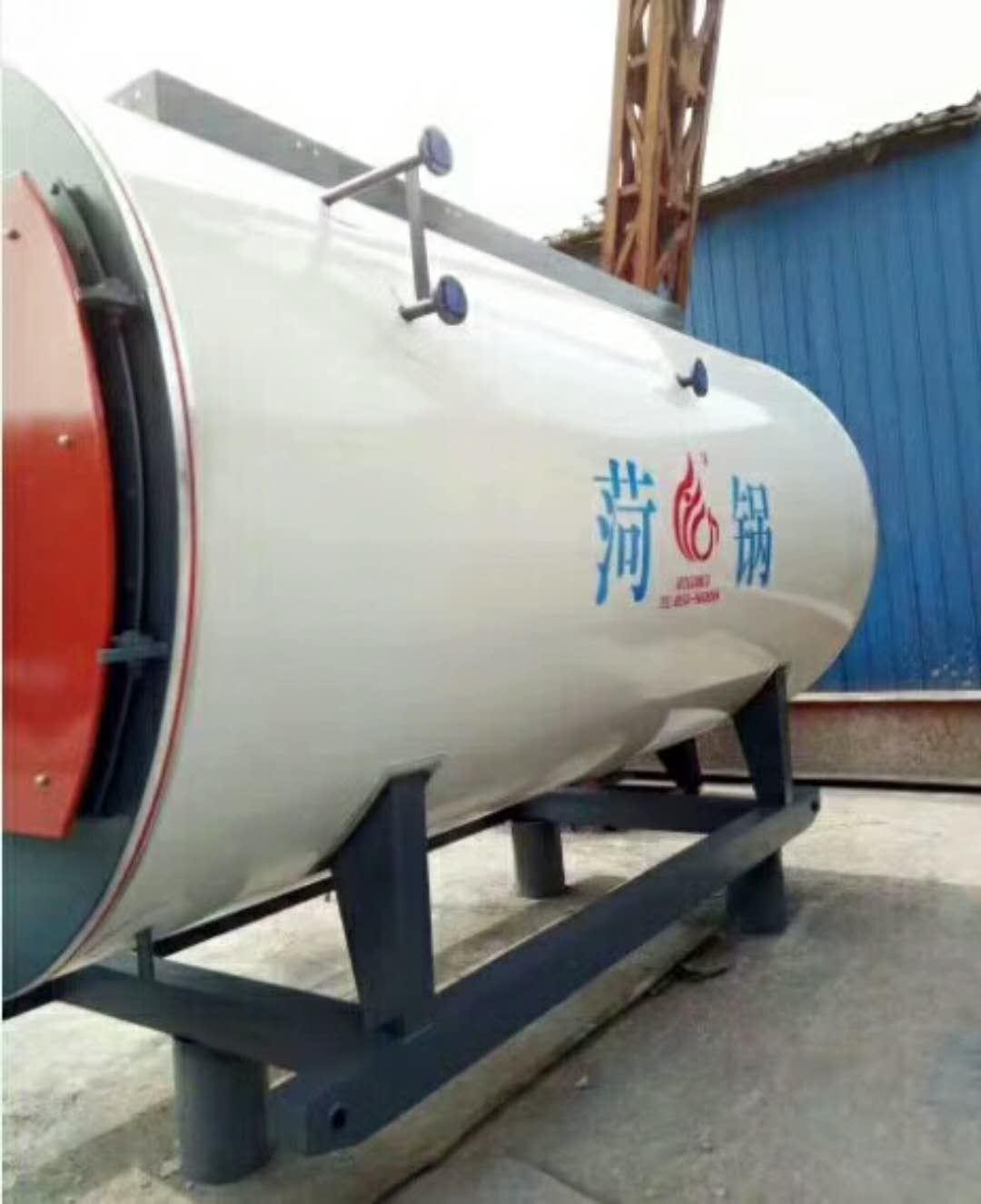

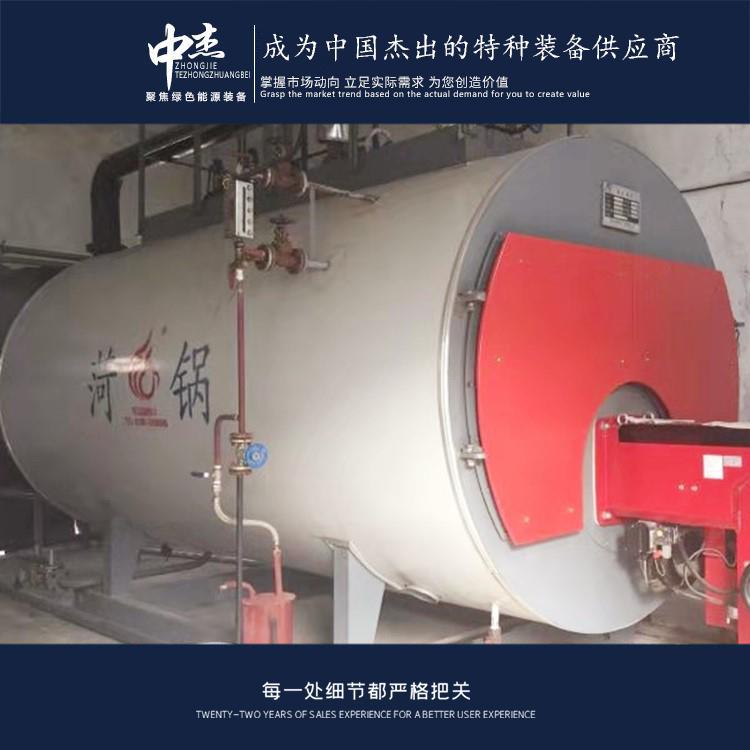
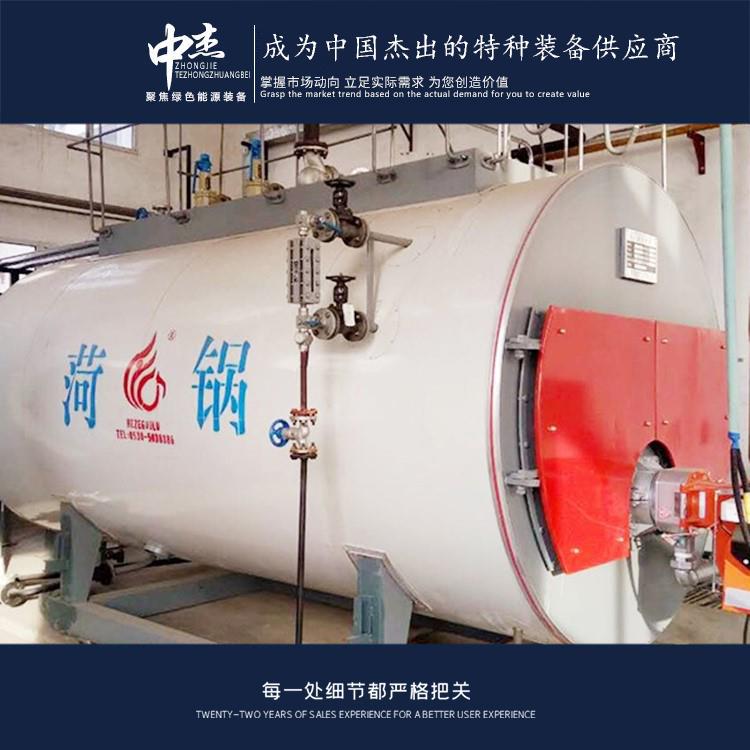


















Shandong Zhongjie Special Equipment's main products include: fuel (gas) boilers, organic heat carrier boilers, biomass boilers, waste heat boilers, and other boiler products; vacuum insulation cryogenic pressure vessels such as LNG tanks, oxygen-nitrogenargon tanks, CO2 tanks; pressure vessel products such as denitrification engineering equipment, heat storage and energy storage equipment, complete chemical equipment; central air conditioning and HVAC equipment like ground (water) source heat pumps, air source units, water-cooled screw units, and air-cooled modular units. Planned products include large-scale energy centers, LNG transport vehicles, LNG tank containers, and other green energy equipment.
For the maintenance of industrial gas-fired boilers, here are some common methods and precautions: Clean the burner: Regularly clean the interior and nozzle of the burner to ensure normal combustion of the gas, and avoid carbon accumulation and blockages. Inspect the gas supply system: Regularly check the gas supply system, including gas pipes, valves, and pressure regulators, to ensure normal gas supply without leaks or blockages. Clean the flue and heat exchanger: Regularly clean the flue and heat exchanger to remove dust and dirt, maintain heat exchange efficiency, and avoid overheating and energy loss. Check water level and pressure: Regularly inspect the boiler's water level and pressure to ensure safe operation within the specified range. Refill water and adjust pressure to avoid issues caused by low or high water levels. Inspect safety devices: Regularly check the boiler's safety devices, including safety valves, pressure switches, and water level controllers, to ensure proper functioning and safe operation. Check the control system: Regularly inspect the boiler's control system, including automatic controllers, sensors, and instruments, to ensure accuracy and reliability, and to detect and repair faults in a timely manner. Regular maintenance: Conduct regular maintenance, including lubricating parts, replacing worn components, and checking electrical connections, to extend the boiler's lifespan and stability. Keep records: Record the boiler's operating parameters, maintenance records, and fault situations to help identify problems and analyze operating conditions. Train operators: Ensure that operators have sufficient
The Zhongjie Modular Heat Transfer Oil Furnace is a common industrial thermal energy equipment featuring the following characteristics: High thermal efficiency: The furnace employs advanced combustion technology and heat exchanger design to effectively transfer the thermal energy generated by fuel combustion to the heat transfer oil, achieving high energy utilization and improving thermal efficiency. Stable and reliable: Made with materials and precise manufacturing processes, this heat transfer oil furnace boasts excellent high-temperature resistance and stable operational status, ensuring long-term stable operation with high reliability. Temperature control: The Zhongjie modular heat transfer oil furnace is equipped with a temperature control system that can monitor and adjust the temperature of the heat transfer oil in real-time, ensuring temperature accuracy and stability in the process. Safety protection: The furnace is equipped with multiple safety protection devices such as overheat protection, pressure protection, and burner fault protection, effectively preventing accidents. Moreover, it utilizes clean combustion technology with minimal emissions, being environmentally friendly. Easy operation: The Zhongjie modular heat transfer oil furnace features an intelligent control system with a user-friendly interface, easy parameter adjustments, and simple operation, reducing the difficulty and labor costs associated with operation. Overall, the Zhongjie Modular Heat Transfer Oil Furnace is characterized by stability, reliability, and efficiency, suitable for many industrial fields such as chemicals, textiles, and food processing, providing users with reliable thermal energy supply and process temperature control.
A condensing gas steam boiler is an energy-saving boiler equipment with the following working principle and features:
Working Principle:
- Steam Generation: The condensing gas steam boiler produces high-temperature flue gas by burning gas. The flue gas exchanges heat with the water pipes inside the boiler, heating the water into steam.
- Steam Condensation: After steam is generated, it enters the condenser where it exchanges heat with the condensing medium (usually cold water or recycled water), releasing heat from the steam and condensing it back into water.
- Flue Gas Reuse: The flue gas after condensation still contains some heat, which can be recovered and reused by the flue gas reuse system to improve the boiler's thermal efficiency.
Features:
- Energy-Saving: The condensing gas steam boiler utilizes the principle of steam condensation to fully utilize the heat in the steam, enhancing the efficiency of heat utilization and saving energy consumption.
- Low Emission: Due to the heat recovery during the flue gas condensation process, the flue gas temperature is lower, resulting in a relatively low emission of pollutants, with minimal environmental impact.
- Compact Structure: The condensing gas steam boiler typically features a compact design, occupying less space, making it suitable for areas with limited space.
- Fast Start-Up: The boiler has the characteristics of quick start-up and shutdown, allowing for flexible adjustment and operation according to actual needs.
- Wide Application Range: Suitable for heating and steam requirements in industrial production processes, such as power plants, chemical factories, textile mills, etc.
- Maintenance: It is important to note that the condensing gas steam boiler requires regular maintenance and care, including cleaning the condenser and flue gas reuse system to ensure proper operation and performance.
When installing a gas boiler unit, the following points should be noted:
Safety: A gas boiler is a device that uses gas as fuel, so safety must be ensured during installation. First, choose an appropriate installation location, away from flammable materials and combustible gases, and ensure good ventilation. Second, install according to relevant safety regulations, including the connection of gas pipes and the installation of gas valves.
Pipe Connection: A gas boiler needs to be connected to the gas pipeline to ensure a smooth gas supply. During the connection process, use suitable pipes and joints to ensure a firm connection and prevent gas leaks. Additionally, conduct a leak test to ensure there are no leaks.
Exhaust Duct: During combustion, gas boilers produce exhaust gases, requiring an appropriate exhaust duct. The exhaust duct must be kept clear to prevent exhaust gases from lingering indoors, posing safety hazards and air pollution.
Electrical Connection: Gas boilers usually require an electrical supply, so electrical connections must be made during installation. Ensure the electrical connections are correct and secure to avoid circuit shorts or other electrical issues.
Water System: Gas boilers typically need to be connected to the water system, including water supply and drainage pipes. During the connection process, ensure the water pipes are securely connected to prevent leaks or unstable water pressure.
Commissioning and Testing: After installation, commissioning and testing of the gas boiler should be carried out. This includes ignition testing, combustion effect testing, and temperature control testing to ensure the boiler operates normally and is safe and reliable.
It is recommended to follow relevant installation specifications and requirements when installing a gas boiler unit. If you do not possess the necessary technical knowledge, it is best to have a qualified installer perform the operation to ensure a safe and reliable installation process.
Our company attaches great importance to technological innovation and R&D design. We have one municipal-level enterprise technology center in Heze City, equipped with testing facilities such as non-destructive testing, physical and chemical testing, welding testing, hydrostatic testing, and more. We have over 600 types of equipment, including CNC machine tools, X-ray flaw detectors, digital ultrasonic flaw detectors, mechanical property testing machines, chemical analyzers, spectrometers, tensile testing machines, plasma welding machines, and others. The key products we have developed, such as temperature-pressure vessel welding, biomass boiler emission reduction, and waste heat utilization, have successively been selected for multiple Shandong Provincial Department of Industry and Information Technology science and technology innovation projects, key projects in Shandong Province, and Heze City innovation and excellence projects. We have accumulated a total of 27 authorized utility models, 16 authorized inventions, participated in drafting 2 standards, 2 industrial standards, and registered 15 trademarks. Our technical team, in collaboration with Professor Li Yajiang of Shandong University, has developed deep cryogenic vessel processing technology using the international plasma arc + filler wire argon arc combination welding (PAW-GTAW) technology. The provincial-level scientific and technological achievement evaluation has determined that the technology level in deep cryogenic vessel manufacturing has reached international standards.
Choose ZJET's premium outfit, let's join hands to create brilliance!
WeChat Official Account

Scan to follow Official Account



















