


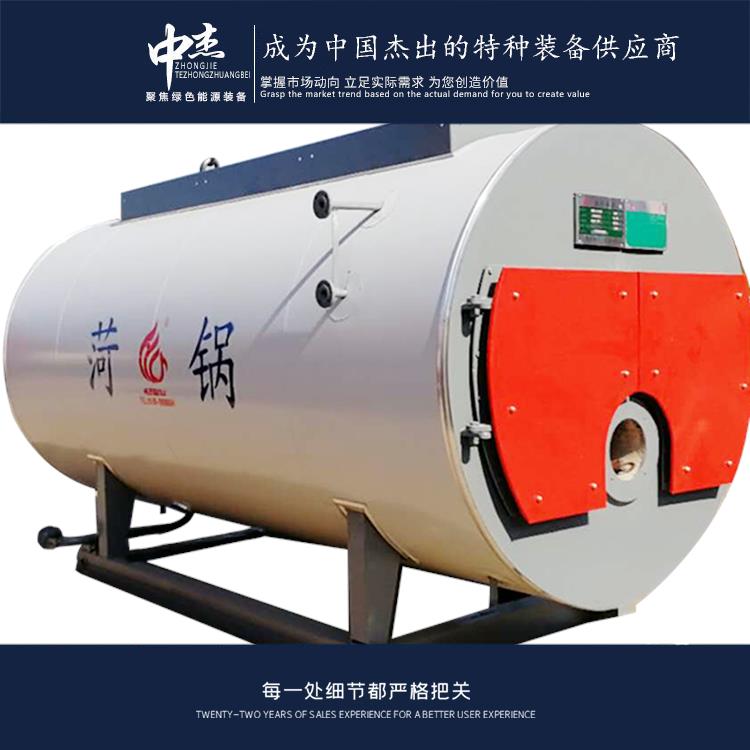

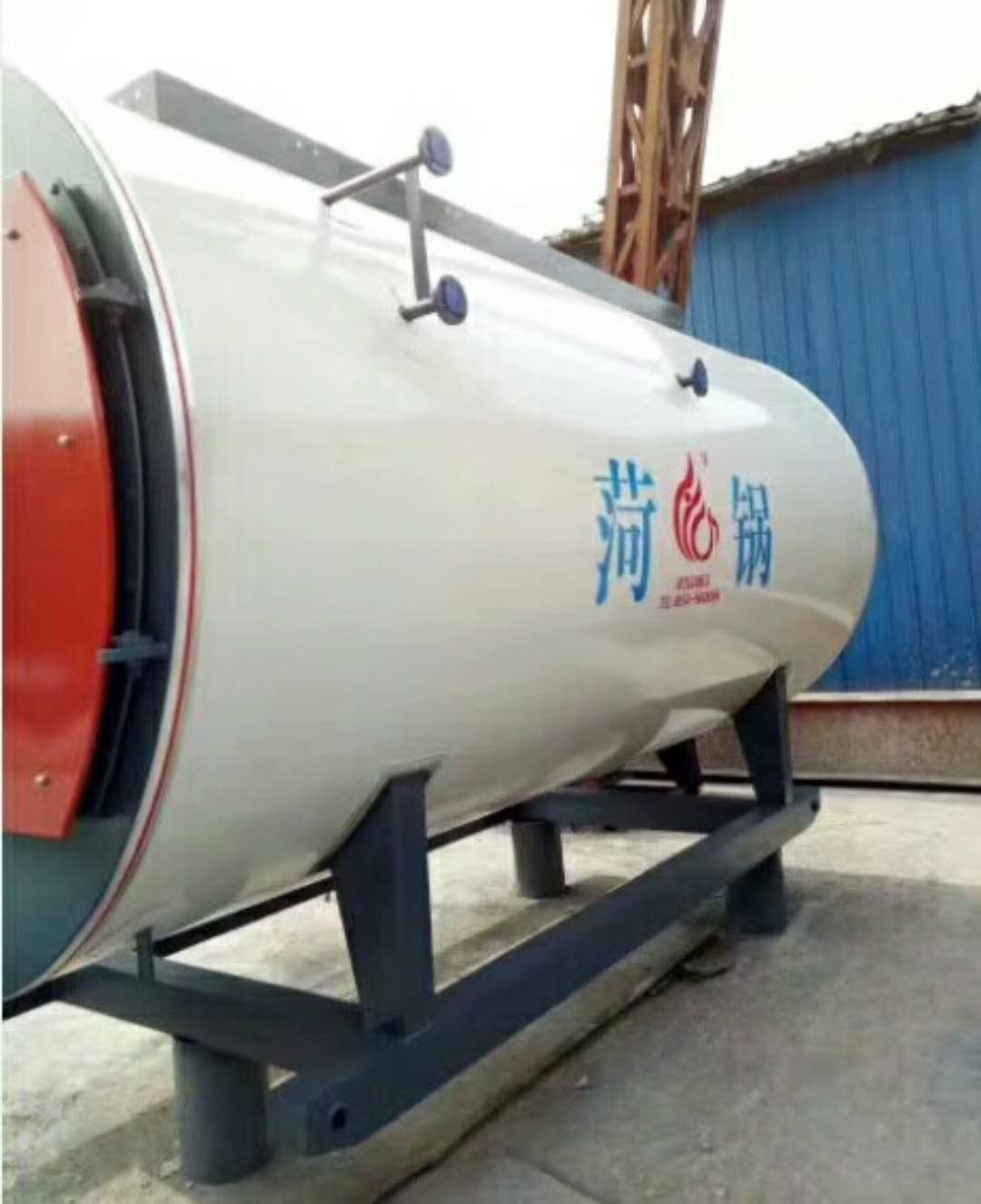
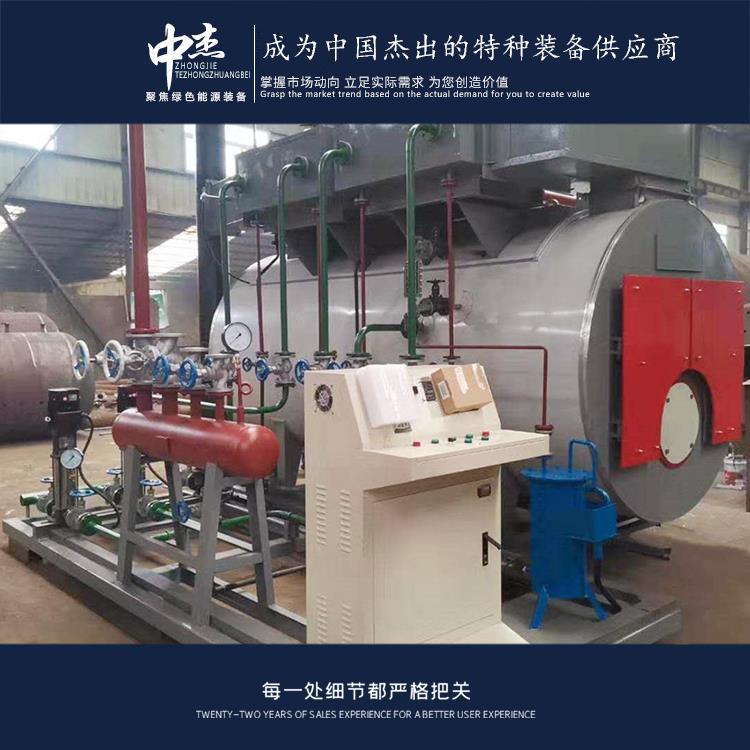


















Shandong Zhongjie Special Equipment (formerly Heze Boiler Factory Co., Ltd.) was established in 2001, located at No. 2218 Jinnan Road, Development Zone, Heze City, with a registered capital of 50 million yuan and total assets of 500 million yuan. The company has 7 business centers: boilers, deep-freeze containers, pressure vessels, central air conditioning, engineering installation, international trade, and the Internet of Things. It has three factory sites on Jinnan Road, East Changjiang Road, and Bohai Road, covering a total of 200,000 square meters. The main workshop is 83,000 square meters. There are currently 710 employees, including 247 engineering and technical personnel and 82 intermediate-level technicians. In December 2016, it was recognized as a "High-Tech Enterprise" by the Science and Technology Department. In June 2021, it was identified as a "Specialized and New Enterprise in Shandong Province" by the Department of Industry and Information Technology. In June 2022, it was recognized as a "Gazelle Enterprise in Shandong Province" and in August 2022, it was identified as a "Specialized and New Small Giant Enterprise" by the Ministry of Industry and Information Technology.
When selecting a thermal oil heater for the rubber industry, pay attention to the following aspects:
- Temperature Requirements: Determine the required operating temperature range based on the process needs of the rubber industry. Ensure the heater can consistently provide the necessary operating temperature.
- Heat Load: Calculate the required heat load based on the production scale and process requirements of the rubber industry. Ensure the heater's heat load meets the industry's needs.
- Thermal Efficiency: The thermal efficiency of the thermal oil heater directly impacts energy consumption and operating costs. Consider the heater's efficiency and opt for energy-saving models.
- Safety: The safety of the thermal oil heater is crucial. Choose one with comprehensive safety protection devices and an automatic control system to ensure safe and reliable operation.
- Maintenance: Proper maintenance is vital for extending the heater's lifespan and ensuring smooth operation. Consider the ease and cost of maintenance when selecting a heater.
- Manufacturer's Reputation: Choose a manufacturer with a good reputation and extensive experience to ensure reliable product quality and after-sales service.
- Cost-Effectiveness: Consider the price, energy consumption, and maintenance costs of the thermal oil heater to select a product with good cost-effectiveness.
- Consultation: When purchasing a thermal oil heater, it is recommended to consult with heating equipment suppliers or engineers, make selections based on specific requirements, and adhere to relevant industry standards and regulations.
For the maintenance of industrial gas boilers, here are some common methods and precautions:
* Clean the burner: Regularly clean the interior and nozzle of the burner to ensure normal combustion of gas, preventing carbon accumulation and blockages.
* Inspect the gas supply system: Regularly check the gas supply system, including pipelines, valves, and pressure regulators, to ensure normal gas supply, no leaks, or blockages.
* Clean the flue and heat exchanger: Regularly clean the flue and heat exchanger to remove dust and debris, maintaining heat exchange efficiency, and avoiding overheating and energy loss.
* Check water level and pressure: Regularly inspect the boiler's water level and pressure to ensure safe operation within the specified range. Top up water and adjust pressure to avoid issues caused by low or high water levels.
* Inspect safety devices: Regularly check the boiler's safety devices, including safety valves, pressure switches, and water level controllers, to ensure they are functioning properly and ensuring safe operation.
* Check the control system: Regularly inspect the boiler's control system, including automatic controllers, sensors, and instruments, to ensure accuracy and reliability, and to detect and repair faults promptly.
* Scheduled maintenance: Perform regular maintenance, including lubricating parts, replacing worn components, and checking electrical connections, to extend the boiler's lifespan and stability.
* Keep records: Document the boiler's operating parameters, maintenance records, and fault situations to help identify problems and analyze operational conditions.
* Train operators: Ensure operators have sufficient
A gas thermal oil boiler is a device that uses gas as fuel to heat thermal oil through the heat energy produced by combustion. Here are some basic facts about gas thermal oil boilers:
Operating Principle: The working principle of a gas thermal oil boiler involves mixing gas with air, burning it to produce high-temperature flue gas. This flue gas is then passed through the flue and heat exchanger to exchange heat with the thermal oil, transferring the heat energy to the oil and raising its temperature. The thermal oil circulates within the boiler, transferring heat energy to the equipment or process that requires heating.
Thermal Oil: The thermal oil used in gas thermal oil boilers is typically an organic heat carrier, such as mineral oil or synthetic oil. It has high thermal conductivity and stability, allowing it to operate stably at high temperatures and transfer heat energy to the heated equipment.
Gas Combustion System: Gas thermal oil boilers are equipped with a gas combustion system, including burners, gas supply systems, and control systems. The burners are responsible for mixing gas with air and burning it to produce heat energy. The gas supply system provides the gas and adjusts the gas supply as needed. The control system monitors and controls the combustion process to maintain a stable operating state.
Safety Protection Devices: Gas thermal oil boilers are equipped with various safety protection devices to ensure safe operation of the equipment. Common safety protection devices include overheat protection, overpressure protection, and water level protection. They monitor and control the boiler's operating status to prevent equipment damage and safety accidents.
Application Fields: Gas thermal oil boilers are widely used in industrial sectors such as chemicals, textiles, food processing, and papermaking. They can provide stable high temperatures for various applications.
Excessive exhaust gas temperature in a thermal oil boiler may be caused by several factors:
Incomplete combustion: During the combustion process of a thermal oil boiler, if the fuel is not burned completely, it leads to a high concentration of unburned fuel and harmful substances in the flue gas, thereby increasing the exhaust gas temperature. Possible reasons include insufficient fuel supply, improper adjustment of the burner, and burner wear.
Excess air: Excessive air can lower the combustion temperature, making the heat in the flue gas insufficient to reduce the flue gas temperature to a reasonable level. Reasons for excess air may include improper burner adjustment and excessively open air doors.
Choked flue: The accumulation of ash, slagging, or other impurities in the flue can obstruct the flow of flue gas, increasing the residence time of the flue gas and consequently raising the exhaust gas temperature.
Abnormal thermal oil flow: Abnormal thermal oil flow, such as being too high or too low, can lead to uneven heat transfer, causing the flue gas temperature to rise.
Boiler overheating: If the temperature control of the thermal oil boiler is not properly managed, resulting in overheating, it can increase the flue gas temperature.
Boiler design issues: Issues with the boiler design, such as a narrow flue or poor flue gas flow, may also lead to excessively high exhaust gas temperatures.
To address the issue of excessive exhaust gas temperature, a comprehensive inspection and analysis of the thermal oil boiler is required. Solutions may include adjusting burner parameters, cleaning the flue, checking thermal oil flow and temperature control. In severe cases, modifications or repairs to the boiler system may be necessary. Additionally, regular maintenance and inspections are crucial measures to prevent excessive exhaust gas temperature.
Zhejiang ZheJie Special Equipment Co., Ltd. adheres to the great vision of "Realizing employees' dreams, creating value for customers, and striving for the prosperity and strength of our motherland," and is dedicated to the development of green energy equipment. We commit to society with high-value products and services!
WeChat Official Account

Scan to follow Official Account



















