


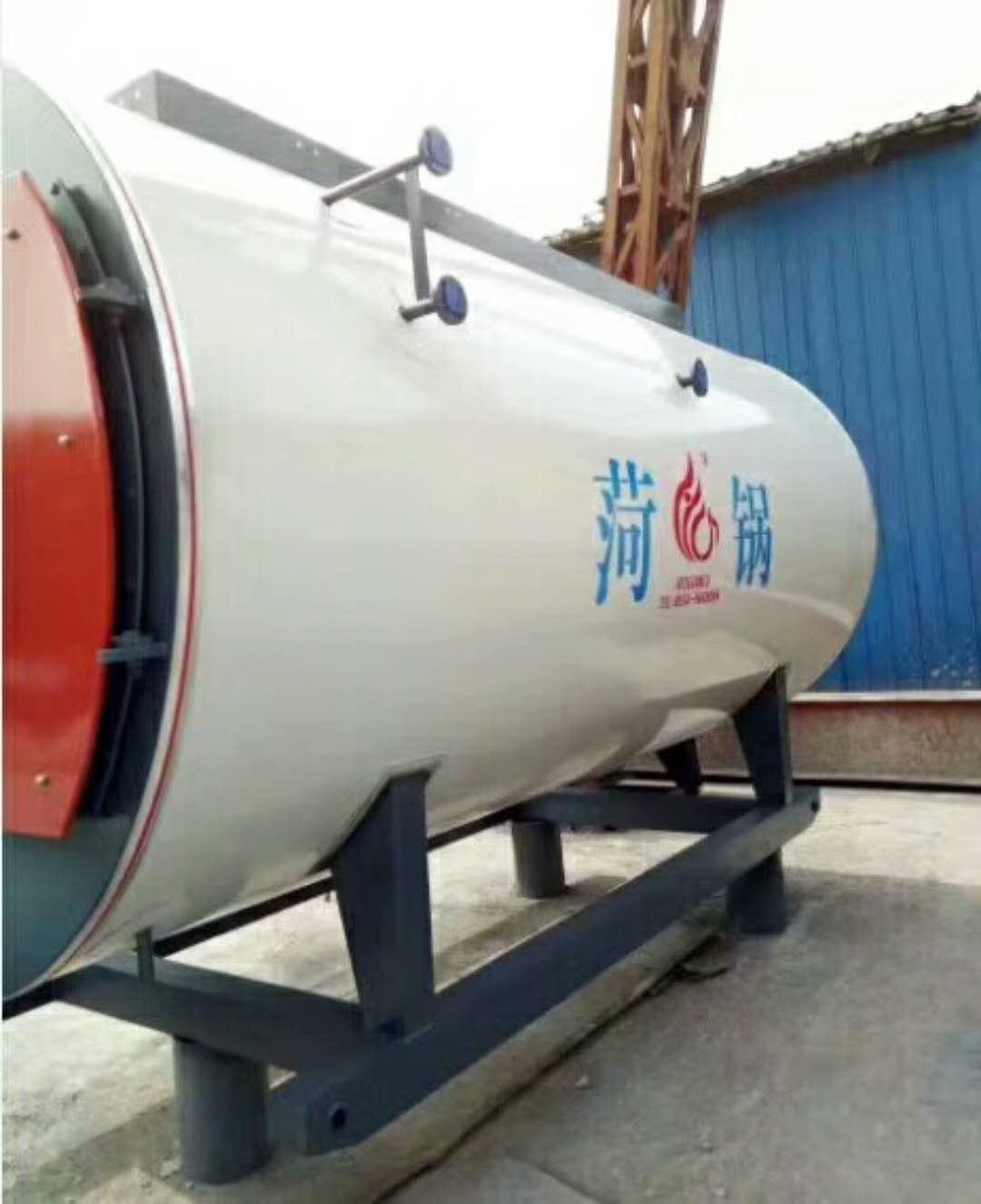

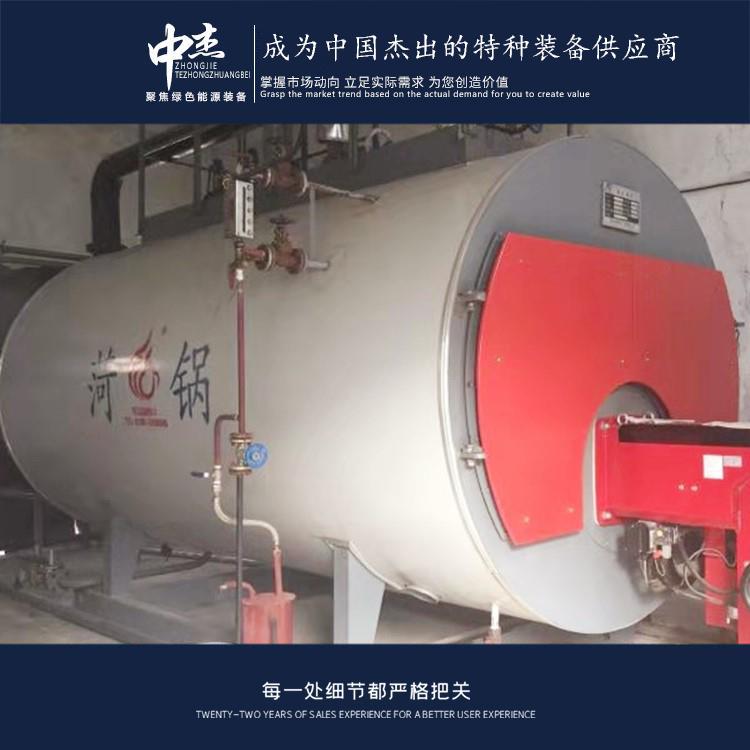
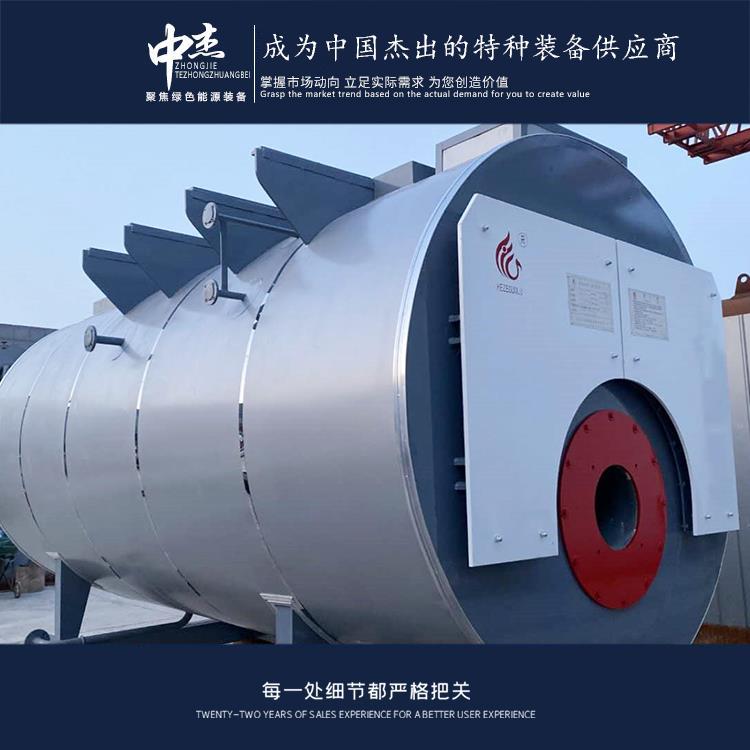


















Shandong Zhongjie Special Equipment (formerly Heze Boiler Factory Co., Ltd.) holds an A-grade boiler manufacturing license, A2-grade pressure vessel manufacturing license, A2-grade pressure vessel design license, B-grade boiler installation and GB2, GC2 class pressure pipeline installation licenses, as well as equipment and machinery installation contracting qualifications. It is a member of the China Boiler and Water Treatment Association, the China Chemical Equipment Association, and the director unit of the Shandong Equipment Manufacturing Association. The company has also passed certifications for the ISO9001 Quality Management System, ISO14001 Environmental Management System, OHSAS18001 Occupational Health and Safety Management System, and the American ASME/U2 certification.
If a gas boiler gas leak is detected, the following measures must be taken immediately to handle the situation:
1. Immediately shut off the gas supply: First, quickly close the gas supply valve to cut off the gas supply. This prevents further leakage and reduces safety risks.
2. Ventilate the area: Open windows and doors to ensure proper indoor air circulation and expel any remaining gas. This helps lower the indoor gas concentration, reducing the risk of explosion and poisoning.
3. Avoid open flames and electrical appliances: In the event of a gas leak, avoid using open flames and electrical equipment to prevent fires or sparks that could cause an explosion.
4. Do not operate electrical switches: Do not operate electrical switches, including lights, TVs, computers, etc., to prevent sparks that could lead to accidents.
5. Contact the gas company or personnel: Promptly contact the local gas company or personnel to report the gas leak and request their inspection and handling.
6. Do not use a phone or make calls: In case of suspected gas leaks, do not use a phone or make calls to prevent static electricity from causing an explosion.
7. Keep away from the leak area: Keep a safe distance from the leak area to ensure personal safety. Do not approach the gas boiler or the leak point to avoid injury.
Remember, handling a gas boiler gas leak is a dangerous task that requires caution. It is best handled by professionals to ensure safety.
Excessive exhaust gas temperature in a thermal oil boiler may be due to several reasons: Incomplete combustion: If the fuel is not fully combusted during the boiler's combustion process, it leads to a high concentration of unburned fuel and harmful substances in the flue gas, causing the exhaust gas temperature to rise. Possible causes include insufficient fuel supply, improper adjustment of the burner, and burner wear. Excessive air: Excessive air can lower the combustion temperature, making the heat in the flue gas insufficient to reduce the flue gas temperature to a reasonable level. Possible causes include improper burner adjustment and excessively open air doors. Flue blockage: Accumulated ash, slag, or other impurities in the flue can obstruct flue gas flow, increasing the flue gas residence time and raising the exhaust gas temperature. Abnormal thermal oil flow: Abnormal thermal oil flow, either too high or too low, can lead to uneven heat transfer, causing the flue gas temperature to rise. Boiler overheating: Improper temperature control in the thermal oil boiler can cause overheating, increasing the exhaust gas temperature. Design issues: Design problems, such as a small flue or poor flue gas flow, may also result in high exhaust gas temperature. To address the issue of high exhaust gas temperature, a comprehensive inspection and analysis of the thermal oil boiler is required. Solutions may include adjusting burner parameters, cleaning the flue, checking thermal oil flow and temperature control. In severe cases, boiler system modification or repair may be necessary. Additionally, regular maintenance and inspections are crucial preventive measures against high exhaust gas temperature.
Common faults of gas boiler burners and their solutions are as follows:
1. No flame or unstable flame: Check if the gas supply is normal and ensure the gas valve is open. Clean the burner nozzle to ensure the passage is clear. Inspect the ignition electrode for cleanliness, carbon buildup, or dirt. Adjust the gas-to-air ratio to ensure the correct mixture.
2. Incomplete combustion or black smoke: Check if the gas supply is sufficient and adjust the gas pressure. Clean the burner nozzle and combustion chamber to ensure the passage is clear. Adjust the gas-to-air ratio to ensure the correct mixture. Check for carbon buildup or dirt in the burner and clean or replace damaged parts.
3. Difficulty or failure to ignite: Inspect the ignition electrode for cleanliness, carbon buildup, or dirt. Adjust the position and gap of the ignition electrode to ensure normal spark generation. Check if the ignition transformer or controller is functioning properly, repair or replace damaged parts.
4. Abnormal noise from the burner: Check if the gas supply is normal and ensure the gas valve is open. Inspect the burner and combustion chamber for loose parts, tighten or replace damaged parts. Clean the burner and combustion chamber to ensure no carbon buildup or dirt.
If the above methods do not solve the problem, it is recommended to contact a gas boiler maintenance technician for inspection and maintenance. Also, to ensure safety, follow the relevant safety operating procedures when using a gas boiler.
Safety requirements for steam boiler valves mainly include the following aspects: Valve Selection: Choose the appropriate type and specification of valves for steam boilers. Valves must comply with relevant standards and specifications, and possess characteristics such as high-temperature resistance, pressure resistance, and corrosion resistance. Valve Installation: Valves should be properly installed in the corresponding positions of the steam boiler. During installation, ensure that the connections are secure, the seals are reliable, and leaks and loose fittings are prevented. Valve Operation: The operation of valves should be convenient, flexible, and capable of accurately controlling steam flow and pressure. The operating handle or device should indicate the opening and closing directions of the valve, as well as the corresponding operating methods. Valve Sealing: The sealing performance of valves is crucial. Valves should have good sealing properties to prevent steam leakage and energy loss. The sealing surfaces should be flat and smooth, and capable of withstanding high temperatures and wear. Valve Maintenance: Regularly inspect and maintain valves to ensure their normal operation and safety performance. This includes cleaning valves, inspecting sealing surfaces, lubricating moving parts, and promptly repairing or replacing damaged components. Safety Valve: A safety valve must be installed on the steam boiler to protect its safe operation. The safety valve must comply with relevant standards and specifications and be capable of automatically opening to release over-pressurized steam when exceeding the set pressure, preventing boiler explosions. Valve Identification: Valves should be marked with their type, specification, working pressure, and flow rate information. This aids operators in correctly identifying and operating valves, avoiding incorrect operations and accidents. It should be noted that the above safety requirements are general guidelines; specific safety requirements must be determined based on the type, scale, and operating environment of the steam boiler. When using valves, follow relevant laws, regulations, and safety operation procedures to ensure safe and effective valve operation and control.
Shandong Zhongjie Special Equipment, welcome customers to our factory for business discussions.
WeChat Official Account

Scan to follow Official Account



















