


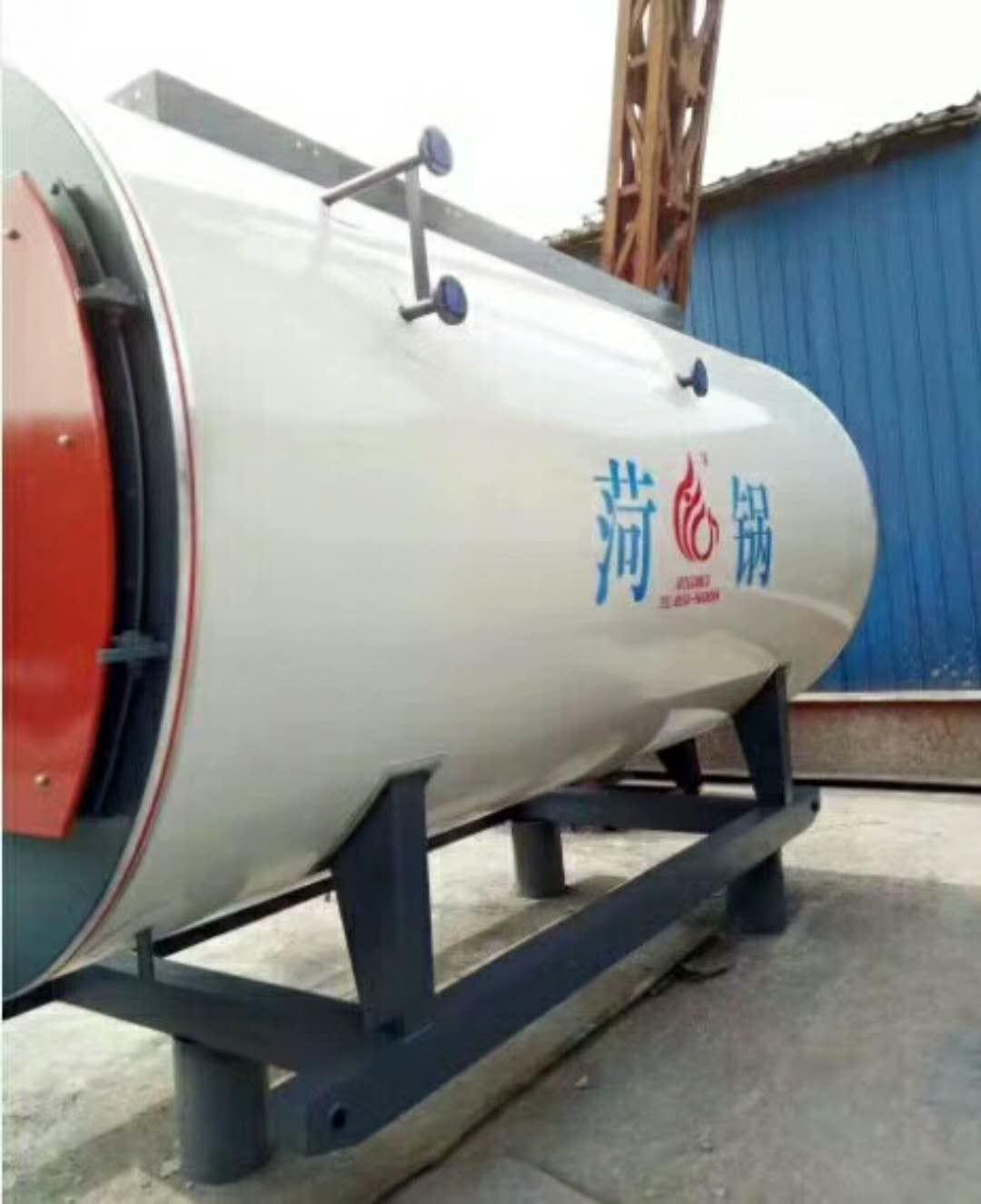

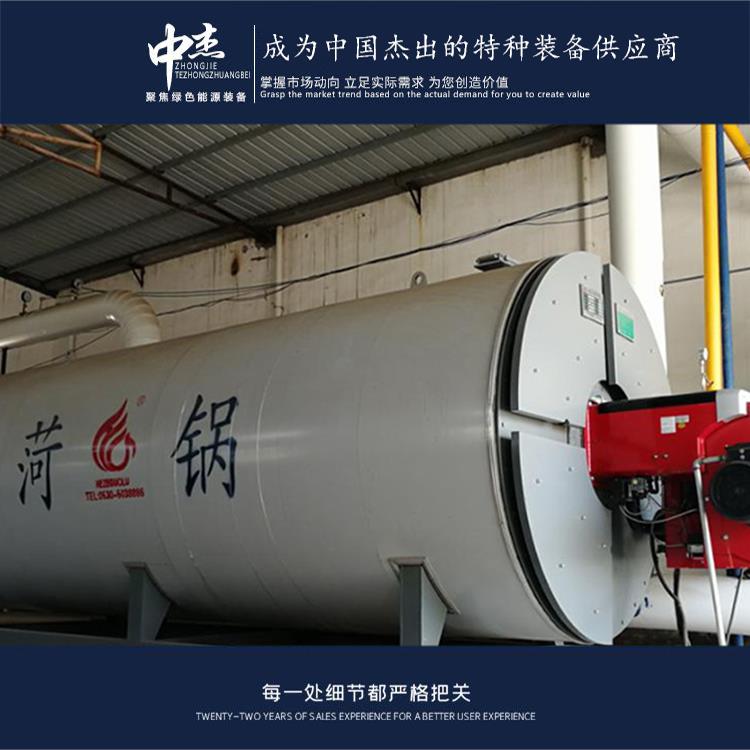
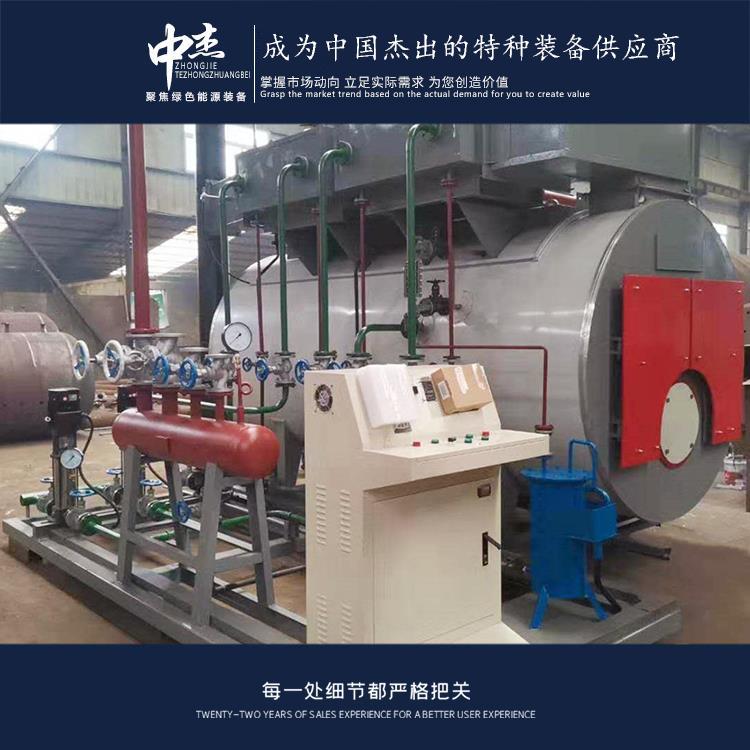


















Shandong Zhongjie Special Equipment's main products include: fuel (gas) boilers, organic heat carrier boilers, biomass boilers, waste heat boilers, and other boiler products; vacuum insulation cryogenic pressure vessels such as LNG tanks, oxygen/nitrogen/argon tanks, CO2 tanks; pressure vessel products such as denitrification engineering equipment, heat storage and energy storage equipment, complete chemical equipment sets; central air conditioning and ventilation equipment such as ground (water) source heat pumps, air source units, water-cooled screw units, and air-cooled modular units. Planned products include large-scale thermal energy centers, LNG transport vehicles, LNG tank containers, and other green energy equipment.
The importance of energy-saving in steam boilers can be attributed to the following main reasons: Energy Costs: Steam boilers typically use fuels (such as coal, gas, oil, etc.) to produce steam, with energy costs forming a significant portion of the boiler's operational expenses. Energy-saving measures can reduce energy consumption and lower costs. Environmental Protection: The combustion process of steam boilers generates exhaust gases and dust, causing environmental pollution. Energy-saving can decrease fuel consumption and reduce emissions, positively impacting environmental protection. Sustainable Development: Energy-saving is a crucial aspect of sustainable development. By reducing energy consumption and extending the boiler's lifespan, resources can be conserved and waste minimized, achieving sustainable development. To promote energy-saving, the following measures can be taken: Improving Boiler Thermal Efficiency: By enhancing the boiler's combustion system, optimizing combustion parameters, and increasing heat exchange efficiency, the boiler's thermal efficiency can be raised, reducing energy waste. Heat Recovery Utilization: Using waste heat recovery systems, the excess heat in the flue gas emitted by the boiler can be recovered and utilized for heating water or other processes requiring heat, improving energy utilization efficiency. Application of Energy-Saving Equipment: The use of energy-saving equipment, such as variable-frequency drives, energy-saving burners, and heat pumps, can lower energy consumption and enhance boiler performance.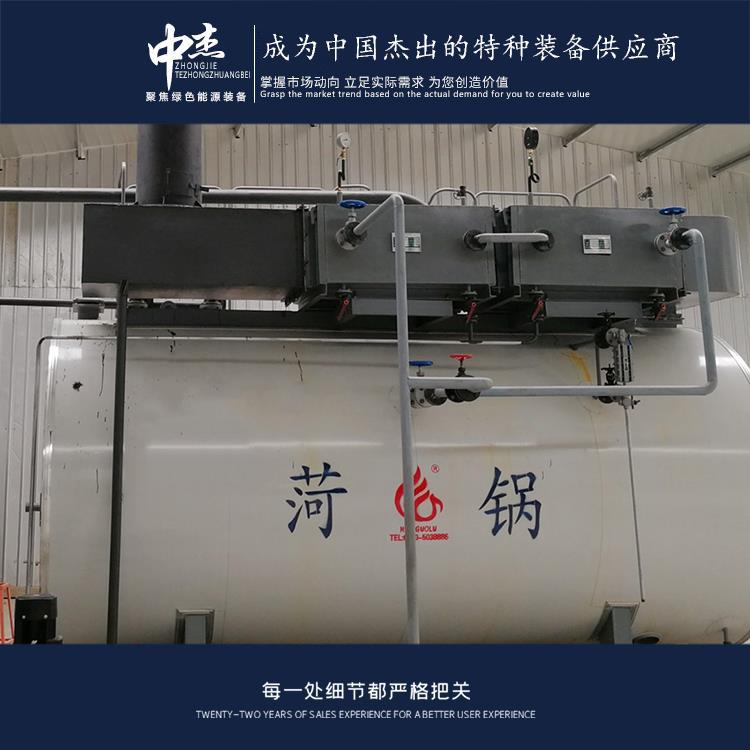
In textile processing factories, common types of boilers include the following:
- Steam Boilers: Steam boilers are one of the most commonly used types of boilers in textile processing plants. They produce high-pressure, high-temperature steam, which is used for heat treatment, dyeing, boiling, and other processes in the textile manufacturing process. Steam boilers offer advantages such as rapid heating, high efficiency, and good stability.
- Hot Water Boilers: Hot water boilers are suitable for low-temperature textile processing techniques, such as washing and drying. They provide a stable supply of hot water with high temperature control accuracy and low energy consumption.
- Hot Air Furnaces: Hot air furnaces are used for drying processes in textile processing. They transfer heat energy to textiles through the hot air produced by combustion, achieving rapid drying. Hot air furnaces have the advantages of fast heating and high thermal efficiency.
When selecting the appropriate boiler type for a textile processing plant, consider the following factors:
- Processing Requirements: Determine the required heat medium (steam, hot water, hot air) and parameters such as working temperature and pressure based on the specific processing requirements of the textile factory.
- Energy Costs and Efficiency: Consider the energy consumption and efficiency of different boiler types and choose one that meets processing needs and has high energy utilization efficiency.
- Environmental Requirements: Pay attention to the emission standards and environmental performance of the boilers and select the appropriate boiler type.
Safety requirements for steam boiler valves mainly include the following aspects: Valve Selection: Choose the appropriate type and specification of valves for steam boilers. Valves should comply with relevant standards and specifications, and possess characteristics such as high-temperature resistance, pressure resistance, and corrosion resistance. Valve Installation: Install valves correctly at the corresponding positions on the steam boiler. Ensure that the connections are secure and the seals are reliable to prevent leaks and loose fittings. Valve Operation: The operation of valves should be convenient, flexible, and capable of accurately controlling steam flow and pressure. The handle or device should indicate the opening and closing direction of the valve, as well as the corresponding operation method. Valve Sealing: The sealing performance of valves is crucial. Valves should have good sealing properties to prevent steam leakage and energy loss. The sealing surface should be flat, smooth, and able to withstand high temperatures and wear. Valve Maintenance: Regularly inspect and maintain valves to ensure their normal operation and safety performance. This includes cleaning valves, inspecting sealing surfaces, lubricating moving parts, and promptly repairing or replacing damaged components. Safety Valve: A safety valve must be installed on steam boilers to protect the safe operation of the boiler. The safety valve should comply with relevant standards and specifications and be capable of opening automatically at pressures exceeding the set limit to release over-pressurized steam, preventing boiler explosions. Valve Labeling: Valves should be labeled with information such as type, specification, working pressure, and flow. This helps operators correctly identify and operate valves, avoiding incorrect operations and accidents. It should be noted that the above safety requirements are general guidelines; specific safety requirements must be determined based on the type, scale, and operating environment of the steam boiler. When using valves, follow relevant laws, regulations, and safety operation procedures to ensure the safe operation and effective control of valves.
The key to maintaining a hot water boiler is to perform regular maintenance and inspections. Here are some common maintenance steps and precautions:
- Clean the burner and flue: Regularly clean the burner and flue to remove accumulated ash and dirt, maintaining combustion and heat exchange efficiency. Use cleaning tools and equipment as per the operation manual.
- Check water level and pressure: Regularly inspect the water level and pressure of the hot water boiler to ensure safe operation within the specified range. Refill water and adjust pressure to avoid issues caused by low or high water levels.
- Check water quality: Conduct regular water quality tests to examine hardness, alkalinity, and oxygen content. Take appropriate water treatment measures based on test results, such as descaling and replenishing missing chemicals, to prevent scale and corrosion damage to the boiler.
- Inspect safety devices: Regularly check the safety devices of the hot water boiler, including safety valves, pressure switches, and water level controllers, to ensure they are functioning properly and to ensure safe boiler operation.
- Check the electrical system: Regularly inspect the boiler's electrical system, including power connections, controllers, and sensors, to ensure proper operation of electrical equipment and to avoid electrical failures.
- Regularly drain: Regularly drain waste water and impurities from the boiler to avoid their impact on the boiler. Develop a reasonable drainage plan based on the boiler's usage and water quality conditions.
- Keep records and monitor: Record the boiler's operating parameters, maintenance records, and fault situations, and regularly monitor and analyze them to identify and address issues promptly.
- Train operators: Ensure that operators are adequately trained.
Our company highly values technological innovation and R&D design. We possess 1 municipal-level enterprise technology center in Heze City, equipped with non-destructive testing, physical and chemical testing, welding testing, hydrostatic testing, and other testing facilities. We have over 600 various equipment and instruments, including CNC machine tools, X-ray flaw detectors, digital ultrasonic flaw detectors, mechanical property testing machines, chemical analyzers, spectrometers, tensile testing machines, plasma welding machines, etc. Our key products and technologies, such as thermal pressure vessel welding, biomass boiler emission reduction, and waste heat utilization, have successively been selected for multiple Shandong Provincial Department of Industry and Information Technology innovation projects, Shandong Provincial key projects, and Heze City innovation and excellence projects. We have accumulated 27 authorized utility models, 16 authorized inventions, participated in drafting 2 standards, 2 industry standards, and registered 15 trademarks. Our technical team, in collaboration with Professor Yajiang Li from Shandong University, has developed deep cryogenic vessel processing technology using the internationally recognized plasma arc + wire filling tungsten inert gas arc (PAW-GTAW) welding technique. The provincial-level scientific and technological achievement identification has confirmed that our technology level in deep cryogenic vessel manufacturing has reached an international standard.
Choose ZJET's customized solutions, let's create brilliance together!
WeChat Official Account

Scan to follow Official Account



















