


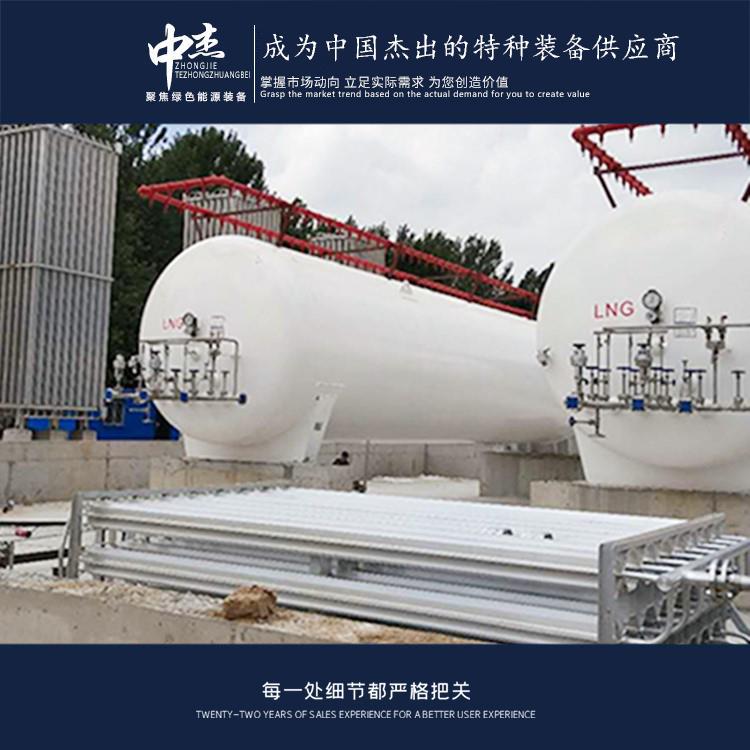

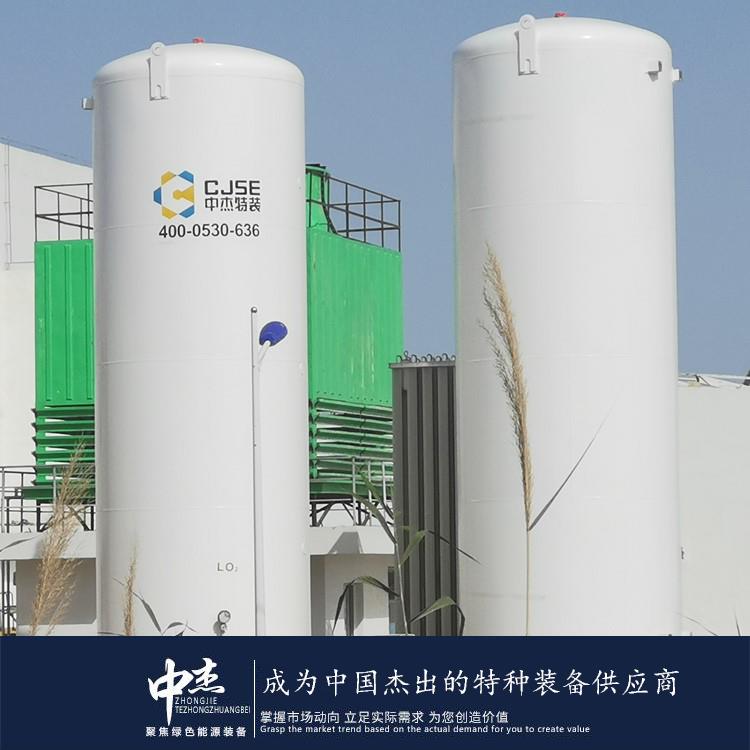
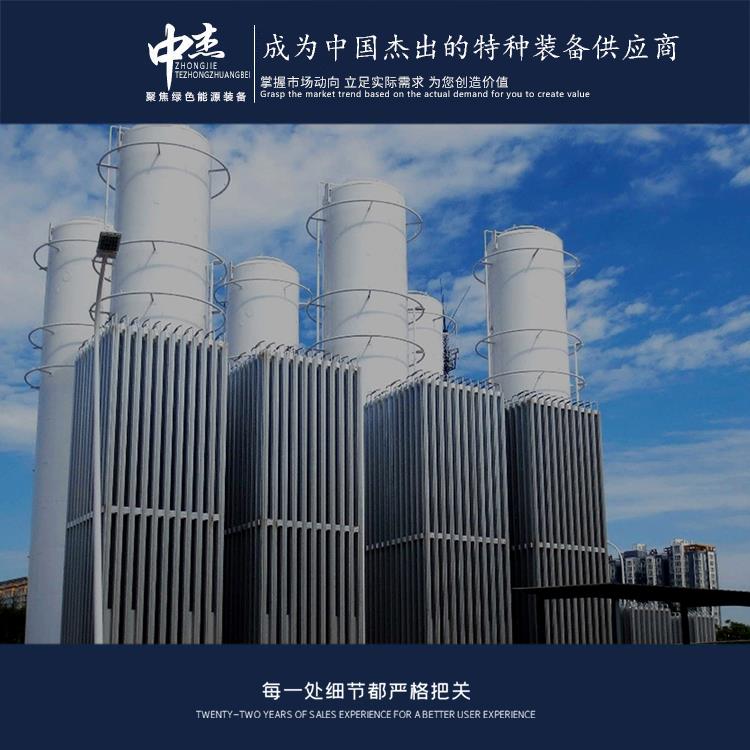


















Shandong Zhongjie Special Equipment Co., Ltd. specializes in the following products: fuel (gas) boilers, organic heat carrier boilers, biomass boilers, waste heat recovery boilers, and other boiler products; vacuum insulation cryogenic pressure vessels such as LNG tanks, oxygen/nitrogen/argon tanks, and CO2 tanks; pressure vessel products including denitrification engineering equipment, heat storage and energy storage equipment, and complete chemical equipment sets; central air conditioning and ventilation equipment such as ground (water) source heat pumps, air source units, water-cooled screw units, and air-cooled modular units. Planned products include large-scale energy centers, LNG transport vehicles, LNG tank containers, and other green energy equipment.
Design requirements for carbon dioxide storage tanks typically include the following aspects:
Pressure Vessel Design: Carbon dioxide storage tanks are usually designed as high-pressure vessels capable of withstanding high pressure. The design must comply with relevant standards and regulations, such as Standard GB150 "Steel Pressure Vessels."
Material Selection: The choice of materials for the tank should consider the properties of carbon dioxide, such as high pressure, high oxidizing, and corrosive nature. Common materials include carbon steel and stainless steel, with selection based on specific working conditions and requirements.
Safety Valves and Pressure Control: The tank should be equipped with safety valves and pressure control devices to ensure internal pressure remains within safe limits. Safety valves should be selected according to design requirements and regularly inspected and tested to ensure proper functioning.
Insulation Performance: Since carbon dioxide needs to remain in a liquid state at low temperatures, the tank should have good insulation properties to prevent excessive evaporation of liquid carbon dioxide and energy loss. The selection and design of insulation materials and layers should consider working temperatures and environmental conditions.
Leak Detection and Alarm: The tank should be equipped with leak detection devices and alarm systems, as well as corresponding monitoring equipment. These devices can detect leaks in a timely manner and trigger alarms to take appropriate measures.
Structural Strength and Stability: The structural design of the tank should be sufficiently strong and stable to withstand internal pressure and external loads. The structural design should comply with relevant standards and regulations, such as Standard GB12337 "Pressure Vessel Design Specifications."
Safe Operation and Maintenance: The design of the tank should take into account the ease of safe operation and maintenance, such as the placement of manholes, inspection openings, and drain outlets.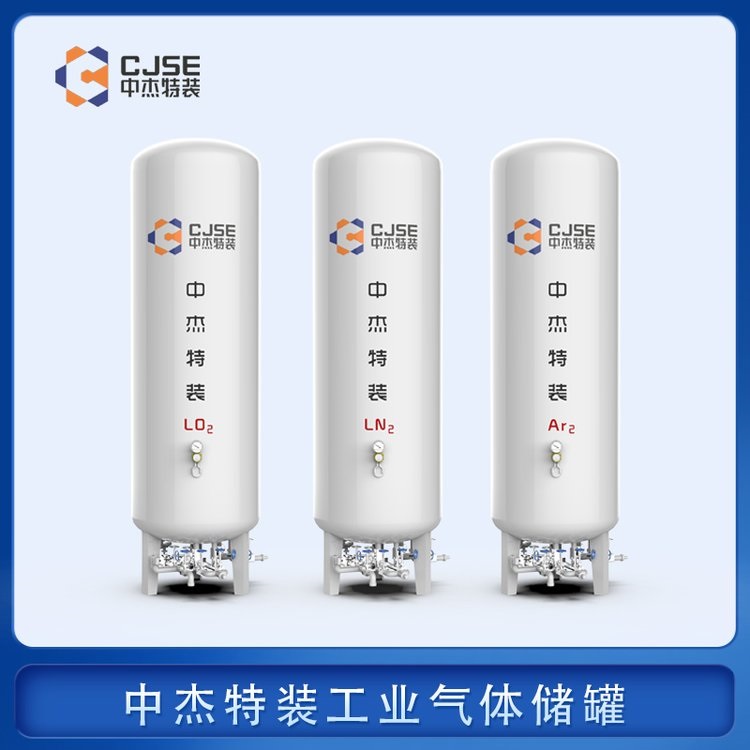
When using CO2 storage tanks, pay attention to the following aspects:
Safety Operation: Operators must be trained to understand the characteristics, operation requirements, and safety measures of CO2 storage tanks. Adhere to relevant safety operation procedures and standards to ensure operational safety.
Tank Inspection: Regularly inspect the tank's appearance, seal, valves, and pipeline connections before use. Repair or replace promptly if any anomalies or damage are found.
Tank Placement: Place the tank in a well-ventilated, dry area away from fire sources. Avoid direct sunlight and high temperatures to prevent overheating.
Leak Protection: Ensure that the valves and pipeline connections are sealed properly to prevent CO2 leaks. Regularly check and replace seals, and address leaks promptly.
Pressure Control: Maintain internal tank pressure within a safe range. Check the tank's pressure gauge and safety valve before use to ensure proper operation. Avoid excessive or low pressure to prevent safety incidents.
Fire Prevention Measures: CO2 is flammable, so take fire prevention measures during use. Smoking, open flame operations, or placing flammable items near the tank are prohibited.
Waste Gas Emission: Properly discharge waste gases generated during CO2 storage tank use to avoid CO2 accumulation in enclosed spaces, which can cause asphyxiation and safety risks.
Emergency Response Plan: Develop and implement an emergency response plan, including leak incident handling, evacuation procedures, and first aid measures. Operators should be familiar with the plan and conduct regular drills.
Note that CO2 storage tank use should be performed by authorized personnel following relevant safety operation procedures and standards. Seek advice and guidance from experts.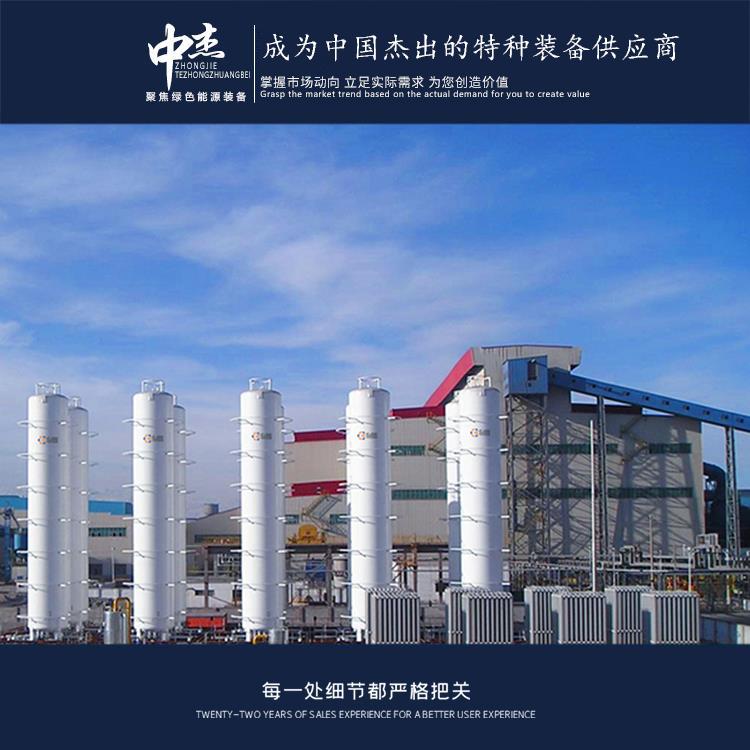
Urea synthesis from carbon dioxide is a significant chemical reaction with several applications:
- Urea Production: Urea is a crucial nitrogen fertilizer and chemical, widely used in both agricultural and industrial sectors. The synthesis of urea from carbon dioxide is one of the commonly used methods for urea production. In this process, carbon dioxide reacts under high temperature and pressure conditions to form urea. This method utilizes carbon dioxide resources, reducing dependence on fossil fuels used in traditional urea production methods.
- Urea Fuel: Urea can also serve as a urea fuel for internal combustion engines and combustion equipment. By heating and decomposing urea, it releases energy that reacts with oxygen in the air to produce combustion heat. This combustion process yields only water vapor and nitrogen as by-products, minimizing environmental pollution.
- Chemical Synthesis: Urea is an essential raw material for the synthesis of many chemicals. The synthesis of urea from carbon dioxide provides a sustainable supply of urea for the chemical industry, used in the production of other chemicals, such as plastics, resins, paints, etc.
- Energy Storage: Urea can also act as an energy storage medium. By synthesizing urea from carbon dioxide, energy can be stored in the form of chemical bonds. When energy is needed, urea can be decomposed to release energy, which then reacts with oxygen in the air to produce combustion heat and release the stored energy.
The development of the technology for synthesizing urea from carbon dioxide aims to reduce dependence on fossil fuels used in traditional urea production methods, lower greenhouse gas emissions, and promote the development of sustainable agriculture and the chemical industry. However, this technology is still in continuous development and research, requiring further technological breakthroughs and practical verification for large-scale application.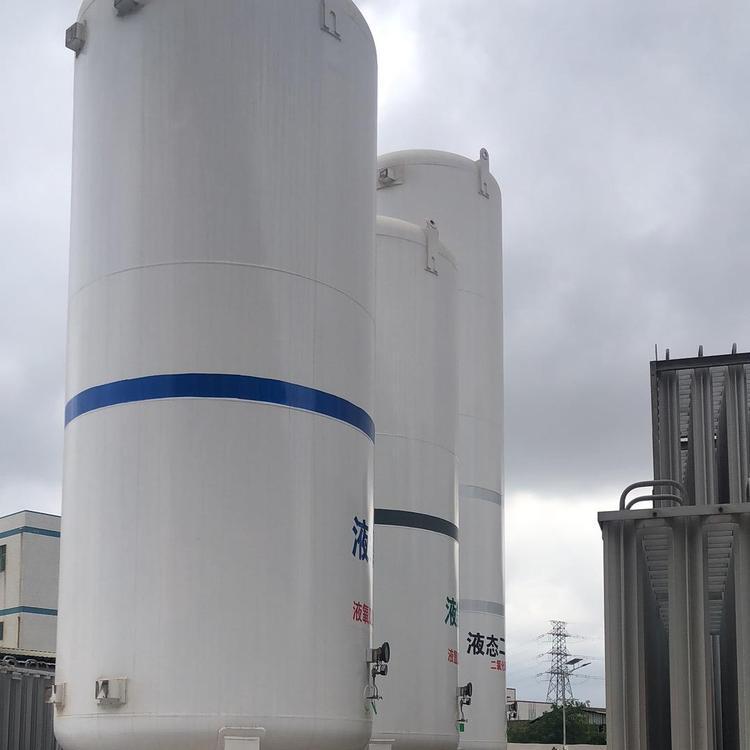
以下是一些常见的二氧化碳储罐管理守则: 安全管理:建立完善的安全管理制度,包括安全操作规程、应急预案和事故处理程序等。确保操作人员具备必要的安全知识和技能,并定期进行安全培训和演练。 储罐检查和维护:定期检查储罐的外观、阀门、连接件等,确保其完好无损。定期进行泄漏检测和压力测试,确保储罐的安全性能符合要求。 液位监测和控制:定期监测储罐内的液位,确保储罐内的二氧化碳充足。根据需要进行充填或放空操作,维持适当的液位。 废气处理:处理二氧化碳储罐产生的废气,避免对环境造成污染。采取适当的废气处理措施,如收集和处理废气。 防火防爆措施:采取防火防爆措施,确保储罐周围的环境安全。远离火源、高温区域和易燃物质,定期检查和维护防火设施。 标识和警示:储罐应明确标识,包括储存的气体类型、压力等信息。周围应设置警示标志,提醒人员注意储罐的存在和相关安全注意事项。 储存记录:记录储罐的使用情况,包括充填日期、充填量、检查记录等。定期进行储罐的检测和维护,并保留相关记录。 定期审查和改进:定期审查储罐管理制度和操作流程,及时发现问题并进行改进。根据实际情况进行风险评估和管理,提高管理水平和安全性能。 需要注意的是,具体的管理守则可能会因不同的储罐类型和应用而有所不同。在管理二氧化碳储罐时,应根据相关的规范和标准进行操作,并咨询人士以确保安全和有效性。
Our company highly values technological innovation and R&D design, boasting one municipal enterprise technology center in Heze City. We have established testing facilities for non-destructive testing, physical and chemical testing, welding testing, hydrostatic testing, etc. We are equipped with over 600 types of instruments and equipment, including CNC machine tools, X-ray flaw detectors, digital ultrasonic flaw detectors, mechanical property testing machines, chemical analyzers, spectrometers, tensile testing machines, plasma welding machines, and more. Our key products and technologies, such as temperature-pressure vessel welding, biomass boiler emission reduction, and waste heat utilization, have successively been shortlisted for multiple Shandong Provincial Department of Industry and Information Technology innovation projects, key projects of Shandong Province, and innovative and excellent projects of Heze City, etc. We have accumulated 27 authorized utility model patents, 16 authorized invention patents, participated in drafting 2 standards, 2 industrial standards, and registered 15 trademarks. Our technical team, in collaboration with Professor Yajiang Li of Shandong University, has developed deep cryogenic vessel processing technology using the international plasma arc + wire feeding argon arc welding (PAW-GTAW) technique. This technology has been appraised as reaching an international level in deep cryogenic vessel manufacturing after provincial-level scientific and technological achievement assessment. Choose ZJ Special Equipment, let's join hands to create brilliance together!
WeChat Official Account

Scan to follow Official Account



















