


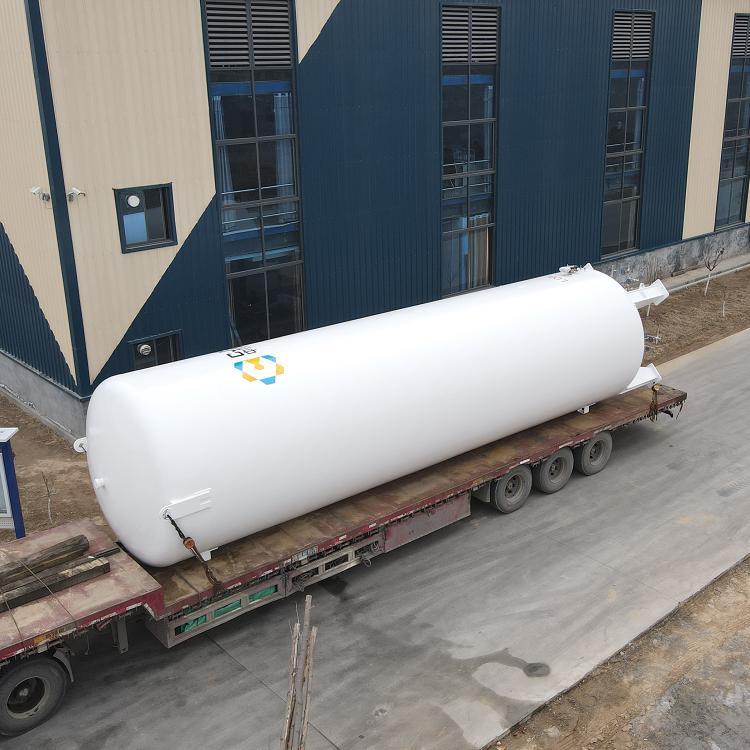

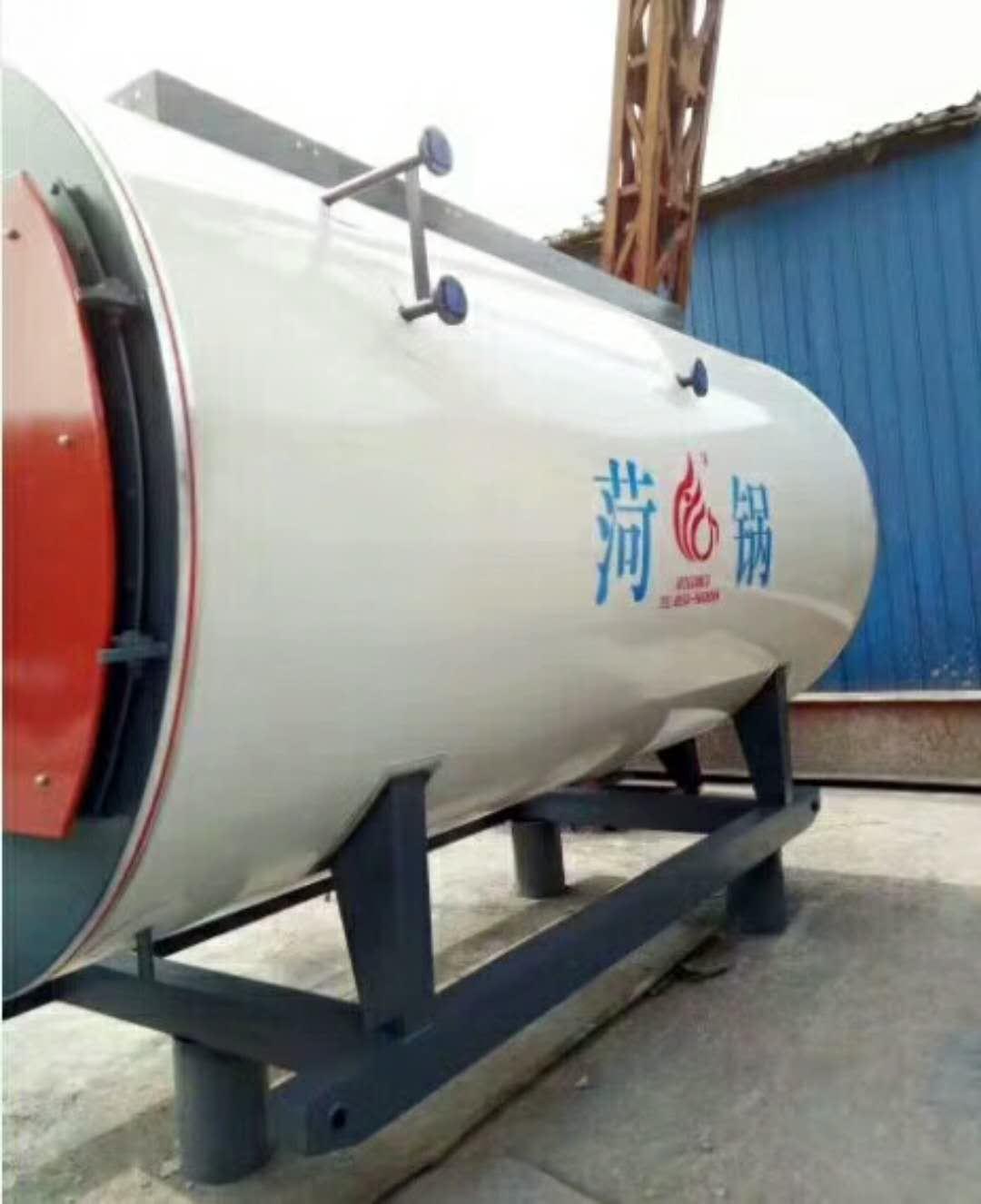


















Shandong Zhongjie Special Equipment Co., Ltd. (formerly Heze Boiler Factory Co., Ltd.) was established in 2001 and is located at No. 2218 Jinnan Road, Economic Development Zone, Heze City. With a registered capital of 50 million yuan and total assets of 500 million yuan, the company operates 7 major business centers: boilers, deep-freeze vessels, pressure vessels, central air conditioning, engineering installation, international trade, and the Internet of Things. It has three manufacturing sites on Jinnan Road, East Changjiang Road, and Bohai Road, covering a total area of 200,000 square meters, with the main workshop spanning 83,000 square meters. It currently employs 710 people, including 247 engineering and technical personnel and 82 intermediate-level technicians. In December 2016, it was recognized as a "High-Tech Enterprise" by the Science and Technology Department. In June 2021, it was named a "Specialized and New Enterprise in Shandong Province" by the Department of Industry and Information Technology. In June 2022, it was identified as a "Gazelle Enterprise in Shandong Province" and in August 2022, as a "Specialized and New Small Giant Enterprise" by the Ministry of Industry and Information Technology.
The installation of a safety valve on a CO2 storage tank is a crucial measure to ensure the tank can safely release pressure in the event of overpressure. Here are general installation steps:
1. Select an appropriate safety valve: Choose a suitable safety valve based on the tank's design pressure and flow requirements. Ensure the rated pressure and flow of the safety valve meet the tank's specifications.
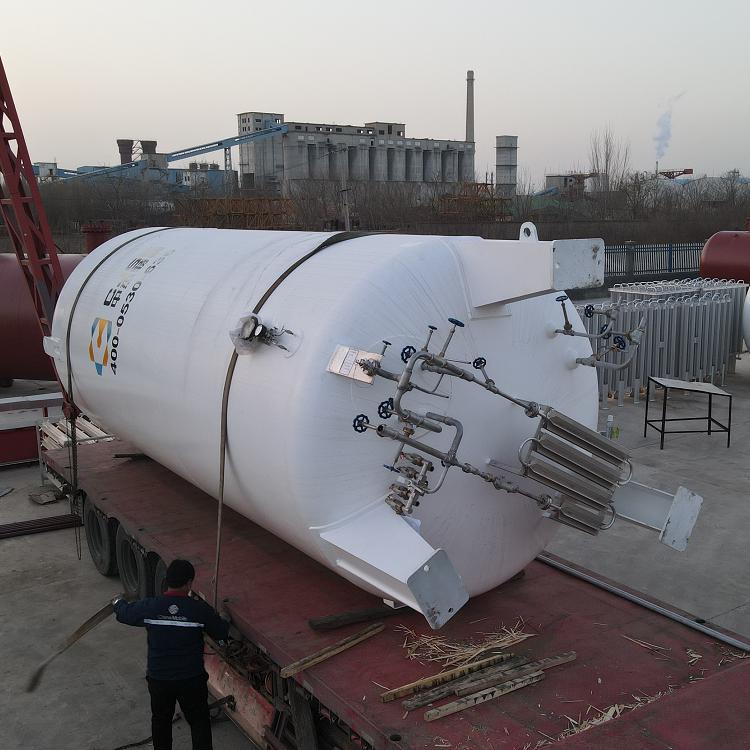
2. Installation location: Select a suitable location for the safety valve, typically on the top or side of the tank. Make sure the safety valve can release pressure smoothly and is not obstructed by other equipment or structures.
3. Preparation: Clean the tank surface at the installation location to ensure there are no debris or dirt. Check the sealing integrity of the safety valve and connecting piping, ensuring no damage or leaks.
4. Install the safety valve: Connect the safety valve to the tank using appropriate fittings and sealing materials. Follow the installation instructions for the safety valve to ensure a secure and reliable connection.
5. Adjust and test: Adjust and test the safety valve according to its specifications and requirements. Ensure the safety valve can operate normally within the set pressure range and can release pressure in a timely manner.
6. Identification and record: Label the safety valve and tank with relevant information such as the rated pressure and flow of the safety valve, installation date, etc. Record the installation process and test results for future reference and maintenance.
Please note that installing a CO2 storage tank safety valve must comply with relevant safety operating procedures and standards. If you do not possess the necessary knowledge and experience, it is recommended to consult with personnel or manufacturers for installation.
Carbon dioxide storage tanks are equipment used for storing and transporting carbon dioxide gas, operating on the principles of pressure vessels and the physical properties of carbon dioxide. Pressure Vessel Principle: A carbon dioxide storage tank is a pressure vessel capable of withstanding the pressure of the internal gas. It is typically made of high-strength materials like steel. The tank's design and structure can withstand high pressures, ensuring safe storage and transportation of the gas. Compressed Gas Storage: Carbon dioxide is a gas at room temperature but can be compressed into a liquid under high pressure. Storage tanks use high pressure to compress the gas into a liquid, achieving a higher storage density. Liquid carbon dioxide occupies less volume, allowing for more gas to be stored. Level Control: The storage tank is equipped with a level control system to monitor and control the level of liquid carbon dioxide. This system usually includes level sensors and control valves, ensuring the tank's level remains within a safe range. Pressure Control: The tank also features a pressure control system to monitor and control the internal gas pressure. This system typically includes pressure sensors and safety valves, ensuring the pressure within the tank stays within safe limits, preventing damage or safety risks due to excessive or low pressure. Through these principles, carbon dioxide storage tanks can safely store and transport carbon dioxide gas to meet the needs of various fields, such as food processing, beverage manufacturing, and fire suppression. When using carbon dioxide storage tanks, it is essential to follow relevant safety operating procedures and guidelines to ensure safe operation and use.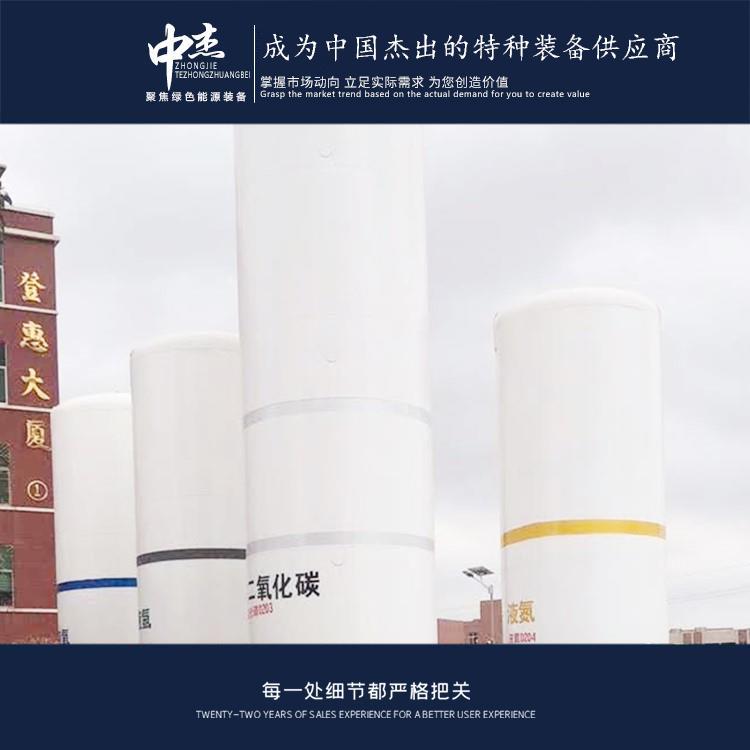
Key measures to ensure the quality of CO2 storage tanks include the following aspects:
1. Selecting qualified suppliers: Choose suppliers with a good reputation and experience, ensuring their tanks meet relevant quality standards and regulations. This can be achieved by assessing supplier qualifications, referencing customer reviews, and conducting on-site inspections to select suitable suppliers.
2. Strict quality control: Implement rigorous quality control measures during the manufacturing process of the tanks. This involves selecting and inspecting raw materials, controlling production processes, monitoring process parameters, product testing, and ensuring the tanks meet quality requirements.
3. Compliance with standards and regulations: The design, manufacturing, and installation of the tanks should comply with relevant standards and regulations, such as industry standards and specifications. These include structural design, material selection, welding processes, corrosion prevention measures, safety valves, and configuration of pressure sensors.
4. Regular inspections and maintenance: Tanks require regular inspections and maintenance during use to ensure safety and reliability. This includes checking the tank's appearance, sealing, valves, and pipeline connections, conducting regular pressure tests and leak detection, and addressing abnormal situations promptly.
5. Establishing a quality management system: Implement a comprehensive quality management system, including quality control processes, documentation, quality training, and internal audits. By establishing a quality management system, the quality control and continuous improvement of the tanks can be ensured.
6. Third-party testing and certification: Delegate tank testing and certification to third-party organizations to verify quality and compliance. Third-party testing and certification bodies are typically independent and objective, providing impartial assessment and certification results.
By implementing these measures, the quality of CO2 storage tanks can be effectively ensured, enhancing their safety and reliability.
The reason for regular inspections of low-temperature liquid carbon dioxide tanks is to ensure their safety performance and normal operation. Due to the low-temperature and high-pressure environment in which these tanks operate, there are certain safety risks, such as leaks and structural failures. Regular inspections can detect potential issues early, allowing for appropriate repairs or maintenance to ensure safe tank operation. The specific inspection frequency should be determined according to relevant regulations and standards, and it is generally recommended to conduct regular inspections and maintenance. Typically, the interval for regular inspections of low-temperature liquid carbon dioxide tanks is between 1 to 3 years, with the exact interval potentially varying based on the tank's usage, age, design standards, and other factors. The content of regular inspections usually includes visual inspections of the tank, checks of valves and connections, leak detection, and pressure testing. Additionally, regular checks and maintenance of the tank's insulation should be performed to ensure its insulating properties. It is important to note that the specific inspection frequency and content should be determined based on local regulations, standards, and the manufacturer's recommendations. Inspections should be carried out by qualified personnel, and maintenance records should be documented for tracking and managing the tank's safety performance.
Zhongjie Special Equipment upholds the grand vision of "realizing employees' dreams, creating value for customers, and striving for the prosperity and strength of our motherland," and is dedicated to the development of the green energy equipment industry. We offer products and services with high cost-performance to contribute to society!
WeChat Official Account

Scan to follow Official Account



















