


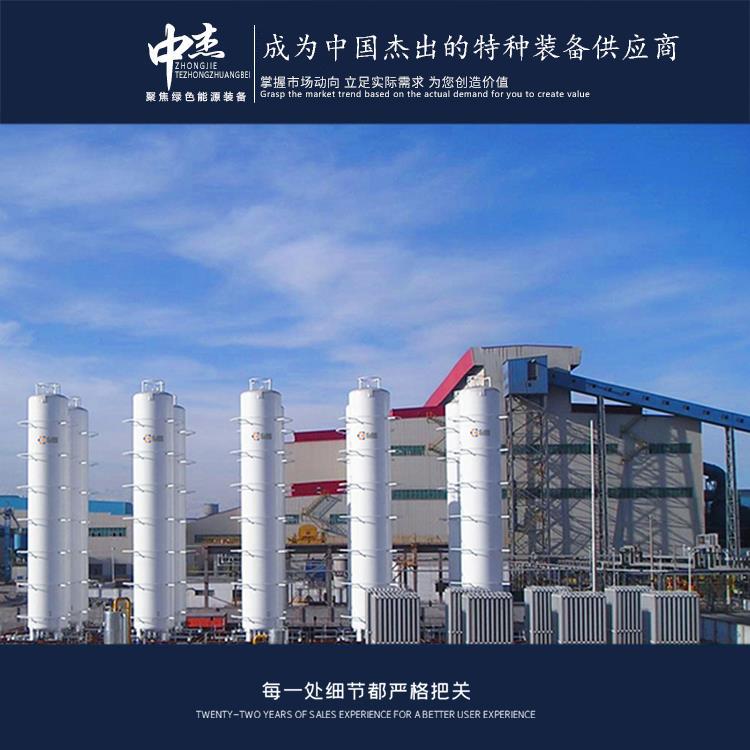

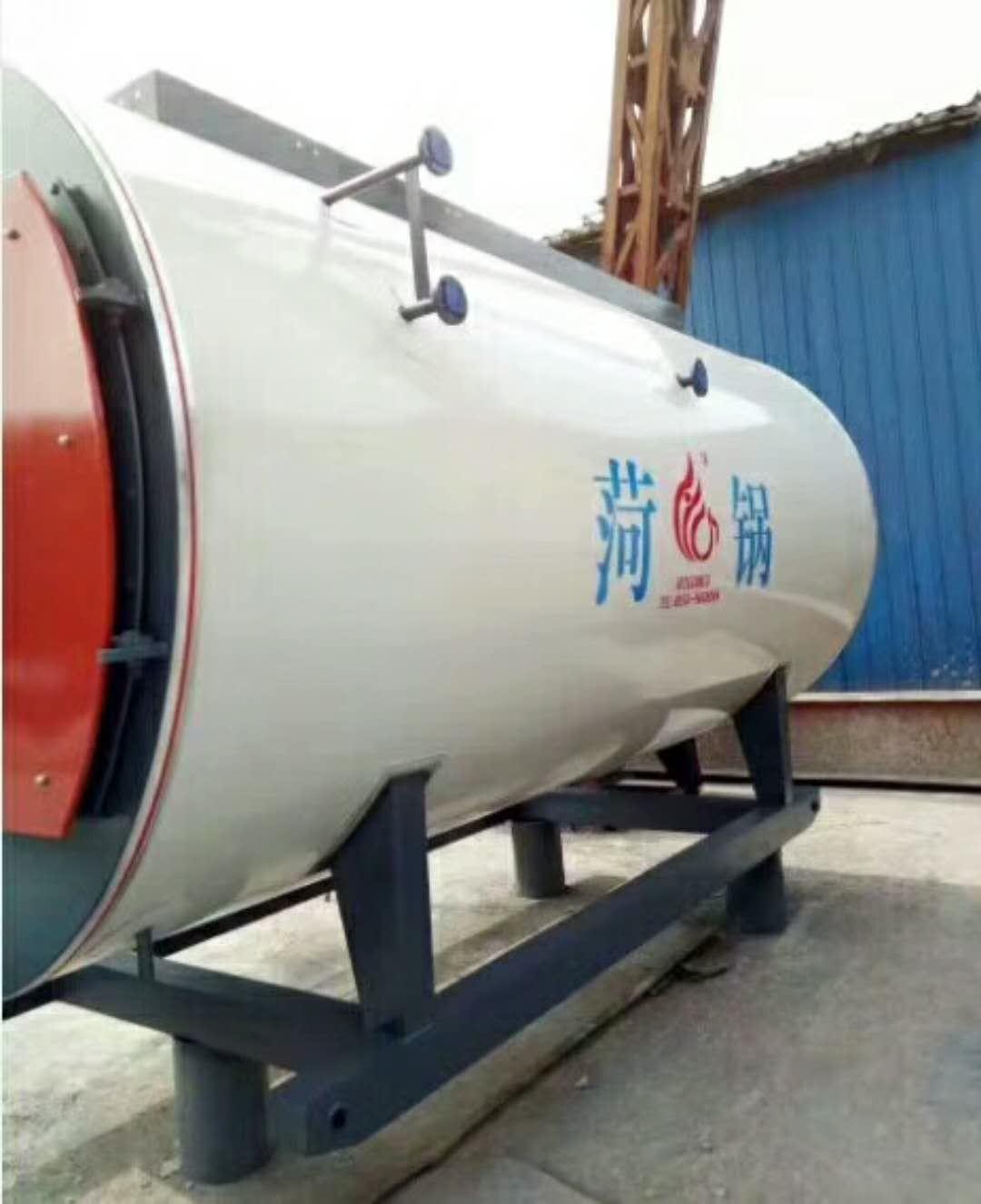
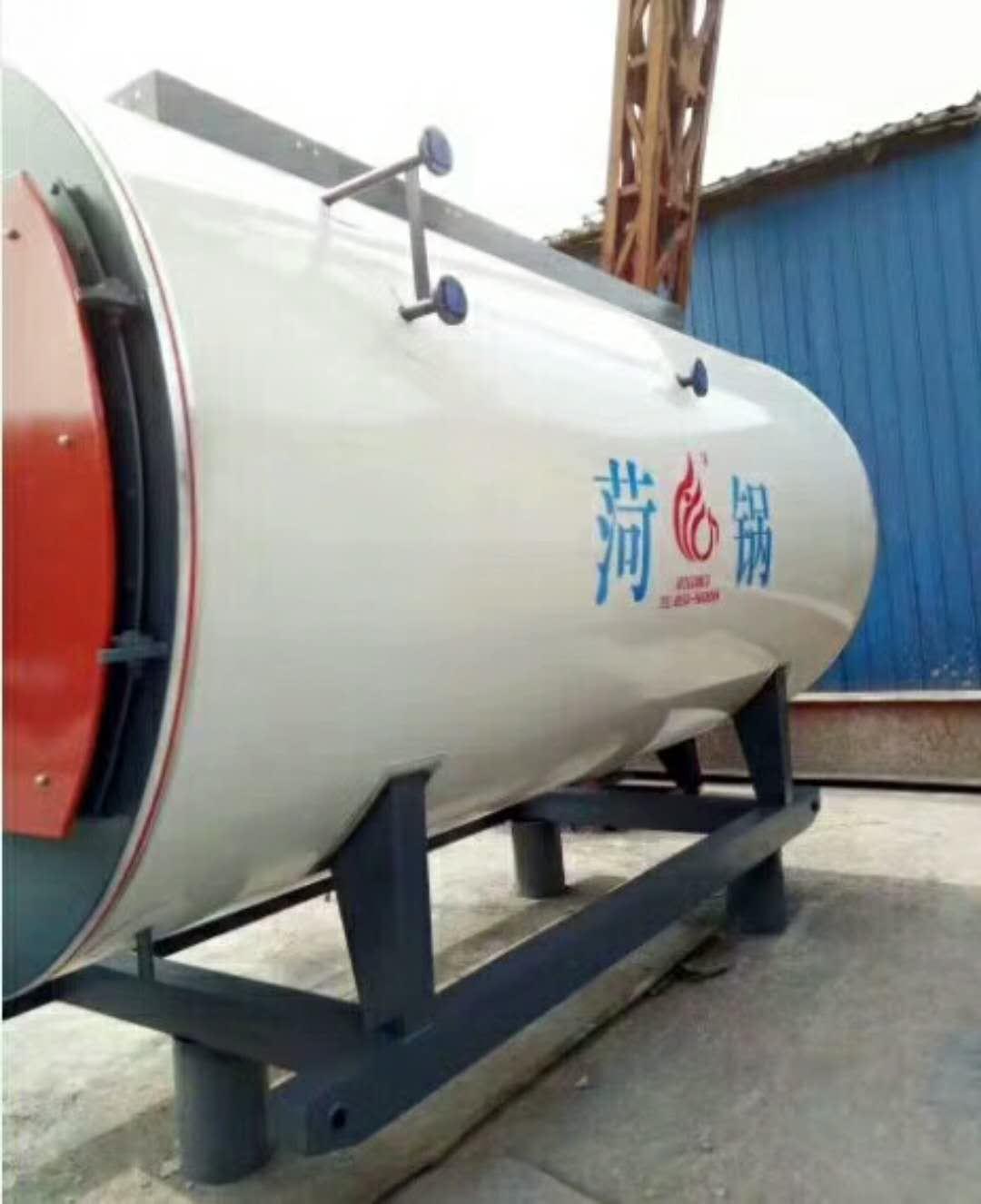


















Shandong Zhongjie Special Equipment (formerly Heze Boiler Factory Co., Ltd.) was established in 2001, located at No. 2218 Jinnan Road, Development Zone, Heze City, with a registered capital of 50 million yuan and total assets of 500 million yuan. The company has 7 business centers: boilers, deep-freeze containers, pressure vessels, central air conditioning, engineering installation, international trade, and Internet of Things. It has three factory sites on Jinnan Road, East Changjiang Road, and Bohai Road, covering a total of 200,000 square meters, with the main workshop spanning 83,000 square meters. It currently employs 710 people, including 247 engineers and technicians and 82 intermediate-level technicians. In December 2016, it was recognized as a "High-tech Enterprise" by the Science and Technology Department. In June 2021, it was identified as a "Specialized and New Enterprise in Shandong Province" by the Ministry of Industry and Information Technology. In June 2022, it was recognized as a "Gazelle Enterprise in Shandong Province" and in August 2022, it was identified as a "Specialized and New Small Giant Enterprise" by the Ministry of Industry and Information Technology.
Carbon dioxide tanks are widely used in many industries. Here are some common sectors with examples of carbon dioxide tank usage:
- Beverage and Food Industry: Carbon dioxide is used as a carbonating agent for beverages and food, for producing sodas, beers, soft drinks, etc. Tanks are used for storing and supplying carbon dioxide to meet production line requirements.
- Industry: Carbon dioxide has various applications in the industry, such as anesthesia, respiration, tissue freezing, etc. Tanks are used for storing and supplying medical-grade carbon dioxide to meet facility needs.
- Fire Extinguishing: Carbon dioxide is extensively used in fire suppression systems, particularly in extinguishing electrical and sensitive equipment. Tanks are used for storing and supplying carbon dioxide for fire extinguishing purposes.
- Gas Industry: Carbon dioxide is also a significant product in the gas industry, used in the production of chemicals, metal processing, welding, gas protection, etc. Tanks are used for storing and supplying industrial-grade carbon dioxide.
- Greenhouse Agriculture: Carbon dioxide can be used to promote plant growth in greenhouses, providing additional carbon dioxide concentration. Tanks are used to supply the required carbon dioxide for greenhouses.
- Automotive Industry: Carbon dioxide is used for tire inflation and airbag systems in cars. Tanks are used for storing and supplying carbon dioxide to meet the needs of car manufacturing and maintenance.
These are just some common industry examples. In reality, carbon dioxide tanks are also widely used in many other sectors, such as chemicals, frozen food, etc. Specific uses will vary according to industry needs and application scenarios.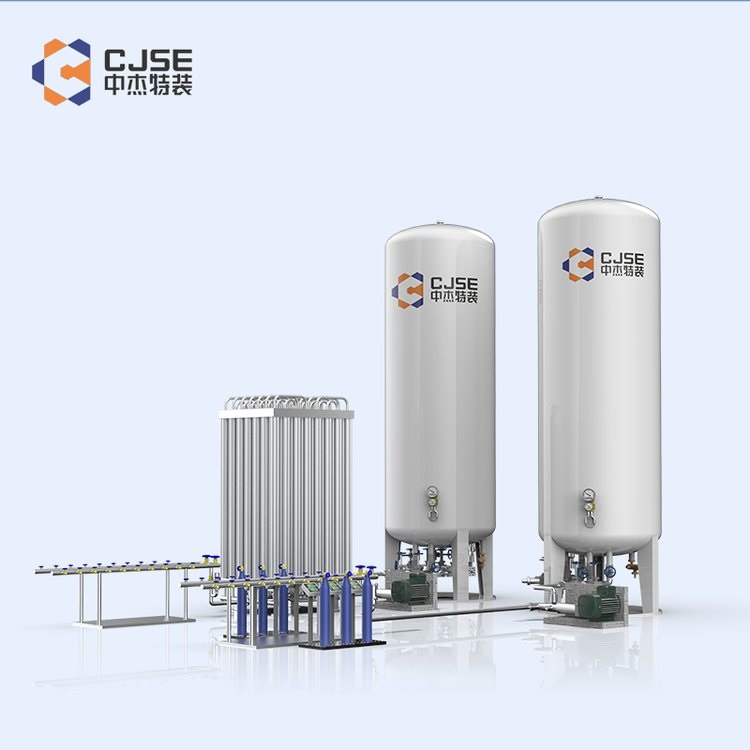
Pressure Vessel Standards: Liquid carbon dioxide storage tanks are generally considered pressure vessels, and their design, manufacturing, and use should comply with relevant pressure vessel standards. In China, commonly used pressure vessel standards include GB150 "Steel Pressure Vessels" and GB18435 "Storage Tanks". Safety Standards: The use of liquid carbon dioxide storage tanks should adhere to relevant safety standards and regulations. For instance, in China, the safe operation of liquid carbon dioxide storage tanks should follow standards such as GB50028 "Design Code for Petroleum and Chemical Industry Enterprises" and GB50016 "Fire Prevention Code for Building Design". Inspection and Testing Standards: The inspection and testing of liquid carbon dioxide storage tanks should comply with relevant standards and regulations. For example, the regular inspection of liquid carbon dioxide storage tanks can refer to GB/T 19638 "Code for Periodic Inspection of Pressure Vessels". Environmental Protection Standards: The use of liquid carbon dioxide storage tanks should comply with relevant environmental protection standards and regulations. For instance, in China, the exhaust emissions from liquid carbon dioxide storage tanks should meet standards such as the "Air Pollutant Emission Standard".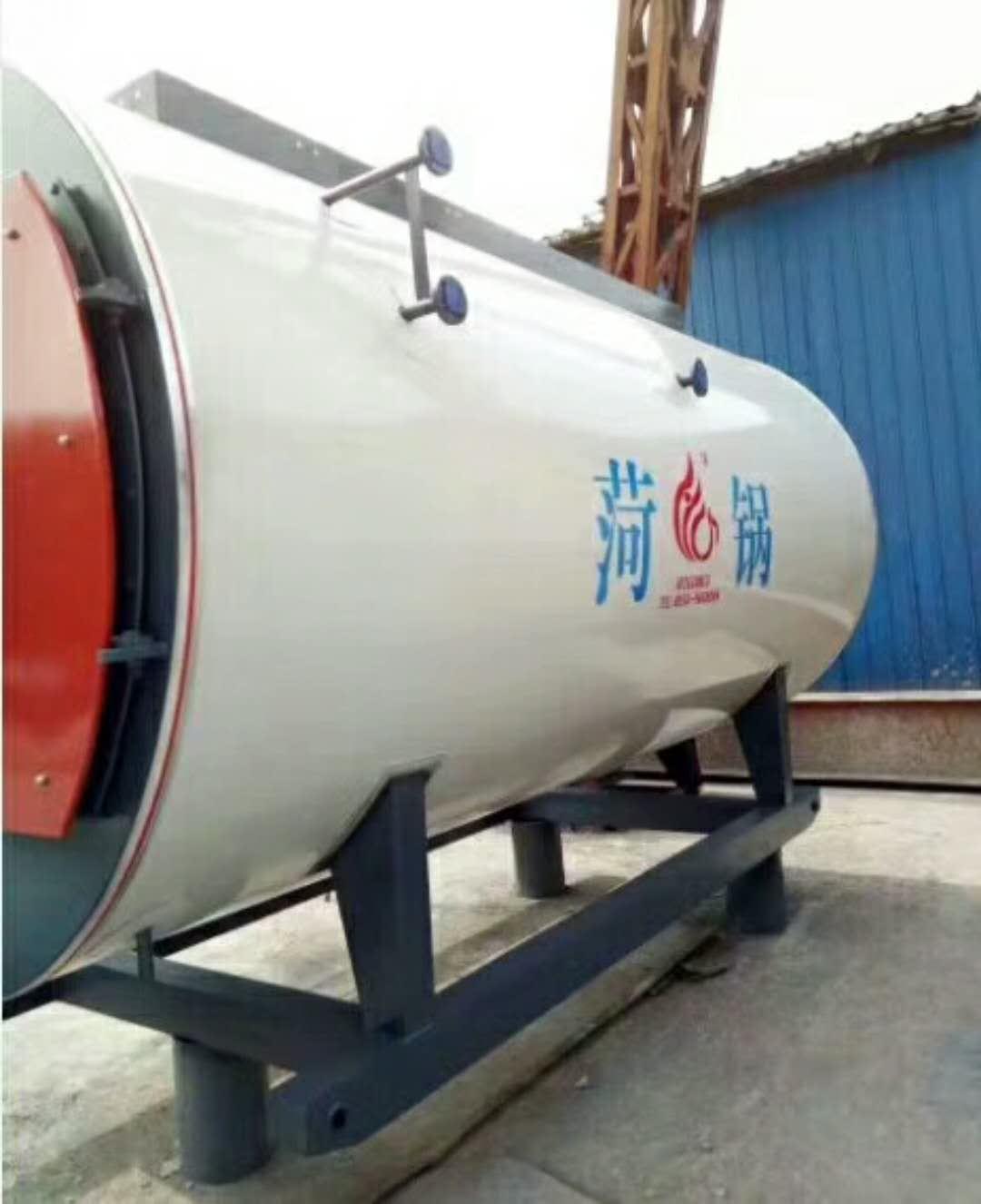
Daily inspections and maintenance of CO2 storage tanks can be conducted in the following steps:
- Visual Inspection: Check for any obvious damage, corrosion, or oil leakage on the tank's exterior. Pay attention to any abnormalities in the tank shell, valves, and pipe connections.
- Internal Inspection: If entry into the tank is permitted, conduct an internal inspection. Check for corrosion, scaling, or blockages in the lining, valves, and pipes.
- Valve and Pipe Inspection: Verify that the tank's inlet and outlet valves and pipe connections are functioning normally, with no leaks or loose fittings. Ensure valves operate smoothly and reliably.
- Pressure Relief Device Inspection: Check that the tank's pressure relief devices (such as safety valves) are functioning correctly. Confirm that the set pressure of the relief devices meets requirements.
- Measurement and Control System Inspection: Ensure that the tank's level, pressure, and temperature measurement and control systems are working properly. Calibrate and test the accuracy of measurement equipment.
- Cleaning and Draining: Regularly clean the interior of the tank, removing accumulated impurities and sediments. Also, perform regular draining to remove liquid and gas impurities from the tank.
- Maintenance and Repair: Based on the inspection results, carry out necessary maintenance and repair work. Repair damaged components, replace worn seals, etc., to ensure normal operation of the tank.
- Documentation and Reporting: Record the inspection and maintenance process, including the date of inspection, items checked, issues found, and measures taken. Submit inspection reports to relevant departments or management as needed.
These are general steps for the daily inspection and maintenance of CO2 storage tanks. Specific operations should be carried out according to the tank's characteristics and requirements. When conducting inspections and maintenance, follow relevant safety operation procedures and have personnel operate.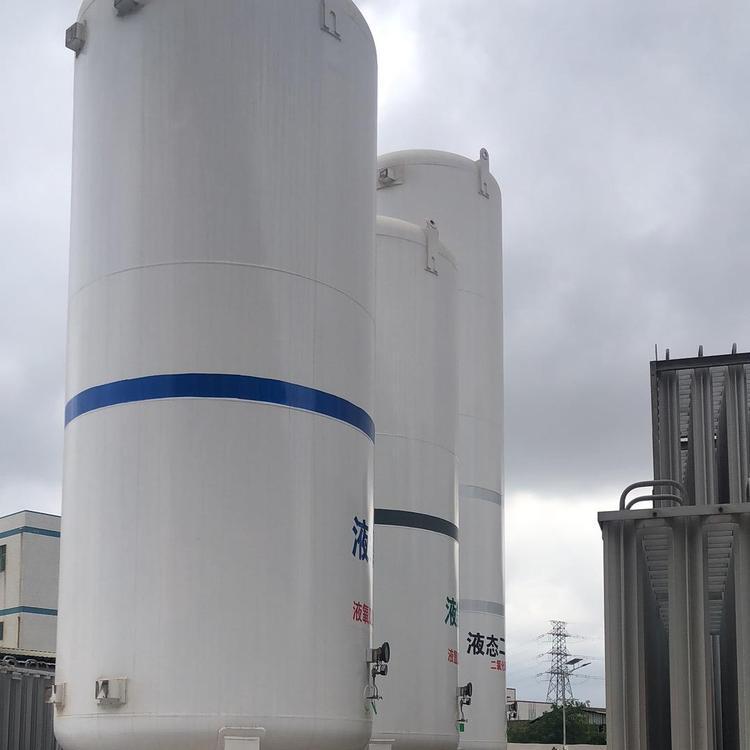
When storing carbon dioxide tanks, the following requirements must be followed to ensure safety and effectiveness:
Ventilation: Tanks should be stored in well-ventilated areas to avoid the accumulation of carbon dioxide gas. Ensure there is sufficient air circulation around the tank to prevent gas buildup and asphyxiation risks.
Fire and Explosion Prevention: Keep tanks away from fire sources, high-temperature areas, and flammable materials. Avoid open flame operations near the tank to prevent fire and explosion risks.
Avoid Direct Sunlight: Store tanks in a location shielded from direct sunlight to prevent overheating and pressure increase. Direct sunlight can raise tank temperatures, increasing the risk of leaks and explosions.
Prevent Mechanical Damage: Keep tanks away from machinery and heavy objects to avoid collisions and damage. Mechanical damage can lead to tank leaks or ruptures, causing safety incidents.
Labeling and Warning Signs: Clearly label tanks with information such as the type of gas stored and pressure. Set up warning signs around the tanks to remind personnel of their presence and related safety precautions.
Regular Inspections: Conduct regular inspections of the tank's exterior, valves, and connections to ensure they are intact. Take immediate repair measures if any abnormalities are found.
Storage Capacity Control: Control the storage capacity of the tank to prevent exceeding the rated capacity. Exceeding the rated capacity can lead to excessive tank pressure, increasing safety risks.
Storage Records: Keep records of the tank's usage, including filling dates, quantities, and inspection records. Regularly inspect and maintain the tank, and retain relevant records.
Note that specific storage requirements may vary depending on the type of tank and application. When storing carbon dioxide tanks, operate according to relevant regulations and standards and consult with experts to ensure safety and effectiveness.
Zhongjie Special Equipment adheres to the grand vision of "realizing employees' dreams, creating value for customers, and striving for the prosperity and strength of our motherland," and is dedicated to the development of the green energy equipment industry. We commit to society with high-quality, cost-effective products and services!
WeChat Official Account

Scan to follow Official Account



















