


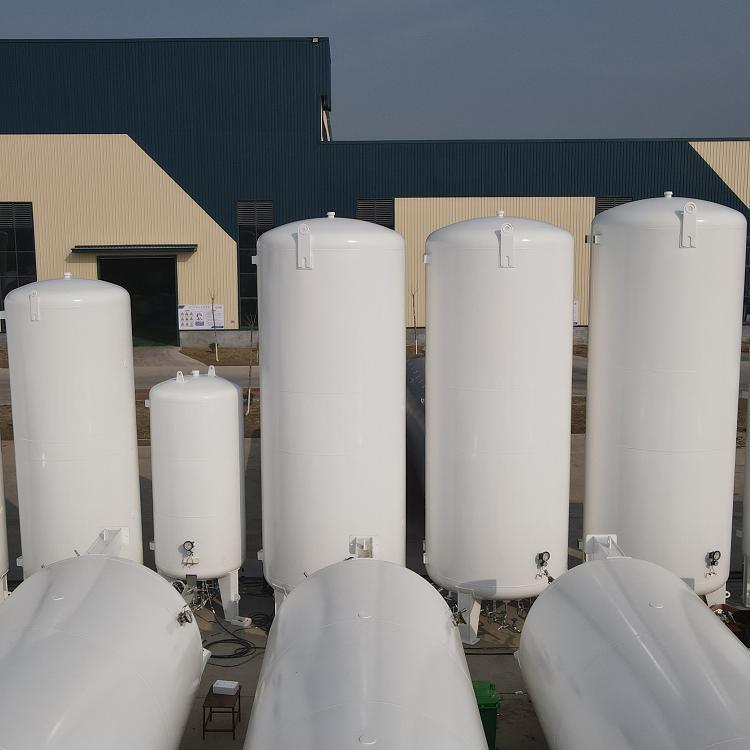

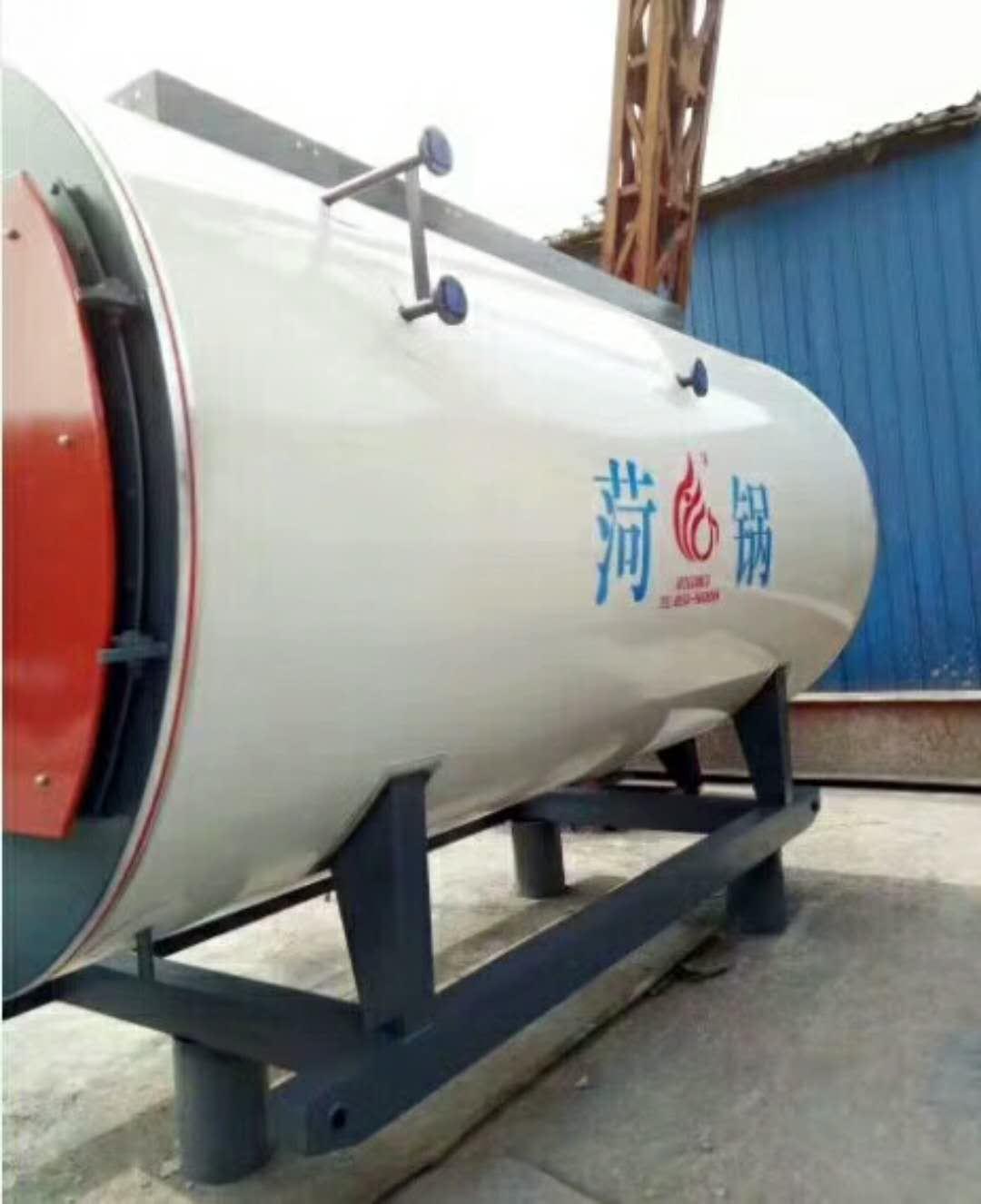
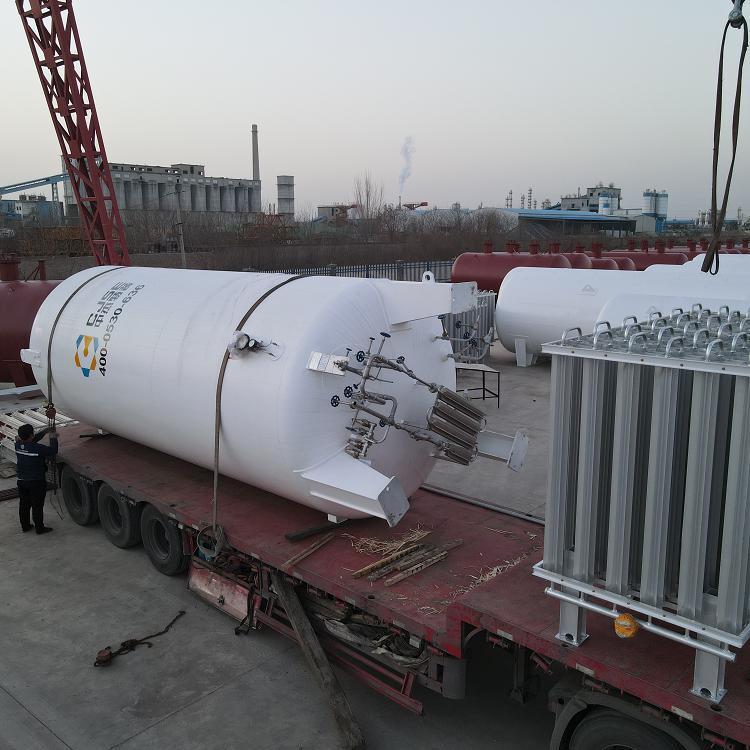


















Shandong Zhongjie Special Equipment (formerly Heze Boiler Factory Co., Ltd.) holds an A-grade boiler manufacturing license, an A2-grade pressure vessel manufacturing license, an A2-grade pressure vessel design license, a B-grade boiler installation license, and GB2/Class and GC2/Class pressure pipeline installation licenses, as well as a mechanical and electrical equipment installation contracting qualification. It is a member of the China Boiler and Water Treatment Association, the China Chemical Equipment Association, and the council member of the Shandong Equipment Manufacturing Association. The company has also passed the ISO9001 Quality Management System, ISO14001 Environmental Management System, OHSAS18001 Occupational Health and Safety Management System certifications, and the American ASME/U2 certification.
The use of low-temperature liquid storage tanks requires attention to the following matters:
Safe Operation: Operators must undergo training to understand the procedures and safety precautions for handling tanks. Adhere to the correct operational steps to ensure safe operation.
Protective Gear: Operators must wear appropriate protective gear, such as thermal suits, gloves, etc., to safeguard themselves against harm from low-temperature liquids.
Leak Protection: Regularly inspect the tank and associated piping for seal integrity to prevent leakage of low-temperature liquids. Keep the area around the tank clean to avoid debris obstructing leak detection and treatment.
Fire Protection: Low-temperature liquids are highly flammable and fire precautions should be taken. The storage tank area must be kept free from any ignition sources, smoking and open flames are prohibited. Appropriate fire-fighting equipment should be available to address fire risks.
Pressure Control: Regularly inspect and maintain the pressure control system of the storage tank to ensure the pressure inside remains within a safe range. Safety valves and pressure sensors, among other equipment, should operate normally, and abnormal pressure situations should be detected and addressed promptly.
Insulation Protection: Low-temperature liquid storage tanks should be equipped with effective insulation to minimize heat transfer and liquid evaporation. The selection and installation of the insulation should comply with relevant standards and requirements.
Regular inspections and maintenance: Conduct regular checks of the tank's exterior and interior condition, including checking for leaks, corrosion, wear, or other damage. Pay special attention to inspecting the tank's interfaces, valves, and pipelines, ensuring they are functioning properly.
Emergency Preparedness: Establish an emergency response plan including measures for leaks, fires, and other emergencies. Operators should be familiar with the emergency response plan and be equipped with appropriate emergency equipment and firefighting tools.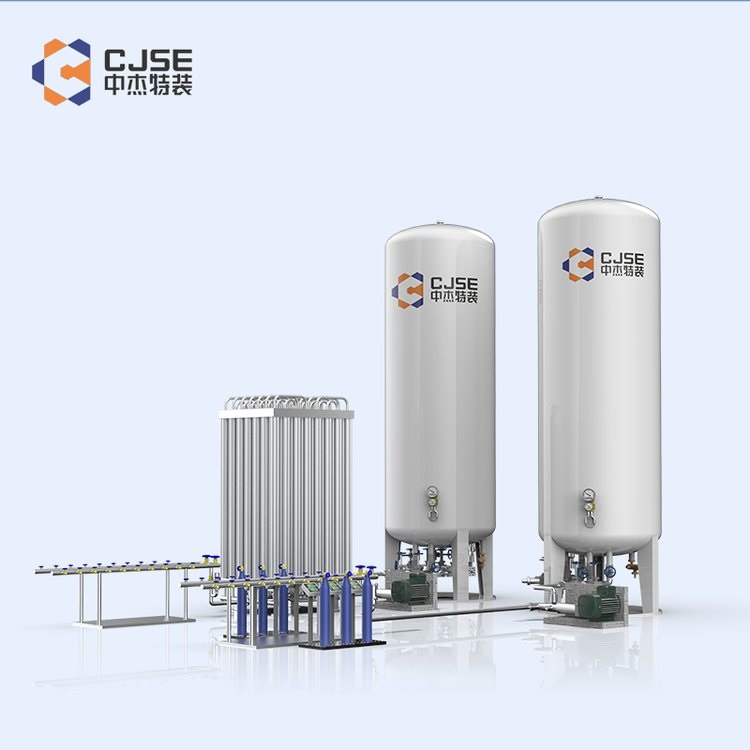
Possible reasons for increased liquid nitrogen loss in storage tanks may include:
Evaporation Loss: Liquid nitrogen is a low-temperature liquid with a boiling point of -196 degrees Celsius. Even under good insulation conditions, it will evaporate. Therefore, the primary cause of liquid nitrogen storage tank loss is evaporation. If the insulation layer of the tank is damaged or its insulation performance is poor, evaporation loss will increase.
Leakage: A leak in a liquid nitrogen tank can also lead to increased liquid loss. Leaks can occur at the tank's interfaces, valves, pipes, and other areas. Leaks may be caused by equipment aging, material fatigue, improper operation, and other reasons.
Improper Handling: Incorrect operation and maintenance can also lead to increased liquid nitrogen loss in storage tanks. For instance, frequently opening the tank lid, leaving the lid open for extended periods, and not repairing leaks promptly.
Environmental Factors: Environmental elements can also affect the liquid nitrogen tank's liquid loss. For instance, high temperatures can decrease the tank's insulation performance, leading to increased evaporation loss.
To minimize liquid nitrogen tank liquid loss, the following measures can be taken:
Ensure the tank's insulation is intact and perform regular inspections and maintenance.
Regularly inspect the tank's interfaces, valves, pipes, etc., to ensure proper sealing performance and prevent leaks.
Strictly control the frequency and duration of tank openings to prevent unnecessary liquid evaporation.
Avoid using liquid nitrogen tanks in high-temperature environments, or take cooling measures to maintain a low surrounding environment temperature.
It should be noted that liquid nitrogen tank liquid loss is inevitable, but through reasonable operation and maintenance, it can be reduced to a minimum.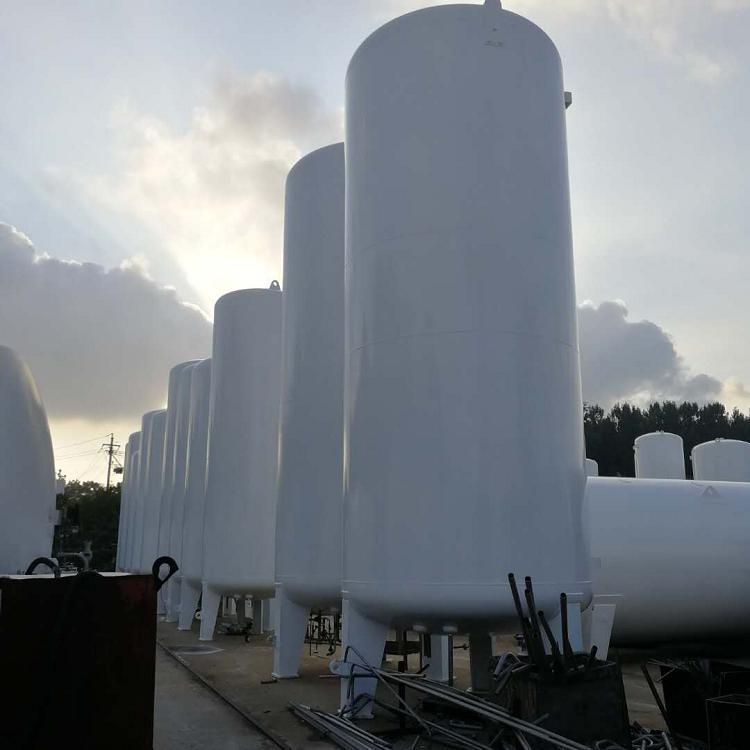
The reasons for not leaving liquid oxygen tanks empty for extended periods mainly include the following:
Evaporation Loss of Liquid Oxygen: Liquid oxygen has a low boiling point, and prolonged storage without use will cause continuous evaporation, resulting in a loss of liquid oxygen within the storage tank. The evaporation rate is relatively fast, with daily evaporation amounts potentially reaching several percent of the tank's capacity. Prolonged storage without use can lead to waste of liquid oxygen.
Safety Risk: Liquid oxygen is a strong oxidizer with high flammability and explosive properties. Long-term emptying of liquid oxygen storage tanks increases the opportunity for liquid oxygen to come into contact with the surrounding environment, thus increasing the risk of accidental fires and explosions.
Risk of Tank Damage: Long-term storage of liquid oxygen without use can lead to internal oxidation reactions, accelerating corrosion and damage to the tank. Tank damage can affect its sealing performance and structural integrity, increasing the risk of leaks and safety accidents.
Therefore, to ensure the safe storage and effective utilization of liquid oxygen, the liquid oxygen storage tank should be regularly maintained and serviced to prevent long-term idleness. When the tank is not in use, appropriate measures should be taken, such as sealing the tank and reducing oxygen evaporation, to minimize the loss of liquid oxygen and safety risks.
To prevent risks associated with liquid oxygen storage tanks, the following preventive measures can be taken:
Safety Operation and Management: Establish and enforce stringent safety operation and management systems, including proper use of storage tanks, operational procedures, and safety training. Ensure that operators possess the necessary safety awareness and skills, adhere to operational procedures, and minimize operational errors and the likelihood of accidents.
Regular inspections and maintenance: Conduct regular checks and maintenance on liquid oxygen tanks, including visual inspections, pressure tests, and leak detection. Promptly identify and address any tank issues to ensure safety and reliability.
Safety Devices and Protective Equipment: Tanks should be equipped with necessary safety devices such as pressure relief valves, level alarms, and protective equipment like fire barriers, explosion-proof devices. These devices and equipment can take timely measures during abnormal situations to ensure the safety of the tank.
Fire Prevention Measures: Liquid oxygen contains a high concentration of oxygen, which is prone to causing fires. Therefore, fire prevention measures such as firewalls and fire extinguishers should be set up around the storage tanks to prevent the spread and expansion of fires.
Leakage Control and Emergency Response Plan: Establish a liquid oxygen storage tank leakage control and emergency response plan, including leakage control measures, emergency response procedures, and evacuation plans. In the event of a leakage incident, the plan enables rapid action to control the leak and ensure personnel safety.
Training and Awareness Enhancement: Conduct regular safety training for personnel operating liquid oxygen tanks to enhance their safety awareness and emergency response capabilities. Strengthen safety
Shandong Zhongjie Special Equipment, welcome customers to our factory for cooperation discussions.
WeChat Official Account

Scan to follow Official Account



















