


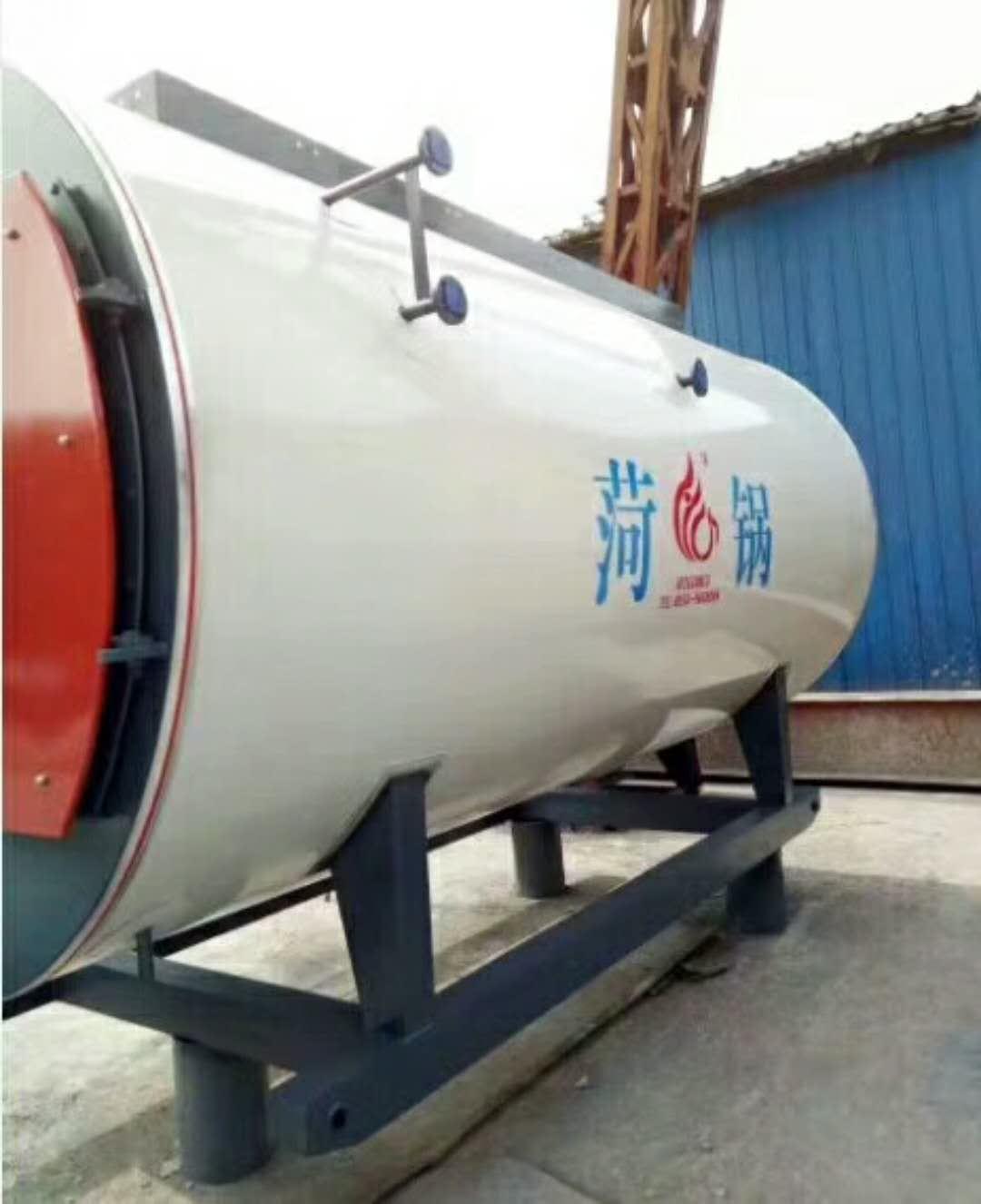



















Shandong Zhongjie Special Equipment (formerly Heze Boiler Factory Co., Ltd.) was established in 2001, located at No. 2218 Jinnan Road, Economic and Technological Development Zone, Heze City. With a registered capital of 50 million yuan and total assets of 500 million yuan, the company has 7 business centers: boilers, deep-freeze containers, pressure vessels, central air conditioning, engineering installation, international trade, and the Internet of Things. It has three factory sites on Jinnan Road, East Changjiang Road, and Bohai Road, covering a total area of 200,000 square meters, with the main workshop spanning 83,000 square meters. The company currently employs 710 people, including 247 engineers and technicians, and 82 intermediate-level technical personnel. In December 2016, it was recognized as a "High-tech Enterprise" by the Science and Technology Department. In June 2021, it was identified as a "Specialized and New Enterprise in Shandong Province" by the Department of Industry and Information Technology. In June 2022, it was recognized as a "Gazelle Enterprise in Shandong Province" and in August 2022, as a "Specialized and New Small Giant Enterprise" by the Ministry of Industry and Information Technology.
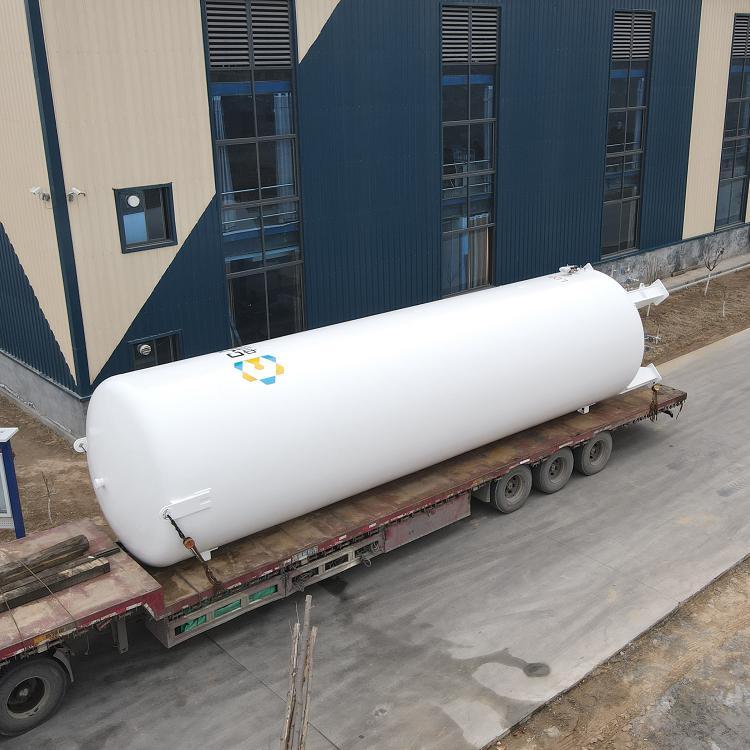
Liquid nitrogen tanks are widely used in various industries, primarily in the following aspects:
Industry: Liquid nitrogen tanks are used in the field for storing and supplying liquid nitrogen, employed for low-temperature freezing preservation of biological samples, cells, tissues, and vaccines. They are widely used in biopharmaceutical research institutions and biobanks, among other organizations.
Experimental Research: Liquid nitrogen tanks are used in scientific research and laboratories to provide low-temperature environments, for cryopreservation and cryogenic experiments. Liquid nitrogen tanks play a significant role in experimental research across various fields such as physics, chemistry, biology, and materials science.
Metalworking Industry: Liquid nitrogen tanks are used in the metalworking and welding industries to provide low-temperature cooling for processes such as metal cutting, welding, and heat treatment. These tanks offer low temperatures that enable metals to achieve the required hardness and toughness during the processing.
Food Industry: Liquid nitrogen tanks are used in the food industry for freezing and refrigeration of foods such as frozen meats, frozen fruits, and frozen seafood. The low temperature of liquid nitrogen can quickly freeze foods, preserving their freshness and quality.
Semiconductor Industry: Liquid nitrogen tanks are used in semiconductor manufacturing and the electronics industry to provide low-temperature environments for the freezing and preparation of semiconductor materials. The low temperature of liquid nitrogen can enhance the purity and performance of semiconductor materials.
The configuration of liquid nitrogen tanks typically includes the following aspects:
Vessel Structure: Liquid nitrogen tanks commonly feature double or multi-layered construction, filled with insulating material in between to minimize heat transfer and evaporation of the liquid nitrogen. The tank material is typically stainless steel or aluminum alloy, offering excellent corrosion and low-temperature resistance.
Insulation Layer: The insulation layer of liquid nitrogen tanks typically uses multi-layer insulation materials such as polyethylene foam, glass fiber, and vacuum layers to reduce heat transfer and evaporation of liquid nitrogen.
Temperature Control System: Liquid nitrogen tanks are typically equipped with a temperature control system, used to regulate the tank's temperature to maintain the liquid's state.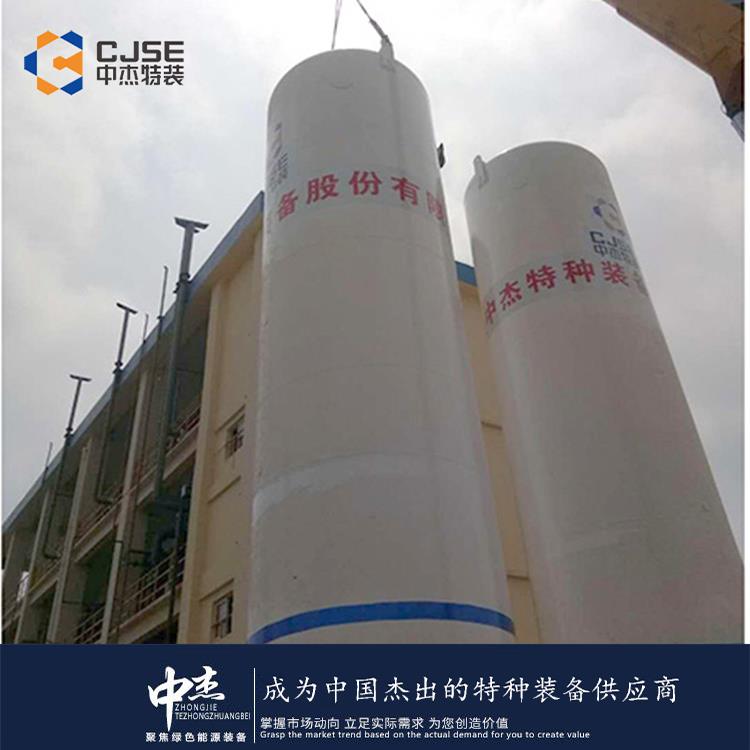
The normal pressure range for liquid oxygen tanks typically falls between 2-5 bar. This range refers to the oxygen pressure inside the tank, which is necessary to maintain the liquid state of the oxygen. The design and manufacturing of liquid oxygen tanks should comply with relevant standards and regulations to ensure the tank can safely withstand this pressure range under normal operating conditions. It should be noted that the pressure in liquid oxygen tanks can be affected by various factors, such as the temperature of the liquid oxygen, the tank's design, and materials. In actual use, the normal pressure range of the tank should be determined based on specific tank design and usage requirements, and operations and maintenance should follow relevant regulations and standards. Additionally, liquid oxygen tanks should be equipped with pressure control devices, such as pressure valves or relief devices, to ensure the internal pressure of the tank remains within a safe range. These devices can automatically release gas when pressure exceeds the set value, protecting the tank's safety. Regular inspection and maintenance of these pressure control devices should be conducted when using liquid oxygen tanks to ensure they function properly.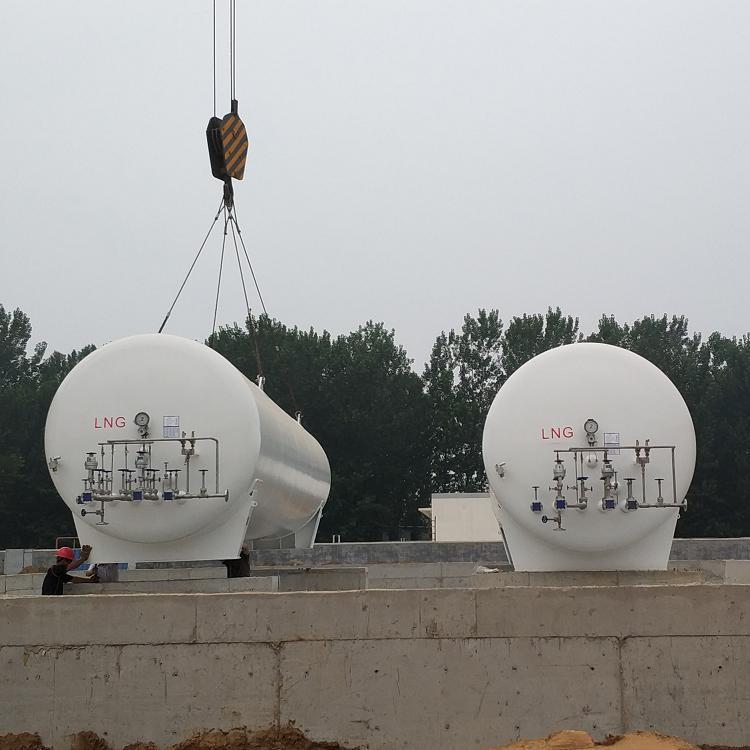
The safe placement of liquid oxygen tanks is a crucial measure to ensure that the tanks do not pose a danger to the surrounding environment or personnel during use. The following are the safety requirements for the placement of liquid oxygen tanks:
Safety Distance: Liquid Oxygen Storage Tanks should maintain a certain distance from other buildings and equipment. This is to ensure effective control and reduction of environmental impact in the event of a tank leak or fire.
Fire and Explosion Prevention Measures: Liquid oxygen tanks should be located in a fire-resistant area, away from open flames, high-temperature sources, and flammable materials. The surrounding area should be equipped with fire and explosion prevention facilities, such as fire extinguishers and foam sprinkler systems, to address potential fire risks.
The liquid oxygen tank should be placed on a sturdy, flat foundation to ensure stability. The bottom of the tank should make full contact with the ground to prevent tilting or rocking.
Ventilation Requirements: Liquid oxygen tanks should be placed in well-ventilated areas to ensure the normal circulation of gas emissions and oxygen supply. There should be no obstructions around the tank that hinder gas flow.
Identification and Warnings: Liquid oxygen tanks should be clearly marked with information such as the stored medium, capacity, and pressure. Warning signs and safety alerts should be placed in the surrounding area to remind personnel of the presence and potential hazards of the liquid oxygen tank.
Regular Inspections and Maintenance: Liquid oxygen tanks should be regularly inspected and maintained, including checking the tank's appearance, sealing, and corrosion prevention measures. Any issues found should be addressed promptly by repairing or replacing the tank to ensure its proper operation and safety.
It's important to note that the safety requirements for the placement of liquid oxygen tanks may vary by region and industry. When positioning liquid oxygen tanks, adhere to relevant regulations, standards, and safety protocols, and establish appropriate safety measures based on the specific circumstances. If you're unfamiliar with or have questions about the placement requirements, it's advisable to consult with experts or relevant institutions.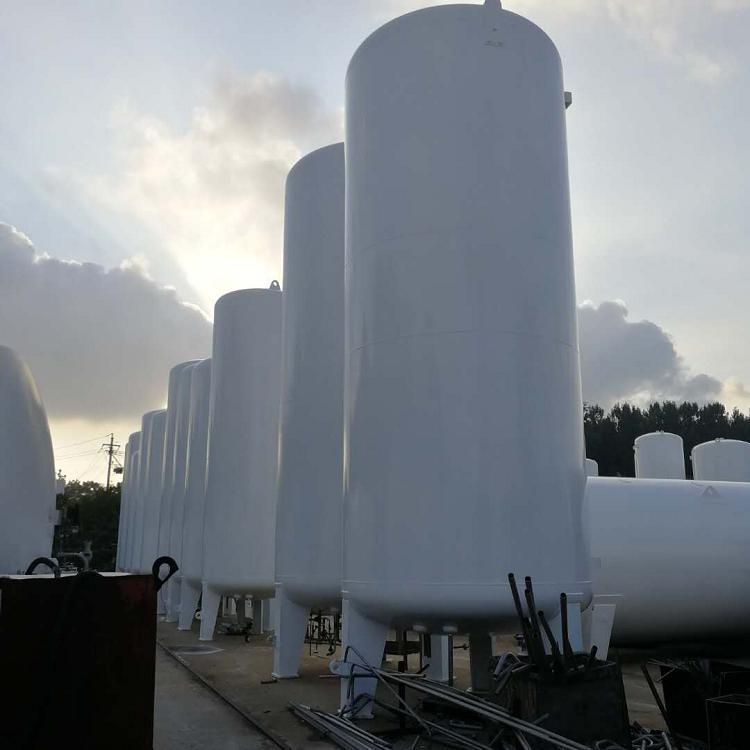
Routine inspections and maintenance of liquid oxygen storage tanks are crucial for ensuring their safe operation. The following are general steps for the daily inspection and maintenance of liquid oxygen storage tanks:
Visual Inspection: Regularly inspect the exterior of the storage tank, including the shell, welds, valves, and fittings. Pay attention to any signs of cracks, corrosion, or deformation.
Leak Detection: Utilize appropriate leak detection equipment to inspect tanks and connections for any leaks. Leak detection can be conducted using methods such as gas detectors or liquid oxygen probes.
Pressure Testing: Regularly conduct pressure tests to inspect the tank's sealing and pressure resistance. Perform pressure tests according to relevant standards and regulations, and record the test results.
Valve and Fitting Inspection: Verify that the tank's valves and fittings are functioning properly and there are no loose or damaged conditions. Ensure the valves operate smoothly and reliably.
Insulation Layer Inspection: Check for any damage or detachment in the tank's insulation layer. Repair or replace any damaged insulation materials to ensure effective insulation.
Cleaning and Drainage: Regularly clean the interior of the tank to remove accumulated impurities and dirt. Regularly drain to prevent damage to the tank from impurities and sediments in liquid oxygen.
Safety Protection Equipment Inspection: Inspect the safety protection facilities around the storage tanks, such as fire separation zones and alarm systems, to ensure they are functioning properly.
Record and Document Management: Document the results of each inspection and maintenance, including the inspection date, content, issues found, and measures taken. Establish comprehensive management records and documents for tracking and managing the tank's operational status.
Note that inspections and maintenance of liquid oxygen tanks should be conducted by trained personnel, following relevant regulations and standards. Ensure safety during maintenance and operation, and consult experts for accurate guidance.
Shandong Zhongjie Special Equipment, welcome customers to visit our factory for business discussions.
WeChat Official Account

Scan to follow Official Account



















