


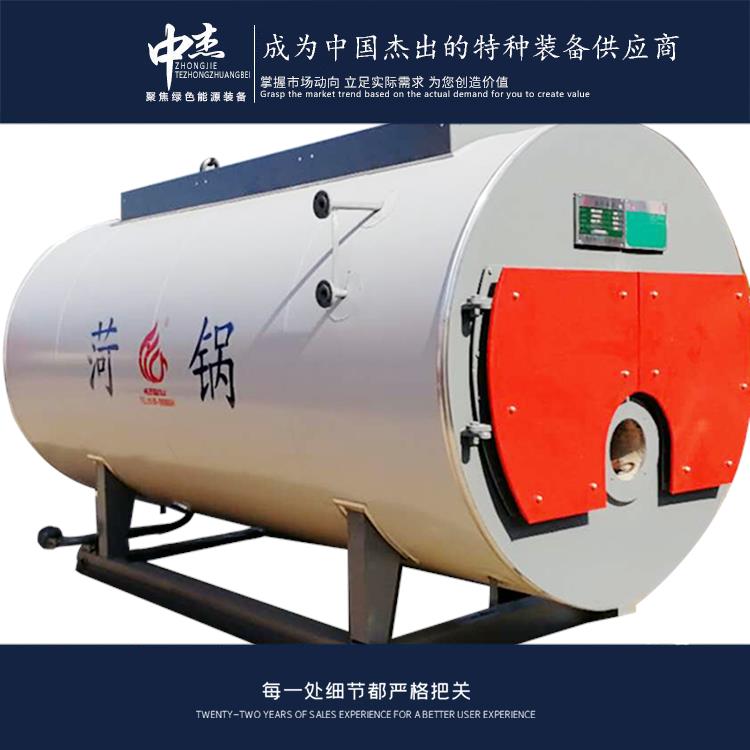

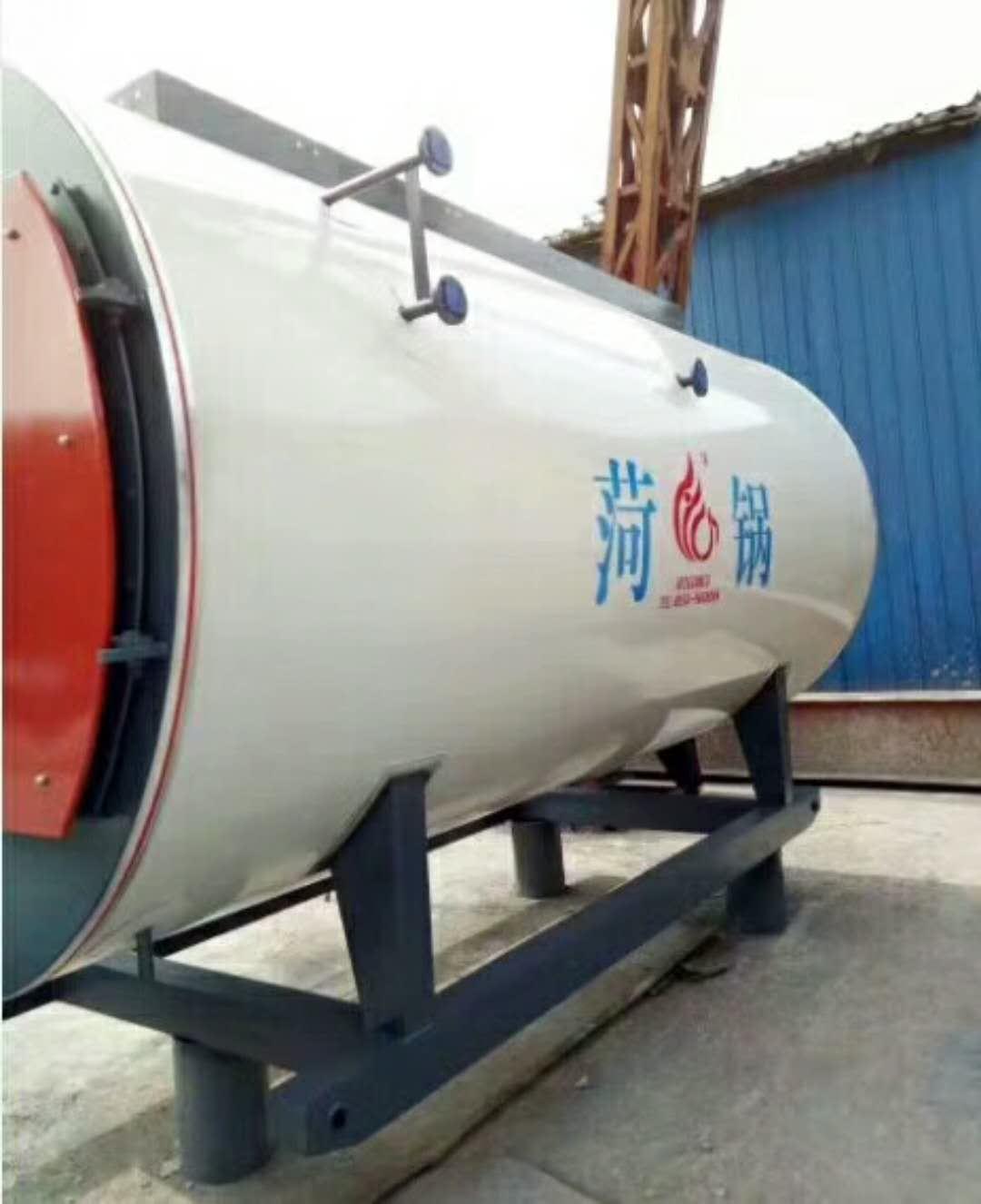
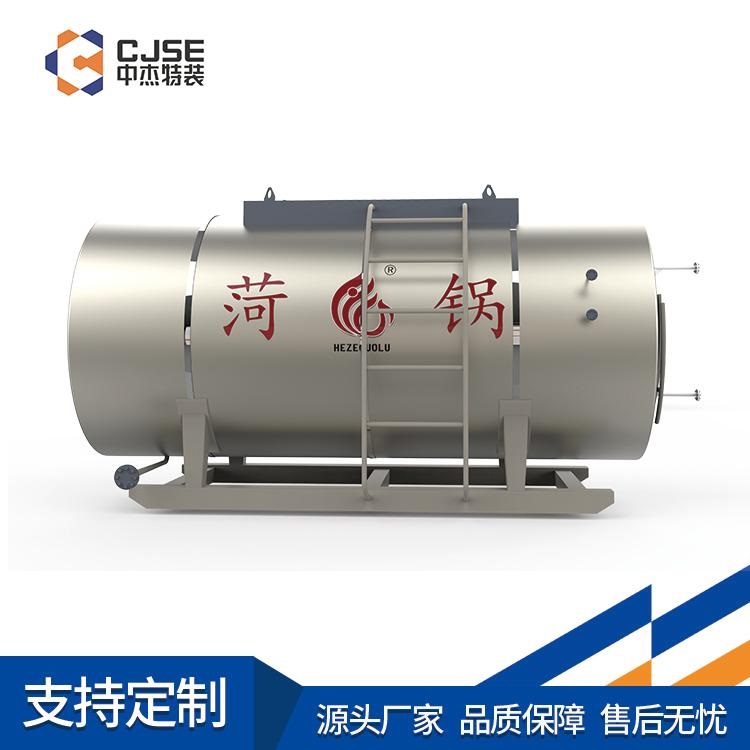


















Shandong Zhongjie Special Equipment (formerly Heze Boiler Factory Co., Ltd.) holds an A-grade boiler manufacturing license, an A2-grade pressure vessel manufacturing license, an A2-grade pressure vessel design license, a B-grade boiler installation license, and GB2/Class, GC2/Class pressure pipeline installation licenses, as well as an electromechanical equipment installation contracting qualification. It is a member of the China Boiler and Water Treatment Association, the China Chemical Equipment Association, and the director unit of the Shandong Equipment Manufacturing Association. The company has also passed certifications for the ISO9001 Quality Management System, ISO14001 Environmental Management System, OHSAS18001 Occupational Health and Safety Management System, and the American ASME/U2 certification.
The temperature control methods for gas boilers typically include:
Manual Adjustment: The temperature of a gas boiler is controlled by manually operating valves or regulators. Adjust the valve opening or regulator settings as needed to achieve the desired temperature.
Automatic Adjustment: Gas boilers can be equipped with automatic control systems that use sensors and controllers to automatically regulate temperature. Sensors detect the boiler's temperature and send signals to the controller, which then automatically adjusts the gas supply and burner status within a set temperature range to maintain the desired temperature.
Proportional Control: The temperature regulation of gas boilers can also be done using proportional control. Adjust the valve or regulator opening based on temperature changes to maintain a proportional relationship between gas supply and burner status.
PID Control: PID control is a commonly used temperature regulation method. The PID controller adjusts the gas supply and burner status based on temperature deviation, rate of change, and integral values to achieve temperature control.
It is important to note that different gas boilers may use different temperature control methods. The specific method and operation should be determined according to the boiler model and control system. When adjusting the temperature, follow safety operating procedures to ensure normal operation and safety performance of the boiler.
In textile processing factories, common types of boilers include the following:
- Steam Boilers: Steam boilers are one of the most commonly used types in textile processing. They produce high-pressure, high-temperature steam, which is used for thermal treatments, dyeing, boiling, and other processes in the textile manufacturing process. Steam boilers offer rapid heating, stability, and other advantages.
- Hot Water Boilers: Hot water boilers are suitable for low-temperature textile processing techniques such as washing and drying. They provide a stable supply of hot water with high precision in temperature control and low energy consumption.
- Hot Air Furnaces: Hot air furnaces are used for drying processes in textile manufacturing. They transfer heat energy to textiles through the hot air generated by combustion, achieving quick drying. Hot air furnaces have the advantages of fast heating and high thermal efficiency.
When selecting the appropriate boiler type for a textile processing factory, consider the following factors:
- Processing Requirements: Determine the required heat medium (steam, hot water, hot air) and parameters such as working temperature and pressure based on the specific processing needs of the textile factory.
- Energy Costs and Efficiency: Consider the energy consumption and efficiency of different boiler types, choosing one that meets processing requirements and has high energy utilization efficiency.
- Environmental Requirements: Pay attention to the emission standards and environmental performance of the boilers, selecting the appropriate type accordingly.
- Maintenance and Operation: Evaluate the ease of maintenance and operation, ensuring the boiler can be efficiently managed and maintained.
If a gas boiler gas leak is detected, immediate actions must be taken to address it:
1. Immediately shut off the gas supply: First, quickly close the gas supply valve to cut off the gas supply. This prevents further leakage and reduces safety risks.
2. Ventilate the area: Open windows and doors to ensure proper indoor air circulation and expel any remaining gas. This lowers the indoor gas concentration, reducing the risk of explosion and poisoning.
3. Avoid open flames and electrical appliances: In the event of a gas leak, avoid using open flames and electrical equipment to prevent fires or sparks that could trigger an explosion.
4. Do not operate electrical switches: Do not operate electrical switches, including lights, TVs, computers, etc., to prevent sparks that could cause an accident.
5. Contact the gas company or personnel: Promptly contact the local gas company or personnel to report the gas leak and request their inspection and handling.
6. Do not use a phone or make calls: In case of suspected gas leakage, do not use a phone or make calls to avoid static electricity that could cause an explosion.
7. Keep away from the leak area: Keep a safe distance from the leak area to ensure personal safety. Do not approach the gas boiler or the leak point to avoid injury.
Remember, handling a gas boiler gas leak is a dangerous task that requires caution. It is best left to professionals to ensure safety.
For the maintenance of industrial gas-fired boilers, here are some common methods and precautions: Clean the burner: Regularly clean the interior and nozzle of the burner to ensure normal combustion of the gas, avoiding carbon accumulation and blockages. Inspect the gas supply system: Regularly inspect the gas supply system, including gas pipes, valves, and pressure regulators, to ensure normal gas supply, no leaks, or blockages. Clean the flue and heat exchanger: Regularly clean the flue and heat exchanger to remove dust and dirt, maintaining heat exchange efficiency, and avoiding overheating and energy loss. Check water level and pressure: Regularly check the boiler's water level and pressure to ensure safe operation within the specified range. Refill water and adjust pressure to avoid issues caused by low or high water levels. Inspect safety devices: Regularly inspect the boiler's safety devices, including safety valves, pressure switches, and water level controllers, to ensure proper functioning and safe operation. Check the control system: Regularly inspect the boiler's control system, including automatic controllers, sensors, and instruments, to ensure accuracy and reliability, and to promptly detect and repair faults. Regular maintenance: Conduct regular maintenance, including lubricating parts, replacing worn components, and checking electrical connections, to extend the boiler's lifespan and stability. Keep records: Record the boiler's operating parameters, maintenance records, and fault situations to help promptly identify issues and analyze operating conditions. Train operators: Ensure operators are sufficiently
Shandong Zhongjie Special Equipment, welcome customers to our factory for business discussions.
WeChat Official Account

Scan to follow Official Account



















