


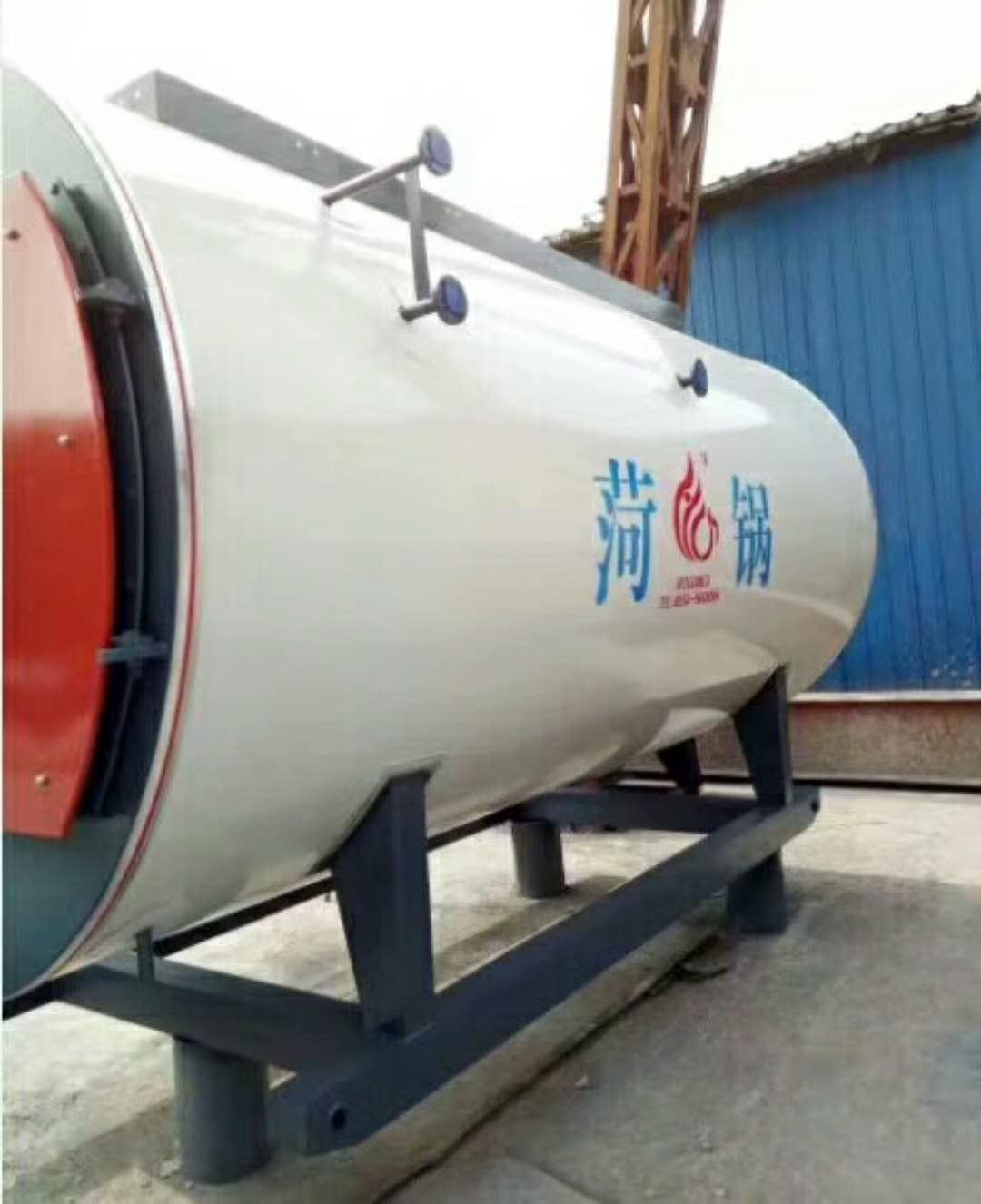

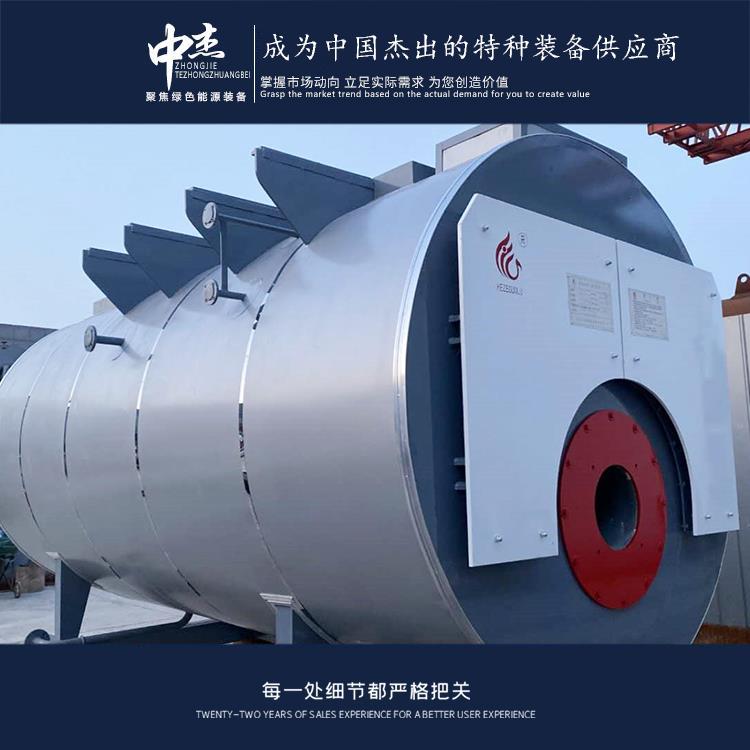
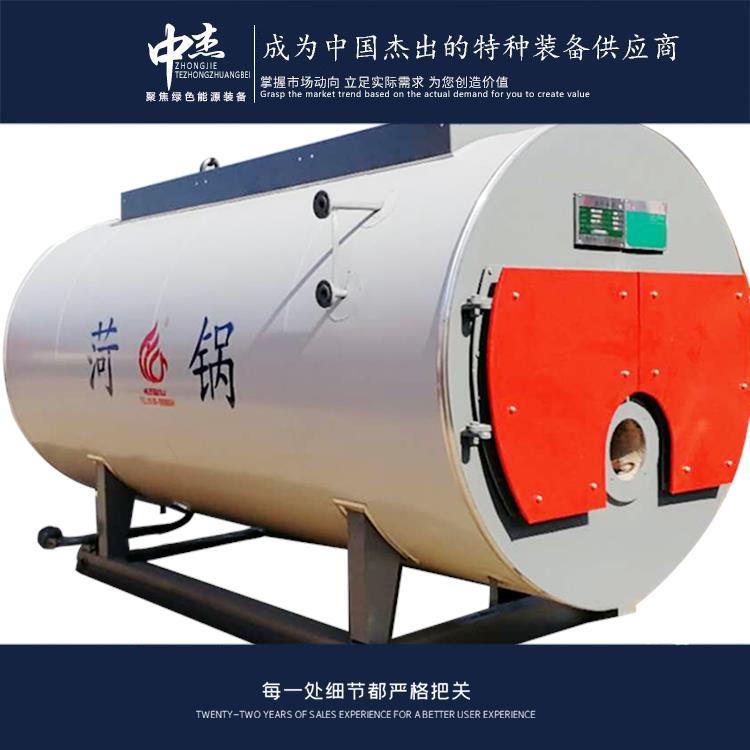


















Shandong Zhongjie Special Equipment's main products include: fuel (gas) boilers, organic heat carrier boilers, biomass boilers, waste heat boilers, and other boiler products; vacuum insulation cryogenic pressure vessels such as LNG tanks, oxygen/nitrogen/argon tanks, and CO2 tanks; pressure vessel products such as denitrification engineering equipment, heat storage and energy storage equipment, and complete chemical equipment; central air conditioning and HVAC equipment such as ground (water) source heat pumps, air source units, water-cooled screw units, and air-cooled modular units. Planned products include large-scale energy centers, LNG transport vehicles, LNG tank containers, and other green energy equipment.
WNS Low-Nitrogen Condensing Hot Water Boilers offer the following advantages:
- Low Nitrogen Emissions: Utilizing low-nitrogen combustion technology, these boilers significantly reduce NOx emissions through optimized combustion processes and burner design. This helps minimize environmental pollution.
- High Thermal Efficiency: With condensing technology, these boilers enhance energy utilization by recovering heat from flue gases, typically achieving over 90% efficiency, surpassing traditional hot water boilers. This aids in energy conservation and cost reduction.
- Safety and Reliability: Equipped with a control system and safety devices, these boilers have excellent safety performance. They come with multiple safety features like overheat protection, overpressure protection, and water level protection, which automatically monitor and control the boiler's operation to ensure safe operation.
- Versatility: Suitable for various applications including industrial, commercial, and residential settings, these boilers can adapt to different thermal load requirements, offering strong flexibility. They can also be integrated with other systems like solar hot water systems and ground source heat pump systems to further improve energy efficiency.
- Easy Operation and Maintenance: The operation and maintenance of WNS Low-Nitrogen Condensing Hot Water Boilers are straightforward.
After the hot water boiler is shut down, here are some common maintenance measures:
1. Clean the boiler: After shutdown, the boiler should be cleaned first. Dust, dirt, and sediment inside the boiler can be washed with appropriate cleaning tools and detergents. Pay special attention to cleaning the combustion chamber, flue, and heat exchanger, etc.
2. Drain the water: Empty the water from the boiler to prevent the accumulation of scale and corrosive substances. Open the drain valve to drain the water until the interior of the boiler is completely empty.
3. Anti-corrosion treatment: Before the boiler is shut down, anti-corrosion treatment can be applied to prevent the corrosion of the internal metal materials. Suitable anti-corrosion agents or coatings can be used for treatment and applied to the key parts of the boiler.
4. Inspection and maintenance: During the shutdown period, regularly inspect the various components and connections of the boiler to ensure there are no loose, damaged, or leaking issues. If problems are found, repair or replacement should be done promptly.
5. Keep dry: After shutdown, the interior of the boiler should be kept dry. Open the ventilation and exhaust ports of the boiler to maintain air circulation and prevent moisture and mold growth.
6. Regular inspection: Regularly check the condition of the boiler to ensure there are no abnormal situations. A corresponding inspection plan can be formulated based on the boiler's usage and requirements, such as a comprehensive check every quarter or year.
7. Preparations before startup: Before restarting the boiler, appropriate preparations should be made. This includes cleaning the boiler, checking the connections of equipment and pipelines, and inspecting the fuel supply, etc.
The main benefits of installing expansion tanks in a thermal oil furnace are as follows:
- Alleviate thermal expansion and contraction: During operation, the thermal oil furnace experiences thermal expansion and contraction due to temperature changes. The expansion tank provides space for the thermal oil to expand, mitigating the impact of thermal expansion and contraction on equipment and pipes, and preventing stress concentration and equipment deformation caused by it.
- Protect equipment and pipes: The expansion tank absorbs the expansion and contraction of the thermal oil, reducing impact and vibration on equipment and pipes. This helps extend the lifespan of equipment and pipes, reducing the frequency of maintenance and replacement.
- Reduce leakage risk: The expansion tank provides a sealed space, minimizing the risk of thermal oil leakage. When the thermal oil expands, excess oil can be accommodated through the expansion tank, preventing leaks and environmental pollution.
- Facilitate maintenance and repair: The presence of an expansion tank makes it easier to maintain and repair the thermal oil furnace system. When equipment or pipes need to be repaired or replaced, the flow and shutdown of the thermal oil can be controlled through the expansion tank, reducing downtime and the difficulty of maintenance.
-In summary, the expansion tank plays a role in alleviating thermal expansion and contraction, protecting equipment and pipes, reducing leakage risk, and facilitating maintenance and repair in the thermal oil furnace system. It is an important design element that contributes to enhancing the safety and reliability of the thermal oil furnace system.
Prior to ignition, the preparation of a steam boiler involves several steps:
- Clean the boiler: First, it's necessary to clean the internal and external dirt and impurities from the boiler. This includes removing ash, sediments, and soot to ensure combustion and heat exchange efficiency.
- Inspect fuel supply: Check the fuel supply system to ensure a smooth flow of fuel. Inspect fuel storage tanks, conveying pipes, and filters, clearing blockages and replacing damaged components.
- Examine the burner: Check the operational status and cleanliness of the burner. Clean the burner's nozzle and flame detector to ensure proper functioning.
- Check the gas system: For gas boilers, inspect the gas supply system. Examine gas pipes, valves, and pressure regulators to ensure safe and stable gas supply.
- Monitor water level and pressure: Check the boiler's water level and pressure. Ensure the water level is within the normal range, with stable and compliant pressure. Add water and adjust pressure as necessary.
- Inspect safety devices: Check the boiler's safety equipment such as safety valves, pressure switches, and water level controllers. Ensure these safety devices are operating correctly for the safe operation of the boiler.
- Prepare ignition tools: Prepare the tools and equipment required for ignition, such as an ignition rod, igniter, and light. Ensure these tools are functioning properly and are safe to use.
- While performing these preparation tasks, follow relevant operational procedures and safety requirements to ensure safety and effectiveness. If unsure about the preparation process, it is advisable to consult experts or the boiler manufacturer for guidance.
Our company highly values technological innovation and R&D, boasting one municipal-level enterprise technology center in Heze City. We have established testing facilities for non-destructive testing, physical and chemical testing, welding testing, hydrostatic testing, etc. We are equipped with over 600 types of equipment, including CNC machine tools, X-ray flaw detectors, digital ultrasonic flaw detectors, mechanical property testing machines, chemical analyzers, spectrometers, tensile testing machines, plasma welding machines, and more. The key products we have developed, such as temperature and pressure vessel welding, biomass boiler emission reduction, and waste heat utilization, have successively been included in multiple Shandong Provincial Department of Industry and Information Technology scientific and technological innovation projects, key projects in Shandong Province, and Heze City innovation and excellence projects. We have cumulatively obtained 27 authorized utility model patents, 16 authorized invention patents, participated in drafting 2 standards, 2 industry standards, and registered 15 trademarks. Our technical team, in collaboration with Professor Yajiang Li of Shandong University, has developed deep cryogenic container processing technology using the international plasma arc + wire feeding argon arc welding (PAW-GTAW) technique. After provincial-level scientific and technological achievement evaluation, the technology has reached an international level in the field of deep cryogenic container manufacturing.
Choose ZJET customized solutions, let's create brilliance together!
WeChat Official Account

Scan to follow Official Account



















