


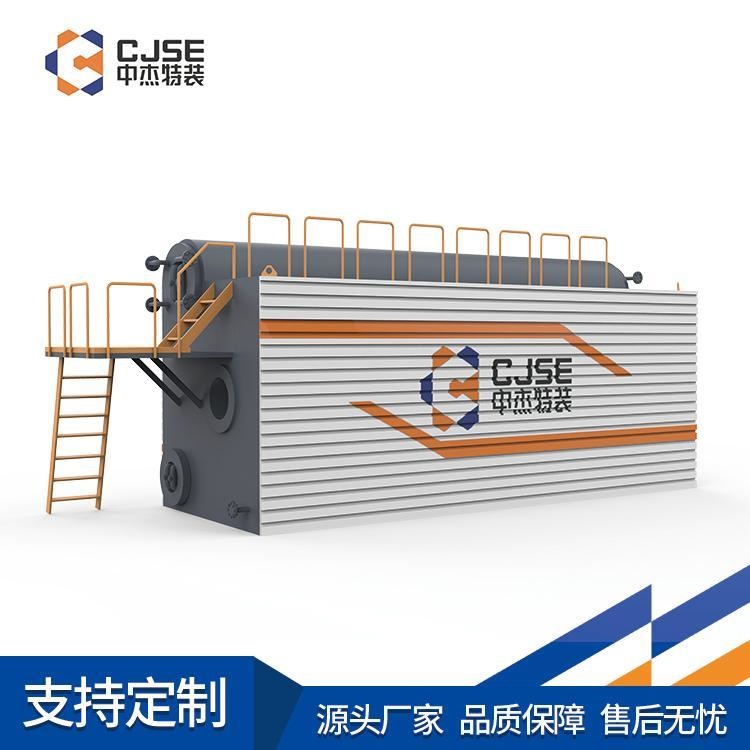

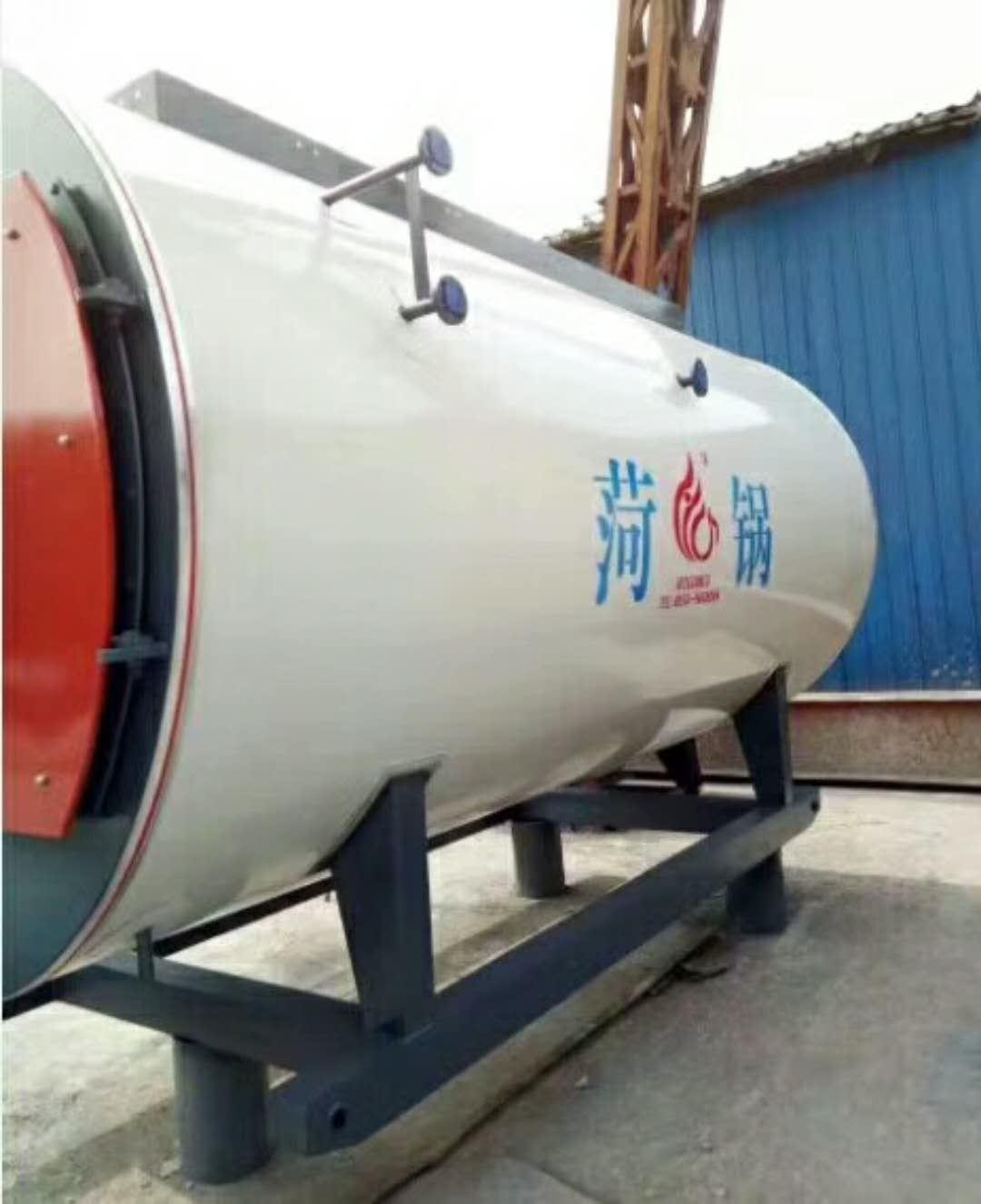
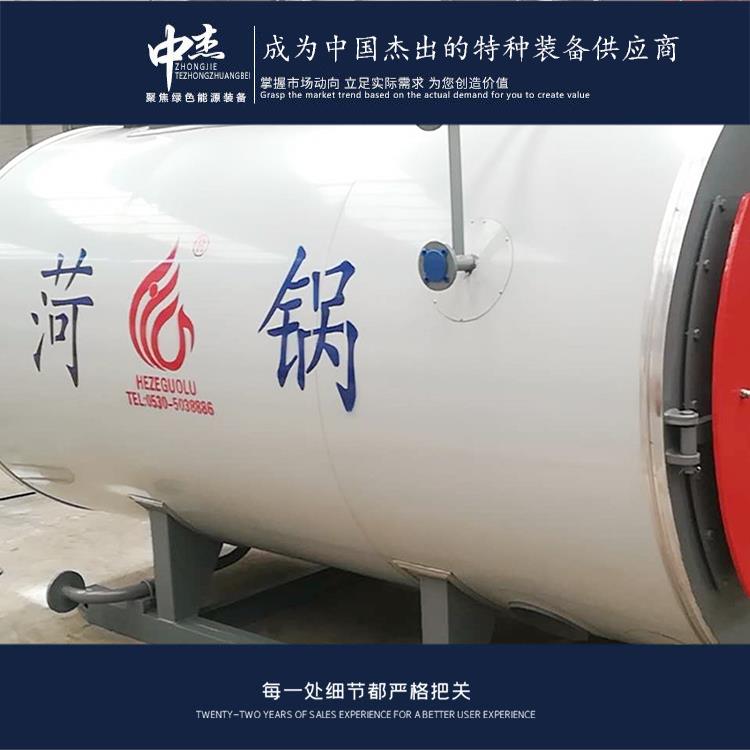


















Shandong Zhongjie Special Equipment (formerly Heze Boiler Factory Co., Ltd.) holds an A-grade boiler manufacturing license, an A2-grade pressure vessel manufacturing license, an A2-grade pressure vessel design license, a B-grade boiler installation license, and GB2/Class, GC2/Class pressure pipeline installation licenses, as well as a mechanical and electrical equipment installation contracting qualification. It is a member of the China Boiler and Water Treatment Association, the China Chemical Equipment Association, and the council member of the Shandong Equipment Manufacturing Association. The company has also passed the ISO9001 Quality Management System, ISO14001 Environmental Management System, OHSAS18001 Occupational Health and Safety Management System certifications, and the American ASME/U2 certification.
The key to maintaining a hot water boiler is regular maintenance and inspections. Here are some common maintenance steps and precautions:
Clean the burner and flue: Regularly clean the burner and flue to remove accumulated ash and dirt, maintaining combustion and heat exchange efficiency. Use cleaning tools and equipment as per the operation manual.
Check water level and pressure: Regularly inspect the water level and pressure of the hot water boiler to ensure safe operation within the specified range. Refill water and adjust pressure to avoid issues caused by low or high water levels.
Inspect water quality: Conduct regular water quality tests to check for hardness, alkalinity, oxygen content, and other indicators. Take appropriate water treatment measures based on test results, such as descaling and replenishing missing chemicals, to prevent scale and corrosion from damaging the boiler.
Check safety devices: Regularly inspect the safety devices of the hot water boiler, including safety valves, pressure switches, and water level controllers, to ensure proper functioning and safe operation.
Inspect the electrical system: Regularly check the boiler's electrical system, including power connections, controllers, and sensors, to ensure the normal operation of electrical equipment and avoid electrical faults.
Regularly drain: Regularly drain the wastewater and impurities from the boiler to avoid their impact on the boiler. Develop a reasonable drainage plan based on the boiler's usage and water quality conditions.
Keep records and monitor: Record the boiler's operating parameters, maintenance records, and fault situations, and regularly monitor and analyze them to identify and address issues promptly.
Train operators: Ensure that operators are adequately trained.
A thermal oil heater is a device that uses thermal oil as a heat medium, transferring heat energy generated by combustion or electric heating to the equipment or process that requires heating. The working principle of a thermal oil heater involves heating the thermal oil to a certain temperature, then circulating it through a pump to the heated equipment or process, transferring heat to the heated object. The thermal oil exchanges heat with the heated object in the heat exchanger, raising the object's temperature while the oil cools down and returns to the furnace for reheating. The heat transfer process in a thermal oil heater primarily relies on the thermal conductivity of the oil. Thermal oil has a high thermal conductivity, enabling rapid heat transfer to the heated object, achieving effective heating. Additionally, it boasts high thermal stability, allowing stable operation at high temperatures without decomposition or oxidation. Thermal oil heaters typically consist of the furnace body, combustion system, flue system, heat exchanger, circulating pump, and control system. The furnace body is the main part of the heater, used to contain the thermal oil and the combustion system. The combustion system is responsible for burning fuel to produce heat and heat the thermal oil. The flue system is used to exhaust the combustion gases. The heat exchanger is the equipment where the thermal oil exchanges heat with the heated object. The circulating pump is in charge of circulating the thermal oil back to the furnace for reheating. The control system monitors and controls the operation of the thermal oil heater to ensure safe and stable operation. Thermal oil heaters offer high temperature control accuracy, fast heating speed, low energy consumption, and easy operation, and are widely used in industrial fields such as chemicals, textiles, food processing, papermaking, and some special heating processes.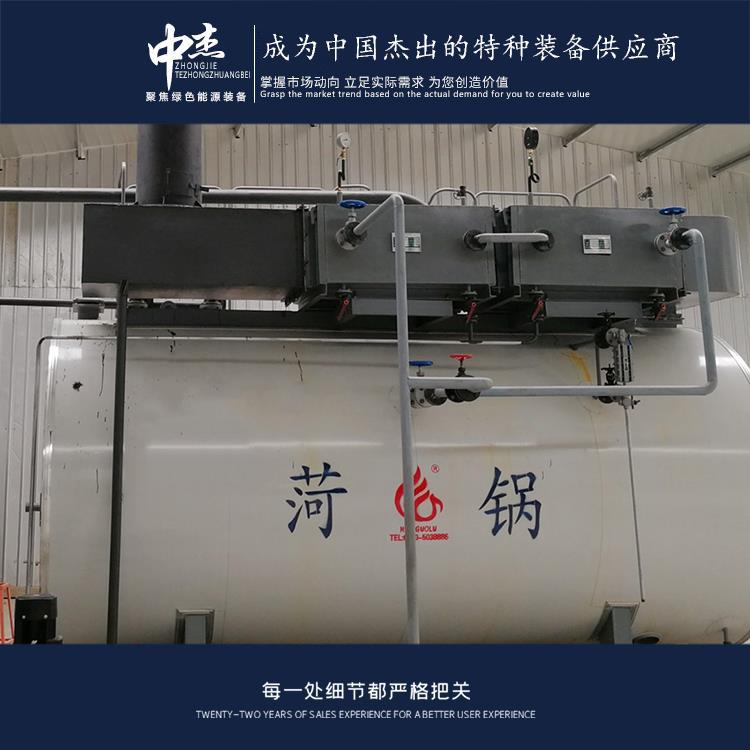
During the operation of a thermal oil furnace, several important points should be noted:
- Temperature Control: During the operation of the thermal oil furnace, it is crucial to closely monitor and control the temperature of the thermal oil. Ensure the temperature remains within a safe range to avoid decomposition of the oil at high temperatures or condensation and scaling at low temperatures. Regularly check and calibrate the temperature sensors to ensure accurate temperature readings.
- Pressure Control: The operation of the thermal oil furnace requires maintaining an appropriate working pressure. Excessive pressure can lead to equipment damage or leaks, while insufficient pressure can result in reduced heat transfer efficiency. Regularly inspect and maintain the pressure gauge and safety valve to ensure accurate and safe pressure control.
- Oil Quality and Cleanliness: The quality and cleanliness of the thermal oil are vital for the normal operation of the furnace. Regularly inspect and replace the thermal oil to ensure it meets quality and performance requirements. Regularly clean and maintain heat exchangers, burners, and flues to prevent the accumulation of dust and debris that can affect heat transfer efficiency.
- Regular Maintenance and Inspection: The thermal oil furnace requires regular maintenance and inspection to ensure proper operation and extend its lifespan. Regularly inspect and clean burners, flues, and heat exchangers, check and replace seals and valves, inspect and calibrate safety devices, to ensure the equipment's safety and reliability.
- Safe Operation: Strict adherence to operational procedures and safety protocols is required during the operation of the thermal oil furnace. Operators must possess relevant skills and knowledge.
The flow rate standard for thermal oil in the oil tubes of a thermal oil furnace is typically determined by specific application and equipment requirements, with no fixed, uniform value. Generally, the flow rate of thermal oil within the tubes should be maintained within a reasonable range to ensure proper equipment operation and heat transfer efficiency. Excessive flow rates of thermal oil may lead to issues such as increased system pressure loss, higher pump power consumption, increased pipeline friction loss leading to energy loss, and increased system noise and vibration. On the other hand, low flow rates of thermal oil can cause problems such as insufficient heat transfer affecting equipment efficiency, prolonged residence time in the pipeline which can lead to oxidation and thermal decomposition, impacting the lifespan of the thermal oil, and the formation of carbon deposits in the pipeline, increasing resistance and affecting fluid flow. Therefore, when designing and operating a thermal oil furnace system, it is necessary to consider specific equipment parameters, the properties of the thermal oil, and pipeline layout, among other factors, to determine an appropriate flow rate. Typically, the flow rate should be between 0.5-2.0 m/s, but the specific value needs to be adjusted and optimized based on actual conditions. In practice, the flow rate of thermal oil can be controlled by monitoring and adjusting the pump flow and pipeline resistance to meet the equipment's heat energy demands and operational requirements.
ZJ Special Equipment adheres to the grand vision of "realizing employees' dreams, creating value for customers, and striving for the prosperity and strength of our motherland," focusing on the development of green energy equipment. We dedicate high-value products and services to society!
WeChat Official Account

Scan to follow Official Account



















