



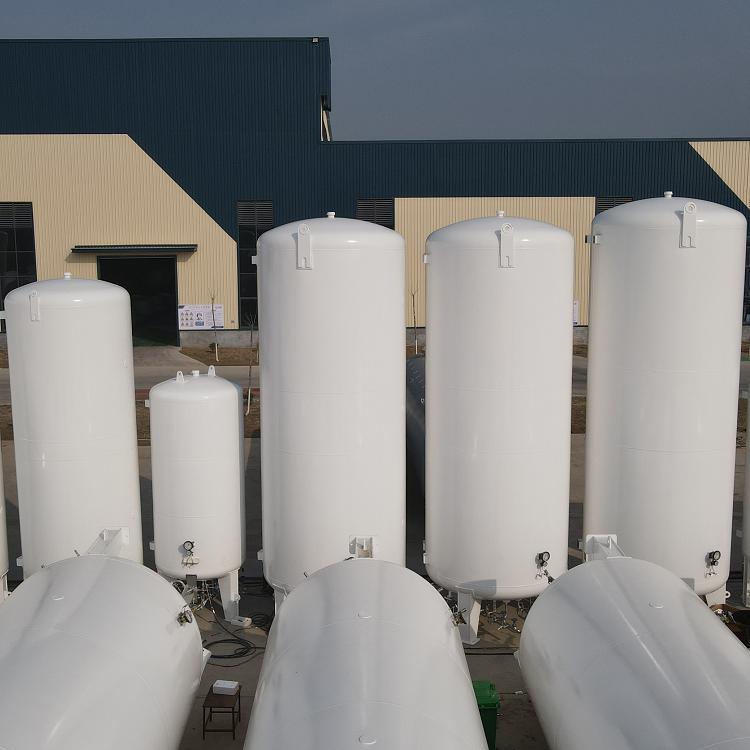
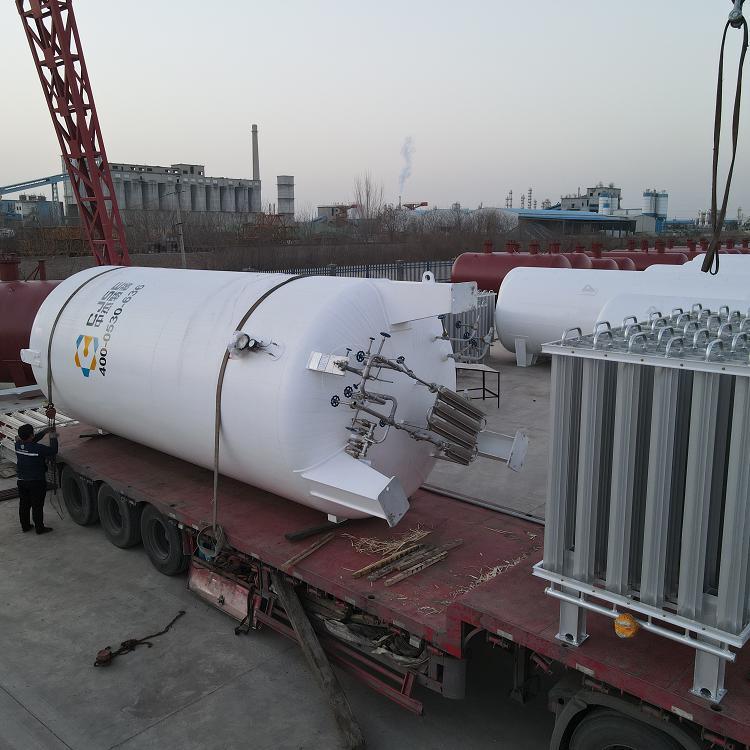


















Shandong Zhongjie Special Equipment specializes in: fuel (gas) boilers, organic heat carrier boilers, biomass boilers, waste heat recovery boilers, and other boiler products; vacuum insulation cryogenic pressure vessels such as LNG storage tanks, oxygen-nitrogen argon storage tanks, and CO2 storage tanks; pressure vessel products including denitrification engineering equipment, heat storage and energy storage equipment, and complete chemical equipment; as well as central air conditioning and HVAC equipment like ground (water) source heat pumps, air-source units, water-cooled screw units, and air-cooled modular units. Planned products include large-scale energy centers, LNG transport vehicles, and LNG tank containers, among other green energy equipment.
The materials used for liquid oxygen storage tanks typically require excellent low-temperature resistance and corrosion resistance. Common materials for manufacturing liquid oxygen storage tanks include:
Stainless Steel: A commonly used material for liquid oxygen storage tanks, stainless steel boasts excellent corrosion resistance and mechanical strength. Common stainless steel grades include 304 and 316.
Aluminum Alloy: Aluminum alloys are also commonly used in the manufacturing of liquid oxygen tanks, featuring low density and excellent corrosion resistance. Common aluminum alloy materials include 5083 and 6061 alloys.
Fiberglass Reinforced Plastic (FRP): FRP is a composite material made up of glass fibers and resin. It boasts excellent corrosion resistance and mechanical strength, making it suitable for liquid oxygen storage tanks in special environments.
Carbon Steel: Carbon steel is a common material for making tanks, known for its high strength and corrosion resistance. However, it is prone to oxidation in liquid oxygen environments, necessitating anti-corrosion measures.
It's important to note that the choice of material for liquid oxygen storage tanks should be determined based on specific application requirements, working environment, and safety standards. When selecting materials, consider the properties of liquid oxygen and the design requirements of the tank to ensure safety and reliability. Additionally, manufacturers and suppliers often provide material selection advice and technical support.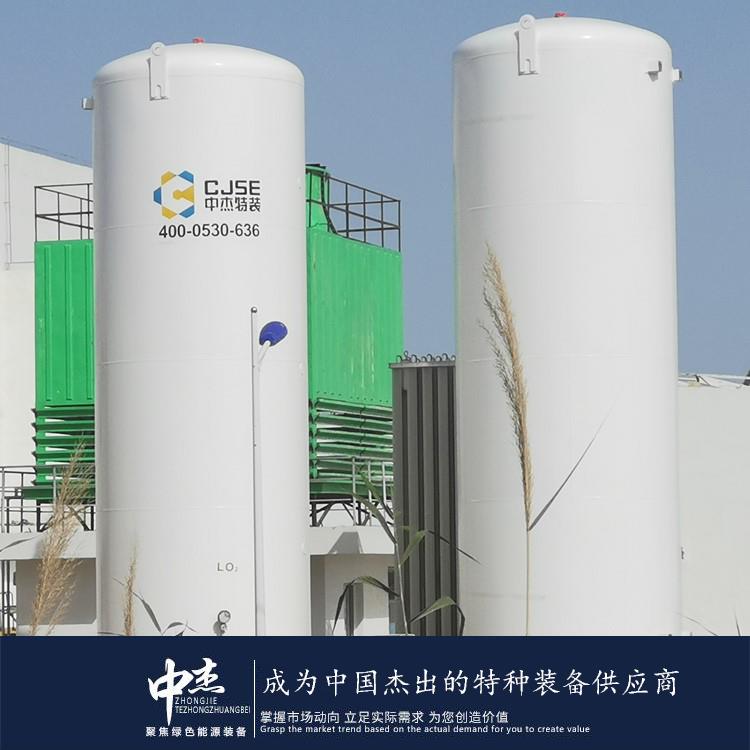
The low-temperature storage tank boasts several advantages:
Storage: Low-temperature storage tanks can keep liquid low-temperature substances (such as liquid nitrogen, liquid oxygen, etc.) at low temperatures, maintaining their liquid state. Compared to gas storage, liquid storage significantly increases storage density and saves space.
Long-Term Storage: Low-temperature storage tanks can store low-temperature materials for extended periods, extending their service life. By controlling the tank's internal temperature and the performance of the insulation layer, the evaporation and oxidation of the liquid material can be slowed, maintaining its stability and purity.
Safety: The low-temperature storage tank boasts excellent safety performance. The tank is made of special materials and designed with a structure that can withstand low temperatures and high pressures. Additionally, the tank is equipped with safety devices such as pressure relief valves and level alarms to ensure safe operation and use.
Versatile Applications: Low-temperature storage tanks are widely used across various fields. They can be used for storing liquid oxygen and providing oxygen supply; in industrial applications, they are suitable for storing liquefied natural gas (LNG) and other process gases like liquid nitrogen; in scientific research, they can store low-temperature experimental samples.
Environmental Protection and Energy Saving: Low-temperature storage tanks enable effective storage and utilization of low-temperature materials, reducing energy waste and environmental pollution. During the storage and transportation of liquid substances, energy loss is minimized, enhancing energy utilization efficiency.
In summary, low-temperature storage tanks offer advantages such as storage, long-term storage, safety, multi-field applications, and environmental protection and energy conservation. This makes low-temperature storage tanks a crucial equipment for storing and supplying low-temperature materials, playing a significant role in various fields.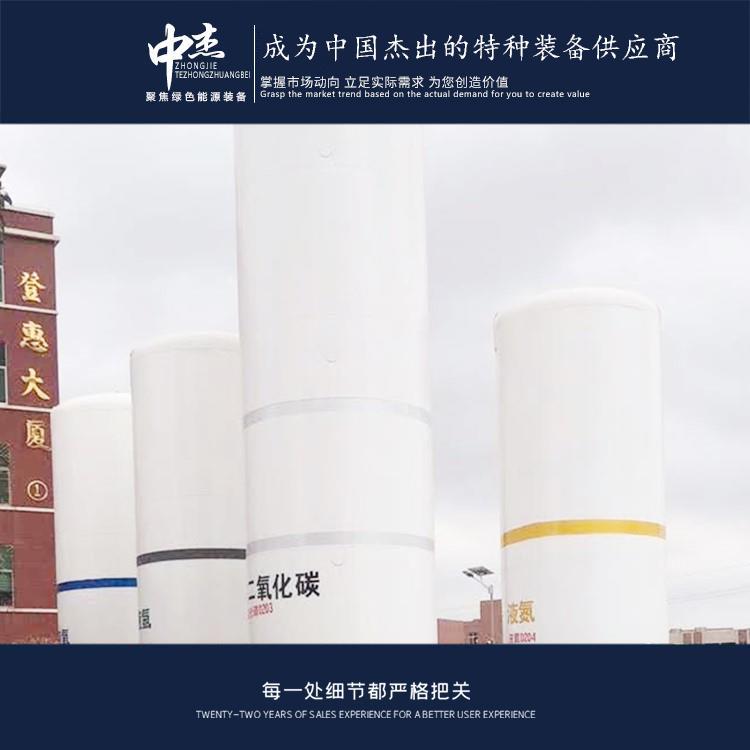
The oxygen filling process for liquid oxygen tanks must adhere to specific operational procedures and safety measures. Here are the steps for filling liquid oxygen tanks:
Preparation: Ensure that the storage tank and oxygen-filling equipment are in good working condition, and check the tank's seal integrity and the normal operation of the safety valve.
Connect equipment: Link the oxygenation equipment to the storage tank, ensuring the connection is sealed reliably.
Prepare liquid oxygen: Transfer liquid oxygen from the storage container to the oxygen storage tank of the oxygen-filling equipment. During the transfer, be cautious to prevent any leakage of liquid oxygen and avoid contact with it.
Oxygen Filling Operation: Open the valve of the oxygen filling equipment and fill liquid oxygen from the oxygen storage tank into the storage tank. During the filling process, control the filling speed and pressure to avoid excessive pressure and temperature rise in the storage tank.
Monitoring and Control: During the aeration process, it is necessary to monitor the tank's pressure and temperature to ensure they remain within safe limits. In the event of any anomalies, oxygenation should be halted immediately and appropriate actions taken.
Oxygen Filling Complete: Close the valve of the oxygen filling equipment and cease the filling operation once the tank reaches the required oxygen level or pressure.
Safety Handling: After oxygenation is complete, safety handling is required, including closing relevant valves and emptying the remaining liquid oxygen from the oxygenation equipment.
Note that liquid oxygen is highly oxidizing and flammable; the oxygen-filling process must strictly adhere to relevant safety operating procedures and standards. Operators should receive training and strictly follow the operational procedures and safety measures to ensure the safety and reliability of the oxygen-filling process.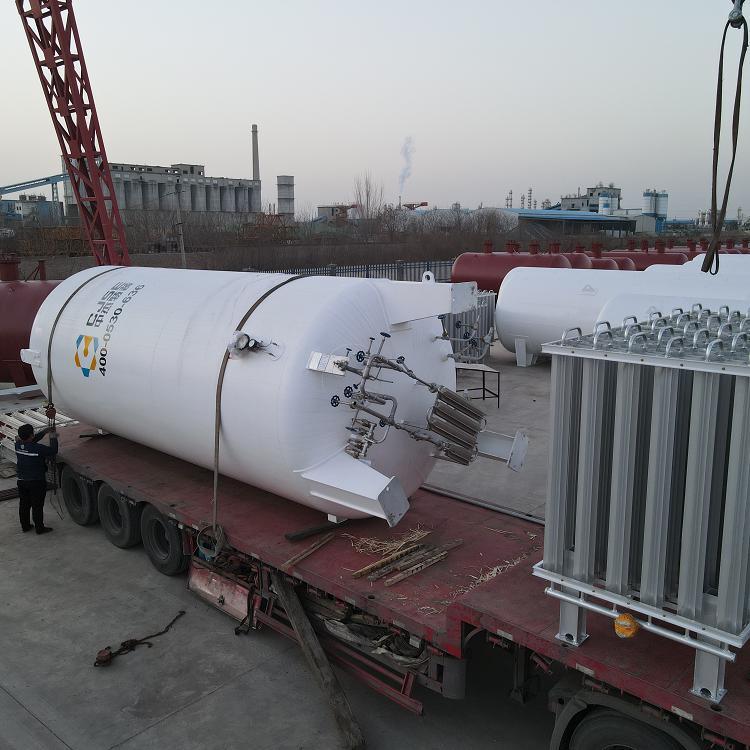
Oxygen storage tanks and liquid oxygen storage tanks are devices used for oxygen storage, but they have some distinctions:
- Storage Form: Oxygen storage tanks are typically used for storing gaseous oxygen, whereas liquid oxygen storage tanks are for storing liquid oxygen. Oxygen is in a gaseous state at room temperature but is cooled to a liquid state at low temperatures for more efficient storage and use.
- Storage Pressure: Oxygen storage tanks usually store high-pressure oxygen, with pressures around 200-300 bar. Liquid oxygen storage tanks store liquid oxygen at lower pressures, generally around 2-5 bar.
- Storage Capacity: Oxygen storage tanks usually have smaller capacities, suitable for personal or small-scale use. Liquid oxygen storage tanks have larger capacities, suitable for industrial or large-scale applications.
- Storage Method: Oxygen storage tanks store oxygen in a gaseous form, through compressed gas storage. Liquid oxygen storage tanks store oxygen as a liquid, by cooling it to below its boiling point to convert it into a liquid state.
- Safety Requirements: Due to the high oxidizing nature of liquid oxygen, liquid oxygen storage tanks require more stringent safety requirements in design and use. Liquid oxygen storage tanks typically need to have good thermal insulation protection, leak control, and fire prevention measures to ensure safe operation.
- It should be noted that the specific design and specifications of oxygen storage tanks and liquid oxygen storage tanks may vary depending on different regions and application sites. When using these tanks, it is necessary to follow applicable regulations, standards, and safety guidelines, and to cooperate with local regulatory authorities and individuals to ensure the safety and reliability of the tanks.
Zhejiang JieTec adheres to the grand vision of "realizing employees' dreams, creating value for customers, and striving for the prosperity and strength of our motherland," dedicatedly focusing on the development of green energy equipment industry, contributing high-quality products and services with competitive prices to society!
WeChat Official Account

Scan to follow Official Account



















