


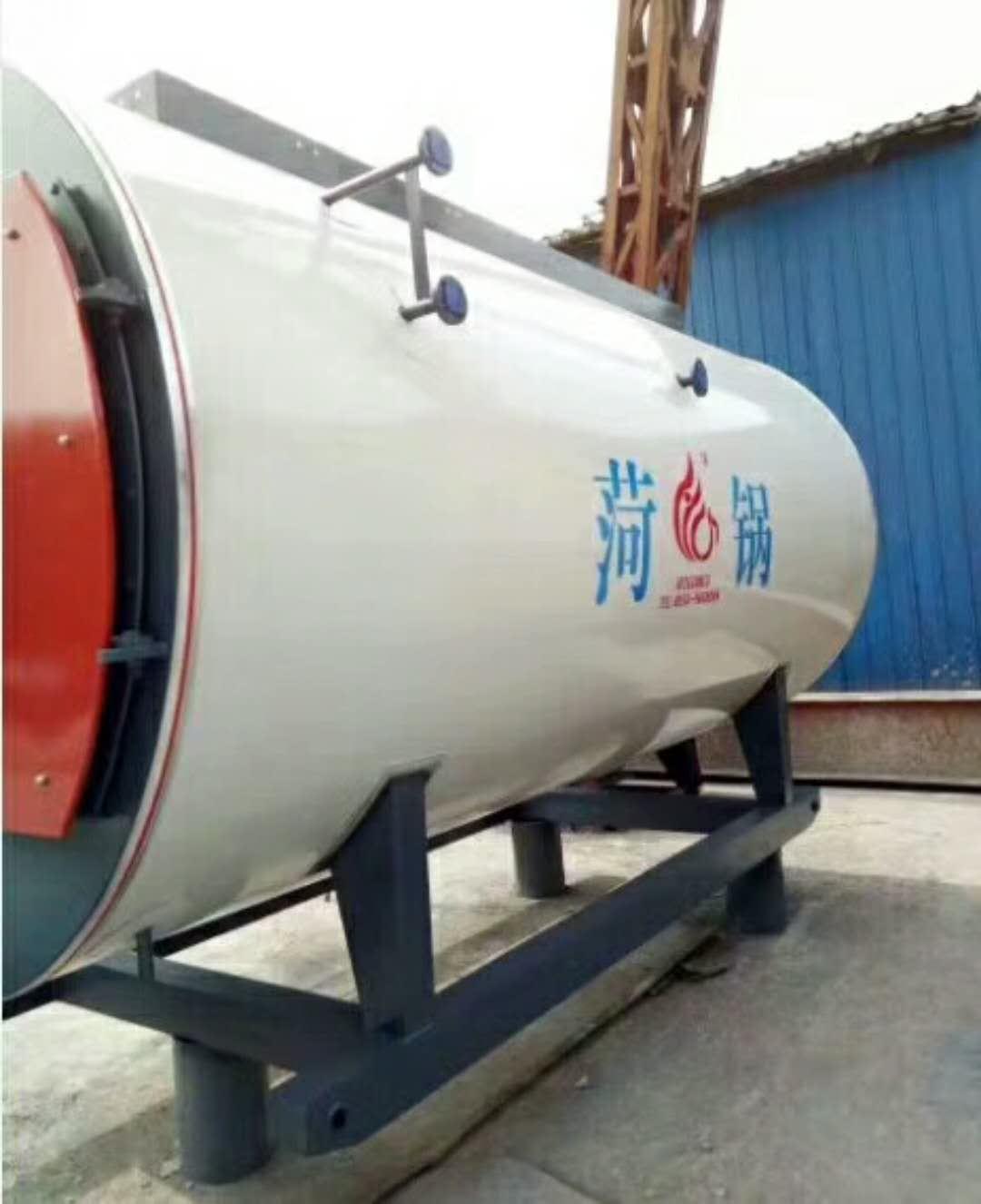

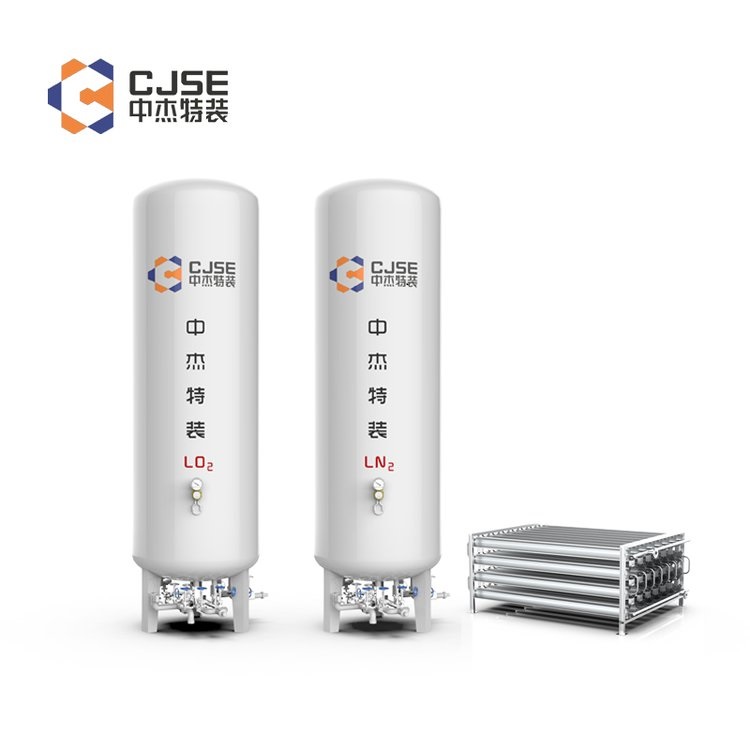


















Shandong Zhongjie Special Equipment Co., Ltd. specializes in the following products: fuel (gas) boilers, organic heat carrier boilers, biomass boilers, waste heat recovery boilers, and other boiler products; vacuum insulation cryogenic pressure vessels such as LNG tanks, oxygen/nitrogen/argon tanks, CO2 tanks; pressure vessel products including denitrification engineering equipment, heat storage and energy storage equipment, complete chemical equipment sets; central air conditioning and HVAC equipment such as ground (water) source heat pumps, air source units, water-cooled screw units, and air-cooled modular units. Planned products include large-scale energy centers, LNG transport vehicles, LNG tank containers, and other green energy equipment.
When applying coatings to carbon dioxide storage tanks, attention should be given to the following issues: Surface Preparation: Prior to coating, thorough surface preparation of the tank is essential. This involves cleaning the surface, removing grease, dirt, and old coatings to ensure the adhesion and quality of the coating. Paint Selection: Choosing the right paint for carbon dioxide storage tanks is crucial. The paint should possess corrosion-resistant, high-temperature resistance, and chemical resistance properties to protect the tank surface from corrosion and damage. Coating Technique: The selection and operation of the coating technique are vital for the quality and uniformity of the coating. Appropriate coating equipment and methods should be chosen to ensure the paint covers the entire tank surface evenly, and to avoid drips and runs. Coating Thickness: The thickness of the coating is critical for the protective effectiveness of the tank. The thickness should be controlled according to the paint requirements and the tank's operating environment to ensure the protective performance and lifespan of the coating. Drying and Curing: After the coating is applied, sufficient time must be allowed for drying and curing. Follow the correct drying time and conditions as per the paint requirements to ensure the quality and performance of the coating. Safety Measures: Appropriate safety measures must be taken during the coating process, including wearing protective eyewear, respirators, and protective clothing to ensure the safety of the operators. Quality Inspection: After coating is completed, a quality inspection should be conducted, including the appearance, adhesion, and thickness of the coating. Any issues or defects should be addressed and repaired promptly. It should be noted that coating carbon dioxide storage tanks should be performed by professionals.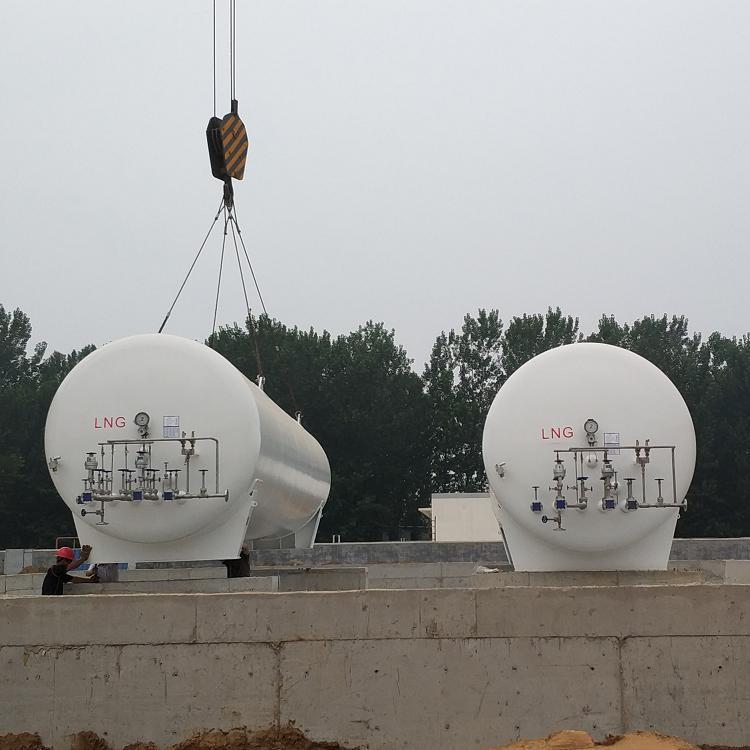
When storing CO2 storage tanks, the following requirements must be followed to ensure safety and effectiveness: Ventilation: Tanks should be stored in well-ventilated areas to avoid the accumulation of CO2 gas. Ensure adequate air circulation around the tank to prevent gas buildup and asphyxiation risks. Fire and Explosion Prevention: Keep tanks away from fire sources, high-temperature areas, and flammable materials. Avoid open flame operations near tanks to prevent fire and explosion risks. Sunlight Avoidance: Store tanks in a location shielded from direct sunlight to prevent overheating and pressure increase. Direct sunlight can raise tank temperatures, increasing the risk of leaks and explosions. Mechanical Damage Avoidance: Keep tanks away from machinery and heavy objects to prevent collisions and damage. Mechanical damage can lead to tank leaks or ruptures, causing safety hazards. Labeling and Warning Signs: Clearly label tanks with information such as the type of gas stored and pressure. Set up warning signs around the tanks to remind personnel of their presence and safety precautions. Regular Inspections: Conduct regular inspections of the tank's exterior, valves, and connections to ensure they are undamaged. Take immediate repair measures if any abnormalities are found. Storage Capacity Control: Control the storage capacity of the tanks to prevent exceeding the rated capacity. Exceeding the rated capacity can cause excessive tank pressure, increasing safety risks. Storage Records: Keep records of the tank's usage, including filling dates, filling amounts, and inspection records. Regularly perform tank inspections and maintenance, and retain relevant records. It is important to note that specific storage requirements may vary depending on tank type and application. When storing CO2 tanks, operate according to relevant specifications and standards and consult with experts to ensure safety and effectiveness.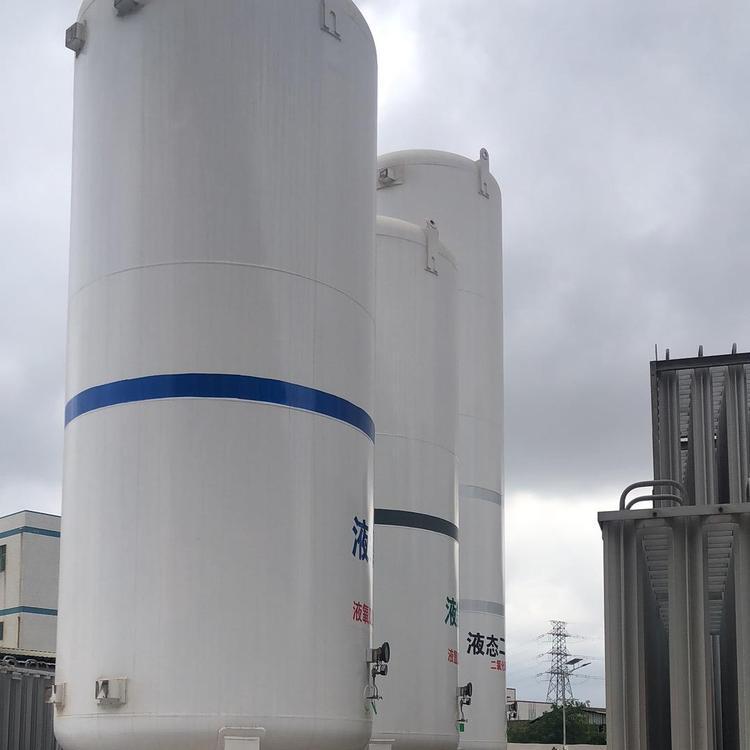
To maintain the stability of CO2 storage tanks, attention should be given to the following details:
- Foundation Design: The tank's foundation design must comply with relevant standards and regulations, ensuring adequate strength and stability. The foundation should consider the tank's weight, pressure, and geological conditions to ensure the tank is securely placed on the foundation.
- Insulation and Fastening Devices: Place appropriate insulation, such as rubber pads or steel plates, between the tank and the foundation to reduce friction and vibration. Simultaneously, use fastening devices like bolts or welding to secure the tank to the foundation, preventing movement and tilting.
- Site Leveling: The site for tank installation should be kept level with no significant tilting or unevenness. If there are tilting or uneven areas, adjustments and corrections must be made to ensure the tank's stability.
- Anti-seismic Measures: In areas prone to earthquakes, additional anti-seismic measures are required, such as setting up seismic supports and enhancing the tank's seismic resistance to improve stability.
- Regular Inspections: Conduct regular checks on the tank's fastening devices and connection points to ensure they are intact. Any loosening, wear, or damage should be repaired or replaced promptly.
- Load Distribution: Place uniformly distributed loads above the tank, such as platforms or pipelines, to balance the weight distribution and reduce the impact of uneven loads on stability.
- Safety Distance: The tank should maintain sufficient safety distances from other equipment, buildings, and fire sources to prevent accidental collisions or fires from affecting the tank's stability.
It should be noted that the installation of CO2...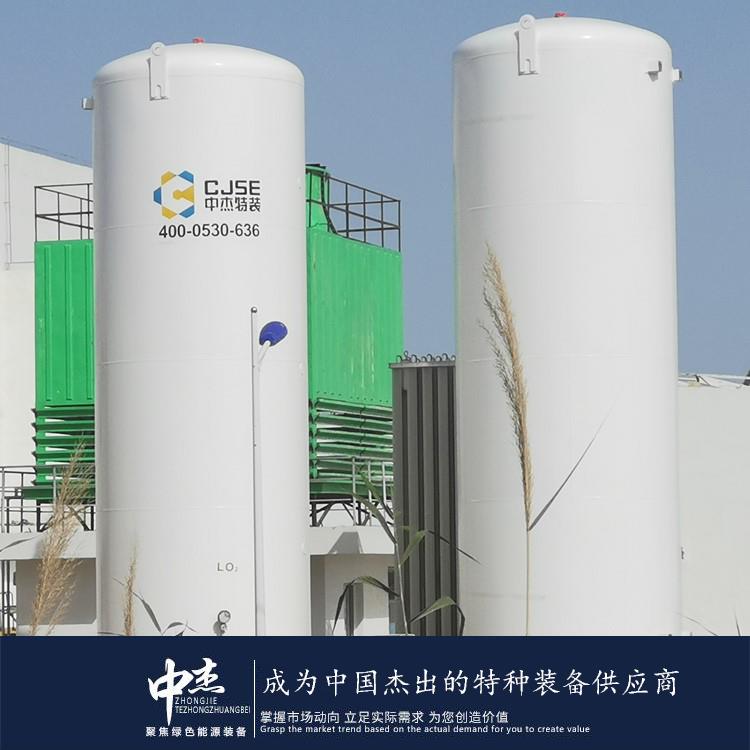
Carbon dioxide storage tanks are widely used across numerous industries. Here are some common industries with examples of their use of carbon dioxide storage tanks:
Beverage and Food Industry: Carbon dioxide is used as a carbonating agent for beverages and foods, utilized in the production of soda, beer, soft drinks, etc. Storage tanks are employed to store and supply carbon dioxide to meet production line requirements.
Industry: Carbon dioxide has various applications in industry, such as anesthesia, respiration, tissue freezing, and more. Storage tanks are used to store and supply medical-grade carbon dioxide to meet facility needs.
Fire Suppression: Carbon dioxide is extensively used in fire suppression systems, particularly in electrical and sensitive equipment. Storage tanks are used to store and supply fire-suppression carbon dioxide.
Gas Industry: Carbon dioxide is also a significant product in the gas industry, used in the manufacture of chemicals, metal processing, welding, gas shielding, etc. Storage tanks are used to store and supply industrial carbon dioxide.
Greenhouse Agriculture: Carbon dioxide can be used to promote plant growth in greenhouses, providing additional carbon dioxide concentration. Storage tanks are used to supply the required carbon dioxide for greenhouses.
Automotive Industry: Carbon dioxide is used for tire inflation and airbag systems in cars. Storage tanks are used to store and supply carbon dioxide to meet the needs of car manufacturing and maintenance.
These are just a few common industry examples. In reality, carbon dioxide storage tanks have extensive applications in many other industries, such as chemicals and frozen food. Specific uses may vary based on industry demands and application scenarios.
Our company highly values technological innovation and research and development. We possess 1 city-level enterprise technology center in Heze City, with facilities for non-destructive testing, physical and chemical testing, welding testing, hydrostatic testing, etc. We are equipped with over 600 pieces of various instruments and equipment, including CNC machine tools, X-ray flaw detectors, digital ultrasonic flaw detectors, mechanical property testing machines, chemical analyzers, spectrometers, tensile testing machines, plasma welding machines, and more. The key products and technologies we have developed, such as welding of temperature and pressure vessels, biomass boiler emissions reduction, and waste heat utilization, have successively been selected for multiple Shandong Provincial Department of Industry and Information Technology science and technology innovation projects, key provincial projects, and Heze City innovative and excellent projects. We have cumulatively obtained 27 authorized utility model patents, 16 authorized invention patents, participated in drafting 2 standards, 2 industry standards, and registered 15 trademarks. Our technical team, in collaboration with Professor Yajiang Li from Shandong University, has developed deep cryogenic container processing technology using the internationally recognized plasma arc + filler wire argon arc welding (PAW-GTAW) technique. After provincial-level scientific and technological achievement evaluation, our technology level has reached an international standard in the field of deep cryogenic container manufacturing. Choose Zhongjietong, let's create brilliance together!
WeChat Official Account

Scan to follow Official Account



















