


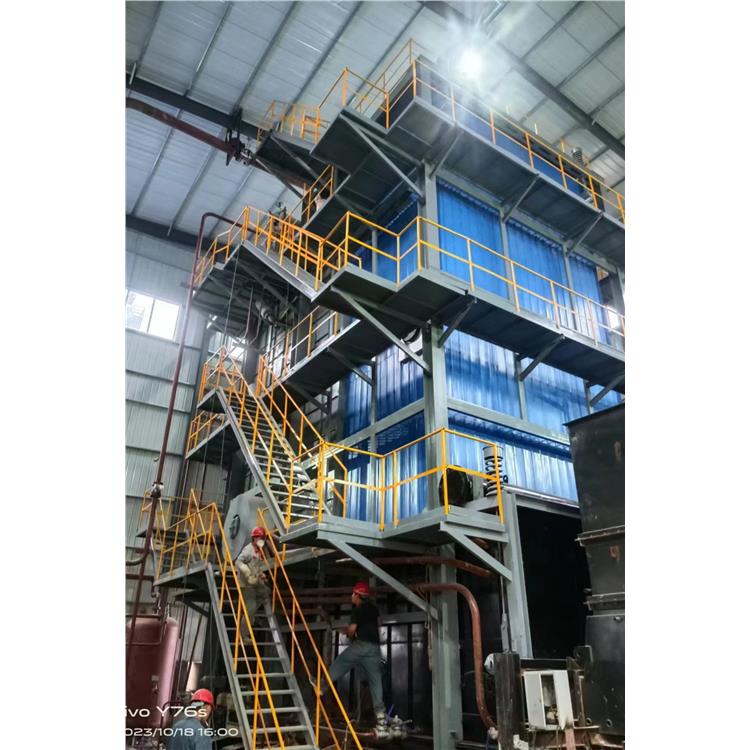

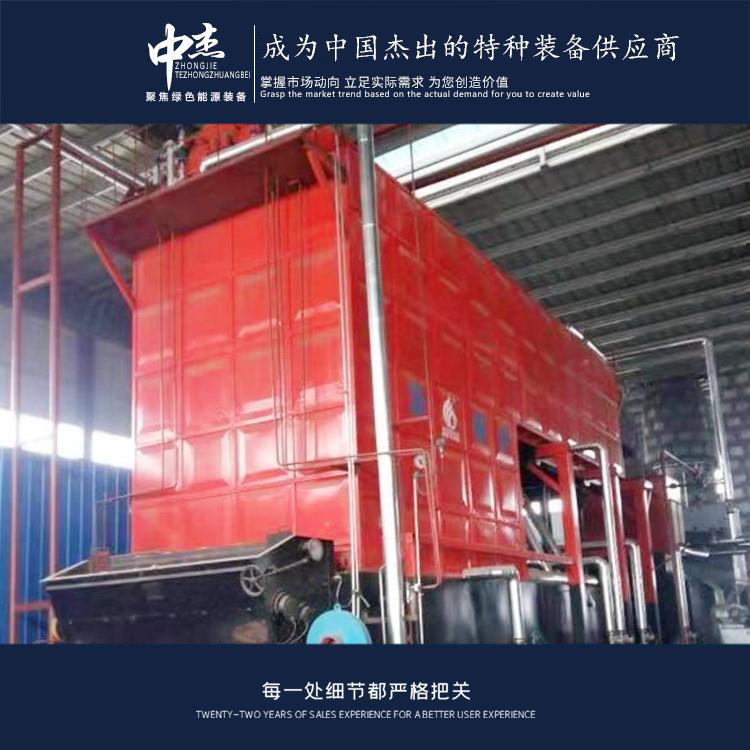
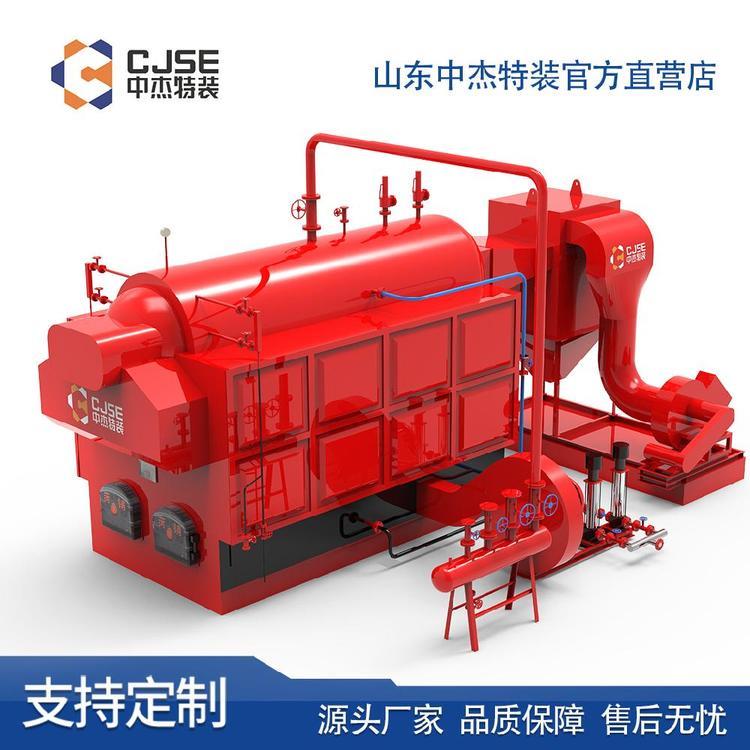


















Shandong Zhongjie Special Equipment (formerly Heze Boiler Factory Co., Ltd.) holds an A-grade boiler manufacturing license, an A2-grade pressure vessel manufacturing license, an A2-grade pressure vessel design license, a B-grade boiler installation license, and GB2/Class and GC2/Class pressure pipeline installation licenses, as well as a mechanical and electrical equipment installation contracting qualification. It is a member of the China Boiler and Water Treatment Association, the China Chemical Equipment Association, and the理事 unit of the Shandong Equipment Manufacturing Association. The company has also passed the ISO9001 Quality Management System, ISO14001 Environmental Management System, OHSAS18001 Occupational Health and Safety Management System certifications, and the American ASME/U2 certification.
Energy-saving methods for biomass hot water boilers mainly include the following aspects:
Fuel Selection: Opt for biomass fuel in bulk, such as wood chips, straw, etc., ensuring the moisture content and particle size meet the boiler's requirements. Low moisture content and appropriate particle size of the fuel can enhance combustion efficiency and reduce energy waste.
Combustion Optimization: Enhance combustion efficiency by optimizing the combustion process. Adjust combustion parameters, such as combustion temperature and time, to achieve more complete combustion and reduce fuel waste.
Heat Recovery Utilization: Utilize waste heat from flue gas for heat recovery. By installing a flue gas waste heat recovery system, the waste heat in the flue gas is recovered and used for other heat needs such as heating and hot water, enhancing energy utilization efficiency.
Boiler Insulation: Enhance the insulation of the boiler to minimize heat loss. Insulate the boiler shell and pipes to reduce heat dissipation and improve the boiler's thermal efficiency.
Control System Optimization: Optimize the boiler's control system to achieve precise temperature and pressure control. Through reasonable control strategies, reduce energy waste and enhance the boiler's operational efficiency.
Regular Maintenance: Regular maintenance of biomass hot water boilers is essential to ensure normal operation. Clean the combustion chamber, heat exchanger, and other components, inspect and replace worn parts, and ensure the boiler's operation.
Energy Management: Establish a scientific energy management system, monitor and analyze energy consumption, and formulate reasonable energy-saving measures. Continuously optimize the operation of boilers through energy management methods to achieve energy-saving goals.
By integrating the above energy-saving methods, the energy efficiency of biomass hot water boilers can be enhanced, reducing energy waste, and achieving the goal of energy conservation and environmental protection.
Reducing the emissions of nitrogen oxides (NOx) from biomass boilers can be achieved through the following measures:
Combustion Control Technology: Utilizes advanced combustion control techniques, such as low nitrogen combustion technology. By optimizing the combustion process and regulating the combustion temperature and oxygen concentration, the formation of nitrogen oxides is reduced. Methods like staged combustion and optimized combustion chamber design can be employed to lower combustion temperatures and extend combustion times, further minimizing nitrogen oxide emissions.
SNCR Technology: Selective Non-Catalytic Reduction (SNCR) technology involves injecting a reductant, such as urea solution, into the combustion process to react with nitrogen oxides and convert them into nitrogen and water. This technique can reduce the formation and emissions of nitrogen oxides during combustion.
SCR Technology: Selective Catalytic Reduction (SCR) technology is a nitrogen oxide control technique. It converts nitrogen oxides into nitrogen and water by injecting urea solution into flue gas and acting through a catalyst. SCR technology enables the removal of nitrogen oxides at lower temperatures and is suitable for large-scale biomass boilers.
Flue Gas Recirculation (FGR): FGR technology recycles a portion of flue gas back into the boiler combustion chamber, reducing combustion temperature and oxygen concentration, thereby minimizing the formation of nitrogen oxides. This technique can control nitrogen oxide emissions by adjusting the recirculation ratio.
Fuel selection and pretreatment: Choosing low nitrogen fuels, such as low nitrogen biomass fuel, can reduce the formation of nitrogen oxides. Additionally, for biomass fuels with high nitrogen content, pretreatment measures like drying and gasification can be taken to decrease the formation of nitrogen oxides during combustion.
Regular Maintenance and Cleaning: Schedule regular maintenance and cleaning for biomass boilers to ensure the cleanliness and proper operation of components like burners and heat exchangers. Cleaning the combustion chamber and heat exchangers reduces soot buildup, enhances heat transfer efficiency, and lowers nitrogen oxide emissions.
By implementing the aforementioned measures comprehensively, emissions of nitrogen oxides from biomass boilers can be effectively reduced, achieving both environmental protection and energy-saving objectives. Specific measures should be selected based on the characteristics of the boiler, its operating conditions, and emission requirements.
Biomass fuel boilers feature the following product characteristics:
Fuel Diversity: Biomass fuel boilers can accommodate a variety of biomass fuels, such as wood chips, straw, rice husks, etc. This diversity makes biomass fuel boilers more flexible and sustainable in energy utilization.
Environmental Low Emission: Biomass fuel boilers burn biomass fuel, resulting in relatively low emissions during combustion, such as particulate matter and nitrogen oxides. Consequently, biomass fuel boilers have lower carbon emissions and environmental pollution.
Energy-saving: The biomass fuel boiler utilizes advanced combustion technology and heat recovery techniques, achieving efficient combustion and heat utilization. High combustion efficiency and heat efficiency maximize the energy utilization of biomass fuel.
Automated Control: The biomass fuel boiler is equipped with an automated control system that accurately controls and adjusts parameters such as temperature, pressure, and fuel supply. The control system features safety protection functions to ensure the safe operation of the boiler.
High reliability and stability: The materials and processes used in biomass fuel boilers offer excellent durability and stability. Rigorous quality control and testing ensure the boiler's high reliability and long-term stable operation.
Flexible Application: Biomass fuel boilers are widely applicable in industrial, commercial, and residential sectors, including heating, heating systems, and steam generators. They offer flexible installation options and capacity choices, catering to diverse user needs.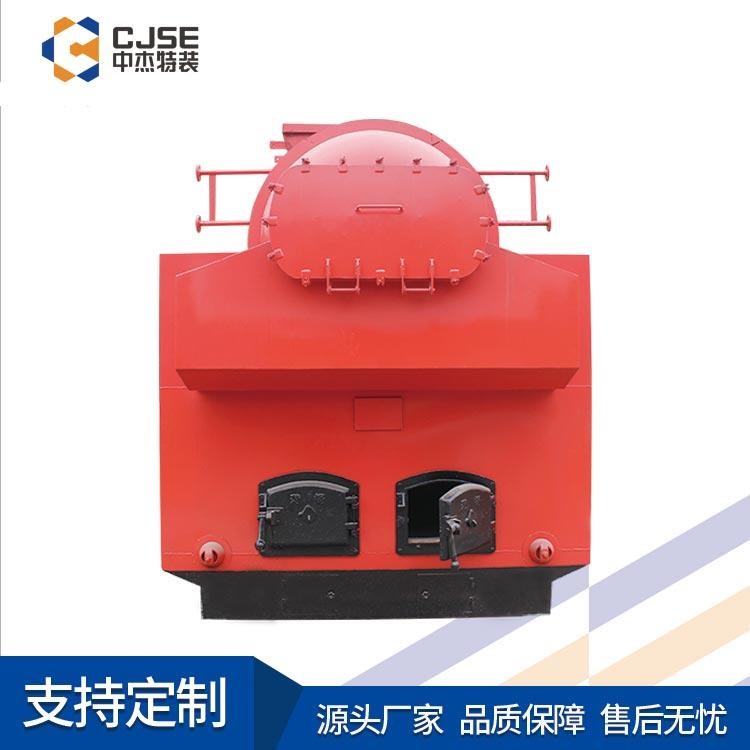
Developing biomass boiler heating is an effective measure to combat air pollution. Here are some relevant suggestions:
Replace high-pollution energy sources: Replace traditional coal boilers with biomass boilers to reduce emissions of air pollutants from coal combustion. The combustion of biomass fuel produces relatively fewer pollutants, resulting in less pollution to the atmosphere.
Enhance Combustion Efficiency: Improve combustion efficiency in biomass boilers by optimizing the combustion process, reducing fuel waste and emissions of pollutants. Adjust combustion parameters such as combustion temperature and duration to achieve more complete combustion.
Control Pollutant Emissions: Utilize pollution control technologies such as flue gas desulfurization, denitrification, and particulate matter capture to reduce emissions. Install flue gas purification equipment to effectively remove pollutants like nitrogen oxides and particulates generated during the combustion process.
Enhanced Monitoring and Management: Establish a comprehensive monitoring system to monitor and evaluate the operation of biomass boilers and their pollutant emissions. Strengthen management of biomass boilers to ensure regular maintenance and equipment care.
Our company highly values technological innovation and R&D, boasting 1 municipal-level enterprise technology center in Heze City. We have established testing facilities for non-destructive testing, physical and chemical testing, welding testing, hydrostatic testing, etc. We are equipped with over 600 types of instruments and equipment, including CNC machine tools, X-ray flaw detectors, digital ultrasonic flaw detectors, mechanical property testing machines, chemical analyzers, spectrometers, tensile testing machines, plasma welding machines, and more. Our key products and technologies, such as temperature and pressure vessel welding, biomass boiler emission reduction, and waste heat utilization, have successively been shortlisted for multiple Shandong Provincial Department of Industry and Information Technology innovation projects, key projects in Shandong Province, and Heze City innovation and excellence projects. We have累计 obtained 27 authorized utility model patents, 16 authorized invention patents, participated in drafting 2 standards, 2 industrial standards, and registered 15 trademarks. Our technical team, in collaboration with Professor Li Yajiang of Shandong University, has jointly developed deep cryogenic container processing technology using the internationally recognized plasma arc + wire-in-tube argon arc welding (PAW-GTAW) technique. This technology has been appraised at the provincial level for its scientific and technological achievements, reaching an international standard in the field of deep cryogenic container manufacturing. Choose Zhongjieteqiang, and let's create brilliance together!
WeChat Official Account

Scan to follow Official Account



















