


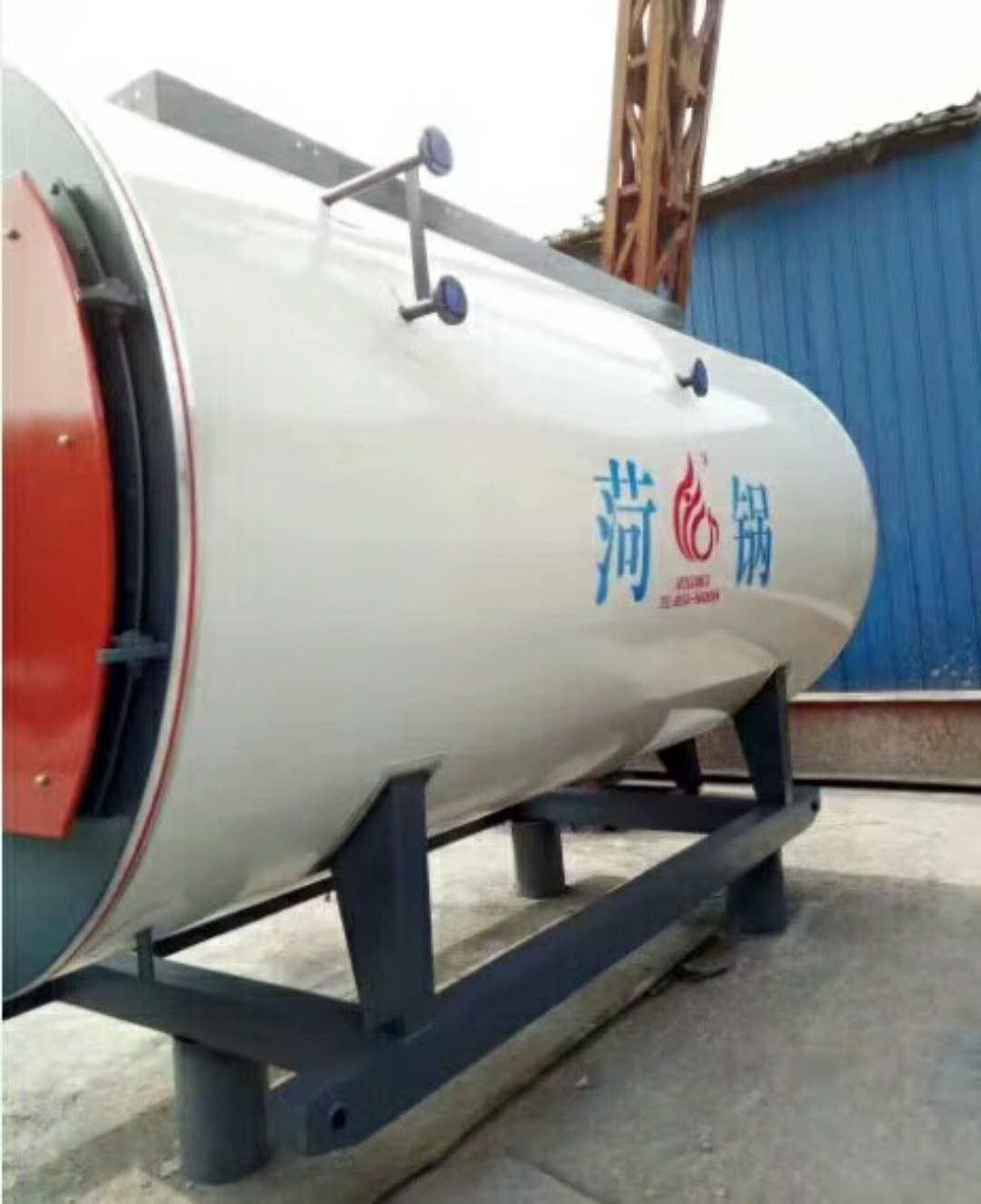

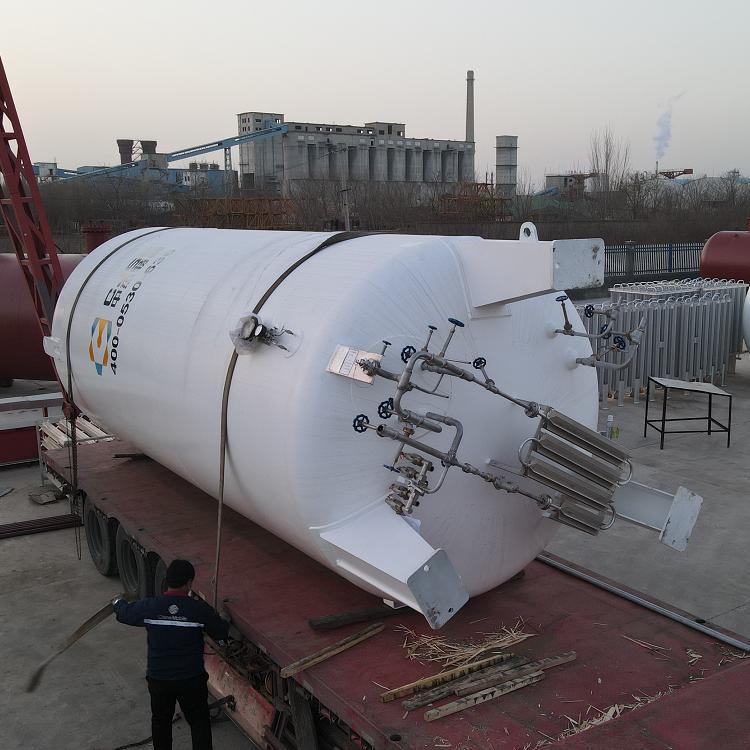


















Shandong Zhongjie Special Equipment (formerly Heze Boiler Factory Co., Ltd.) was established in 2001, located at No. 2218 Jinnan Road, Economic Development Zone, Heze City. With a registered capital of 50 million yuan and total assets of 500 million yuan, the company has seven business centers: boilers, deep-freezing containers, pressure vessels, central air conditioning, engineering installation, international trade, and Internet of Things. It has three factory sites on Jinnan Road, East Yangtze Road, and Bohai Road, covering a total of 200,000 square meters. The main workshop spans 83,000 square meters. Currently, there are 710 employees, including 247 engineers and technicians and 82 intermediate-level technical personnel. In December 2016, it was recognized as a "High-Tech Enterprise" by the Science and Technology Department. In June 2021, it was identified as a "Specialized and New Enterprise in Shandong Province" by the Ministry of Industry and Information Technology. In June 2022, it was recognized as a "Gazelle Enterprise in Shandong Province" and in August 2022, it was identified as a "Specialized and New Small Giant Enterprise" by the Ministry of Industry and Information Technology.
In the degreasing process of high vacuum pipelines in low-temperature liquid storage tanks, the following steps can be taken:
Preparation: Ensure the cleanliness and readiness of the defatting equipment and tools. Check the pipeline system's connections and sealing, ensuring there are no leaks.
Pipe Cleaning: Clean pipes using appropriate detergents and tools to remove surface dirt and grease. Methods can include mechanical brushing, high-pressure water jetting, or chemical cleaning.
De-greasing Process: Select an appropriate de-greaser and inject it into the pipeline system. The de-greaser can be an organic solvent or an alkaline solution, the choice depending on the pipeline material and type of dirt. Ensure the de-greaser thoroughly covers the inner pipeline wall and maintains a certain contact time.
Flush pipes: Drain the degreaser from the pipeline system and flush with clean water to remove any remaining degreaser and dirt. During the flushing process, high-pressure water or gas can be used for rinsing to ensure the cleanliness of the interior pipe walls.
Dry Pipe: Evaporate or exhaust moisture inside the pipe using drying equipment or ventilation systems, ensuring the interior pipe wall is dry. Drying can be achieved with hot air or nitrogen.
Inspection and Testing: After degreasing, inspect and test the pipeline to ensure its cleanliness and sealing. Visual inspection, pressure testing, or other relevant tests can be conducted.
Note that during the degreasing process of high vacuum pipelines in low-temperature liquid storage tanks, it is essential to follow relevant safety operating procedures and guidelines. Ensure that operators possess the necessary safety awareness and operational skills to prevent accidents.
The safe operation of low-temperature liquid storage tanks is primarily crucial in the following aspects:
Tank Design and Material Selection: The tank design must comply with relevant safety standards and regulations, capable of withstanding the pressure and temperature of low-temperature liquids. Select suitable materials, such as stainless steel, aluminum alloys, etc., to ensure the tank's corrosion resistance and low-temperature performance.
Insulation and Protection Measures: Low-temperature liquid storage tanks should be equipped with effective insulation to reduce heat transfer and liquid evaporation. The selection and installation of the insulation should comply with relevant standards and requirements. In addition, protective measures such as anti-freezing and explosion-proof measures should be taken to ensure the safe operation of the tank.
Pressure Control and Safety Valves: Low-temperature liquid storage tanks should be equipped with a reliable pressure control system and safety valves to ensure that the pressure within the tank remains within a safe range. The pressure control system should be capable of promptly detecting and adjusting the pressure inside the tank, preventing safety risks from excessive or low pressure.
Leak and Fire Protection: Low-temperature liquids are highly flammable, so measures should be taken to prevent leaks and fires. Storage tanks and related pipelines must have good sealing properties and should be regularly inspected and maintained to prevent leaks. Additionally, appropriate fire protection facilities and firefighting equipment should be provided to address fire risks.
Safety Operation and Training: Operators must undergo relevant safety training, familiarize themselves with the safety operating procedures and emergency response measures for low-temperature liquid storage tanks. Adhere to correct operational steps to ensure safe operation.
Regular inspections and
When storing liquid nitrogen in low-temperature storage tanks, the following points should be noted:
Protective Gear: When operating low-temperature storage tanks, it is mandatory to wear appropriate protective gear, including gloves, protective clothing, and non-slip shoes. This gear safeguards the skin from the low temperatures of liquid nitrogen and other hazards.
Avoid direct contact: Liquid nitrogen is extremely cold and can cause chilling. Therefore, it should be avoided to come into direct contact with liquid nitrogen, especially with the skin. Use tools or utensils for handling to prevent direct hand contact with liquid nitrogen.
Ventilation Requirements: In the operational area of low-temperature storage tanks, adequate ventilation must be ensured to expel gases produced by the evaporation of liquid nitrogen. Maintain air circulation to avoid excessive oxygen concentration, and reduce the risk of fire and explosion.
Prevent Leaks: Regularly inspect the low-temperature storage tanks for leaks and equip with leak detectors and alarm systems. In case of a leak, take immediate action to control and repair it. Avoid the hazards of liquid nitrogen leaks to personnel and the environment.
Fire Prevention Measures: Liquid nitrogen has a low boiling and freezing point, which is prone to causing fires. Measures such as setting up fire barriers around low-temperature storage tanks and using fire-resistant coatings are taken to prevent fires from occurring and spreading.
Electrostatic Protection: Electrostatic buildup in low-temperature tanks may cause sparks, increasing the risk of fire. Measures should be
Liquid nitrogen storage tanks feature the following characteristics during the construction process:
Low Temperature Construction: The construction of liquid nitrogen tanks must be carried out in a low-temperature environment, as liquid nitrogen has a low boiling point of approximately -196 degrees Celsius. Construction personnel must take appropriate protective measures, such as wearing thermal protective clothing and gloves, to safeguard themselves from low-temperature injuries.
Welding Technology: Extensive welding is required during the manufacturing process of liquid nitrogen tanks, including the bonding of wall plates, bottom plates, top plates, and seams. Welding technology is crucial for the quality and safety of the tanks, necessitating the use of appropriate welding methods and materials to ensure the strength and密封ity of the welds.
Insulation Layer Installation: Liquid nitrogen tanks must have excellent insulation properties to minimize heat conduction and retain low temperatures. The installation of the insulation layer requires materials such as polyester foam and glass wool, ensuring the thickness and quality of the insulation layer.
Proper installation steps for liquid nitrogen tanks are as follows:
Site Preparation: Select an appropriate site for tank installation, ensuring it is level, sturdy, and capable of supporting adequate weight. The site should be located away from flammable, explosive materials, and other hazardous sources.
Foundation Construction: Construction of the foundation based on the tank's dimensions and weight, including excavation of the foundation pit and pouring of concrete foundation. The design and construction of the foundation should comply with relevant standards and specifications.
Tank Installation: Transport the tank to the site and perform a vertical installation. Appropriate lifting equipment and safety measures must be used during the installation process to ensure the stability and safety of the tank.
Pipe connections: Connect the storage tank to the relevant pipeline system as required, including intake pipes, exhaust pipes, and liquid supply pipes, etc. Sealing and testing must be conducted during the connection process to ensure the safety of the pipes.
Our company places great emphasis on technological innovation and R&D design. We have one municipal-level enterprise technology center in Heze City, equipped with non-destructive testing, physical and chemical testing, welding testing, hydrostatic testing, and other testing facilities. We have over 600 types of equipment, including CNC machine tools, X-ray flaw detectors, digital ultrasonic flaw detectors, mechanical property testing machines, chemical analyzers, spectrometers, tensile testing machines, plasma welding machines, and more. The key products and technologies we have developed, such as welding of temperature and pressure vessels, biomass boiler emissions reduction, and waste heat utilization, have successively been shortlisted for multiple Shandong Provincial Department of Industry and Information Technology Science and Technology Innovation projects, Shandong Provincial key projects, and Heze City innovative and excellent projects. We have cumulatively obtained 27 authorized utility model patents, 16 authorized invention patents, participated in drafting 2 standards, 2 industry standards, and registered 15 trademarks. Our technical team, in collaboration with Professor Li Yajiang of Shandong University, has developed deep cryogenic container processing technology using the international plasma arc + filler wire tungsten inert gas arc combination welding (PAW-GTAW) technology. The provincial-level scientific and technological achievement appraisal has determined that our technology level in deep cryogenic container manufacturing has reached international standards. Choose Zhongjie Special Equipment, let's create brilliance together!
WeChat Official Account

Scan to follow Official Account



















