


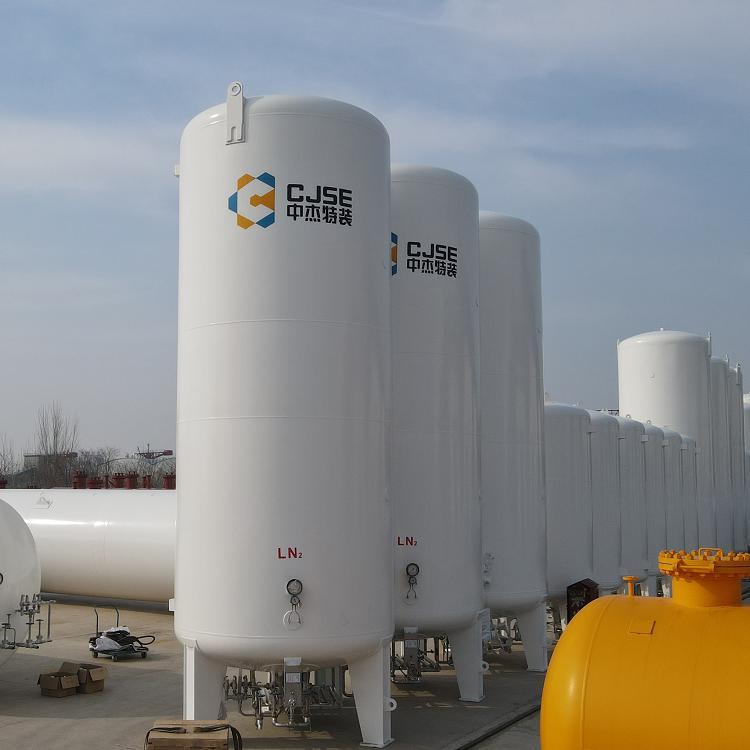


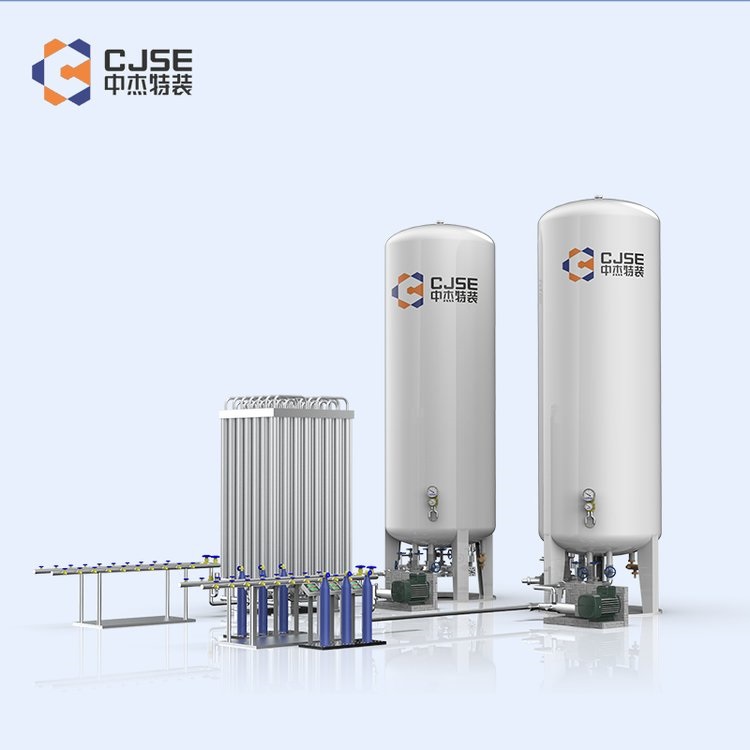


















Shandong Zhongjie Special Equipment (formerly Heze Boiler Factory Co., Ltd.) holds an A-grade boiler manufacturing license, an A2-grade pressure vessel manufacturing license, an A2-grade pressure vessel design license, a B-grade boiler installation license, and GB2/Class and GC2/Class pressure pipeline installation licenses, as well as a mechanical and electrical equipment installation contracting qualification. It is a member of the China Boiler and Water Treatment Association, the China Chemical Equipment Association, and the director unit of the Shandong Equipment Manufacturing Association. The company has also passed the ISO9001 Quality Management System, ISO14001 Environmental Management System, OHSAS18001 Occupational Health and Safety Management System certifications, and the American ASME/U2 certification.
以下是一些常见的二氧化碳储罐管理守则: 安全管理:建立完善的安全管理制度,包括安全操作规程、应急预案和事故处理程序等。确保操作人员具备必要的安全知识和技能,并定期进行安全培训和演练。 储罐检查和维护:定期检查储罐的外观、阀门、连接件等,确保其完好无损。定期进行泄漏检测和压力测试,确保储罐的安全性能符合要求。 液位监测和控制:定期监测储罐内的液位,确保储罐内的二氧化碳充足。根据需要进行充填或放空操作,维持适当的液位。 废气处理:处理二氧化碳储罐产生的废气,避免对环境造成污染。采取适当的废气处理措施,如收集和处理废气。 防火防爆措施:采取防火防爆措施,确保储罐周围的环境安全。远离火源、高温区域和易燃物质,定期检查和维护防火设施。 标识和警示:储罐应明确标识,包括储存的气体类型、压力等信息。周围应设置警示标志,提醒人员注意储罐的存在和相关安全注意事项。 储存记录:记录储罐的使用情况,包括充填日期、充填量、检查记录等。定期进行储罐的检测和维护,并保留相关记录。 定期审查和改进:定期审查储罐管理制度和操作流程,及时发现问题并进行改进。根据实际情况进行风险评估和管理,提高管理水平和安全性能。 需要注意的是,具体的管理守则可能会因不同的储罐类型和应用而有所不同。在管理二氧化碳储罐时,应根据相关的规范和标准进行操作,并咨询人士以确保安全和有效性。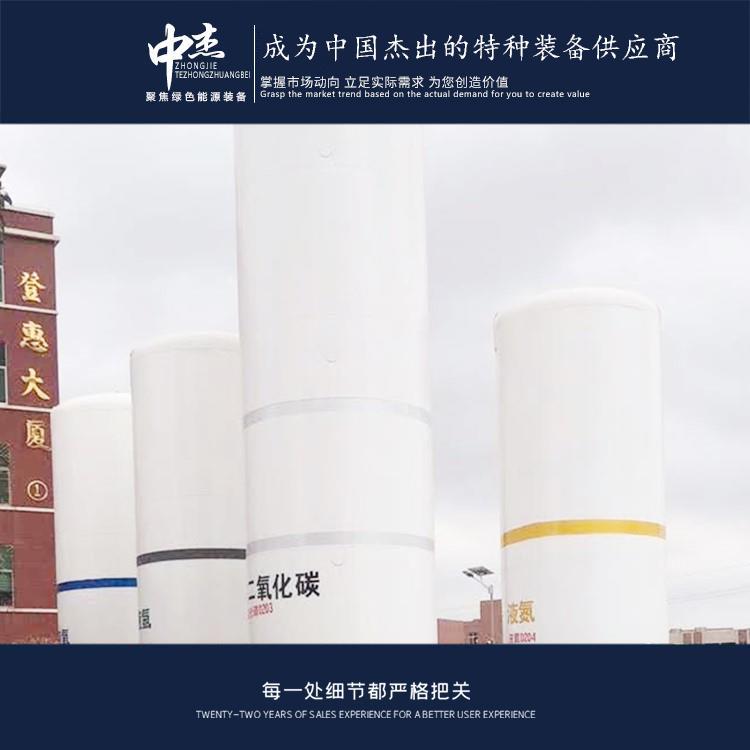
Carbon dioxide tanks are widely used in many different industries. Here are some common applications:
Food and Beverage Industry: Carbon dioxide tanks are used in the production of carbonated beverages, beer, soda, and more in the food and beverage industry. Carbon dioxide is infused into the drinks to enhance their fizz and taste.
Medical Industry: In the medical field, carbon dioxide tanks are utilized for applications such as anesthesia, respiration, and emergency care. Liquid carbon dioxide can be used to create refrigerants for freezing and preserving biological samples and tissues.
Fire Suppression: Carbon dioxide tanks are employed in fire suppression systems. Carbon dioxide is released into the fire scene to extinguish flames by suppressing oxygen supply.
Gas Supply: Carbon dioxide tanks are also used to supply CO2 gas in industrial and commercial settings. These gases are used for welding, gas shielding, semiconductor manufacturing, water treatment, and more.
Climate Control: In greenhouses and indoor planting, carbon dioxide tanks are used to control and increase the CO2 concentration for plant growth.
Additionally, carbon dioxide tanks can be used in other industries, such as the automotive industry (for airbag systems) and other industries (for propellants and gas supply).
It is important to note that different industries may have varying requirements and applications for carbon dioxide tanks. When using carbon dioxide tanks, it is essential to follow relevant regulations and standards, and ensure that the design, manufacture, and use of the tanks meet the required specifications.
Carbon dioxide is widely used as a protective gas in metal welding processes during welding. The following are the main applications of carbon dioxide in welding:
Gas Metal Arc Welding (GMAW): Carbon dioxide is commonly used as the protective gas in the GMAW welding process. In GMAW welding, the arc generates high temperatures in the welding area, which can also cause oxidation reactions of oxygen and water vapor, leading to reduced weld quality. By injecting carbon dioxide gas into the welding area, a protective atmosphere is formed, preventing oxygen and water vapor from entering the welding area, thereby improving the quality and strength of the weld.
Mixed Gas Protection Welding (GMAW): Carbon dioxide is also often mixed with other gases (such as argon) to form mixed gas protection welding. The use of mixed gases can adjust the arc stability, melt pool formation, and weld quality during the welding process, enhancing the welding results.
Gas Shielded Brazing: Carbon dioxide can also be used in the gas shielded brazing process. During brazing, the carbon dioxide gas provides a protective atmosphere, preventing oxidation and contamination in the brazing area, ensuring the quality of the brazed joints.
Gas Shielded Cutting: Carbon dioxide can also be used in the gas shielded cutting process. In gas shielded cutting, by injecting carbon dioxide gas into the cutting area, a protective atmosphere is formed, preventing oxidation and contamination in the cutting area, improving the quality and speed of the cutting.
It is important to note that the application of carbon dioxide in welding should be adjusted and optimized according to specific welding materials, methods, and requirements. When using carbon dioxide for welding, it is necessary to follow relevant safety operation procedures and guidelines to ensure the safety and quality of the welding process.
In daily operation, carbon dioxide tanks require protection and maintenance to ensure proper functioning and safety. Here are some common protection and maintenance methods:
- Visual Inspection: Regularly check the tank's exterior for signs of corrosion, wear, and cracks. Take immediate corrective actions if any abnormalities are found.
- Sealability Check: Periodically inspect the tank's sealing performance, especially at valves, pipe connections, and the tank itself. Ensure there are no leaks and address any promptly.
- Temperature Control: Maintain a suitable ambient temperature around the tank and implement insulation measures to ensure the tank's internal low-temperature state.
- Pressure Relief Device Inspection: Regularly check the tank's pressure relief devices, such as safety valves, to ensure they are functioning correctly. Verify that the set pressure of the relief devices meets requirements and perform regular maintenance and replacements.
- Level Monitoring: Regularly monitor the tank's liquid level to ensure accurate measurements. If an abnormal level is detected, investigate the cause promptly and take appropriate actions.
- Regular Cleaning: Clean the tank's interior regularly to remove accumulated impurities and dirt. Pay attention to safety during cleaning and avoid using flammable and corrosive substances.
- Regular Testing: Conduct regular pressure testing and leak detection on the tank to ensure safety performance meets requirements. The frequency and methods of testing should comply with relevant regulations and standards.
- Storage Capacity Control: Control the tank's storage capacity to avoid exceeding the rated capacity. Overfilling can lead to excessive tank pressure and increase safety risks.
Note that specific protection and maintenance methods may vary depending on the type of tank and its application.
ZJ Special Equipment adheres to the grand vision of "realizing employees' dreams, creating value for customers, and striving for the prosperity and strength of our motherland," and is dedicated to the development of the green energy equipment industry. We commit to society with high-quality, cost-effective products and services!
WeChat Official Account

Scan to follow Official Account



















