


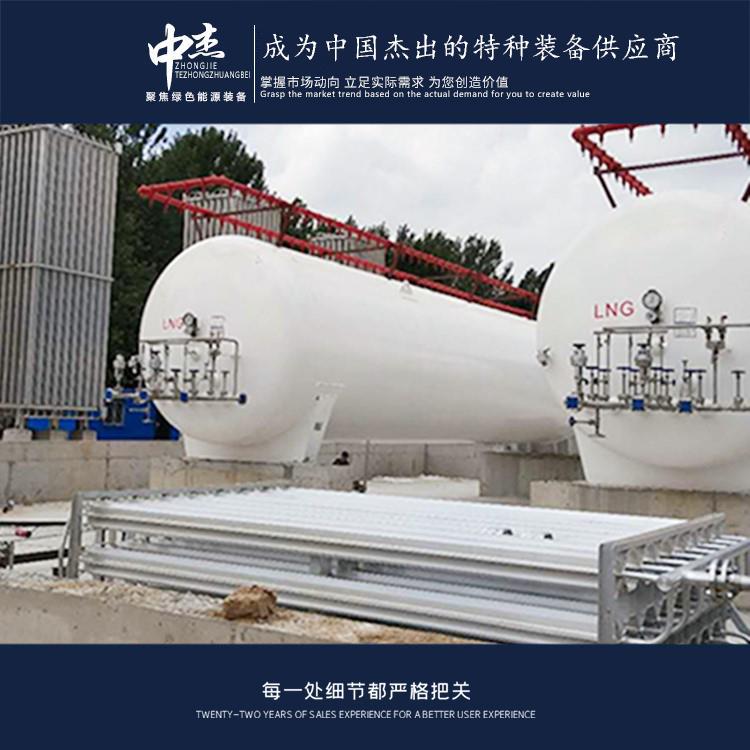

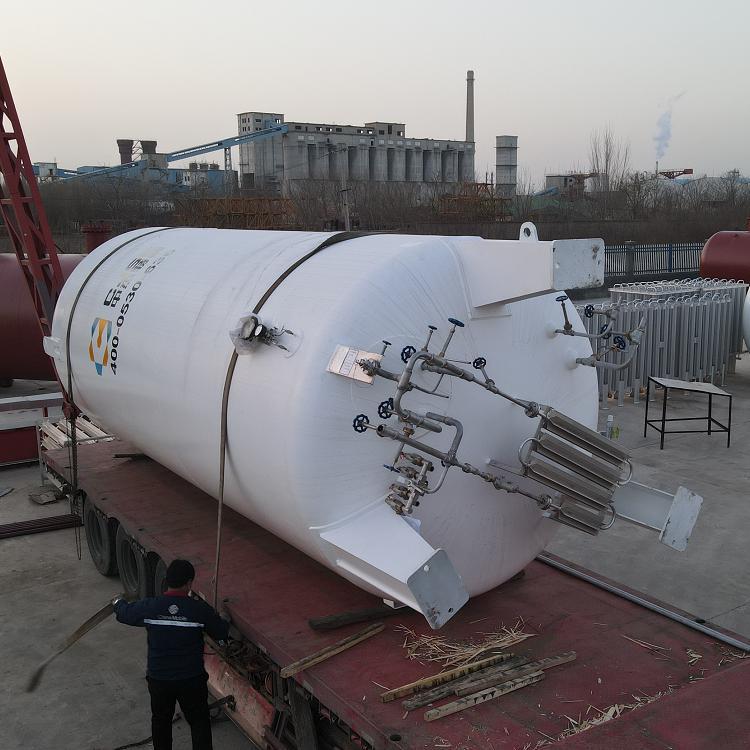
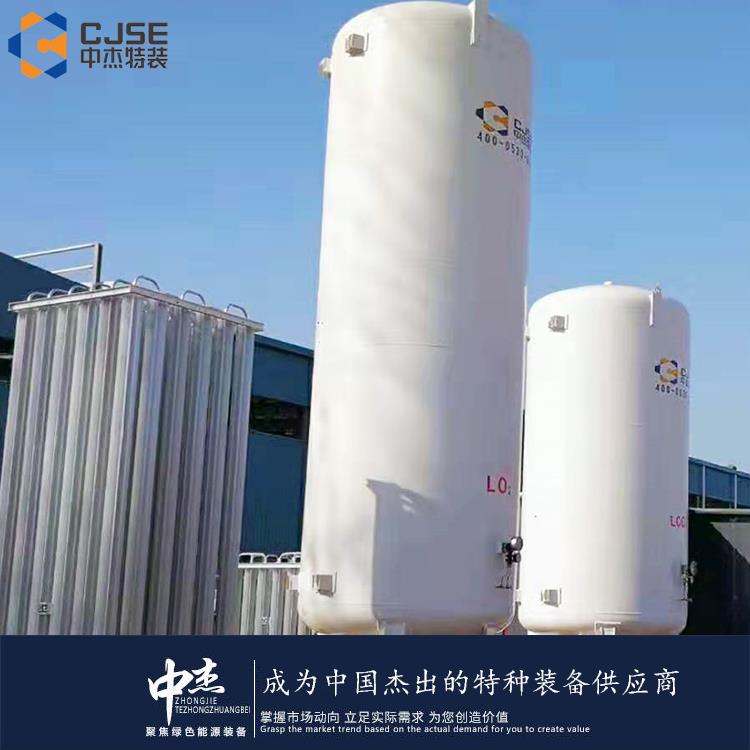


















Shandong Zhongjie Special Equipment's main products include: fuel (gas) boilers, organic heat carrier boilers, biomass boilers, waste heat boilers, and other boiler products; vacuum insulation cryogenic pressure vessels such as LNG tanks, oxygen-nitrogen-argon tanks, and CO2 tanks; pressure vessel products such as denitrification engineering equipment, heat storage and energy storage equipment, and complete chemical equipment sets; central air conditioning and HVAC equipment like ground (water) source heat pumps, air source units, water-cooled screw units, and air-cooled modular units. Planned products include large-scale energy centers, LNG transport vehicles, LNG tank containers, and other green energy equipment.
Carbon dioxide tank level gauges are devices used for measuring and monitoring the liquid level of carbon dioxide within the tank. Depending on different working principles and application requirements, common types of carbon dioxide tank level gauges include the following:
- Buoy Level Gauge: Uses a buoy to reflect the level of the liquid, measured by a mechanical device or an electrical signal sensor connected to the gauge.
- Pressure Level Gauge: Measures the level by utilizing the relationship between liquid pressure and level. It calculates the level height by measuring the pressure change on a pressure sensor.
- Ultrasonic Level Gauge: Measures the level using the propagation time of ultrasound. An ultrasonic transmitter emits waves, and when the beam hits the liquid surface, some of the waves are reflected back, with the level height calculated by measuring the reflection time.
- Capillary Level Gauge: Uses the capillary principle to measure the level. By inserting a thin tube into the liquid, the liquid rises inside the tube, and the level height is calculated based on the rise of the liquid.
- Level Gauge: Measures the level using wave reflection. The transmitter emits waves, and when the beam hits the liquid surface, some of the waves are reflected back, with the level height calculated by measuring the reflection time.
These level gauges can be selected for application in carbon dioxide tanks based on specific needs and tank design. When selecting and installing level gauges, factors such as liquid properties, working environment, and precision requirements must be considered, and they must be ensured to match the safety operation and monitoring system of the tank.
Before using a carbon dioxide cylinder, certain inspection and filling points must be addressed. Here are some common precautions:
- Inspect the cylinder's exterior: Check for any visible damage, corrosion, or leakage signs. Ensure the cylinder shell is intact.
- Check valves and fittings: Verify that the cylinder's valves and fittings are securely fastened and there are no leaks. Ensure normal operation.
- Inspect the pressure gauge: Confirm that the cylinder's pressure gauge is functioning correctly and readings are accurate. Replace or repair as needed.
- Check the level indicator: Ensure the cylinder's level indicator is operating correctly and accurately displaying the level. Repair or replace if abnormal.
- Inspect the pressure relief device: Verify that the cylinder's pressure relief device (such as a safety valve) is functioning correctly and the set pressure meets requirements. Repair or replace if abnormal.
- Inspect the filling equipment: Check that the filling equipment (such as filling pipes, pumps, etc.) is operating correctly with no leaks or blockages. Ensure safety and reliability.
- Filling operations: During the filling process, note the following points:
- Control the filling speed to avoid being too fast or too slow.
- Control the filling pressure to prevent exceeding the cylinder's rated pressure.
- Monitor the level to ensure filling to an appropriate level.
- Regularly inspect the filling equipment and valves to ensure normal operation.
- Safety measures: Adhere to relevant safety regulations and procedures during the filling process. Operators should wear appropriate protective gear, such as antistatic clothing and gloves.
- It should be noted that specific inspection and filling points may vary depending on the type of cylinder and application. Before using a carbon dioxide cylinder, check and operate according to relevant specifications and standards, and consult with experts to ensure safety and effectiveness.
The testing and maintenance of liquid oxygen storage tanks are crucial for ensuring safe operation and extending their lifespan. Below is a general outline of the testing and maintenance procedures for liquid oxygen storage tanks:
- Visual Inspection: Regularly inspect the exterior of the liquid oxygen storage tank for corrosion, wear, and cracks. If any abnormalities are found, promptly repair or replace them.
- Internal Cleaning: Regularly clean the interior of the liquid oxygen storage tank to remove accumulated debris and dirt. Use appropriate cleaning agents and tools to avoid damaging the tank.
- Level Measurement: Regularly measure the liquid level to ensure it remains within a safe range in the storage tank. Use a level gauge or other measurement devices, and record the results.
- Pressure Testing: Regularly conduct pressure tests to verify the tank's pressure-bearing capabilities. Control pressure and time during testing to ensure safety and accuracy.
- Leak Detection: Regularly perform leak detection to ensure the tank's seal integrity. Utilize leak detection equipment such as gas detectors or foam leak detection agents.
- Valve and Pipe Inspection: Regularly check the valves and pipe connections of the liquid oxygen storage tank to ensure proper sealing and no leakage. Address any issues promptly with repairs or replacements.
- Maintenance Records: Keep records of the testing and maintenance activities, including dates, inspection details, and results. These records help track the tank's maintenance history and issue resolution.
- Scheduled Maintenance: Develop a regular maintenance schedule based on the tank's usage and requirements. This includes lubrication, bolt tightening, and seal replacement to ensure smooth operation.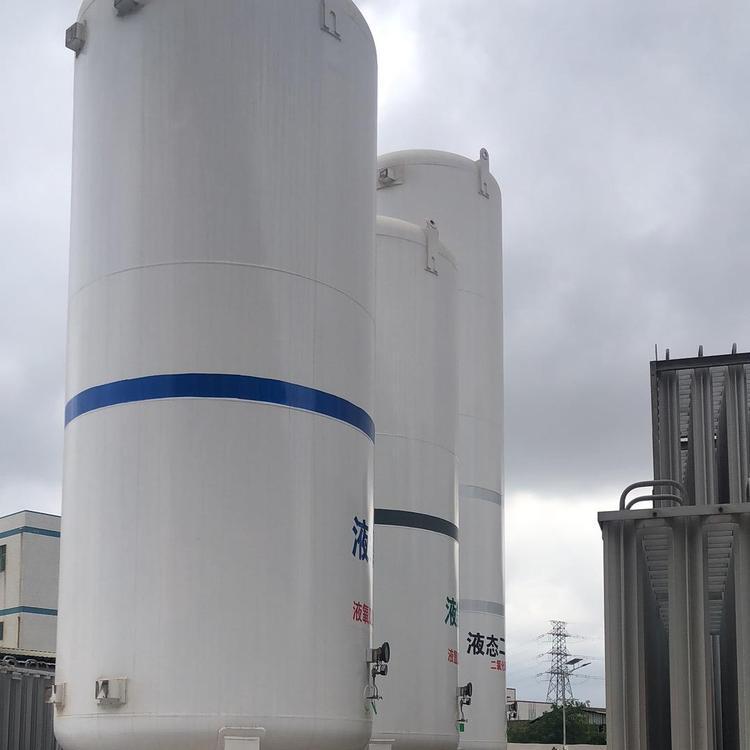
The application standards for liquid carbon dioxide storage tanks primarily include the following aspects:
Our company attaches great importance to technological innovation and R&D design. We possess 1 municipal-level enterprise technology center in Heze City, and have established testing facilities for non-destructive testing, physical and chemical testing, welding testing, hydrostatic testing, etc. We are equipped with over 600 various instruments and equipment, including CNC machine tools, X-ray flaw detectors, digital ultrasonic flaw detectors, mechanical property testing machines, chemical analyzers, spectrometers, tensile testing machines, plasma welding machines, and more. The key products and technologies we have developed, such as welding for temperature-pressure vessels, emissions reduction in biomass boilers, and waste heat utilization, have successively been selected for multiple Shandong Provincial Department of Industry and Information Technology science and technology innovation projects, Shandong Provincial key projects, and Heze City innovation and excellence projects. We have accumulated a total of 27 authorized utility model patents, 16 authorized invention patents, participated in drafting 2 standards, 2 industry standards, and registered 15 trademarks. The technical team of our company, in collaboration with Professor Li Yajiang of Shandong University, has jointly developed deep cryogenic container processing technology, utilizing the international plasma arc + filler wire tungsten inert gas arc welding (PAW-GTAW) technology. After provincial-level scientific and technological achievement appraisal, the technology level has reached international standards in the field of deep cryogenic container manufacturing. Choose Zhongjie Special Equipment, and let's create brilliance together!
WeChat Official Account

Scan to follow Official Account



















