


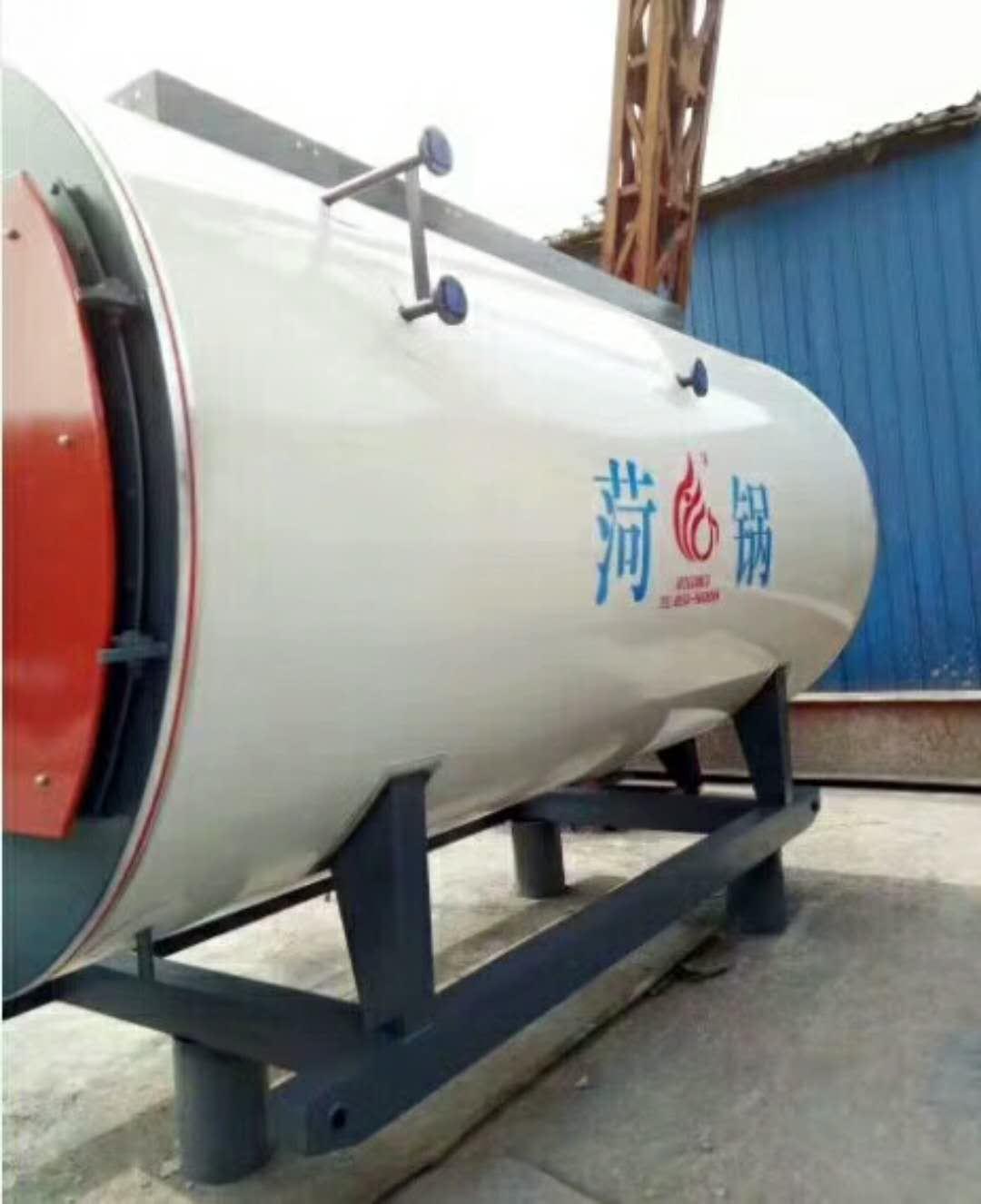

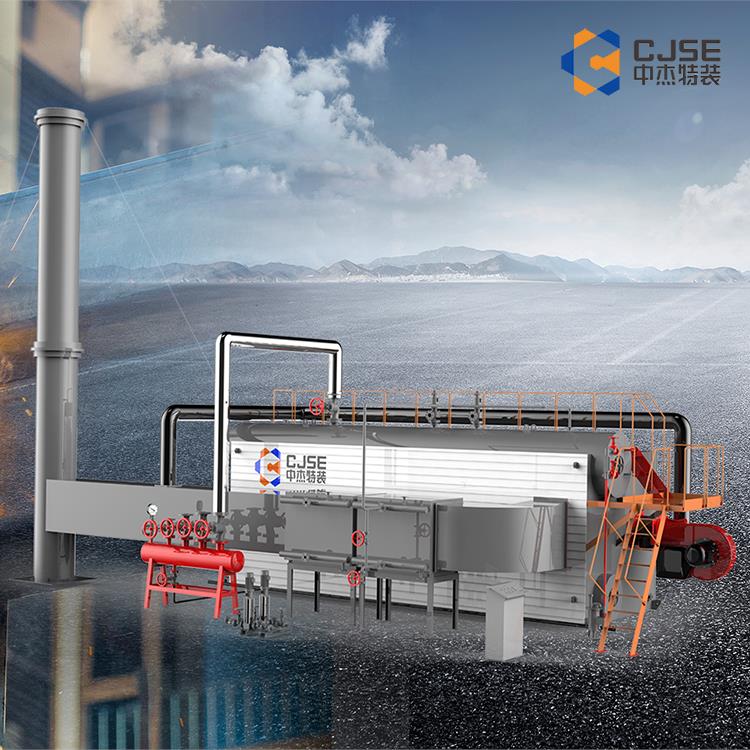
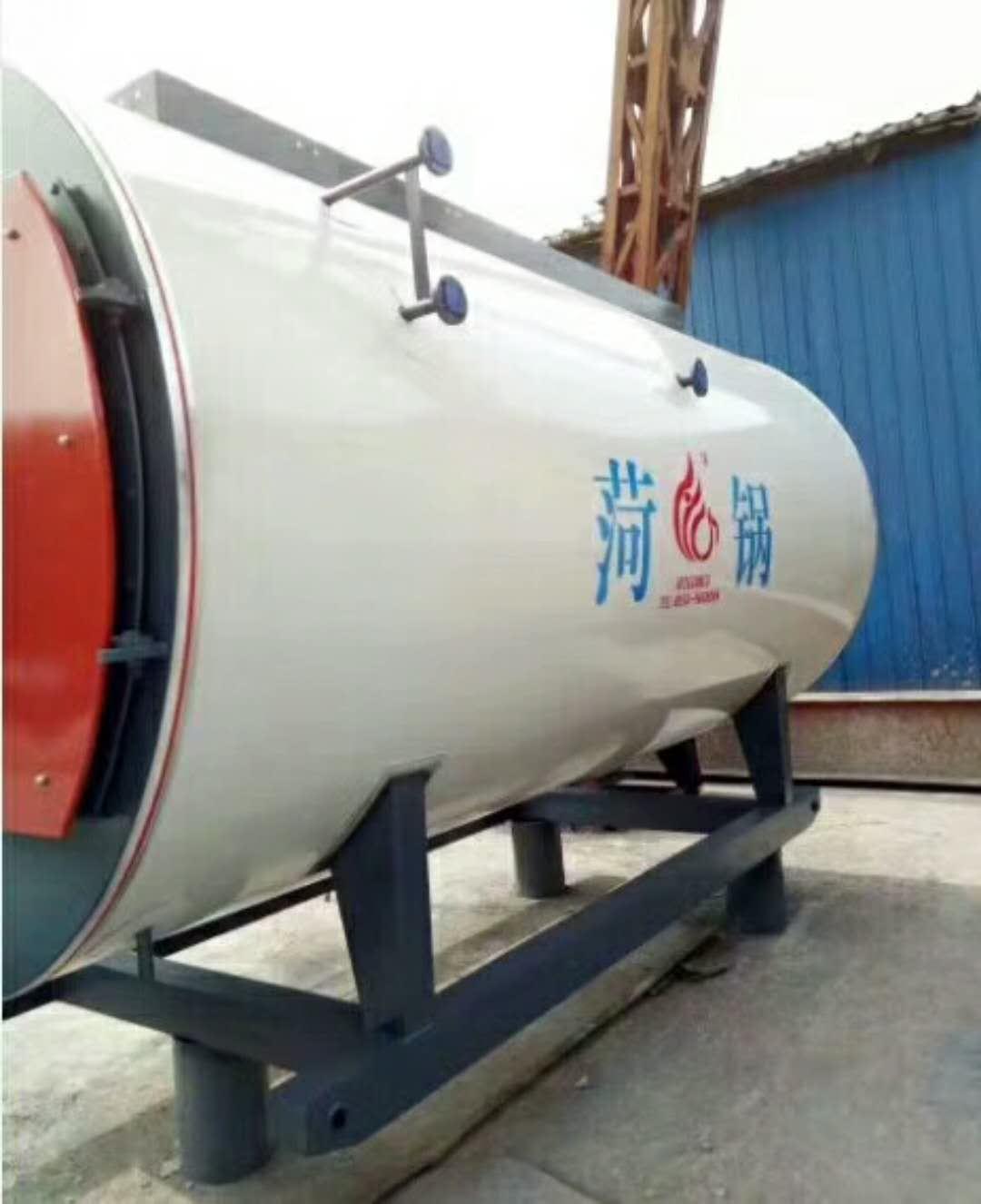


















Shandong Zhongjie Special Equipment specializes in: fuel (gas) boilers, organic heat carrier boilers, biomass boilers, waste heat recovery boilers, and other boiler products; vacuum insulation deep-freeze pressure vessels such as LNG tanks, oxygen-nitrogenargon tanks, and CO2 tanks; pressure vessel products including denitrification engineering equipment, heat storage and energy storage equipment, and complete chemical equipment sets; central air conditioning and HVAC equipment such as ground (water) source heat pumps, air-source units, water-cooled screw units, and air-cooled modular units. Planned products include large-scale energy centers, LNG transport vehicles, LNG tank containers, and other green energy equipment.
To reduce the operational costs of gas-fired boilers, consider the following aspects:
1. Combustion System: Ensure the stability of the combustion system of the gas-fired boiler. Regularly inspect and maintain the burners, clean the nozzles and combustion chamber, adjust the ratio of gas to air to improve combustion efficiency and reduce gas waste.
2. Energy-Saving Control System: Install and use energy-saving control systems such as smart thermostats and timers. These systems can automatically adjust the boiler's operating status based on actual needs, avoiding unnecessary energy waste.
3. Regular Maintenance: Conduct regular maintenance on gas-fired boilers, including cleaning heat exchangers, inspecting and replacing seals, and clearing gas pipelines. Maintain the boiler's normal operation to reduce energy loss and the occurrence of malfunctions.
4. Heat Recovery Utilization: Consider installing heat recovery devices such as waste heat recovery units or flue gas heat exchangers. These devices can utilize the excess heat from the flue gas emitted by the gas-fired boiler to heat water or other equipment requiring heat, improving energy utilization efficiency.
5. Pipeline Insulation and Leak Inspection: Ensure good insulation performance of gas and hot water pipelines to reduce energy loss. Regularly check for pipeline leaks and repair them promptly to avoid energy waste and safety hazards.
6. Energy Management and Monitoring: Establish an effective energy management system to monitor and analyze the energy consumption of gas-fired boilers. Through data analysis and optimizing operating strategies, identify energy-saving potential and areas for improvement.
7. Training and Awareness Enhancement: Provide employee training to strengthen awareness of the operation and maintenance of gas-fired boilers. Enhanced knowledge and skills among employees contribute to effective management and operation of the boilers, thereby reducing operational costs.
By considering these factors comprehensively, you can effectively reduce the operation costs of gas-fired boilers.
The gas steam boiler's annual gas consumption for a 1-ton unit depends on various factors, including the efficiency, load conditions, and operating hours of the boiler. Generally, it can be estimated using the following formula: Gas Consumption (m) = Boiler Efficiency × Boiler Rated Thermal Power × Operating Hours. Here, the boiler efficiency refers to the boiler's energy utilization efficiency, typically expressed as a percentage; the boiler rated thermal power is the boiler's rated thermal output, usually in kilowatts (kW); and the operating hours are the boiler's runtime, typically measured in hours. It is important to note that the boiler's efficiency and rated thermal power can be determined based on the specific model and parameters of the boiler, while the operating hours need to be estimated based on actual usage. Therefore, to accurately calculate the annual gas consumption of a 1-ton gas steam boiler, it is recommended to refer to the technical specifications and operating records of the boiler, or consult the boiler manufacturer or engineer.
Choose a reputable gas boiler supplier, it's crucial. Consider the following factors:
- Reputation: Understand the gas boiler supplier's reputation and market reputation. Obtain relevant information by reviewing customer reviews, industry reports, and certifications from organizations.
- Quality and Performance: The quality and performance of gas boilers directly affect their reliability and efficiency. Learn about the supplier's quality control system, product certifications, and technical support capabilities to ensure their products meet standards and fulfill factory needs.
- Technical Support and After-Sales Service: Choosing a supplier that offers comprehensive technical support and after-sales service is vital. Ensure the supplier can provide training, installation guidance, maintenance, and troubleshooting support to ensure the normal operation of the gas boiler.
- Cost-Effectiveness: In addition to product quality and performance, consider the cost-effectiveness of the gas boiler. Consider the purchase cost, operating cost, and maintenance cost to choose a supplier that offers reasonable pricing and value for money.
Ultimately, selecting a trusted gas boiler supplier requires considering these factors and making a decision based on the specific needs and conditions of the factory. It is recommended to communicate and compare with multiple suppliers to gather more information and advice for an informed choice.
To achieve sensitive and energy-efficient performance in gas-fired hot water boilers, the following measures can be taken:
- Regular Maintenance and Cleaning: Regularly maintain and clean the gas-fired hot water boiler, including cleaning the burner, flue, and heat exchanger components. This ensures the efficiency of the combustion process and heat transfer, reducing energy waste.
- Smart Control System: Install a smart control system that regulates temperature and pressure to automatically adjust and optimize the operation of the gas-fired hot water boiler. The smart control system can adjust the burner's operating status based on actual demand, avoiding excessive heating and energy waste.
- Energy-saving Equipment and Technology: Implement energy-saving equipment and technology, such as heat recovery units and flue gas waste heat utilization systems. These devices and technologies can recover and utilize the waste heat from the flue gas emitted by the boiler, improving energy utilization efficiency.
- Water Quality Management: Manage the water quality of the gas-fired hot water boiler appropriately to prevent the accumulation of scale and dirt. Scale and dirt reduce the heat exchanger's heat transfer efficiency and increase energy consumption. Regular water quality testing and treatment help maintain clean water quality, contributing to the boiler's energy efficiency performance.
- Good Insulation and Sealing: Ensure the boiler has good insulation and sealing properties. The selection and maintenance of insulation materials, as well as the sealing of pipes and valves, can reduce heat loss and improve the boiler's energy efficiency.
- Regular Monitoring and Optimization: Regularly monitor the operation of the gas-fired hot water boiler and analyze energy consumption and efficiency indicators. Based on the monitoring results, make optimization adjustments to improve the boiler's energy efficiency performance.
- Through the comprehensive application of the above measures, gas-fired hot water boilers can achieve sensitive energy efficiency, enhancing energy utilization.
Our company highly values technological innovation and R&D, boasting 1 municipal-level enterprise technology center in Heze City. We have established test facilities for non-destructive testing,理化 analysis, welding, and hydrostatic testing. Equipped with over 600 pieces of equipment, including CNC machines, X-ray flaw detectors, digital ultrasonic flaw detectors, mechanical property test machines, chemical analyzers, spectrometers, tensile testing machines, and plasma welding machines, we have developed key products such as welding for temperature-pressure vessels, emissions reduction for biomass boilers, and waste heat utilization. These technologies have been successively selected for multiple Shandong Provincial Department of Industry and Information Technology science and technology innovation projects, key projects of Shandong Province, and Heze City innovative and excellent projects. We have accumulated a total of 27 authorized utility models, 16 authorized inventions, participated in drafting 2 standards, 2 industry standards, and registered 15 trademarks. The company's technical team, in collaboration with Professor Li Yajiang of Shandong University, has developed deep cryogenic vessel processing technology using the internationally recognized plasma arc+filling wire argon arc welding (PAW-GTAW) technology. After being appraised as a provincial-level scientific and technological achievement, our technology has reached international standards in the field of deep cryogenic vessel manufacturing.
Choose ZJET's customized solutions, let's create brilliance together!
WeChat Official Account

Scan to follow Official Account



















