


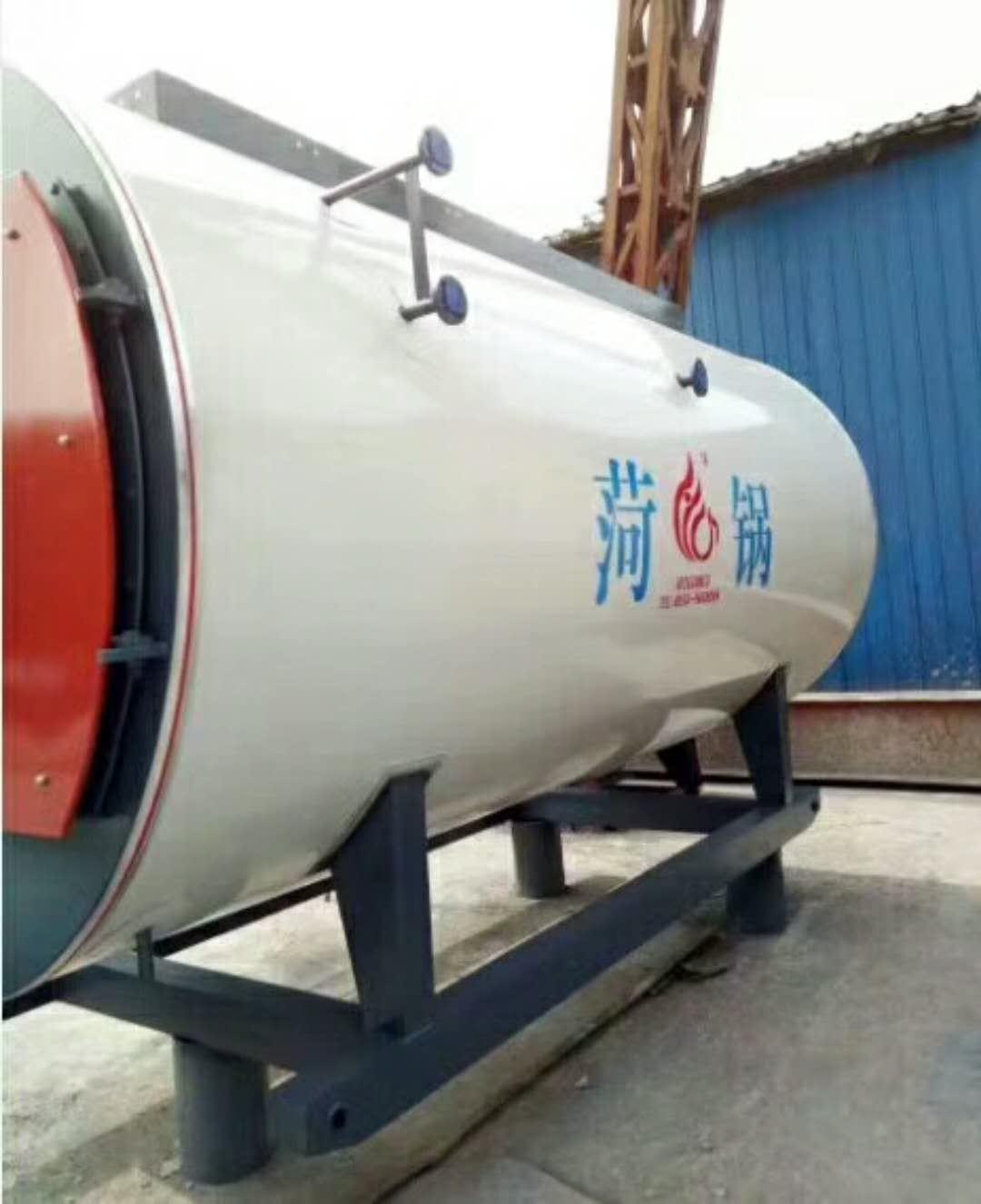

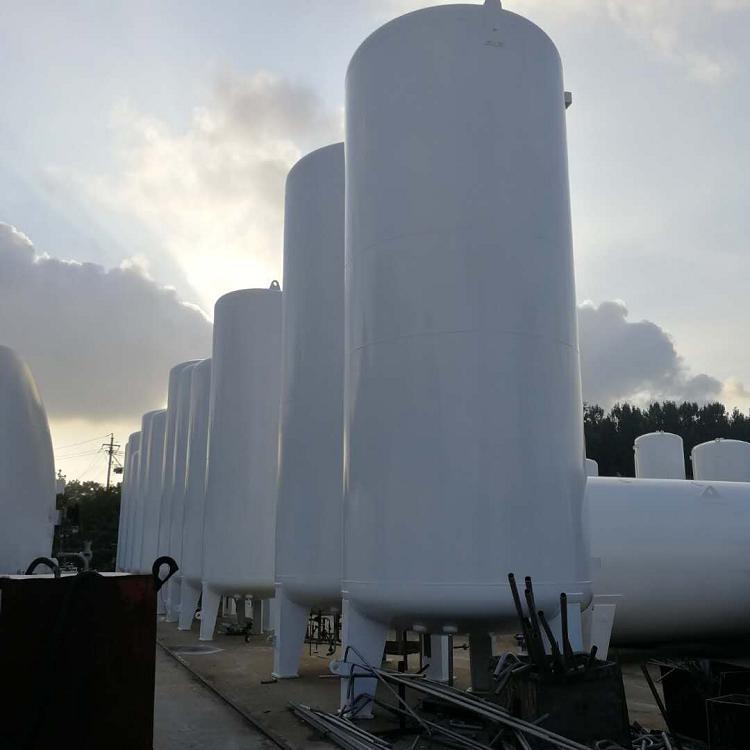
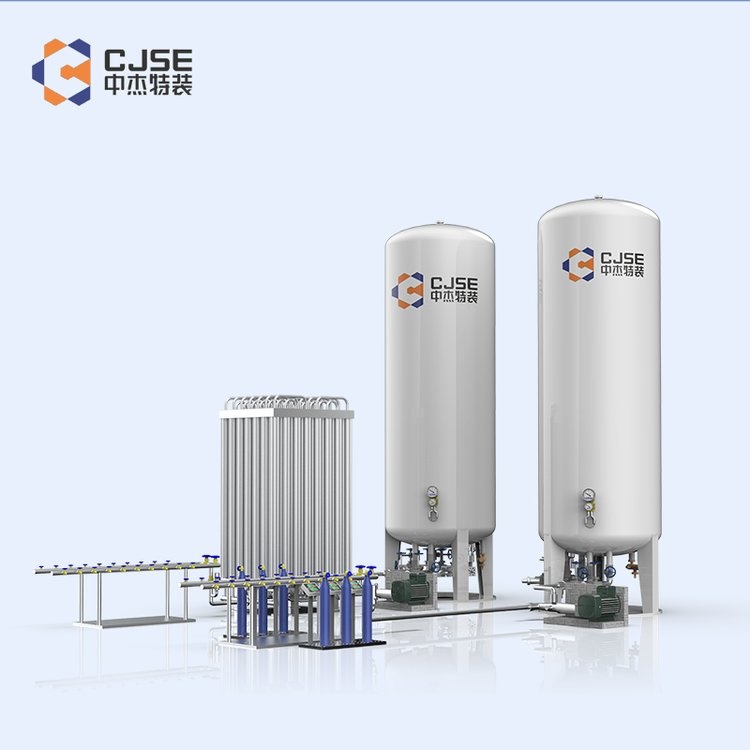


















Shandong Zhongjie Special Equipment (formerly Heze Boiler Factory Co., Ltd.) holds an A-grade boiler manufacturing license, an A2-grade pressure vessel manufacturing license, an A2-grade pressure vessel design license, a B-grade boiler installation license, and GB2/Class and GC2/Class pressure pipeline installation licenses, as well as a mechanical and electrical equipment installation contracting qualification. It is a member of the China Boiler and Water Treatment Association, the China Chemical Equipment Association, and the director unit of the Shandong Equipment Manufacturing Association. The company has also passed the ISO9001 Quality Management System, ISO14001 Environmental Management System, OHSAS18001 Occupational Health and Safety Management System certifications, and the American ASME/U2 certification.
Carbon Dioxide Applications in the New Energy Sector Include:
1. Carbon Capture and Storage (CCS): This technology reduces CO2 emissions by capturing CO2 from industrial sources and storing it underground, preventing it from entering the atmosphere. It aids in reducing greenhouse gas emissions and mitigating climate change.
2. Carbon Utilization: CO2 can be utilized to produce valuable chemicals and fuels. For instance, through CO2 catalytic conversion technology, CO2 can be transformed into fuels like ethanol, which are either combustible or used in chemical industries. This carbon utilization technique helps reduce reliance on traditional fossil fuels and promotes sustainable energy development.
3. Carbon Dioxide Batteries: This is a new battery technology that uses CO2 as the battery's electroactive material. By converting CO2 into electrical energy, carbon dioxide batteries can serve as a sustainable energy storage solution, contributing to the advancement of electric vehicles and renewable energy.
4. Carbon Dioxide Photocatalysis: This technology uses solar energy to convert CO2 into useful chemicals. By employing photo catalysts, CO2 and water can be transformed into combustible gases or organic compounds, thereby realizing the resource utilization of CO2.
These applications aim to reduce CO2 emissions, improve energy efficiency, and drive the development of sustainable energy. However, these technologies are still in continuous development and research, requiring further technical breakthroughs and practical verification.
清洁低温液体储罐的过程需要谨慎操作,以确保安全性和有效性。以下是一般的清洁步骤: 安全准备:在清洁液体储罐之前,确保储罐内的液体已经完全排空,并且储罐的压力已经释放。确保所有相关的安全设备和阀门处于关闭状态。 防护措施:低温液体储罐通常存储着冷的液体,如液氮或液氧。在进行清洁操作时,必须佩戴适当的个人防护装备,如绝缘手套、、防护服等,以防止冷或其他伤害。 清洁剂选择:选择适合清洁低温液体储罐的清洁剂。清洁剂应具备良好的腐蚀性能和低温适应性。可以咨询清洁剂供应商或储罐制造商以获取建议。 清洁过程:将清洁剂注入储罐中,使用适当的工具(如喷洒器、刷子等)进行清洁。根据储罐的尺寸和污染程度,可以选择手动清洁或使用清洗设备。 冲洗和排放:清洁完成后,使用清水或其他适当的冲洗剂进行冲洗,以确保清洁剂和污物。冲洗完成后,将废水和废液排放到合适的处理系统中,遵循环境保护的相关规定。 检查和验证:清洁完成后,进行储罐的检查和验证,确保储罐内部干净、无残留物,并符合相关的安全和卫生要求。 需要注意的是,清洁低温液体储罐的具体步骤和要求可能会因不同的储罐设计和使用场景而有所差异。在进行清洁操作时,应遵循相关的安全操作规程和标准,确保操作的安全性和有效性。好咨询工程师或储罐制造商以获取具体的清洁指导。
Carbon dioxide storage tanks offer several advantages:
- High storage density: These tanks can compress carbon dioxide gas into a liquid state, significantly increasing storage density. Compared to storing in a gaseous state, liquid carbon dioxide can store more carbon dioxide in a smaller tank, saving space and costs.
- Multiple application fields: Carbon dioxide storage tanks are widely used in various industries, including food and beverage, manufacturing, firefighting, and gas supply. Carbon dioxide serves as a preservative, beverage carbonation agent, gas, and extinguishing agent, with a broad range of uses and market demand.
- Environmental and renewable: Carbon dioxide is an environmentally friendly gas, and its increased concentration in the atmosphere contributes to warming and climate change. By storing and utilizing carbon dioxide, we can reduce its emissions into the atmosphere, promoting environmental protection and sustainable development.
- Safe and reliable: In the design and manufacturing process, carbon dioxide storage tanks typically use high-strength materials (such as carbon steel or stainless steel) with excellent pressure resistance and safety. The tanks are usually equipped with safety valves, pressure gauges, and level indicators to ensure safe operation. Moreover, carbon dioxide is a non-flammable and non-explosive gas, making it relatively safe.
- Supply: These tanks provide a stable supply of carbon dioxide. Through tank design and control systems, precise measurement and supply of carbon dioxide can be achieved, meeting the needs of various industries and applications.
These advantages make carbon dioxide storage tanks a crucial storage and supply equipment, widely used in multiple industries. However, when using carbon dioxide storage tanks, it is essential to follow relevant safety operation procedures and standards to ensure safe operation and use.
If a leak in the CO2 storage tank is detected, the following procedures should be taken immediately:
Confirm the leak location: First, identify the exact location of the leak, which can be done through hearing, observation, or using gas detection equipment.
Emergency response: Upon discovering a leak, take immediate emergency measures to ensure personnel safety. Evacuate personnel to a safe area and notify relevant personnel and emergency agencies.
Cut off the gas supply: As soon as possible, shut off the CO2 supply source by closing valves or cutting off power to stop the supply.
Locate the leak: In a safe environment, use gas detection equipment or visual inspection to find the leak. Apply soap water or other leak detection agents to potential leak points and observe for bubble formation.
Seal the leak: Once the leak location is confirmed, take temporary sealing measures, such as using tape, sealant, or other reliable sealing materials for temporary repair. Ensure the sealing is secure and effective in preventing gas leakage.
Repair and restoration: In a safe environment, perform further repairs and restoration. Depending on the specific situation of the leak, it may be necessary to replace gaskets, repair or replace valves, etc. Repair and restoration work should be carried out by trained personnel.
Inspection and testing: After repairs and restoration, conduct leak detection and testing to ensure the leak has been fully repaired and the tank's safety performance has returned to normal.
It is important to handle CO2 storage tank leak issues with caution and follow relevant safety regulations and procedures. If you do not possess the necessary knowledge and skills, contact a professional for assistance.
Zhongjie Special Equipment upholds the grand vision of "realizing employees' dreams, creating customer value, and striving for the prosperity and strength of our motherland," focusing solely on the development of green energy equipment, and dedicating high-value products and services to society!
WeChat Official Account

Scan to follow Official Account



















