


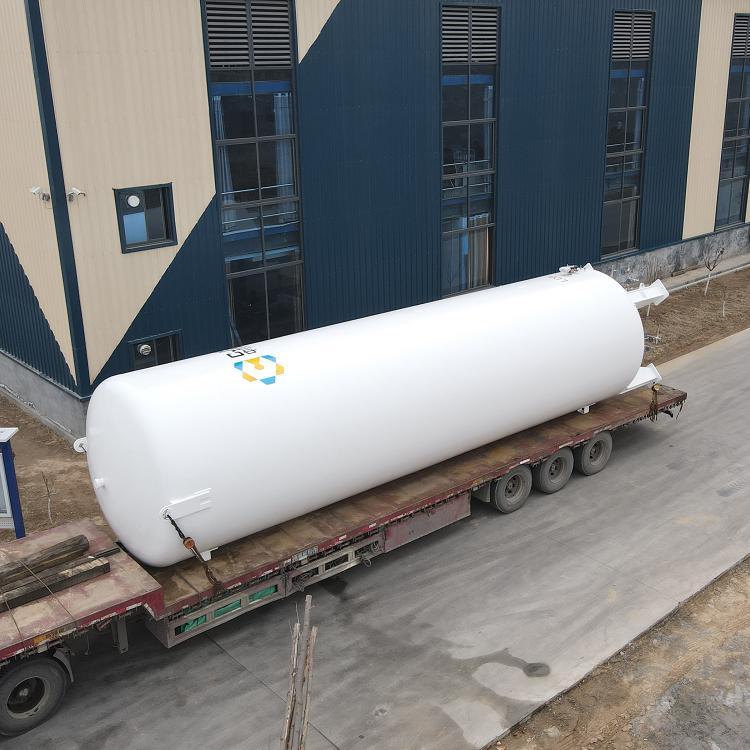

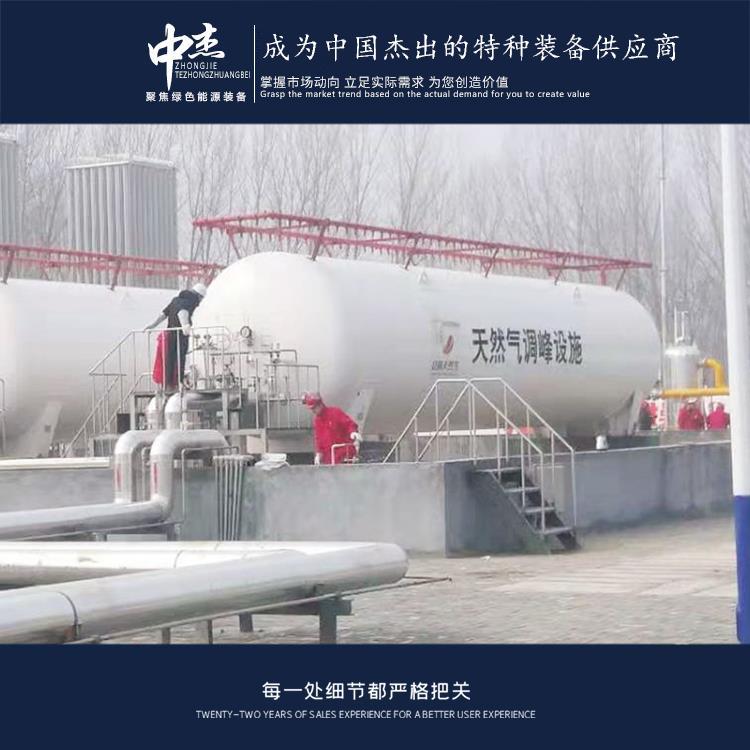
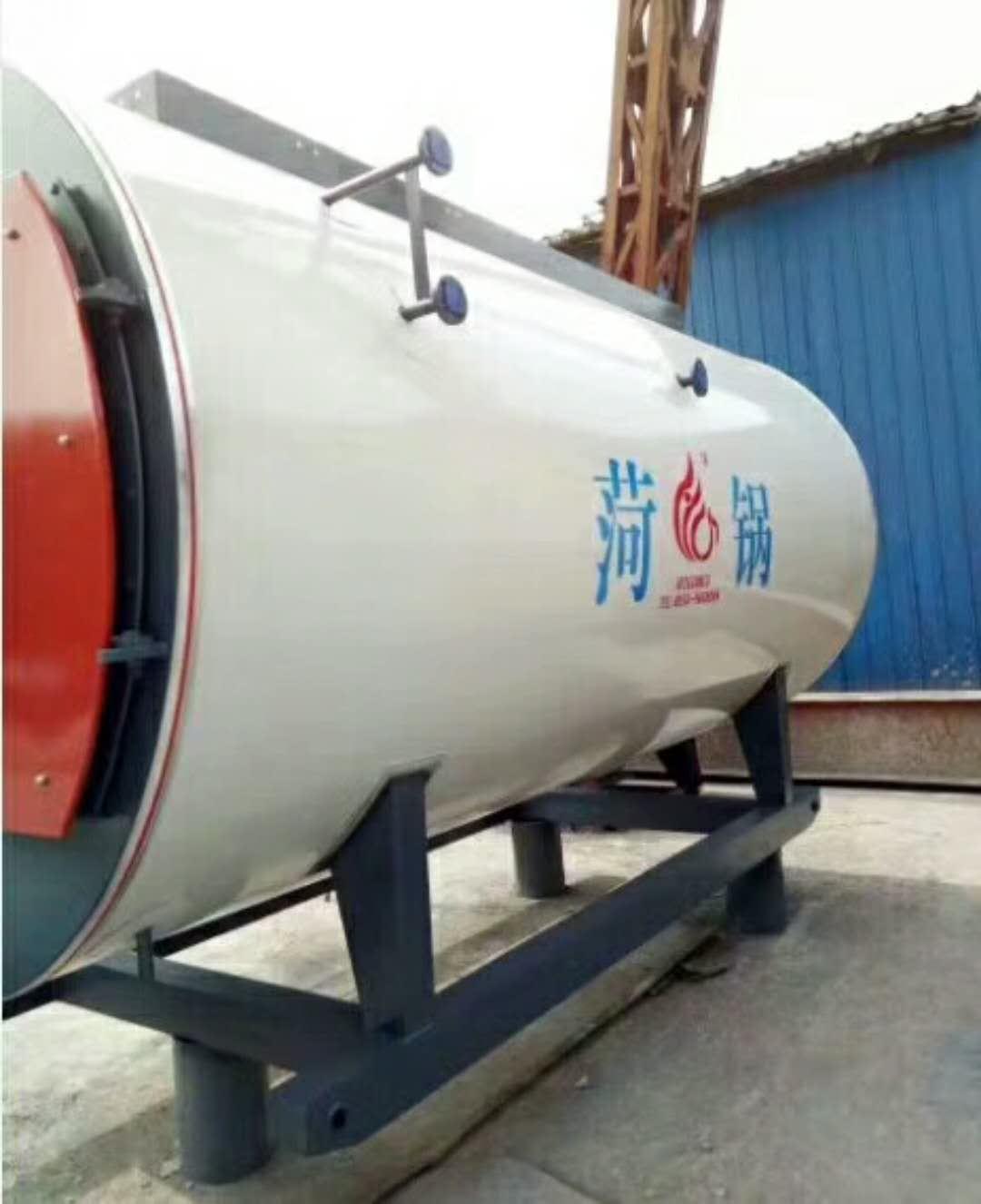


















Shandong Zhongjie Special Equipment (formerly Heze Boiler Factory Co., Ltd.) was established in 2001, located at No. 2218 Jinnan Road, Development Zone, Heze City, with a registered capital of 50 million yuan and total assets of 500 million yuan. The company has 7 business centers: boilers, deep-freeze containers, pressure vessels, central air conditioning, engineering installation, international trade, and the Internet of Things. It has three factory sites on Jinnan Road, East Changjiang Road, and Bohai Road, covering a total of 200,000 square meters, with the main workshop area at 83,000 square meters. It currently employs 710 people, including 247 engineering and technical staff and 82 middle-level technical personnel. In December 2016, it was recognized as a "High-tech Enterprise" by the Science and Technology Department. In June 2021, it was identified as a "Specialized and New Enterprise in Shandong Province" by the Ministry of Industry and Information Technology. In June 2022, it was recognized as a "Gazelle Enterprise in Shandong Province" and in August 2022, it was identified as a "Specialized and New Small Giant Enterprise" by the Ministry of Industry and Information Technology.
The leak treatment methods for liquid argon storage tanks mainly include the following steps:
Identified Air Leaks: Detected through odors, gas detection equipment, or abnormal pressure in liquid argon storage tanks, air leaks in the liquid argon storage tanks are identified.
Confirm air leakage location: Use gas detection equipment or foam leak detection agents, etc., to pinpoint the exact location of air leakage. Inspect tank interfaces, valves, pipe connections, and other areas to locate the air leakage points.
Cease air leak sources: Take appropriate measures based on the location of the air leaks to stop the sources of air leakage. For instance, for leaks at joints, check and adjust sealing washers or tighten bolts; for valve air leaks, inspect and replace sealing components.
Isolate Air Leaks: During the process of dealing with air leaks, it is necessary to isolate the leaky areas to ensure personnel safety. Set up warning signs, restrict access to the area, and take necessary protective measures, such as wearing protective masks and gloves.
Deaerate liquid argon: If a leak cannot be repaired immediately or the leakage is substantial, consider deaerating the liquid argon. By gradually reducing the pressure inside the storage tank, the liquid argon is converted to gas, minimizing the risk of leakage.
Ventilation Treatment: During the air leakage treatment, ensure adequate ventilation and promptly expel the gases produced by the evaporation of liquid argon. Natural ventilation or the use of ventilation equipment can be employed to exhaust the evaporated gases of liquid argon outdoors.
Safety Assessment and Repairs: After the air leakage treatment is completed, conduct a safety assessment to ensure the tank's safety. Based on the assessment results, perform any necessary repairs and maintenance to prevent recurrence of air leakage.
Note that liquid argon is a low-temperature liquid with a low boiling and freezing point. Caution is required when dealing with air leaks to prevent contact with liquid argon, which can cause coldness. When handling air leaks in liquid argon storage tanks, operations should be performed by personnel and in accordance with relevant safety operating procedures and standards.
Liquid nitrogen tanks are equipment used for storing liquid nitrogen, widely applied in the following fields: Frozen Food and Refrigerated Logistics: Liquid nitrogen tanks are used in the frozen food and refrigerated logistics industry to freeze or refrigerate food and other perishable items, extending their shelf life and maintaining freshness. The low temperature of liquid nitrogen can quickly freeze food, prevent bacterial growth, and prevent food spoilage. Scientific Research and Laboratories: Liquid nitrogen tanks are used in scientific research and laboratories to provide liquid nitrogen as a coolant and freezing medium. The low temperature of liquid nitrogen can be used for cooling laboratory equipment, material research, superconducting electronics, and low-temperature physics. Metal Processing and Welding: Liquid nitrogen tanks are used in metal processing and welding for cooling and controlling the temperature of metals. Liquid nitrogen can rapidly cool metals, improve their hardness and strength, and reduce deformation and stress. Gas Storage and Supply: Liquid nitrogen tanks are also used for storing and supplying nitrogen gas. Liquid nitrogen can be converted into gaseous nitrogen through evaporation and used in applications such as gas shielded welding, gas fire suppression systems, gas analysis, and laboratory gas supply. In summary, liquid nitrogen tanks are widely used in the fields of frozen food, scientific research, metal processing, and gas supply, providing storage and supply functions for liquid nitrogen at application sites.
Standard specifications for liquid oxygen storage tanks may vary by region. Here are examples of some common standards:
US Standards: The American National Standards Institute (ANSI) and the American Petroleum Institute (API) have issued a series of standards for liquid oxygen storage tanks, such as ANSI/API Standard 2510 "Design and Construction of Liquid Oxygen Storage Tanks" and ANSI/API Standard 2510A "Supplementary to the Design and Construction of Liquid Oxygen Storage Tanks."
European Standards: The European Committee for Standardization (CEN) has issued a series of standards for liquid oxygen storage tanks, including EN 13458 "Liquid Oxygen Storage Tanks. Design and Manufacture" and EN 14015 "Vertical Welded Steel Fixed Tanks. Design and Manufacture."
Chinese Standards: The Standardization Administration of the People's Republic of China (SAC) has issued a series of standards for liquid oxygen storage tanks, such as GB/T 18442 "Design Code for Liquid Oxygen Storage Tanks" and GB/T 18443 "Construction and Acceptance Code for Liquid Oxygen Storage Tanks."
These standards typically include requirements for the design, manufacture, installation, operation, maintenance, and inspection of liquid oxygen storage tanks. They cover provisions related to the tank's structure, materials, safety valves, insulation, leak control, fire protection measures, and safety distances to ensure the safety and reliability of the storage tanks.
When designing, manufacturing, and using liquid oxygen storage tanks, it is essential to comply with applicable standards and regulations and collaborate with local regulatory authorities and personnel to ensure compliance with relevant safety requirements and laws.
Operation procedures for liquid oxygen storage tanks should be established based on the specific tank design and usage requirements. Below are some common contents of general operation procedures for liquid oxygen storage tanks:
- Operator Training: Ensure operators have received relevant training on liquid oxygen storage tanks, understanding the tank's structure, performance, operation procedures, and safety precautions.
- Safety Inspections: Conduct necessary safety checks before operating a liquid oxygen storage tank, including inspecting the tank's integrity, the sealing of valves and pipes, and the condition of the insulation.
- Liquid Oxygen Supply: Ensure the liquid oxygen supply system is functioning properly, including checking the status of liquid oxygen supply pipes, valves, and pressure gauges to ensure adequate supply.
- Tank Pressure Control: Monitor the pressure of the liquid oxygen storage tank to ensure it remains within a safe range. Adjust pressure valves or relief devices as necessary to control the tank's pressure.
- Leak Control: Regularly inspect the sealing of the tank and pipes to ensure no leaks. In the event of a leak, take immediate action to control it and notify relevant personnel.
- Fire Prevention Measures: Prohibit open flames and prevent sparks and hot objects from contacting the tank around the liquid oxygen storage tank. Establish fire protection facilities and fire extinguishing equipment, and inspect and maintain them regularly.
- Safety Distances: Maintain a certain safety distance around the liquid oxygen storage tank to prevent the spread of fires, explosions, and leaks.
- Maintenance and Repair: Regularly perform maintenance and repairs on the tank, including cleaning the tank, inspecting the insulation, valves, and pipes to ensure normal operation.
- Waste Disposal: Properly dispose of waste generated by liquid oxygen storage tanks, including liquid oxygen residue, waste gases, and waste liquids, in accordance with relevant environmental protection regulations and standards.
Note that operation procedures for liquid oxygen storage tanks should be established based on the specific tank design and usage requirements, and should comply with applicable regulations, standards, and safety guidelines. When operating a liquid oxygen storage tank, cooperate with local regulatory agencies and individuals to ensure the tank's safety and reliability.
Zhongjie Special Equipment adheres to the grand vision of "realizing employees' dreams, creating value for customers, and striving for the prosperity and strength of our motherland," wholeheartedly committed to the development of green energy equipment. We dedicate high-value products and services to society!
WeChat Official Account

Scan to follow Official Account



















