


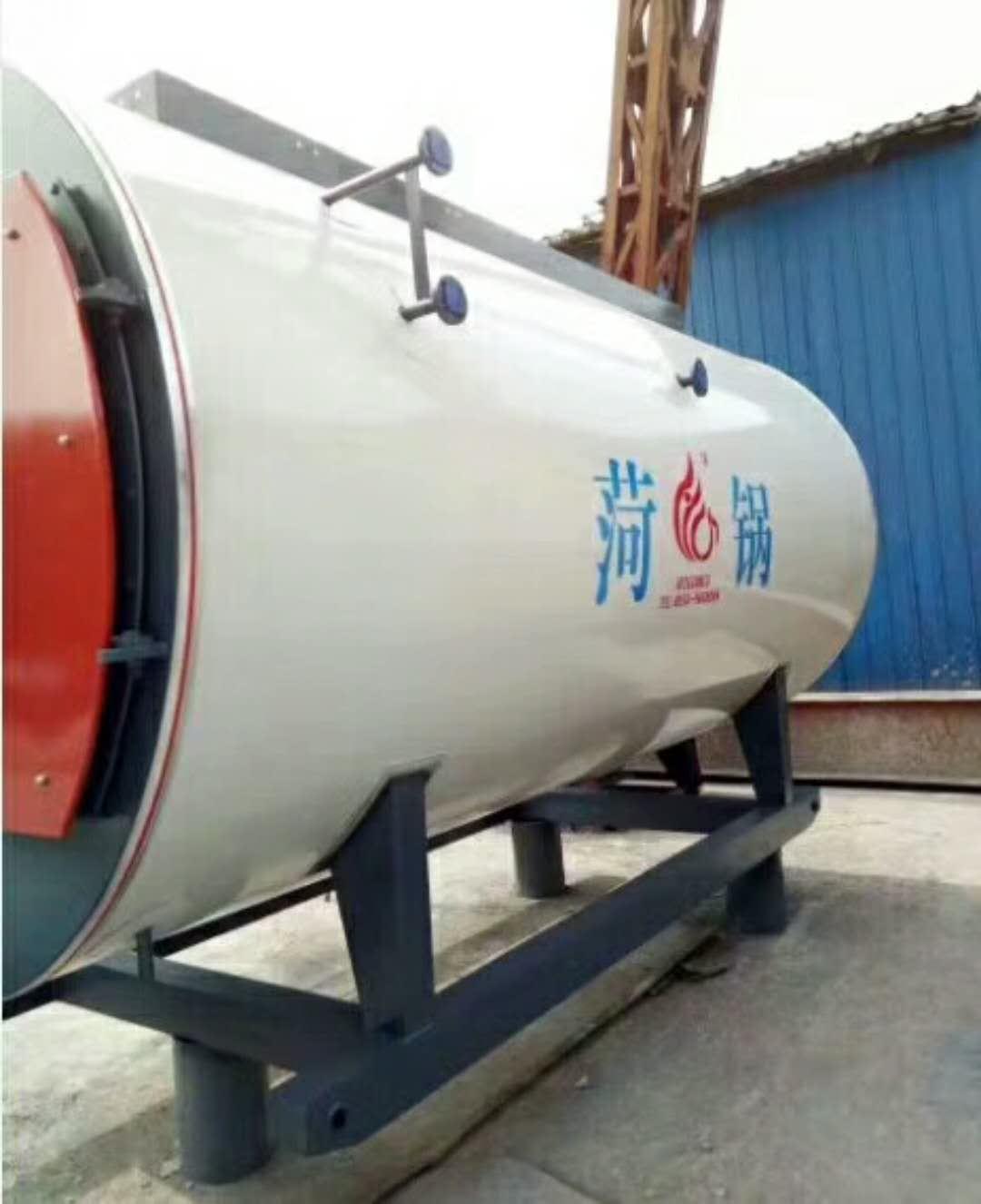



















Shandong Zhongjie Special Equipment (formerly Heze Boiler Factory Co., Ltd.) was established in 2001, located at No. 2218 Jinnan Road, Development Zone, Heze City. With a registered capital of 50 million yuan and total assets of 500 million yuan, the company has 7 business centers: boilers, deep-freeze containers, pressure vessels, central air conditioning, engineering installation, international trade, and the Internet of Things. It has three factory sites on Jinnan Road, East Changjiang Road, and Bohai Road, covering a total area of 200,000 square meters, with the main workshop spanning 83,000 square meters. It currently employs 710 people, including 247 engineering and technical staff and 82 intermediate-level technicians. In December 2016, it was recognized as a "High-tech Enterprise" by the Science and Technology Department. In June 2021, it was identified as a "Specialized and New Enterprise in Shandong Province" by the Ministry of Industry and Information Technology. In June 2022, it was recognized as a "Gazelle Enterprise in Shandong Province" and in August 2022, it was identified as a "Specialized and New Small Giant Enterprise" by the Ministry of Industry and Information Technology.
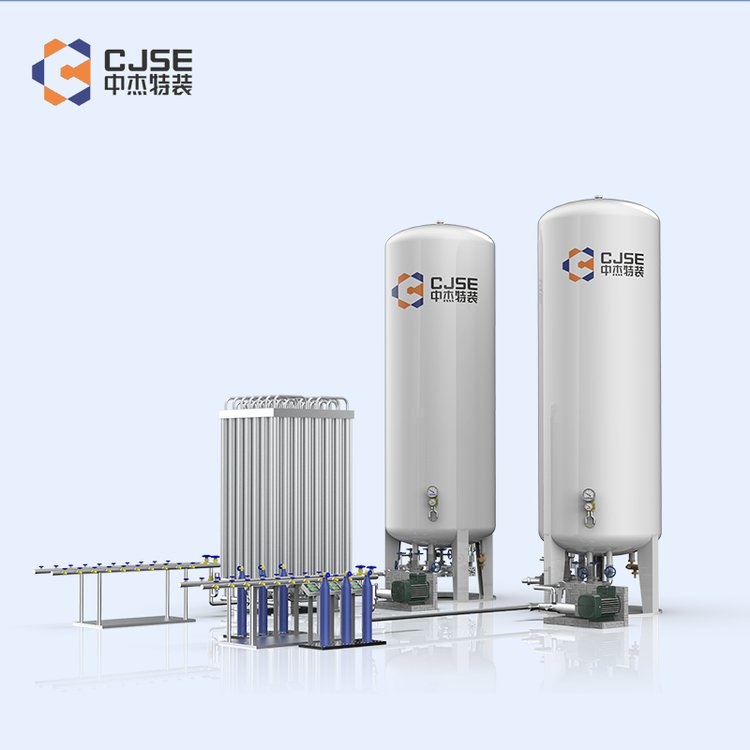
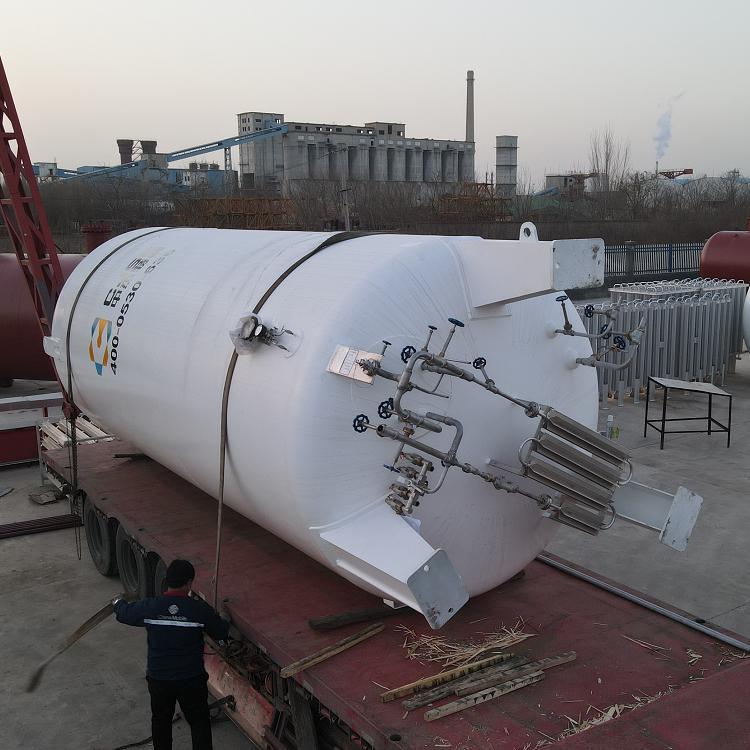
Liquid Oxygen Storage Tanks are equipment used for storing liquid oxygen. Liquid oxygen is the liquid form of oxygen obtained by cooling it below its boiling point and is commonly used in fields such as laboratory, industrial production, and equipment. Liquid Oxygen Storage Tanks are typically made of high-strength materials like stainless steel to ensure they can withstand the low temperatures and high pressures of liquid oxygen. The tanks are often insulated internally to reduce the evaporation of liquid oxygen and maintain its低温 state. The design and manufacturing of liquid oxygen storage tanks must consider safety and reliability to prevent leaks and explosive hazards. Strict operational procedures and safety standards must be followed when using liquid oxygen storage tanks to ensure the safety of personnel and equipment. The development and manufacturing of liquid oxygen storage tanks are conducted by engineers and technical teams, involving knowledge and technology from various fields such as materials science, mechanical engineering, and chemical engineering. Different manufacturers may use different design and manufacturing methods to meet the needs and application scenarios of different users.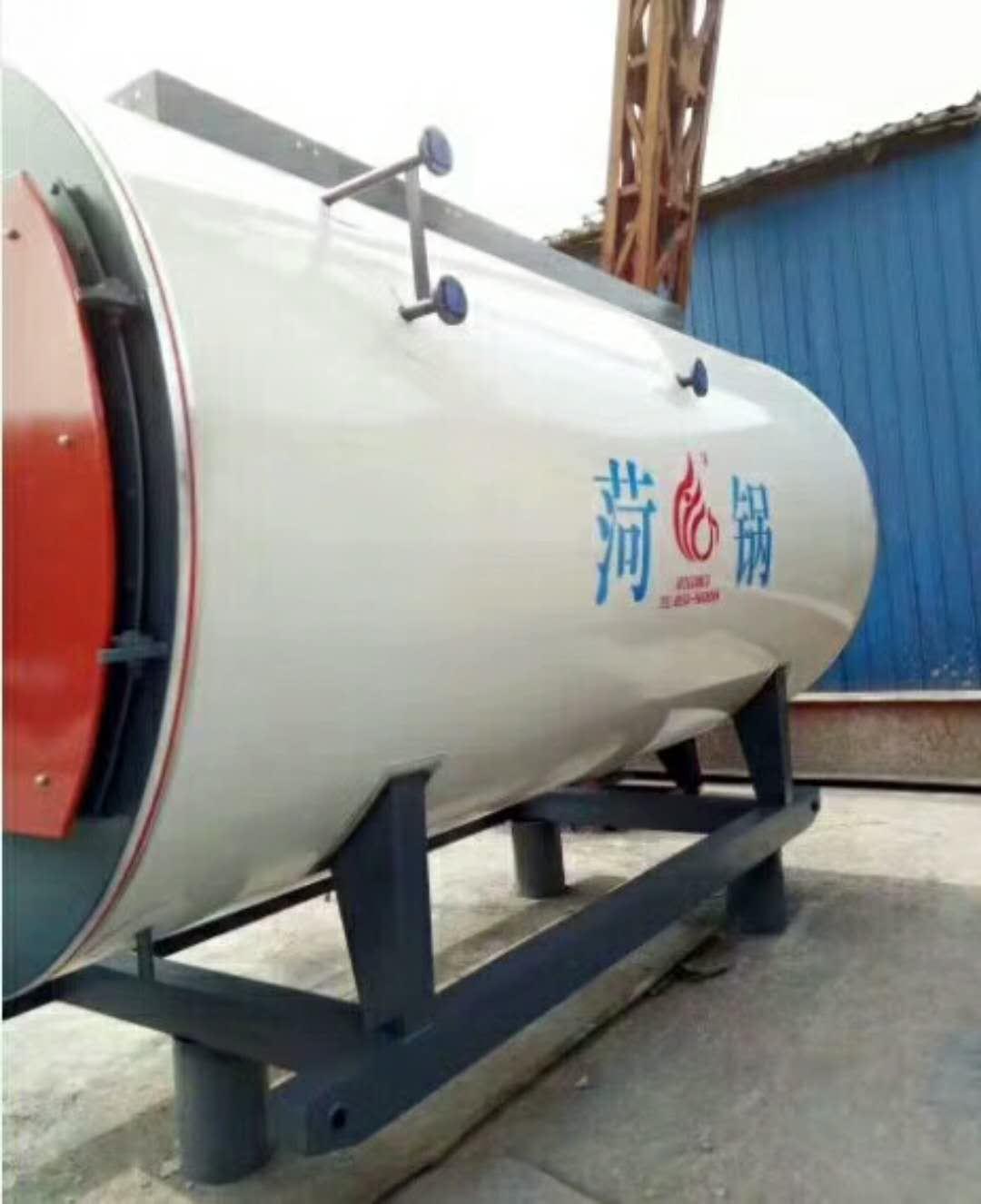
The oxygen-filling process for liquid oxygen tanks must adhere to specific operational procedures and safety measures. Below are the steps for filling liquid oxygen tanks:
Preparation: Ensure the tank and oxygenation equipment are in good working condition, check the tank's seal integrity and the proper operation of the safety valve.
Connect equipment: Link the oxygenation equipment to the storage tank, ensuring the connection is sealed reliably.
Prepare liquid oxygen: Transfer liquid oxygen from the storage container to the oxygen storage tank of the oxygen-filling equipment. During the transfer, be cautious to prevent any leakage of liquid oxygen or contact with it.
Oxygen Filling Operation: Open the valve of the oxygen filling equipment and fill liquid oxygen from the storage tank into the tank. During the filling process, control the filling speed and pressure to avoid excessive pressure and temperature rise in the tank.
Monitoring and Control: During the aeration process, the tank's pressure and temperature must be monitored to ensure they remain within safe limits. In the event of any abnormalities, aeration should be stopped immediately, and appropriate actions should be taken.
Oxygen Filling Completed: Close the valve of the oxygen filling equipment and stop the filling operation when the tank reaches the required oxygen content or pressure.
Safety Handling: After oxygenation is complete, safety handling is required, including closing relevant valves and emptying any remaining liquid oxygen from the oxygenation equipment.
Note that liquid oxygen is highly oxidizing and flammable; the oxygen-filling process must strictly adhere to relevant safety operating procedures and standards. Operators should receive training and strictly follow the operational procedures and safety measures to ensure the safety and reliability of the oxygen-filling process.
The operational and protective procedures for the use of low-temperature liquid nitrogen storage tanks should include the following:
Personnel Training: All operators must undergo safety training for liquid nitrogen storage tanks, understanding the properties, hazards, and proper operation methods, as well as emergency response procedures.
Protective Gear: Operators must wear appropriate protective gear, including gloves, protective clothing, and non-slip shoes, to safeguard themselves from the low temperatures of liquid nitrogen and other hazards.
Ventilation Requirements: Ensure adequate ventilation within the operational area of the liquid nitrogen storage tank to expel gases produced by the evaporation of liquid nitrogen. Avoid excessive oxygen concentration to minimize the risk of fire and explosion.
Leakage Control: Tanks must be equipped with leak detection and alarm systems to promptly identify and control the leakage of liquid nitrogen. Upon detection of a leak, immediate measures should be taken to control the source of the leak and to initiate repairs.
Fire Prevention Measures: Liquid nitrogen has a low boiling and freezing point, which is prone to causing fires. Measures such as setting up fire barriers around liquid nitrogen storage tanks and using fire-resistant coatings are taken to prevent fires from occurring and spreading.
Static Protection: The accumulation of static electricity in liquid nitrogen tanks may cause sparks, increasing the risk of fire. Measures such as using static-conductive materials and anti-static equipment are taken to reduce the accumulation and release of static electricity.
Regular Inspections and Maintenance: Conduct regular checks on the condition of liquid nitrogen tanks and associated equipment, including valves, pipes, pressure gauges, etc. Ensure the equipment is in perfect condition without any damage, and promptly repair or replace any damaged parts.
Waste Gas Treatment: Liquid nitrogen tanks generate waste gas during operation, and appropriate waste gas treatment measures must be taken to prevent potential harm to the environment and human health.
Emergency Response Plan: Develop an emergency response plan for liquid nitrogen storage tanks, including procedures for handling leaks, emergency rescue measures, and the process for notifying relevant departments. Operators
A 50 cubic meter liquid oxygen tank refers to a storage tank with a volume of 50 cubic meters. Liquid oxygen tanks are commonly used for storing and supplying liquid oxygen, applicable in fields such as experiments and research.
Key features and configurations of a 50 cubic meter liquid oxygen storage tank may include the following aspects:
Volume: A 50 cubic meter liquid oxygen tank can store a large quantity of liquid oxygen.
Structure: Liquid oxygen storage tanks are typically designed with double or multi-layer construction, filled with insulating material in between to minimize heat transfer and evaporation of the liquid oxygen. The tank material is usually stainless steel or aluminum alloy, offering excellent corrosion and low-temperature resistance.
Insulation Layer: The insulation layer of liquid oxygen storage tanks is typically made of multi-layer insulation materials such as polyethylene foam, glass fiber, and vacuum layers to reduce heat transfer and the evaporation of liquid oxygen.
Temperature Control System: Liquid oxygen tanks are typically equipped with a temperature control system to regulate the tank's temperature, maintaining the低温 state of the liquid oxygen.
Safety Equipment: Liquid Oxygen Tanks are typically equipped with safety devices such as pressure sensors, temperature sensors, and safety valves to ensure safe operation of the tank.
It's important to note that the use of liquid oxygen tanks must strictly adhere to relevant safety regulations and operating guidelines to ensure safe operation and usage. Liquid oxygen is highly flammable, so fire prevention measures must be taken when using liquid oxygen tanks, and it must be ensured that there are no ignition sources nearby.
Our company places great emphasis on technological innovation and research and development, with 1 municipal-level enterprise technology center in Heze City. We have established testing facilities for non-destructive testing, physical and chemical testing, welding testing, hydrostatic testing, and more. Equipped with over 600 various instruments and equipment, including CNC machine tools, X-ray flaw detectors, digital ultrasonic flaw detectors, mechanical property testing machines, chemical analyzers, spectrometers, tensile testing machines, plasma welding machines, and others. The key products and technologies we have developed, such as temperature and pressure vessel welding, biomass boiler emission reduction, and waste heat recovery, have successively been selected for multiple Shandong Provincial Department of Industry and Information Technology scientific and technological innovation projects, key projects in Shandong Province, and Heze City innovative and excellent projects, etc. We have cumulatively obtained 27 authorized utility models, 16 authorized inventions, participated in drafting 2 standards, 2 industry standards, and registered 15 trademarks. The technical team of our company, in collaboration with Professor Li Yajiang of Shandong University, has developed deep cryogenic vessel processing technology, which utilizes the international plasma arc + wire-inert gas arc welding (PAW-GTAW) technology. After the evaluation of scientific and technological achievements at the provincial level, the technical level has reached international standards in the field of deep cryogenic vessel manufacturing. Choose Zhongjietech, and let's create brilliance together!
WeChat Official Account

Scan to follow Official Account



















