


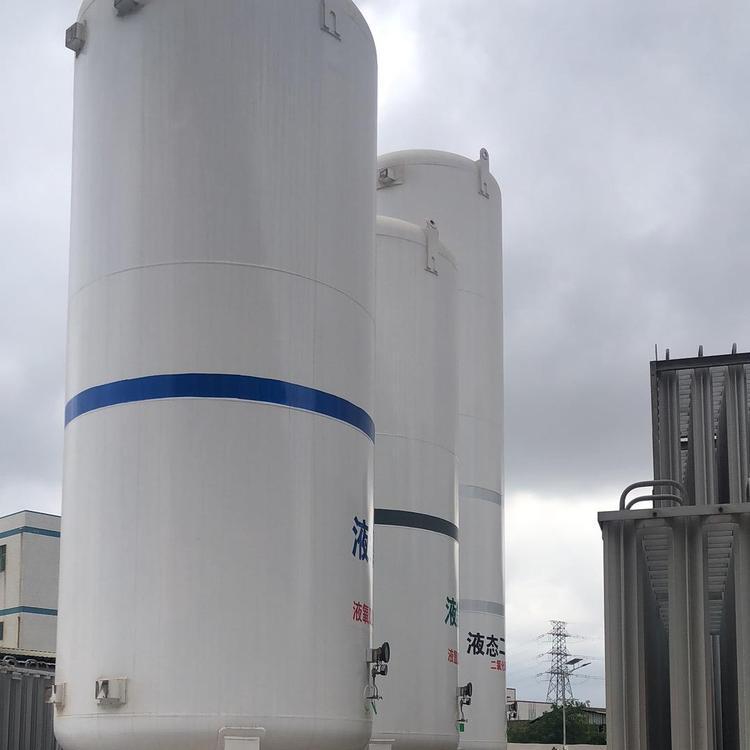

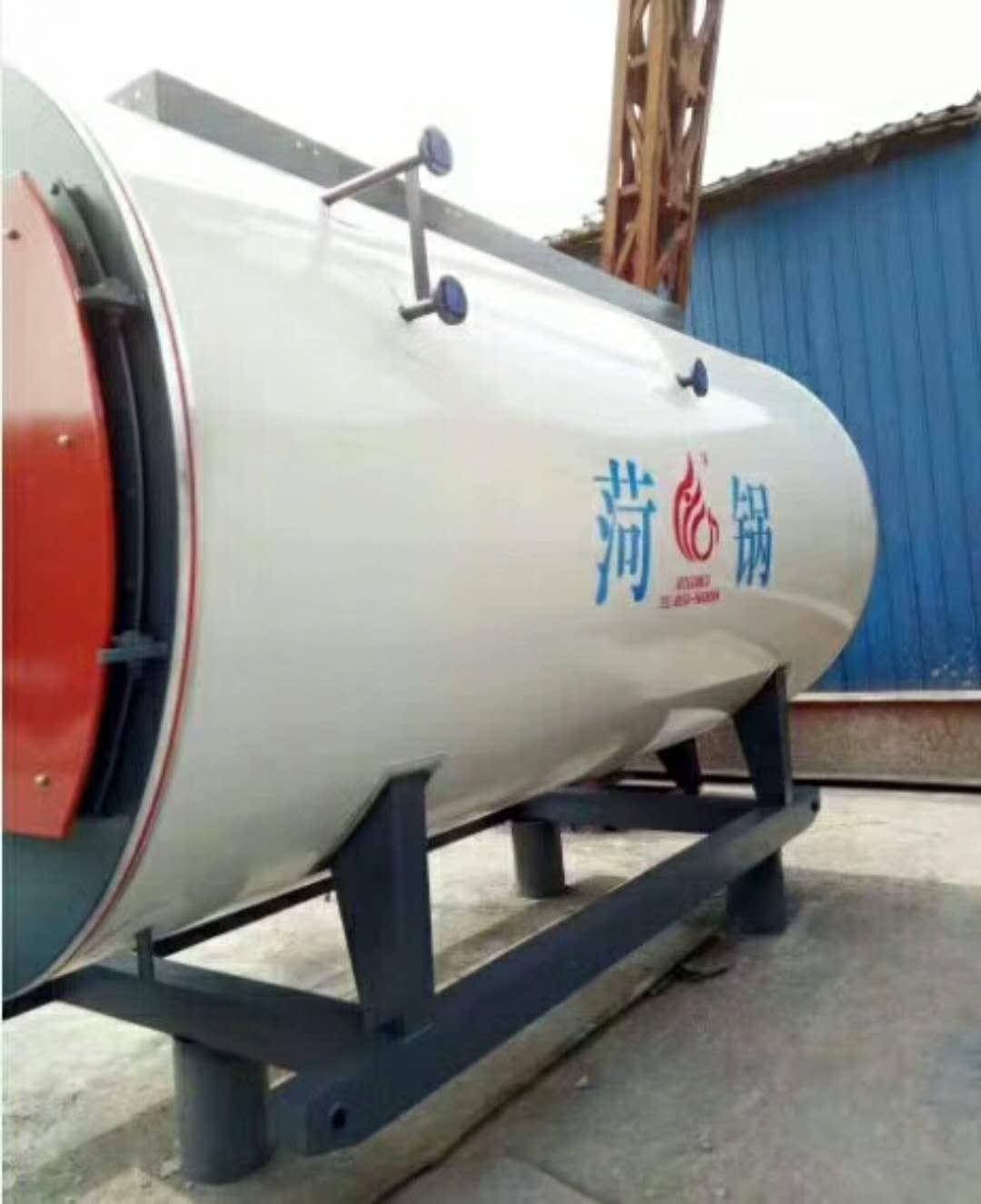


















Shandong Zhongjie Special Equipment (formerly Heze Boiler Factory Co., Ltd.) holds an A-grade boiler manufacturing license, an A2-grade pressure vessel manufacturing license, an A2-grade pressure vessel design license, a B-grade boiler installation license, and GB2/Class GC2 pressure pipeline installation licenses, as well as an equipment and machinery installation contracting license. It is a member of the China Boiler and Water Treatment Association, the China Chemical Equipment Association, and the council unit of the Shandong Equipment Manufacturing Association. The company has also passed certifications for the ISO9001 Quality Management System, ISO14001 Environmental Management System, OHSAS18001 Occupational Health and Safety Management System, and the American ASME/U2 certification.
Carbon Dioxide Applications in the New Energy Field
Carbon Capture and Storage (CCS): This technology reduces CO2 emissions by capturing CO2 from industrial sources and storing it underground, preventing its release into the atmosphere. It aids in decreasing greenhouse gas emissions and mitigating climate change.
Carbon Utilization: CO2 can be utilized to produce valuable chemicals and fuels. For instance, through CO2 catalytic conversion technology, CO2 can be transformed into fuels like ethanol. This carbon utilization technique helps reduce reliance on traditional fossil fuels and promotes sustainable energy development.
Carbon Dioxide Batteries: These are a new type of battery technology that uses CO2 as the battery's material. By converting CO2 into electrical energy, carbon dioxide batteries can serve as a sustainable energy storage solution, fostering the development of electric vehicles and renewable energy.
Carbon Dioxide Photocatalysis: This technology uses solar energy to convert CO2 into useful chemicals. By employing photo catalysts, CO2 and water can be transformed into combustible gases or organic compounds, realizing the resource utilization of CO2.
These applications aim to reduce CO2 emissions, enhance energy efficiency, and promote the development of sustainable energy. However, these technologies are still in development and research, requiring further technical breakthroughs and practical verification.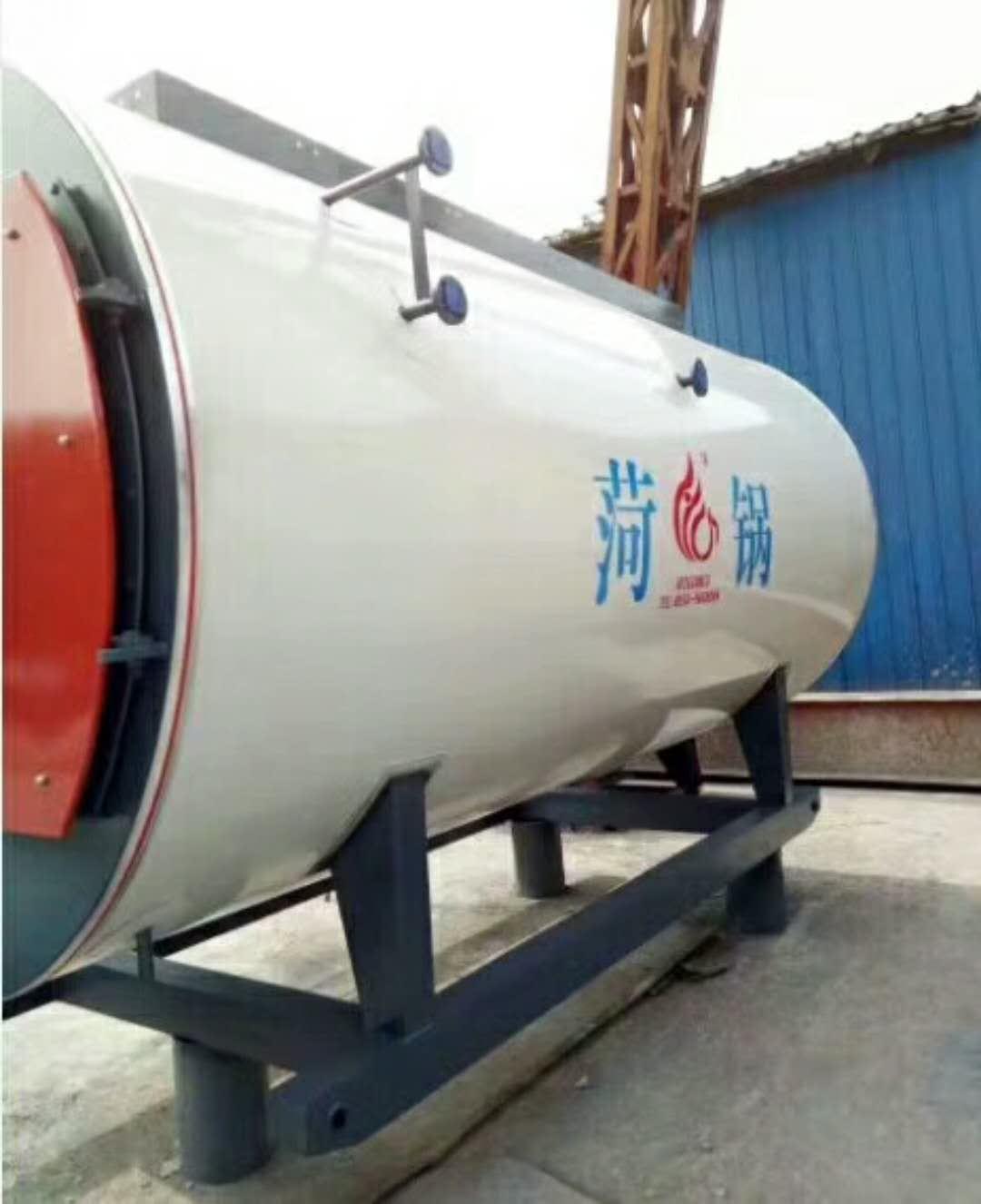
Additionally, the use of liquid carbon dioxide tanks must adhere to specific industry standards and regulations based on the particular industry and application scenario. For instance, when using liquid carbon dioxide tanks in the food and beverage industry, compliance with food safety and hygiene standards is required. It's important to note that different regions may have varying standards and regulations applicable to the use of liquid carbon dioxide tanks. Therefore, operations and usage should be conducted in accordance with local laws and standards.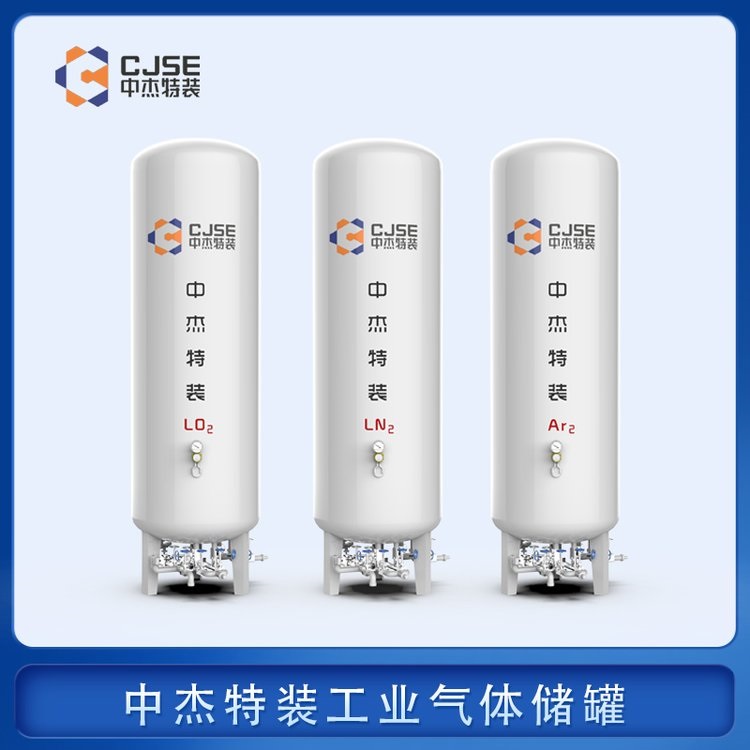
Technical specifications for carbon dioxide storage tanks can be formulated based on different application fields and/or regional standards. The following are some common technical specifications and standards for reference:
- ASME Standards: The American Society of Mechanical Engineers (ASME) has issued a series of standards for pressure vessels, including specifications for carbon dioxide storage tanks, such as ASME BPVC Section VIII Division 1 and ASME BPVC Section VIII Division 2.
- ISO Standards: The International Organization for Standardization (ISO) has published some standards related to pressure vessels, such as ISO 9809-1 and ISO 9809-2, covering design, manufacturing, and inspection requirements for steel gas cylinders.
- GB Standards: The China National Bureau of Standards has issued a series of standards related to pressure vessels, such as GB 150 "Pressure Vessels" and GB 5099 "Steel Gas Cylinders," including design, manufacturing, and inspection requirements for carbon dioxide storage tanks.
- DOT Standards: The United States Department of Transportation (DOT) has issued some standards related to pressure vessels and cylinders, such as DOT-3AA and DOT-4BA, covering design, manufacturing, and transportation requirements for liquefied gas storage tanks.
- EN Standards: The European Committee for Standardization (CEN) has published some standards related to pressure vessels, such as EN 13445 and EN 14382, covering design, manufacturing, and inspection requirements for liquefied gas storage tanks.
- Additionally, other industry standards and specifications may apply to carbon dioxide storage tanks based on specific application needs, such as those related to the food and beverage industry and industry-specific standards.
When using carbon dioxide storage tanks, it is necessary to select applicable technical specifications according to specific application requirements and local regulatory requirements, and ensure that the design, manufacturing, and use of the tanks comply with the corresponding standards and specifications.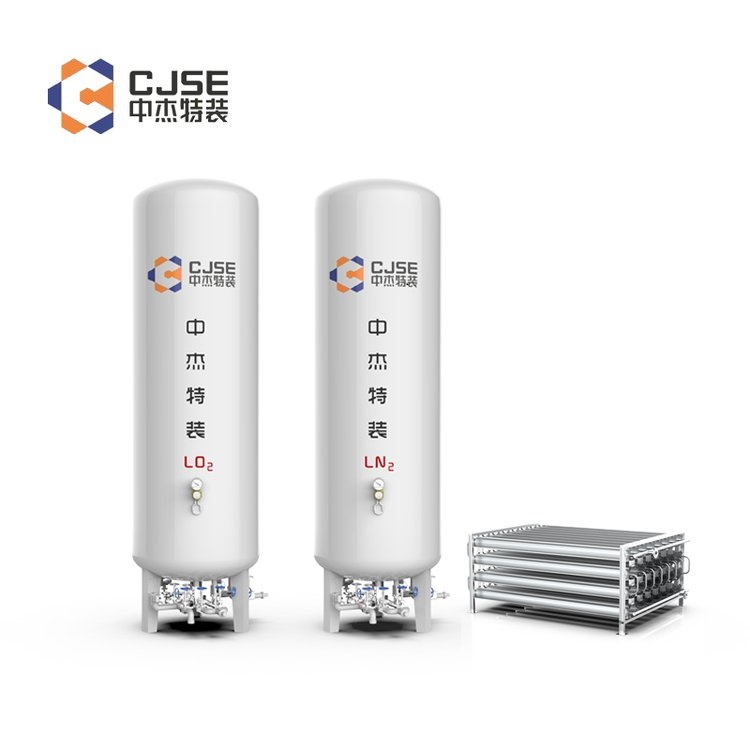
When using carbon dioxide tanks, the following safety procedures must be adhered to ensure safety:
Tank Operator Training: All operators must receive training to understand the characteristics, operational requirements, and safety measures of carbon dioxide tanks. Training should include safe tank operation, leak handling, emergency response plans, etc.
Safety Operating Procedures: Establish and comply with relevant safety operating procedures, including tank start-up, shutdown, inspection, and maintenance. Operators should operate according to the procedures to ensure safe tank operation.
Leak Handling: Develop a leak handling program including leak detection, emergency shutdown, and isolation of the leak source. Operators should be familiar with the leak handling procedures and able to respond quickly and correctly to leak incidents.
Fire Prevention Measures: Carbon dioxide is flammable, so fire prevention measures must be taken when using it. Smoking, open flame operations, or placing flammable items near the tank are prohibited. Ensure that fire protection equipment around the tank is in good condition and fire drills are conducted regularly.
Waste Gas Emission: Properly discharge waste gases generated during the use of carbon dioxide tanks to avoid the accumulation of carbon dioxide in enclosed spaces, which can cause asphyxiation and safety risks. Ensure the waste gas emission system is unobstructed and operating properly.
Regular Inspections and Maintenance: Regularly inspect the tank's exterior, seals, valves, and pipe connections. Promptly repair or replace any abnormalities or damage. Also, regularly inspect and maintain the tank's safety valves, pressure sensors, and other accessories.
Emergency Response Plan: Develop and implement an emergency response plan including leak incident handling, evacuation procedures, and first aid measures. Operators should be familiar with the emergency response plan and conduct drills regularly.
Monitoring and Alarm Systems: Install and maintain monitoring and alarm systems for the tank.
ZJ Special Equipment upholds the great vision of "realizing employees' dreams, creating value for customers, and striving for the prosperity and strength of our motherland," and is dedicated to the development of green energy equipment. We offer society high-value products and services!
WeChat Official Account

Scan to follow Official Account



















