





















Shandong Zhongjie Special Equipment Co., Ltd. specializes in the following products: fuel (gas) boilers, organic heat carrier boilers, biomass boilers, waste heat recovery boilers, and other boiler products; vacuum insulation cryogenic pressure vessels such as LNG tanks, oxygen/nitrogen/argon tanks, and CO2 tanks; pressure vessel products including denitrification engineering equipment, heat storage and energy storage equipment, and complete chemical equipment sets; central air conditioning and ventilation equipment such as ground (water) source heat pumps, air source units, water-cooled screw units, and air-cooled modular units. Planned products include large-scale energy centers, LNG transport vehicles, LNG tank containers, and other green energy equipment.
The pressure-setting methods for biomass hot water boilers mainly include the following:
Natural Circulation Pressure Regulation: Natural circulation pressure regulation refers to the process of circulating hot water to the heating system through natural convection within the boiler. Under the natural circulation pressure regulation method, there is a significant difference in elevation between the supply and return water pipes of the boiler, achieving natural circulation through the density differences of the hot water. This method is suitable for small-scale biomass hot water boilers, characterized by simplicity and economy.
Forced Circulation Constant Pressure: This method involves using a circulating pump to force hot water to circulate through the heating system. Under the forced circulation constant pressure method, the boiler provides sufficient water pressure through the circulating pump to ensure smooth flow of hot water. This approach is suitable for large-scale biomass hot water boilers, characterized by stability.
Micro-positive Pressure Constant Pressure: Micro-positive pressure constant pressure maintains a slight positive pressure in the boiler system, ensuring stable circulation of hot water. Under the micro-positive pressure constant pressure method, the pressure in the boiler system is slightly higher than atmospheric pressure, driving the circulation of hot water through the pressure difference. This method is suitable for situations requiring higher heating temperatures and longer heating distances.
Above are the common methods of setting pressure for biomass hot water boilers. According to specific usage requirements and system design, the appropriate setting method can be chosen to ensure the normal operation and heating effect of the hot water boiler.
Biomass refers to renewable energy sources derived from organic matter such as plants, animals, and microorganisms. It includes wood, straw, waste crops, food scraps, and municipal solid waste, among others. Biomass has a wide range of sources and types, and it is a renewable energy that can substitute for fossil fuels.
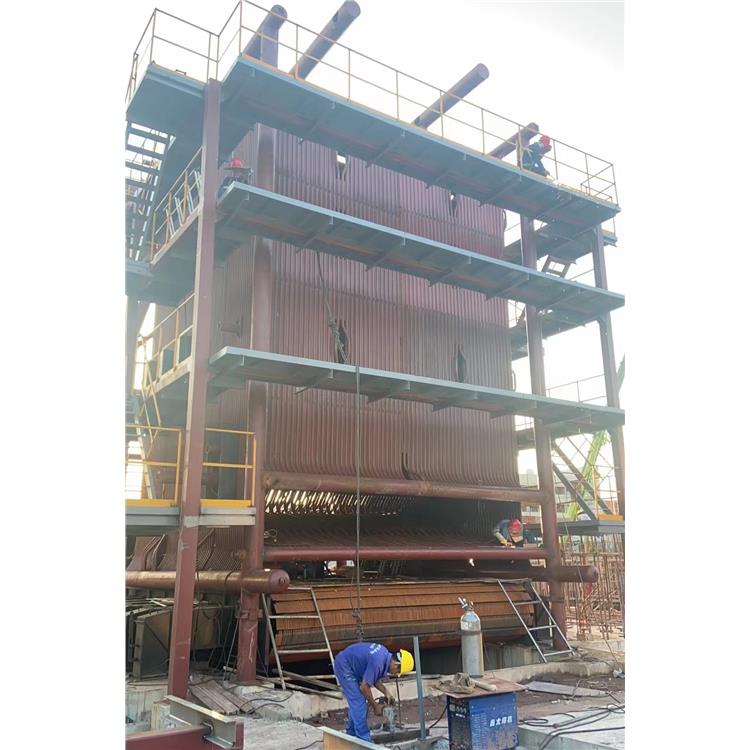
A biomass boiler is a specialized equipment designed for burning biomass fuel. It combusts biomass fuel to produce high-temperature, high-pressure thermal energy, which is used for heating, power generation, or other industrial processes. Biomass boilers typically use granular, pelletized, or shredded biomass fuel, releasing thermal energy through the combustion process.
The advantages of biomass boilers include:
Renewable Energy: Biomass is a renewable energy source with lower carbon emissions and environmental impact compared to fossil fuels.
Diversity: A wide variety of biomass fuels are available, utilizing plant and animal waste and by-products to enhance resource utilization efficiency.
Environmental Friendliness: The carbon dioxide produced during biomass combustion can be absorbed by plants, forming a cycle and reducing air pollution.
Economic: Biomass fuel is relatively cost-effective, can
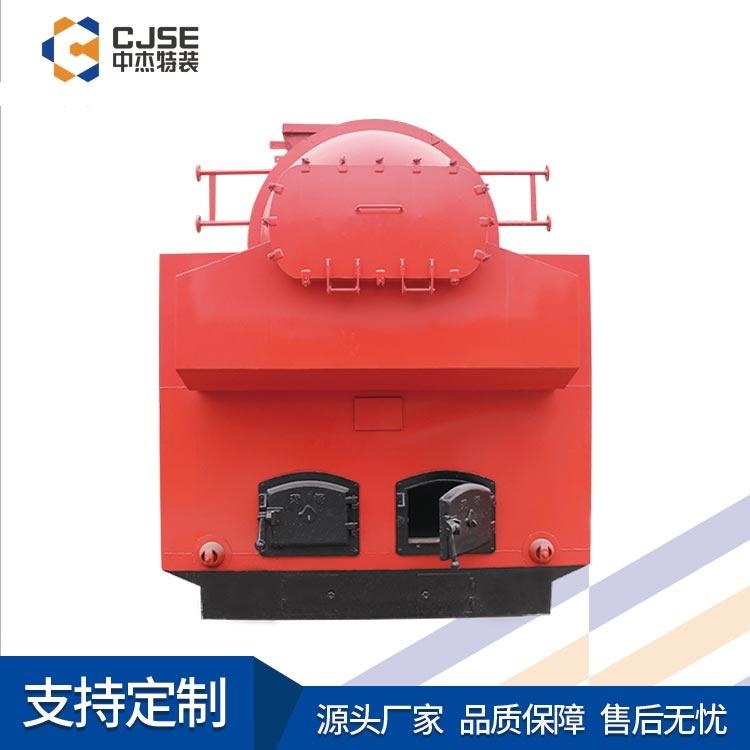
The DZL type quick-assembly biomass boiler is a common model of biomass boiler, featuring the following characteristics:
Quick Installation: The DZL type rapid assembly biomass boiler is designed with a modular structure. The boiler body and equipment are pre-assembled in the factory, allowing for a simple connection and tuning on-site, significantly reducing installation time and project duration.
High combustion efficiency: Utilizes a special combustion chamber design and system, ensuring complete combustion of biomass fuel within the furnace, resulting in high thermal efficiency. Additionally, equipped with an economizer and flue gas recirculation unit to further enhance thermal efficiency.
Automated Control: The DZL type quick-assembly biomass boiler is equipped with an automated control system, enabling the control and monitoring of the combustion process. With a PLC controller and a touch screen, parameters such as fuel supply, air supply, and combustion temperature can be adjusted, ensuring the stable operation of the boiler.
Multiple Fuel Adaptability: The DZL-type rapid assembly biomass boiler is suitable for various biomass fuels such as sawdust and straw. Different fuels can be chosen according to actual conditions, enhancing fuel substitutability and flexibility.
Eco-friendly and Energy-saving: The DZL type rapid assembly biomass boiler uses biomass fuel, resulting in relatively low emissions of waste gas and slag during combustion, and low pollution content in the combustion emissions. The biomass fuel itself has the characteristics of low sulfur and low nitrogen, and the waste slag after combustion can be reused as organic fertilizer or biomass fuel, reducing environmental pollution.
Compact Structure: DZL Type Quick Assembly Biomass Boiler
Biomass boilers offer several advantages:
Renewable Energy: Fuel used in biomass boilers comes from organic materials like plants, animals, and microorganisms, making it a renewable energy source. Compared to traditional fossil fuels, biomass fuel has lower carbon emissions and a smaller environmental impact, contributing to reduced greenhouse gas emissions and being more environmentally friendly.
A diverse range of fuel sources: Biomass fuel sources are extensive, including wood, straw, waste crops, food scraps, and municipal solid waste, etc. This diversity of fuel sources allows biomass boilers to be flexible and adaptable, utilizing waste and by-products from plants and animals.
Environmental Friendliness: The carbon dioxide emitted during the combustion process of biomass boilers can be absorbed by plants, forming a cycle that reduces air pollution. Additionally, the emissions and ash produced by biomass boilers are relatively low, resulting in minimal environmental impact.
Energy Security: As a native renewable energy source, biomass can reduce dependence on imported energy and enhance energy security. In areas with scarce resources, the use of biomass boilers can provide a reliable energy supply.
Economic viability: Biomass fuel is relatively cost-effective, helping to reduce energy costs. Furthermore, the technology and equipment for biomass boilers are continuously evolving and maturing, making them more economically competitive.
Waste Utilization: Biomass boilers can utilize agricultural by-products such as crop straw, wood waste, etc., effectively utilizing waste resources and reducing resource waste.
In summary, biomass boilers offer advantages such as renewable energy, diverse fuel sources, environmental friendliness, energy security, cost-effectiveness, and waste utilization, making them a sustainable energy option.
Our company places a high priority on technological innovation and research and development design. We possess one city-level enterprise technology center in Heze City and have established testing facilities for non-destructive testing, physical and chemical testing, welding testing, hydrostatic testing, and more. We are equipped with over 600 instruments and equipment, including CNC machine tools, X-ray flaw detectors, digital ultrasonic flaw detectors, mechanical property testing machines, chemical analyzers, spectrometers, tensile testing machines, plasma welding machines, and more. The key products we have developed, such as welding technology for temperature and pressure vessels, biomass boiler emissions reduction, and waste heat utilization, have successively been shortlisted for multiple Shandong Provincial Department of Industry and Information Technology Science and Technology Innovation Projects, key projects in Shandong Province, and Heze City Innovation and Excellence Projects, etc. In total, we have obtained 27 authorized utility models, 16 authorized inventions, participated in drafting 2 standards, 2 industry standards, and registered 15 trademarks. Our technical team, in collaboration with Professor Li Yajiang of Shandong University, has jointly developed deep cryogenic container processing technology using the internationally recognized plasma arc + filled wire argon arc combination welding (PAW-GTAW) technique. The provincial-level scientific and technological achievement assessment has confirmed that our technology level in the deep cryogenic container manufacturing field has reached international standards. Choose Zhongjie Special Equipment, and let's join hands to create brilliance!
WeChat Official Account

Scan to follow Official Account



















