


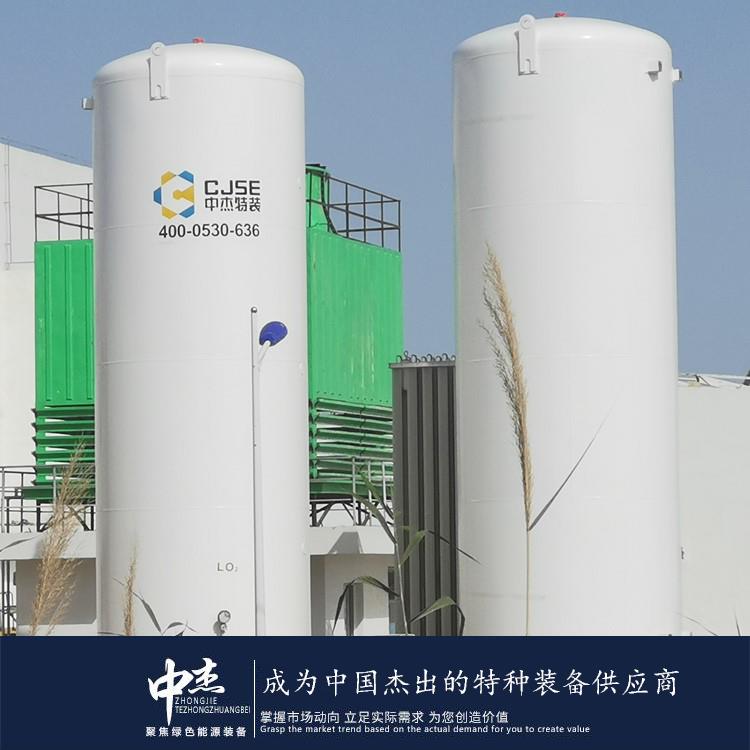

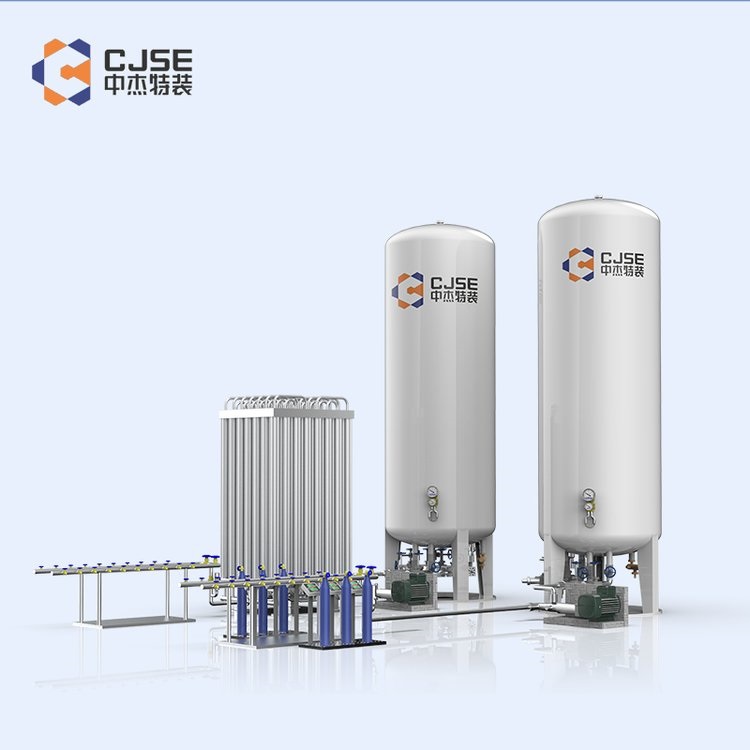
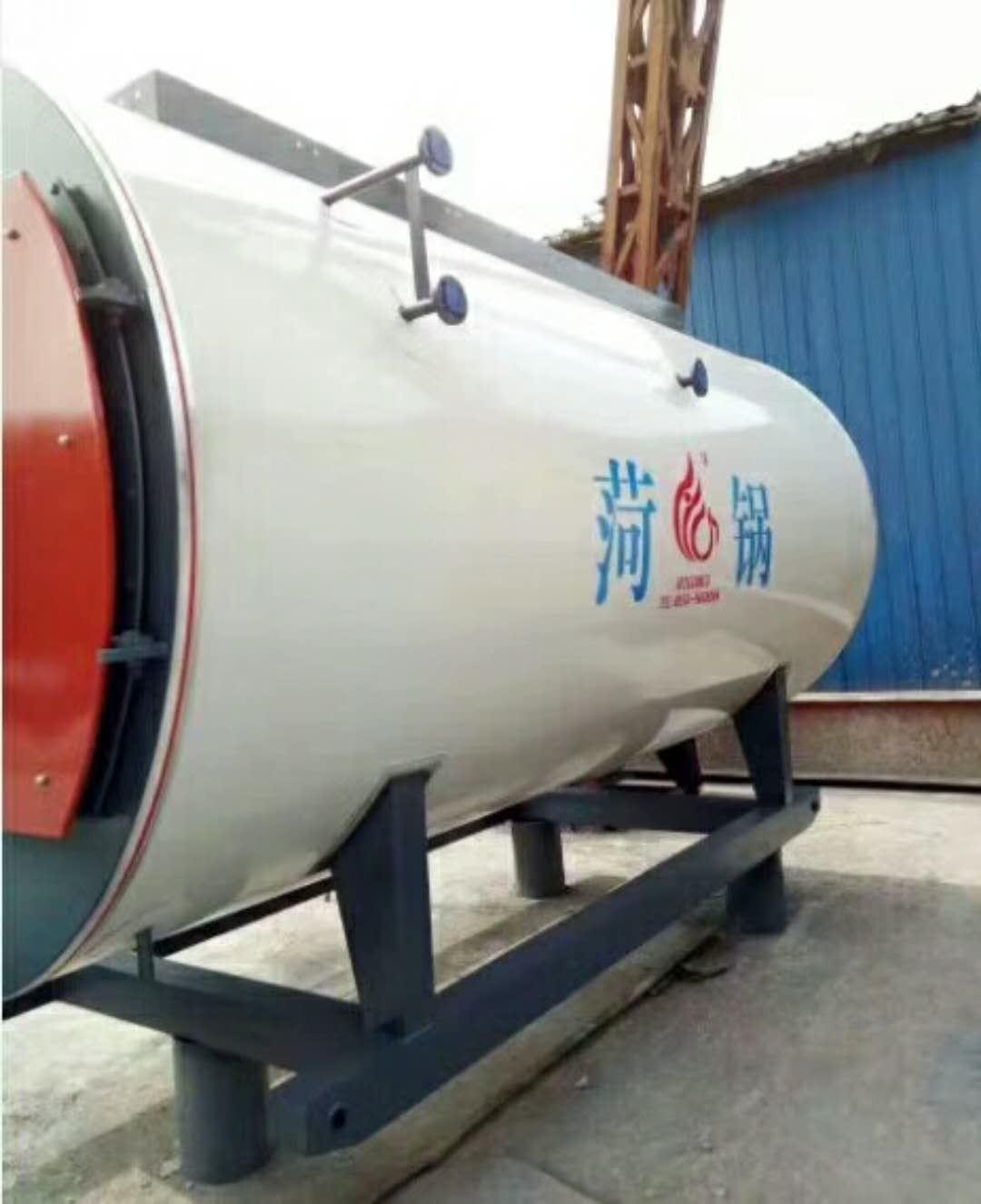


















Shandong Zhongjie Special Equipment Co., Ltd. (formerly Heze Boiler Factory Co., Ltd.) was established in 2001, located at No. 2218 Jinan Road, Economic and Technological Development Zone, Heze City, with a registered capital of 50 million yuan and total assets of 500 million yuan. The company has 7 business centers: boilers, deep-freeze containers, pressure vessels, central air conditioning, engineering installation, international trade, and the Internet of Things. It has three factory sites on Jinan Road, East Yangtze Road, and Bohai Road, covering a total of 200,000 square meters. The main workshop spans 83,000 square meters. There are currently 710 employees, including 247 engineering and technical staff and 82 middle-level technical personnel. In December 2016, it was recognized as a "High-tech Enterprise" by the Science and Technology Department. In June 2021, it was identified as a "Specialized and New Enterprise in Shandong Province" by the Industrial and Information Technology Department. In June 2022, it was recognized as a "Deer Enterprise in Shandong Province" by the department. In August 2022, it was identified as a "Specialized and New Small Giant Enterprise" by the Ministry of Industry and Information Technology.
Carbon dioxide has several key applications in carbonated beverages:
1. Giving bubbles and texture: Carbon dioxide is the key ingredient responsible for the carbonation and effervescence in carbonated drinks. When dissolved in the beverage, it forms bicarbonate ions, creating a foamy and bubbly texture. This bubble and texture contribute to the unique taste and mouthfeel of carbonated drinks.
2. Adjusting pH levels: Carbon dioxide reacts with water to form carbonic acid, thereby regulating the pH levels of carbonated drinks. By controlling the amount of dissolved carbon dioxide, the acidity of the beverage can be adjusted to achieve a suitable taste and mouthfeel.
3. Providing a refreshing sensation: The carbon dioxide bubbles in carbonated drinks can give a refreshing feeling. As you drink, these bubbles stimulate the taste buds on your tongue, creating a cooling sensation and enhancing the beverage's taste and mouthfeel.
4. Extending shelf life: Carbon dioxide plays a certain preservative role in carbonated drinks. Due to its acidity and properties, it can inhibit the growth of microorganisms, thereby extending the shelf life of carbonated drinks.
It is important to note that excessive consumption of carbonated drinks may have adverse health effects, such as tooth erosion and osteoporosis. Therefore, moderate consumption is crucial.
Common drawbacks of corrosion in pressure vessels during use include:
Chemical Media: Certain chemical media are corrosive, such as acids, bases, salts, etc. When these media come into contact with the vessel material, corrosion may occur.
Humidity and Moisture: High humidity environments or long-term exposure to moisture can cause corrosion on the vessel surface. Particularly in the presence of oxygen, the corrosion rate may increase.
Rusting: When the protective layer on the vessel surface (such as coatings or plating) is damaged or destroyed, the vessel may suffer from rusting. Rusting can damage the vessel's surface and may lead to further corrosion.
Electrochemical Corrosion: When different metals or metals and non-metals come into contact, an electrochemical corrosion battery may form. This type of corrosion can lead to localized corrosion on the vessel surface.
Welding Defects: Defects such as weld porosity and cracks may be introduced during the welding process. These defects may become starting points for corrosion.
Corrosion weakens the structural integrity of the vessel, increasing the risk of leakage or rupture. Therefore, regular inspection and maintenance of the corrosion-resistant layer, coating, or plating on pressure vessels are important. If corrosion issues are found, appropriate measures should be taken to repair or replace the damaged parts.
Additionally, selecting appropriate materials and corrosion prevention measures, as well as proper operation and maintenance methods, can reduce the risk of corrosion in pressure vessels. Adhering to relevant safety operation procedures and standards ensures the safe operation of pressure vessels.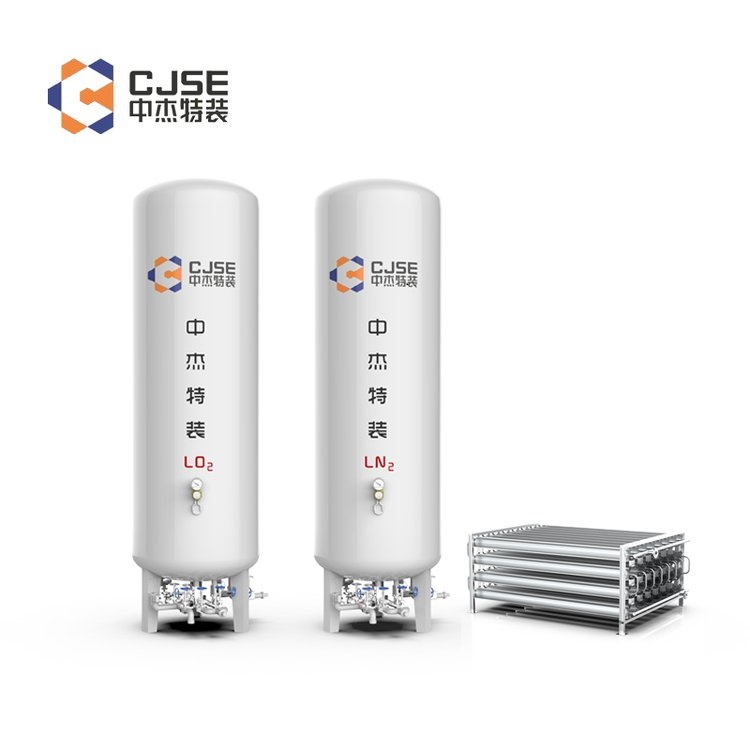
When selecting a carbon dioxide tank support, consider the following factors: Load Capacity: The design and selection of the support should be able to bear the weight and pressure of the tank. The load-bearing capacity of the support should be determined based on the tank's size, weight, and working conditions. Stability: The support should have sufficient stability to prevent the tank from tilting or collapsing during use. The design of the support should take into account the center of gravity position and changes of the tank to provide stable support. Corrosion Resistance: Due to the corrosive nature of carbon dioxide, the material choice for the support should have good corrosion resistance to prevent corrosion and damage. Installation and Maintenance Ease: The design of the support should consider ease of installation and maintenance to facilitate the installation, adjustment, and maintenance of the tank. Compliance with Standards and Regulations: The design and selection of the support should comply with relevant standards and regulations, such as Standard GB150 "Steel Pressure Vessels." Additionally, other related factors can be considered, such as cost, reliability, and durability. When selecting a support, consult engineers or consulting companies for advice and guidance.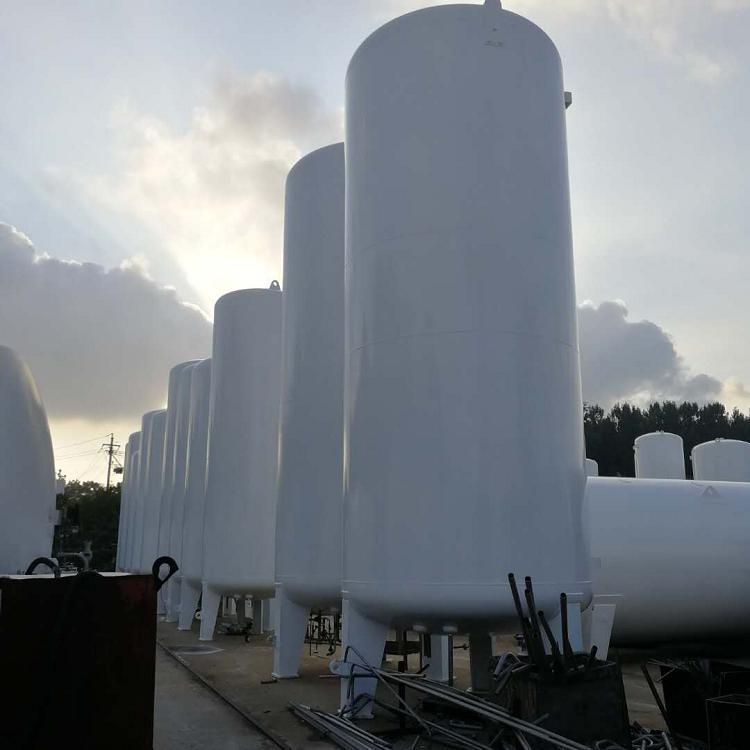
Construction features of carbon dioxide storage tanks mainly include the following aspects: Material selection: Carbon dioxide storage tanks are typically made of carbon steel or stainless steel to ensure their corrosion resistance and pressure-bearing performance. Welding technology: The welding process of the tank is crucial for its quality and safety. The welding process should comply with relevant standards and specifications to ensure the quality and strength of the welds. Corrosion prevention measures: Due to the corrosive nature of carbon dioxide, both the internal and external surfaces of the tank should be treated for corrosion prevention. Common corrosion prevention measures include applying corrosion-resistant paint, coating with a corrosion-resistant layer, or using corrosion-resistant coatings. Safety valves and pressure sensors: The tank should be equipped with safety valves and pressure sensors for monitoring and controlling the internal pressure of the tank to ensure safe operation. Steps for correctly installing a carbon dioxide storage tank are as follows: Site preparation: Select an appropriate site for installation, ensuring the site is level, stable, and meets safety distance requirements. Clear the site to ensure there are no obstructions or fire sources. Foundation construction: Construct the foundation based on the tank's size and weight. The foundation should have sufficient strength and stability to support the tank's weight and pressure. Tank installation: Place the tank on the foundation, ensuring there is adequate padding and fastening devices between the tank and the foundation. Connect and secure the tank according to its design requirements. Pipe connection: Connect the tank to the piping system as needed. Ensure the connections are sealed properly to prevent leaks. Safety equipment installation: Install the required safety equipment for the tank, such as safety valves, pressure sensors, and temperature sensors. Ensure these facilities are correctly installed and connected.
Shandong Zhongjie Special Equipment, welcome customers to our factory for business negotiations.
WeChat Official Account

Scan to follow Official Account



















