


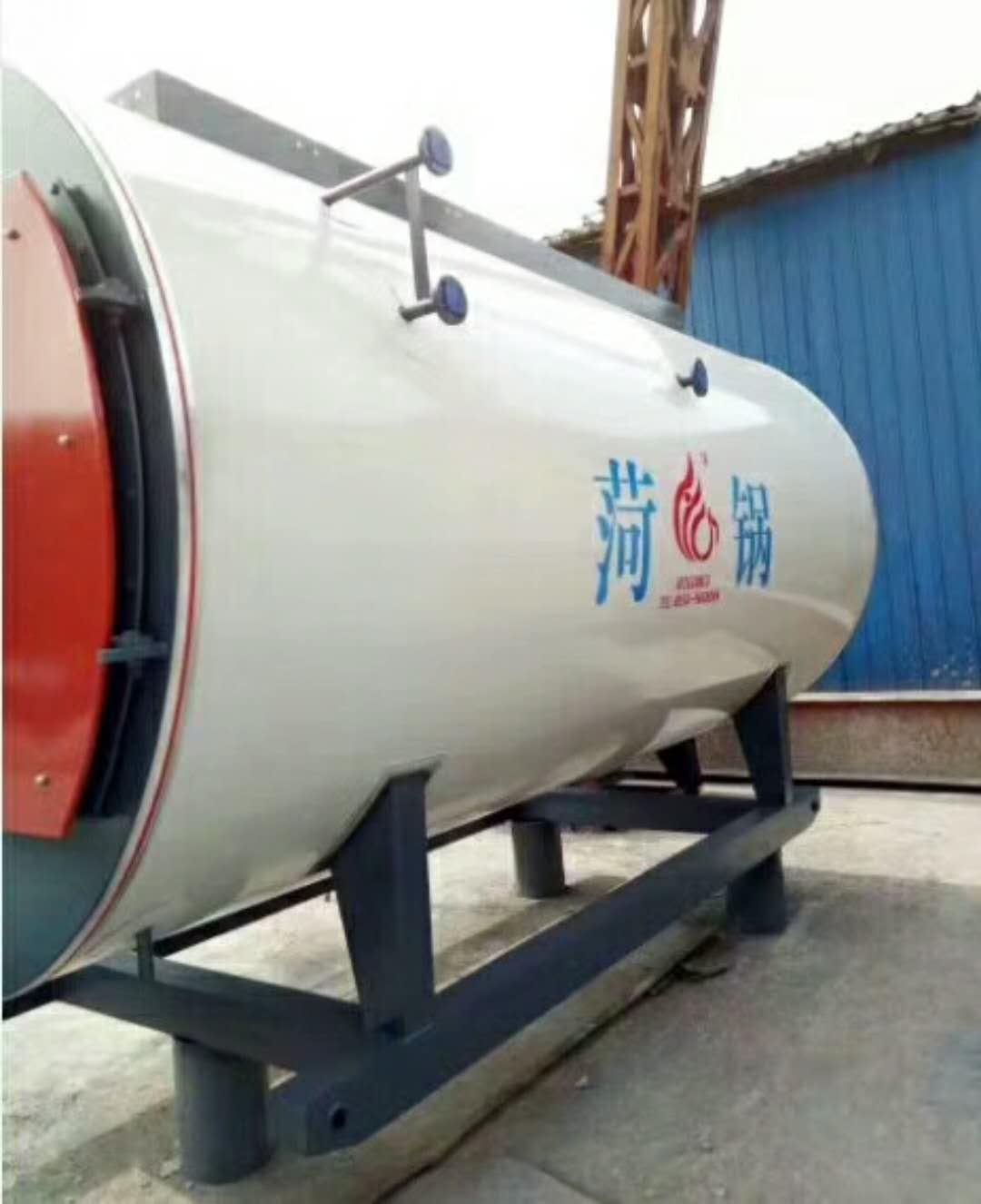

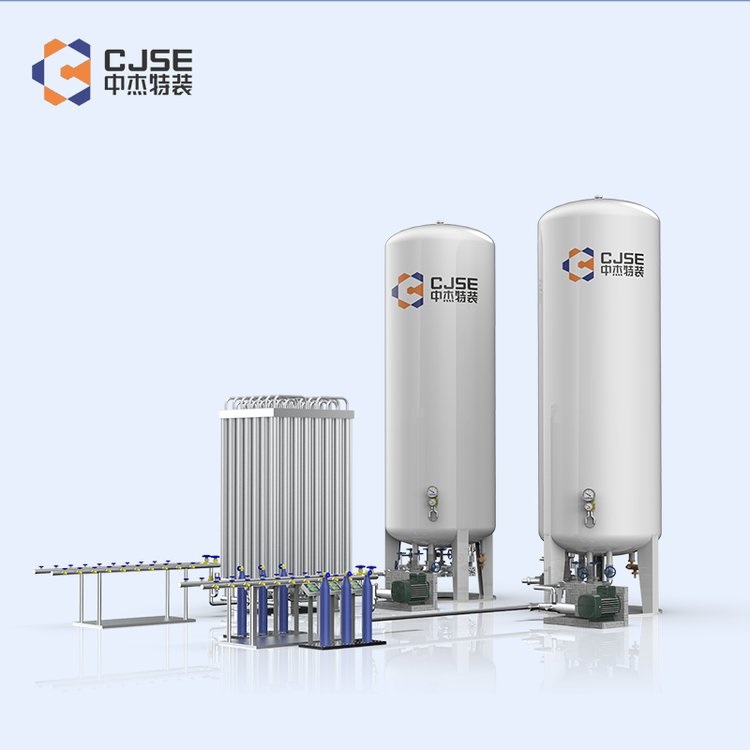
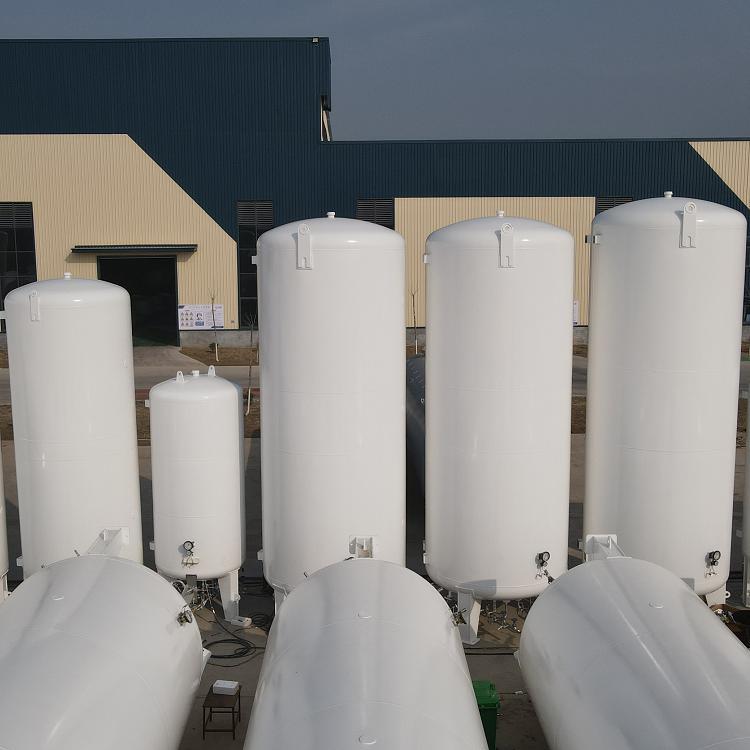


















Shandong Zhongjie Special Equipment specializes in products such as fuel (gas) boilers, organic heat carrier boilers, biomass boilers, waste heat recovery boilers, and other boiler products; vacuum insulation cryogenic pressure vessels like LNG, oxygen/nitrogen/argon storage tanks, and CO2 storage tanks; pressure vessel products including denitrification engineering equipment, heat storage and energy storage equipment, and complete chemical equipment; as well as central air conditioning and HVAC equipment like ground (water) source heat pumps, air-source units, water-cooled screw units, and air-cooled modules. Planned products include large-scale energy centers, LNG transport vehicles, LNG tank containers, and other green energy equipment.
The reasons for not allowing a CO2 storage tank to be left empty for extended periods are mainly as follows:
1. Safety Risks: CO2 is a high-pressure gas and remains in a liquid state only when maintained at a certain pressure within the tank. If CO2 is continuously released from the tank into the atmosphere, it can lead to a decrease in tank pressure, potentially causing structural failure or explosions, posing safety hazards.
2. Resource Waste: CO2 is a valuable resource with extensive applications in industry and other fields. Leaving the CO2 storage tank empty for long periods is a waste of resources and goes against the principles of sustainable development.
3. Environmental Impact: CO2 is a greenhouse gas, and the prolonged release of CO2 can increase its concentration in the atmosphere, exacerbating climate change and environmental issues.
Therefore, to ensure safety, conserve resources, and protect the environment, CO2 storage tanks should be used and managed according to prescribed procedures and requirements, avoiding extended periods of inactivity. When CO2 is no longer needed within the tank, appropriate disposal methods such as recycling, reuse, or safe emission should be employed.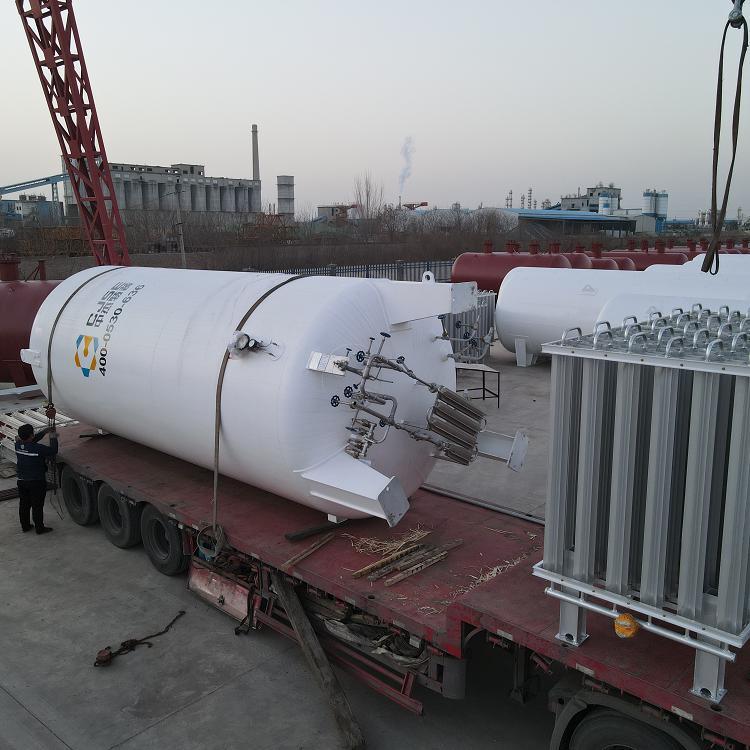
Carbon dioxide storage tanks offer several advantages:
- High storage density: These tanks can compress carbon dioxide gas into a liquid state, significantly increasing storage density. Compared to storing it as a gas, liquid carbon dioxide can be stored in a much smaller tank, saving space and costs.
- Multiple applications: Carbon dioxide storage tanks are widely used in various fields, including the food and beverage industry, manufacturing, fire suppression, and gas supply. Carbon dioxide can serve as a food preservative, beverage effervescent agent, gas, and fire extinguisher, with broad applications and market demand.
- Environmental and renewable: Carbon dioxide is an eco-friendly gas, and its increased concentration in the atmosphere can lead to warming and climate change. By storing and utilizing carbon dioxide, we can reduce its release into the atmosphere, achieving environmental protection and sustainable development.
- Safe and reliable: During design and manufacturing, carbon dioxide storage tanks typically use high-strength materials (such as carbon steel or stainless steel), offering good pressure resistance and safety. The tanks are usually equipped with safety valves, pressure gauges, and level indicators to ensure safe operation. Additionally, carbon dioxide is non-flammable and non-explosive, making it relatively safe.
- Supply: Carbon dioxide storage tanks provide a stable supply of carbon dioxide. Through tank design and control systems, precise measurement and supply of carbon dioxide can be achieved, meeting the needs of various industries and applications.
These advantages make carbon dioxide storage tanks an important storage and supply equipment, widely used in multiple industries. However, it is still necessary to follow relevant safety operation procedures and standards when using carbon dioxide storage tanks to ensure safe operation and use.
For the maintenance and care of low-temperature liquid storage tanks, here are some tips and precautions:
- Regular Inspections: Regularly check the tank's exterior, internal lining, valves, and pipe connections. Pay attention to signs of corrosion, cracks, or oil leaks.
- Cleaning and Draining: Regularly clean the interior of the tank to remove accumulated impurities and sediments. Also, regularly drain the tank to remove liquid and gas impurities.
- Corrosion Prevention: The exterior and lining of low-temperature liquid storage tanks should be treated for corrosion resistance. Regularly inspect and maintain the protective layer or coating to ensure its integrity and effectiveness.
- Temperature and Pressure Control: The temperature and pressure of low-temperature liquid storage tanks should be controlled within the design limits. Avoid extremes that could damage the tank.
- Safety Component Inspection: Check the tank's safety components, such as safety valves, pressure and temperature sensors, to ensure they are functioning properly. Verify that their set parameters meet requirements.
- Maintenance of Level Measurement System: Regularly inspect and calibrate the level measurement system to ensure accuracy and reliability. Clean or replace level sensors as needed.
- Fire Prevention Measures: Fire prevention is crucial for low-temperature liquid storage tanks. Ensure that fire protection equipment around the tank is in good condition and conduct regular fire drills.
- Regular Assessments and Monitoring: Regularly assess and monitor the tank, including structural integrity, corrosion, and safety. Implement maintenance and repair measures based on assessment results.
- Operator Training: Operators should be trained to understand the characteristics, operational requirements, and safety measures of low-temperature liquid storage tanks. Training should include safe operation, leak management, and emergency procedures.
When applying coatings to carbon dioxide storage tanks, several key issues must be addressed:
1. Surface Preparation: Prior to coating, thorough surface preparation of the tank is essential. This involves cleaning the surface, removing grease, dirt, and old coatings to ensure adhesion and quality of the coating.
2. Choosing the Right Paint: Selecting the appropriate paint for carbon dioxide storage tanks is crucial. The paint should possess corrosion-resistant, high-temperature resistance, and chemical resistance properties to protect the tank surface from corrosion and damage.
3. Spraying Techniques: The choice and operation of spraying techniques are critical for the quality and uniformity of the coating. Appropriate spraying equipment and methods should be selected to ensure even coverage of the entire tank surface and avoid drips and sagging of the paint.
4. Coating Thickness: The thickness of the coating is vital for the protective effectiveness of the tank. The coating thickness should be controlled according to the paint requirements and the tank's operating environment to ensure the protective performance and lifespan of the coating.
5. Drying and Curing: After the coating is applied, sufficient time for drying and curing is necessary. Follow the correct drying time and conditions as required by the paint to ensure the quality and performance of the coating.
6. Safety Measures: Appropriate safety measures must be taken during the spraying process, including wearing protective eyewear, respirators, and protective clothing to ensure the safety of the operators.
7. Quality Inspection: After coating, a quality inspection should be conducted, including the appearance, adhesion, and thickness of the coating. Any issues or defects should be repaired and addressed promptly.
It should be noted that coating carbon dioxide storage tanks should be performed by professionals.
Zhongjie Special Equipment upholds the grand vision of "realizing employees' dreams, creating value for customers, and striving for the prosperity and strength of our motherland," and is dedicated to the development of the green energy equipment industry. We commit to society with high-quality, cost-effective products and services!
WeChat Official Account

Scan to follow Official Account



















