



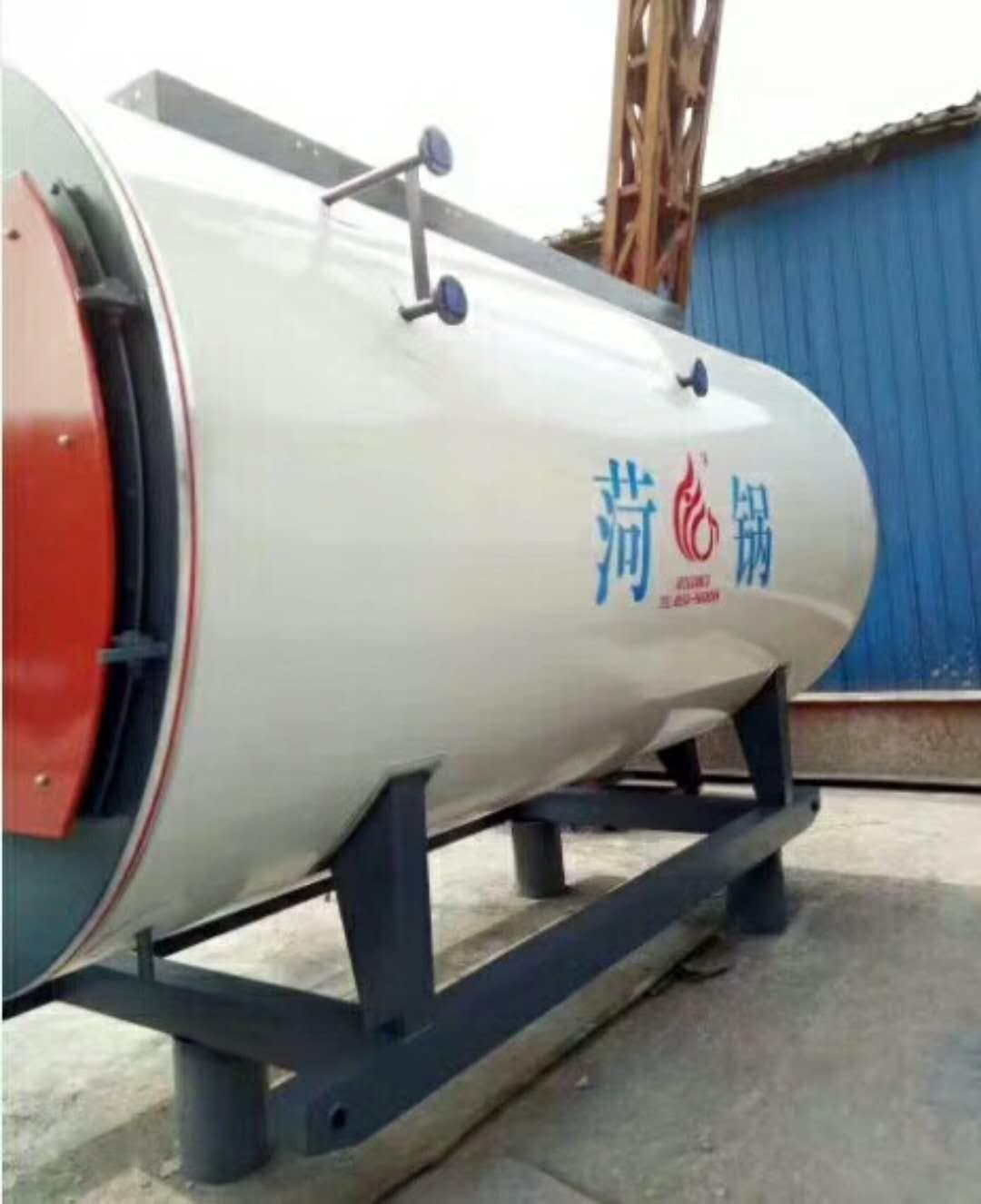
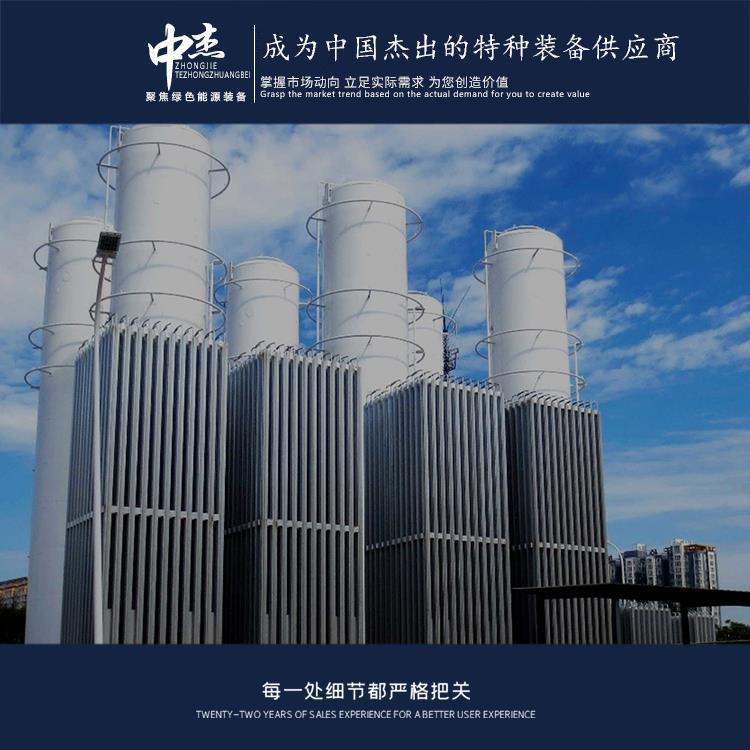


















Shandong Zhongjie Special Equipment's main products include: fuel (gas) boilers, organic heat carrier boilers, biomass boilers, waste heat recovery boilers, and other boiler products; vacuum insulation cryogenic pressure vessels such as LNG storage tanks, oxygen-nitrogenargon storage tanks, and CO2 storage tanks; pressure vessel products like denitrification engineering equipment, heat storage and energy storage equipment, and complete chemical equipment sets; central air conditioning and ventilation equipment such as ground (water) source heat pumps, air source units, water-cooled screw units, and air-cooled modular units. Planned products include large-scale energy centers, LNG transport vehicles, LNG tank containers, and other green energy equipment.
Possible reasons for increased liquid nitrogen tank liquid loss may include:
Evaporation Loss: Liquid nitrogen is a low-temperature liquid with a boiling point of -196 degrees Celsius. Even under good insulation conditions, evaporation of liquid nitrogen occurs. Therefore, the main cause of liquid loss in liquid nitrogen storage tanks is evaporation. If the insulation layer of the tank is damaged or the insulation performance is poor, evaporation loss will increase.
Leakage: Leaks in liquid nitrogen storage tanks can also lead to increased liquid loss. Leaks may occur at the tank's interfaces, valves, pipes, and other parts. Leaks can be caused by equipment aging, material fatigue, improper operation, and other reasons.
Improper Operation: Incorrect operation and maintenance may also lead to increased liquid nitrogen tank liquid loss. For example, frequently opening the tank's lid, keeping the lid open for extended periods, and not repairing leaks in a timely manner.
Environmental Factors: Environmental elements can also impact the liquid nitrogen tank's liquid loss. For instance, high-temperature environments can decrease the tank's insulating performance, thereby increasing evaporation loss.
To minimize liquid nitrogen tank liquid loss, the following measures can be taken:
Ensure the tank's insulation is intact and perform regular inspections and maintenance.
Regularly inspect the interfaces, valves, and pipelines of the storage tank to ensure good sealing performance and prevent leaks.
Strictly control the frequency and duration of tank openings to prevent unnecessary liquid evaporation.
Avoid using liquid nitrogen tanks in high-temperature environments, or take cooling measures to maintain a low surrounding environment temperature.
It should be noted that liquid nitrogen tank liquid loss is unavoidable, but with proper operation and maintenance, it can be minimized to a low extent.
Low-temperature liquid storage tanks (such as liquid nitrogen, liquid oxygen, liquid argon, etc.) offer several advantages:
High-Density Storage: Low-temperature liquid storage tanks can convert gases into liquids, significantly enhancing storage density. Compared to gas storage, liquid storage can hold more material in a relatively smaller space, improving storage efficiency.
Low-Temperature Retention: Low-temperature liquid storage tanks are well-insulated, effectively maintaining the low temperature of the liquid. The design and construction of the insulation layer minimize heat transfer and thermal loss, thus preserving the liquid's low temperature and reducing evaporation and loss.
Supply: Low-temperature liquid storage tanks provide a stable supply of liquids. Through internal pressure control of the tank and the design of the pipeline system, precise liquid supply can be achieved to meet industrial production and experimental requirements.
Safety: Low-temperature liquid storage tanks offer high safety. Liquid storage, compared to gas storage, reduces the risk of gas leakage and explosion. Tanks are typically equipped with safety devices such as pressure relief valves and level alarms to ensure timely measures can be taken in abnormal situations, safeguarding the tank's safety.
Multi-functional Applications: Low-temperature liquid storage tanks are widely used in various fields such as industrial production and scientific research. Low-temperature liquids like liquid nitrogen and liquid oxygen are suitable for uses such as freezing, refrigeration, and gas supply, meeting diverse industrial needs.
In summary, low-temperature liquid storage tanks offer advantages such as high-density storage, temperature retention, supply, safety, and versatile applications, providing reliable liquid storage and supply solutions across various fields.
The daily inspection of liquid nitrogen tanks primarily includes the following aspects:
Appearance Inspection: Check for any obvious damage, deformation, or corrosion on the tank's exterior, including the tank walls, valves, pipes, and joints.
Sealability Inspection: Verify the sealing performance of the tank, including checking for leaks at valve and pipeline connections, and ensuring the tank's exhaust valve and safety valve are functioning properly.
Pressure Check: Verify that the tank's pressure gauge is functioning properly and that the pressure is within the normal range to ensure the tank operates normally.
Level Inspection: Monitor the liquid nitrogen tank's level to ensure it stays within the normal range, preventing issues caused by either overfilling or underfilling.
Insulation Layer Inspection: Check for any damage or detachment in the storage tank's insulation layer to ensure effective insulation and reduce evaporation losses of liquid nitrogen.
Leak Inspection: Check for signs of liquid nitrogen leakage around the storage tank, including frost, ice, or liquid nitrogen stains on the ground.
Safety Equipment Inspection: Verify that the safety equipment of the storage tank, such as leak detectors, alarm systems, and safety valves, are functioning properly to ensure the tank's safety.
Cleaning Inspection: Regularly clean the interior of the tank to remove accumulated impurities and dirt, maintaining the tank's cleanliness and hygiene.
Above are the key contents for the daily inspection of liquid nitrogen tanks. The specific inspection items should be adjusted and supplemented according to the tank's model, usage, and relevant regulations. During the inspection process, strict adherence to operational procedures and safety requirements is essential to ensure the safe operation of the tank.
Prior to filling the liquid nitrogen tank, the following checks must be conducted:
Tank exterior inspection: Check for any obvious damage, deformation, or corrosion on the tank's exterior, including the tank wall, valves, pipes, and joints.
Sealability Inspection: Check the tank's sealing performance, including inspecting for any leakage at valves and pipe connections, to ensure the tank maintains good sealing integrity.
Pressure Check: Verify that the tank's pressure gauge is functioning properly and that the pressure is within the normal range to ensure the tank operates normally.
Level Check: Inspect the liquid level in the tank to ensure it is within the normal range, avoiding issues caused by either excessive or insufficient levels.
Insulation Layer Inspection: Check for any damage or detachment in the storage tank's insulation layer to ensure proper insulation and minimize evaporation losses of liquid nitrogen.
Leakage Inspection: Check for signs of liquid nitrogen leakage around the storage tank, including any frost, ice, or liquid nitrogen stains on the ground.
Safety Equipment Inspection: Check that the storage tank's safety equipment, such as leak detectors, alarm systems, and safety valves, are functioning properly to ensure the tank's safety.
Clean Inspection: Ensure the interior of the tank is clean, removing any accumulated impurities and dirt to maintain the tank's cleanliness and sanitation.
Above are the inspection requirements prior to filling a liquid nitrogen storage tank, ensuring the safe operation of the tank and the proper storage of liquid nitrogen. During the inspection process, strict adherence to relevant operational procedures and safety requirements should be maintained to ensure the safety of the operation.
Shandong Zhongjie Special Equipment, welcome customers to visit our factory for business negotiations.
WeChat Official Account

Scan to follow Official Account



















