



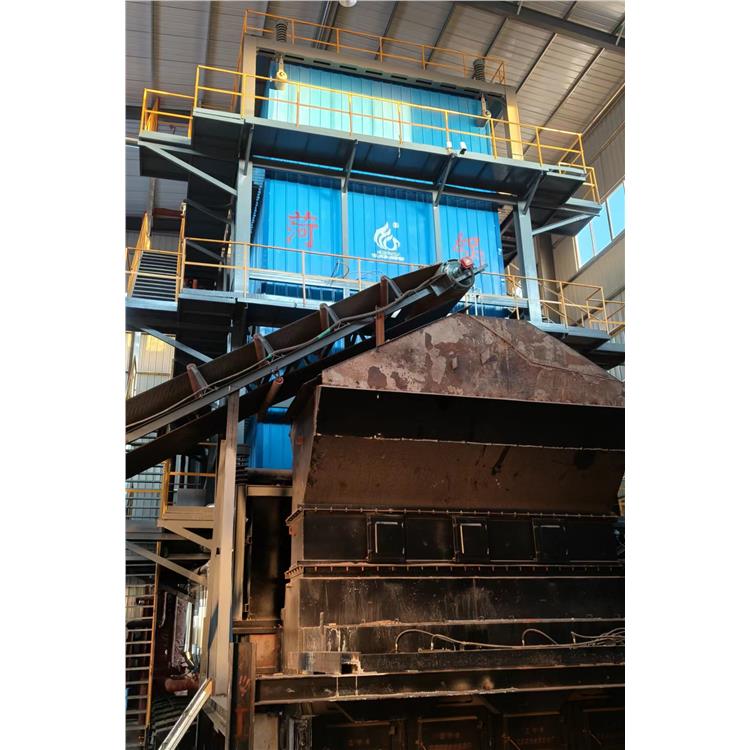
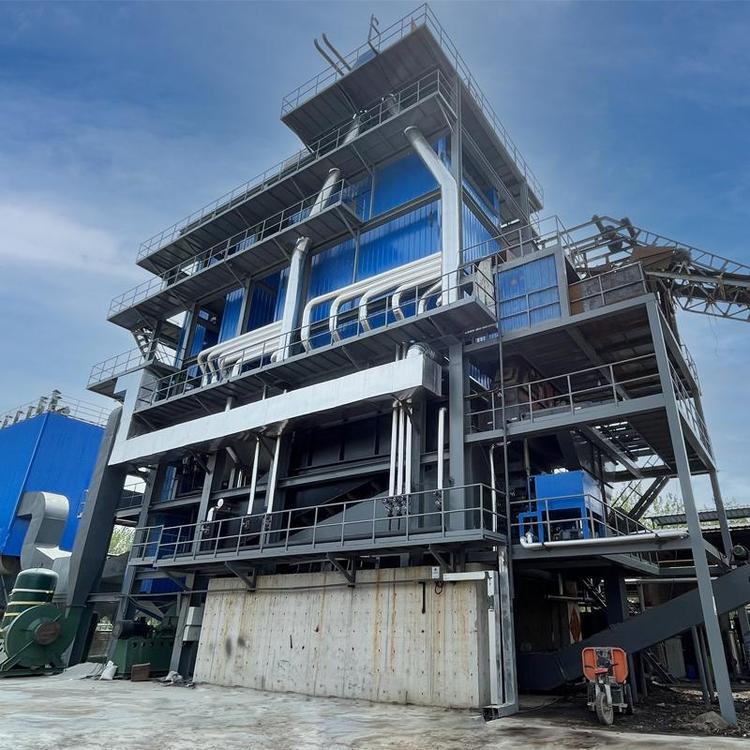


















Shandong Zhongjie Special Equipment Co., Ltd. specializes in the following products: fuel (gas) boilers, organic heat carrier boilers, biomass boilers, waste heat recovery boilers, and other boiler products; vacuum insulation cryogenic pressure vessels such as LNG tanks, oxygen/nitrogen/argon tanks, and CO2 tanks; pressure vessel products including denitrification engineering equipment, heat storage and energy storage equipment, and complete chemical equipment sets; central air conditioning and HVAC equipment such as ground (water) source heat pumps, air source units, water-cooled screw units, and air-cooled modular units. Planned products include large-scale energy centers, LNG transport vehicles, LNG tank containers, and other green energy equipment.
The fuel feeding system of biomass pellet fuel boilers typically includes the following components:
Feed Material Conveying System: Used for transporting biomass pellet fuel from storage areas or supply sources to the boiler fuel storage. The feed conveying system can utilize screw conveyors, chain conveyors, belt conveyors, etc., selecting the appropriate conveying method based on actual conditions.
Fuel Storage Tank: Designed for storing biomass pellet fuel, typically located at the bottom of the boiler. The tank's design should take into account fuel capacity and steady supply to ensure continuous boiler operation.
Feeding Control System: Used to regulate the supply rate and quantity of fuel to meet the thermal load requirements of the boiler. The feeding control system typically includes the start/stop control of the feeding conveyor and the adjustment of feeding quantity.
Fuel Crushing System (optional): For some larger biomass pellet fuels, crushing may be necessary to better accommodate the combustion requirements of the boiler. The fuel crushing system typically includes crushers, jaw crushers, and other equipment.
Fuel Pre-treatment System (Optional): For biomass pellet fuels with high humidity or impurities, pre-treatment such as drying, screening, and decontamination may be required to enhance combustion efficiency and stability.
When designing and selecting the feeding system for biomass pellet fuel boilers, factors such as the fuel characteristics, supply volume, and combustion requirements must be considered. At the same time, ensure the stability, reliability, and safety of the feeding system to guarantee the boiler's...
The DZL type quick-assembly biomass boiler is a common model of biomass boiler, featuring the following characteristics:
Quick Installation: The DZL type rapid assembly biomass boiler features a modular design, with the boiler body and equipment pre-assembled in the factory. On-site, only simple connections and adjustments are required, significantly reducing installation time and project duration.
High combustion efficiency: Utilizes a special combustion chamber design and system, ensuring complete combustion of biomass fuel within the furnace, resulting in high thermal efficiency. Equipped with an economizer and flue gas recirculation unit to further enhance thermal efficiency.
Automation Control: The DZL-type quick-install biomass boiler is equipped with an automated control system, enabling the control and monitoring of the combustion process. With a PLC controller and a touch screen, parameters such as fuel supply, air supply, and combustion temperature can be adjusted to ensure the stable operation of the boiler.
Multiple Fuel Compatibility: The DZL type quick-assembly biomass boiler is suitable for various biomass fuels, such as sawdust, straw, etc. Different fuels can be chosen based on actual conditions to enhance fuel substitutability and flexibility.
Eco-friendly and Energy-saving: The DZL type quick-install biomass boiler utilizes biomass fuel, resulting in relatively low emissions of waste gas and slag during the combustion process, and low pollution content in the combustion emissions. The biomass fuel itself has low sulfur and low nitrogen characteristics, and the waste slag after combustion can be reused as organic fertilizer or biomass fuel, thereby reducing environmental pollution.
Tightly structured: DZL type quick-install biomass boiler
There are several main methods for setting the pressure of biomass hot water boilers:
Regular Drainage: Regularly drain excess water from the boiler to maintain normal working pressure. Draining the excess water prevents excessive internal pressure in the boiler, ensuring stable operation.
Operation timing: Perform operations at regular intervals based on the water level of the boiler to maintain normal working pressure. Pay attention to controlling the amount to avoid excessive pressure in the boiler.
Constant Pressure Control System: The installation of a constant pressure control system allows for real-time monitoring of the boiler's pressure through sensors and controllers, with automatic adjustments made according to set values. In the event that the boiler pressure exceeds the set value, the control system will automatically reduce fuel supply or discharge excess water to maintain the stable working pressure of the boiler.
Pressure Regulator: Install a pressure regulator on the boiler's inlet pipe. By adjusting the valve opening, the water inflow is controlled to maintain the boiler's stable working pressure. The pressure regulator can automatically adjust to the set value, keeping the boiler pressure within an appropriate range.
Pressure Regulator: Install a pressure regulator in the boiler's combustion system to control the steam pressure of the boiler by adjusting the combustion intensity of the burner. The pressure regulator can automatically adjust the operating state of the burner based on the set value to maintain a stable working pressure for the boiler.
The above outlines common pressure maintenance methods for biomass hot water boilers. Depending on actual conditions and requirements, the appropriate pressure maintenance method can be chosen to ensure stable working pressure for the boiler.
The emission characteristics of biomass fuel boiler flue gas mainly include the following aspects:
Particulate Emissions: The combustion of biomass fuel boilers produces particulates, including visible dust and fine particles. The amount of particulate emissions is related to fuel characteristics, combustion temperature, and the combustion equipment, among other factors. Generally, biomass fuel boilers have lower particulate emissions than coal boilers, but still require treatment through dust removal equipment.
(SO2) Emission: The content of SO2 in biomass fuel is generally low, hence the SO2 emissions from biomass fuel boilers are usually low. However, in certain cases, such as using waste as fuel, SO2 emissions may increase. To control SO2 emissions, measures such as combustion control and desulfurization units can be employed.
Nitrogen Oxides (NOx) Emissions: The NOx emissions from biomass fuel boilers are related to factors such as fuel characteristics, combustion temperature, and combustion equipment. Biomass fuels contain a higher nitrogen content, which can generate a certain amount of NOx during combustion. To control NOx emissions, measures such as low-NOx combustion technology, combustion control, and denitration devices can be adopted.
(CO) Emissions: Carbon monoxide (CO) emissions from biomass fuel boilers are generally low due to the relatively complete combustion process of biomass fuel. However, in cases of incomplete combustion or unstable burning, CO emissions may increase. To control CO emissions, it is necessary to ensure a sufficient and stable combustion process.
Volatile Organic Compounds (VOCs) Emissions: The VOCs emissions from biomass fuel boilers are related to the fuel characteristics and combustion conditions. Some biomass fuels contain volatile organic compounds.
ZJ Special Equipment adheres to the grand vision of "realizing employees' dreams, creating value for customers, and striving for the prosperity and strength of our motherland," and is dedicated to the development of the green energy equipment industry. We offer society high-quality and cost-effective products and services!
WeChat Official Account

Scan to follow Official Account



















