



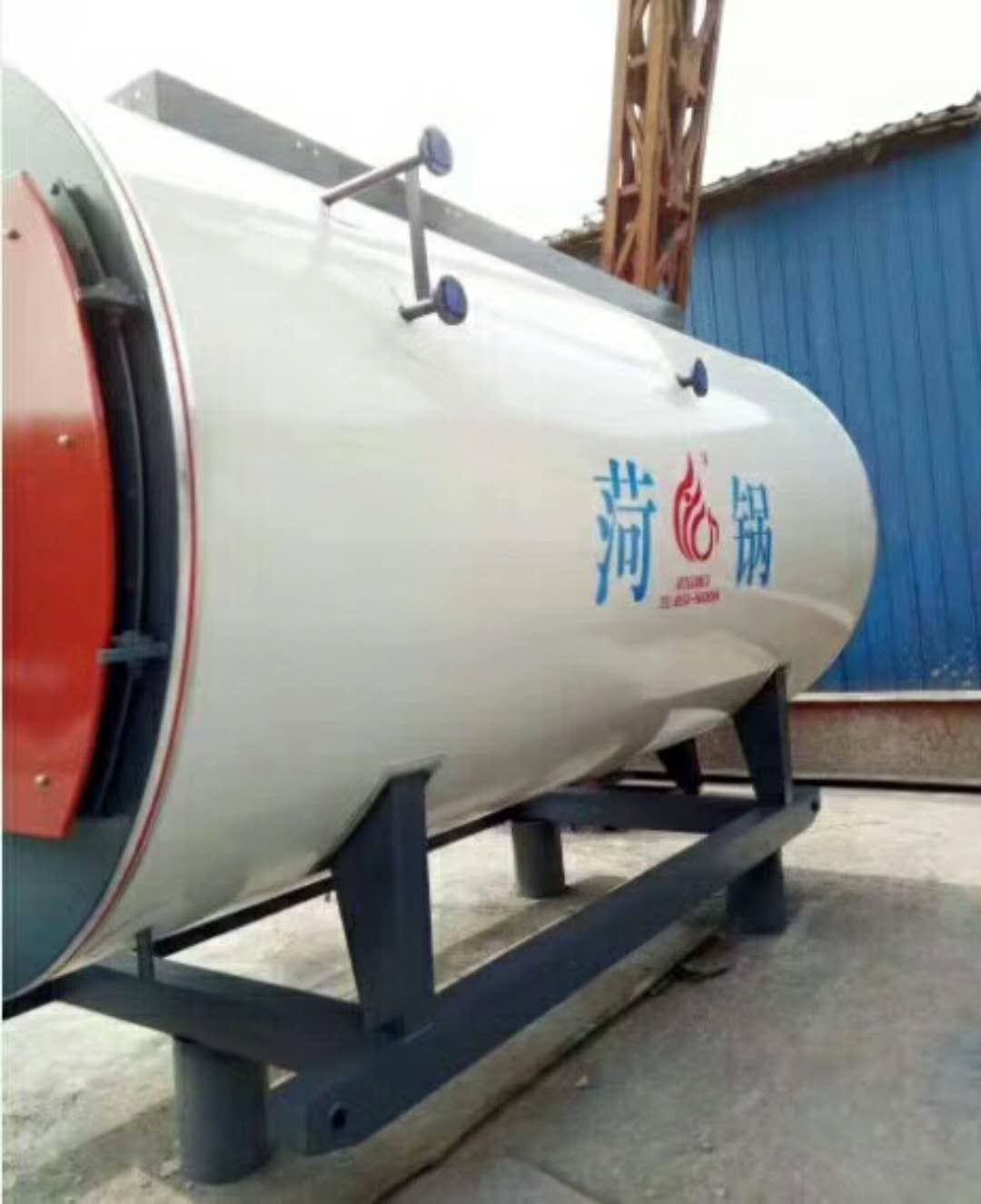
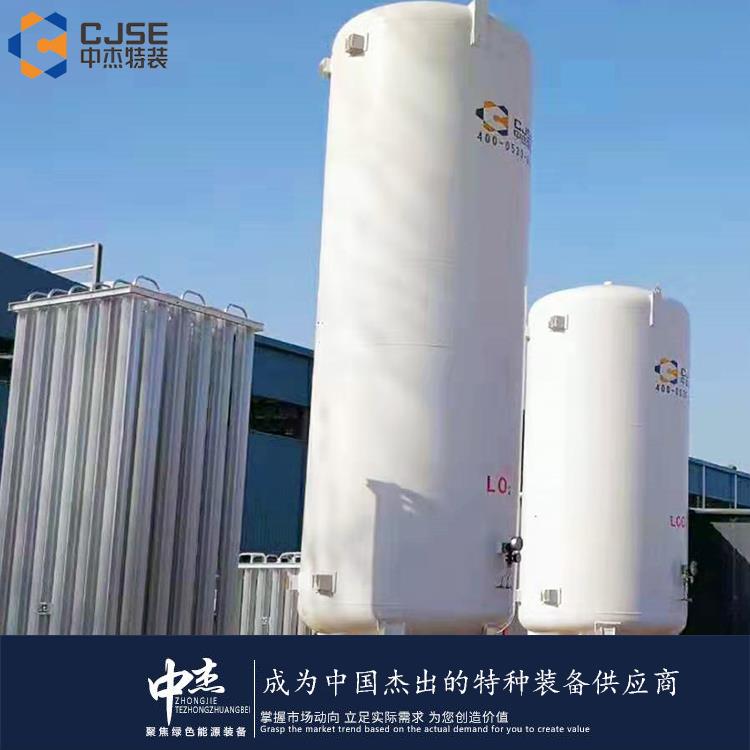


















Shandong Zhongjie Special Equipment's main products include: fuel (gas) boilers, organic heat carrier boilers, biomass boilers, waste heat boilers, and other boiler products; vacuum insulation cryogenic pressure vessels such as LNG tanks, oxygen/nitrogen/argon tanks, and CO2 tanks; pressure vessel products such as denitrification engineering equipment, heat storage and energy storage equipment, and complete chemical equipment; central air conditioning and HVAC equipment such as ground (water) source heat pumps, air source units, water-cooled screw units, and air-cooled modular units. Planned products include large-scale energy centers, LNG transport vehicles, LNG tank containers, and other green energy equipment.
The manufacturing process for the heads and cylinders of low-temperature storage tanks typically includes the following steps:
Material Preparation: Select suitable materials, such as low-temperature alloy steel or stainless steel, based on design requirements and specifications. Conduct inspections and acceptance checks to ensure the material quality meets the requirements.
Sheet Cutting: Sheets are cut according to design dimensions and shapes. Common cutting methods include flame cutting, plasma cutting, or laser cutting, etc.
Bending and Shaping: Cut sheets are bent and shaped to form heads and cylinders. Common shaping methods include cold bending, hot bending, or hydraulic forming, etc.
Welding: The formed sheets are welded together to create the structure of the head and cylinder. Common welding methods include manual arc welding, gas shielded welding, or laser welding, etc.
Weld Seam Treatment: Process the weld seams after welding, such as sanding, polishing, or applying anti-corrosion coatings, to enhance the quality and appearance of the welds.
Inspection and Acceptance: Conduct inspections and acceptance on the finished caps and cylinders to ensure their quality and compliance with design specifications. Common inspection methods include ultrasonic testing, radiographic testing, or liquid penetrant testing, etc.
Reinforcement and Support: Process and install reinforcement and support on the flanges and cylinders as required to enhance structural strength and stability.
Surface Treatment: The heads and cylinders are subject to surface treatment, such as coating with corrosion-resistant paint, hot-dip galvanizing, or polishing, to enhance their corrosion resistance and aesthetic quality.
It is important to note that the manufacturing process of low-temperature storage tanks must comply with relevant standards and regulations to ensure the quality and safety of the production process. During manufacturing, strict adherence to safety operation procedures and the implementation of necessary protective measures are required to ensure the safety of the operators.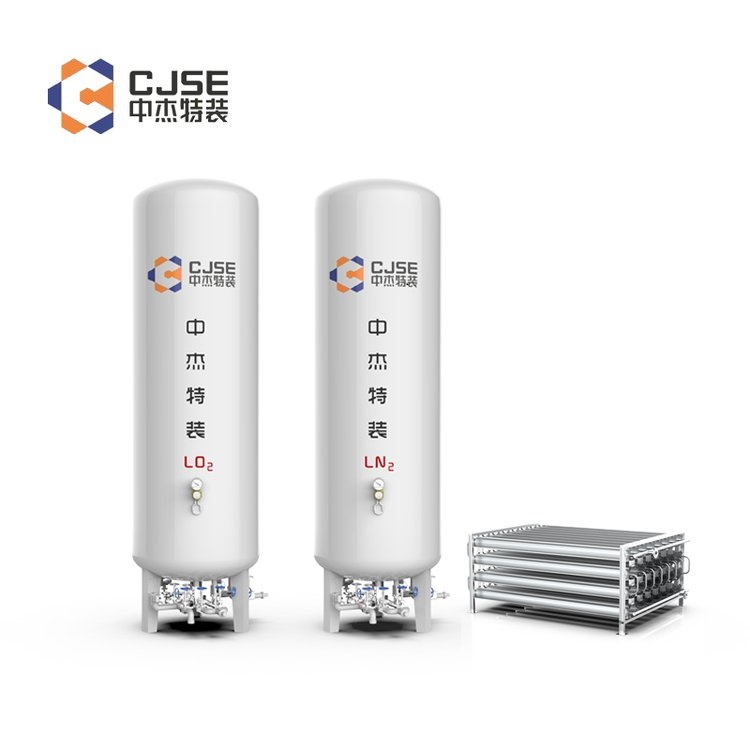
Liquid oxygen storage tanks may deform during use. The following are common deformation defects in liquid oxygen storage tanks:
Elastic deformation: Liquid oxygen tanks may undergo elastic deformation when subjected to external pressure or temperature changes. This deformation is typically reversible, meaning the tank will return to its original shape once the external pressure is removed or the temperature returns to normal.
Plastic Deformation: When a liquid oxygen tank is subjected to significant external force or pressure, it may undergo plastic deformation. This deformation is irreversible, and the tank cannot return to its original shape. Plastic deformation can cause the tank to change shape, develop dents, or twist, among other issues.
Hot Deformation: Liquid oxygen storage tanks may experience hot deformation when subjected to high temperatures or temperature changes. Hot deformation can cause the tank to change shape, expand, or contract.
Cold Deformation: Liquid oxygen storage tanks may experience cold deformation when subjected to low temperatures or temperature changes. Cold deformation can cause the tank to change shape, shrink, or crack.
These deformation defects may affect the structural integrity and safety of liquid oxygen storage tanks. Therefore, it is important to regularly inspect and assess the deformation of liquid oxygen storage tanks to ensure normal operation and safe use. If deformation defects are found in the tanks, timely repair or replacement measures should be taken to avoid further damage and safety risks.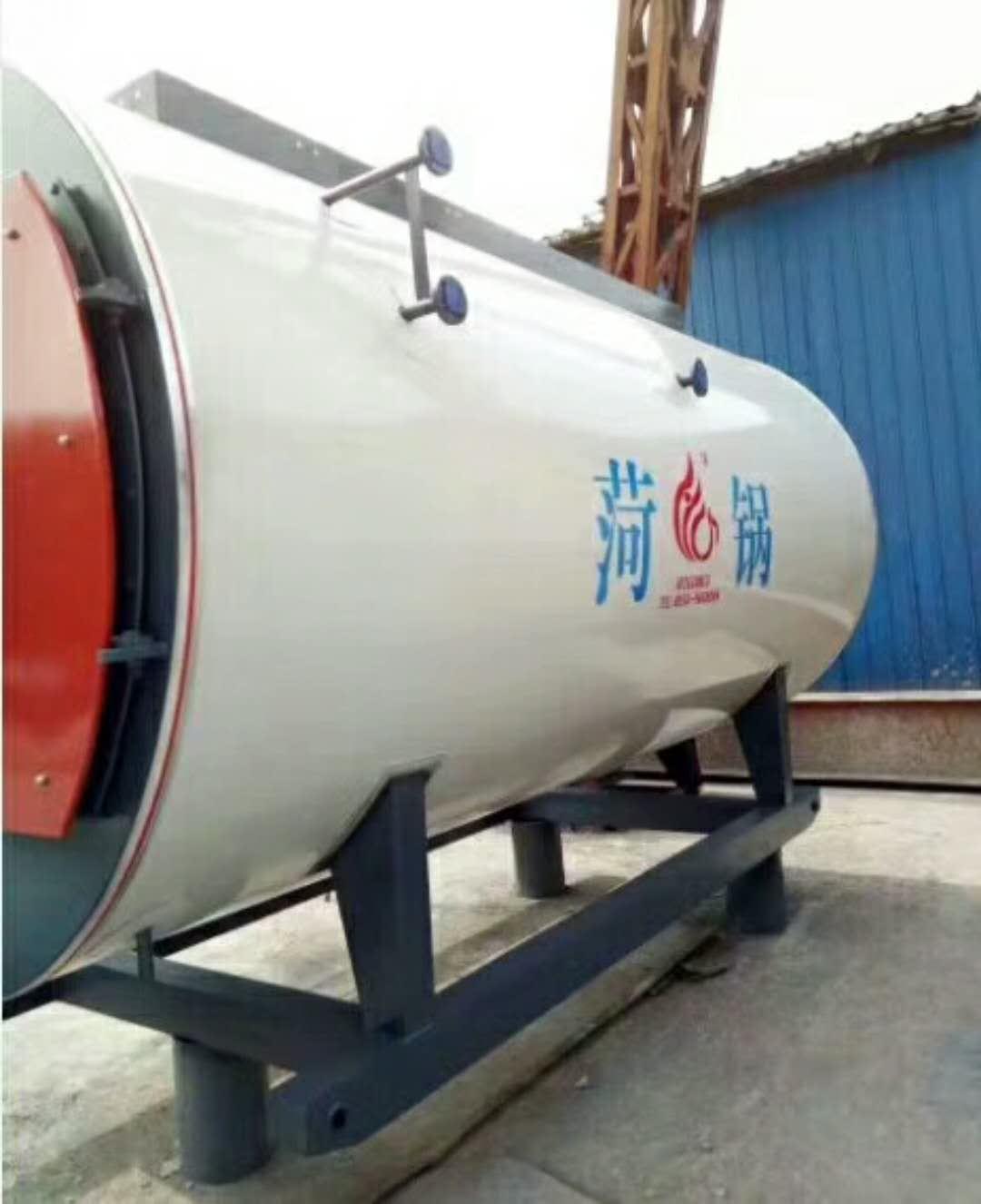
Liquid oxygen tanks are used for storing and supplying liquid oxygen as fuel and an oxidizer, playing a crucial role in launch propulsion systems, among others. Industrial Production: Liquid oxygen is used as an oxidizer in industrial production for processes such as combustion, oxidation, and oxygen supply. Liquid oxygen tanks are used to store and supply liquid oxygen to meet the needs of industrial applications like metal cutting, welding, and chemical reactions. Equipment: Liquid oxygen tanks are used in equipment to supply oxygen for uses such as oxygen therapy, oxygen inhalation, and operating rooms. These tanks provide high-purity oxygen while maintaining a low temperature, meeting the equipment's oxygen requirements. Laboratory Research: Liquid oxygen tanks are used in scientific research and laboratories to provide liquid oxygen as experimental materials and reagents. The low temperature and high purity of liquid oxygen make it widely applicable in laboratories for fields such as materials science, chemical reactions, and biomedical research. In summary, liquid oxygen tanks are vital in various applications including industrial production, equipment, and laboratory research, providing storage and supply functions for liquid oxygen at the application sites.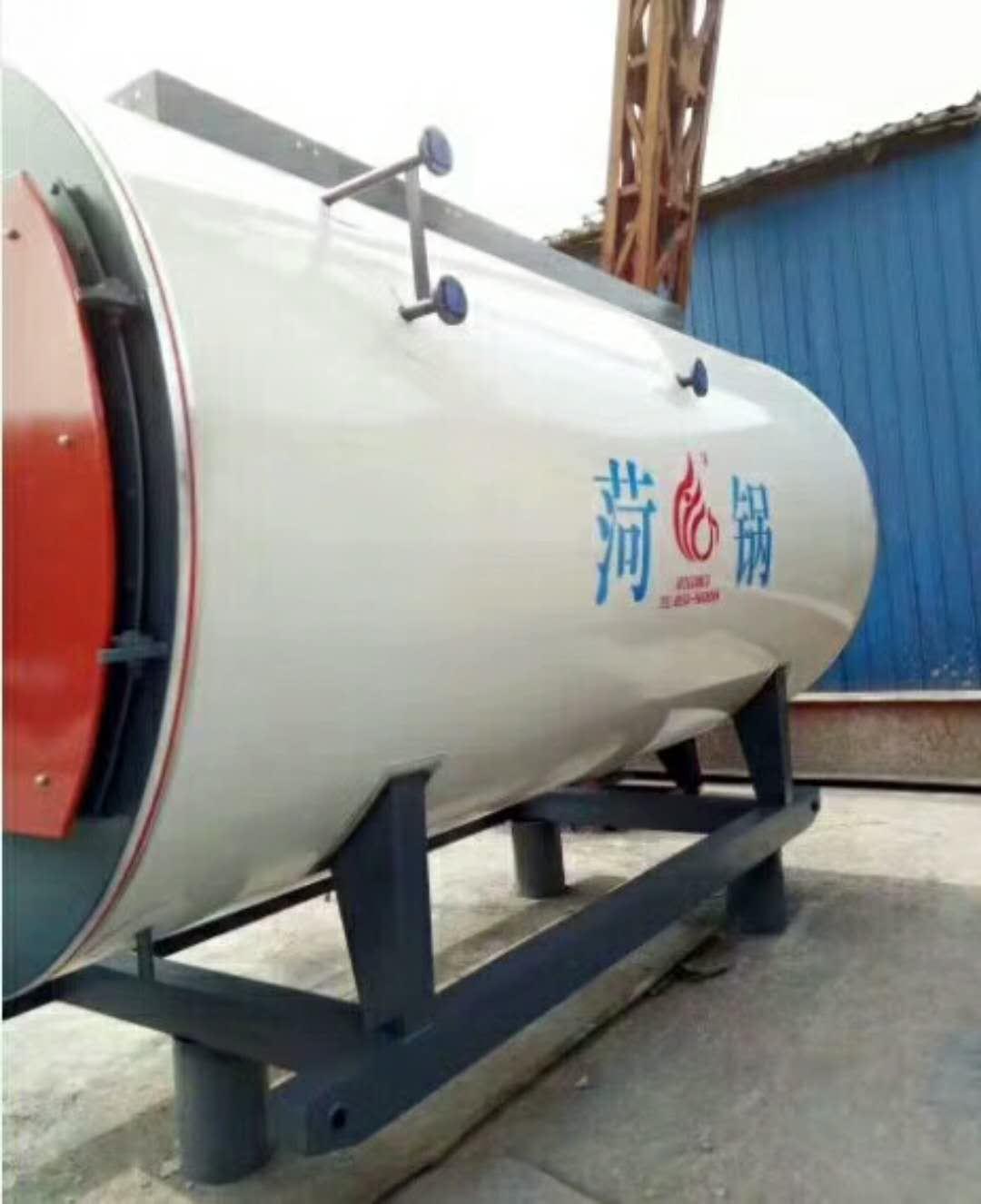
The maintenance and protection of liquid argon cylinder accessories are crucial for ensuring the normal operation and extending the service life of the cylinder. The following are general methods for the maintenance and protection of liquid argon cylinder accessories:
Valve Maintenance: Regularly inspect and maintain valves within the tank accessories, including intake valves, exhaust valves, and safety valves. Ensure valves operate smoothly and reliably with no leaks or jamming. Regularly lubricate the valves and clean any debris and dirt.
Pressure Relief Device Maintenance: The pressure relief devices (such as safety valves) within the liquid argon storage tank accessories are critical components for ensuring the internal pressure of the tank is safe. Regularly inspect and test the operational status of the pressure relief devices to ensure proper functioning. Clean and repair as necessary.
Sensor and Gauge Maintenance: Sensors and gauges in the liquid argon storage tank accessories are used for monitoring and controlling parameters such as the tank's temperature and pressure. Regularly calibrate and check the accuracy and reliability of the sensors and gauges. Keep the sensors and gauges clean and functioning properly.
Insulation Protection: The insulation layer of liquid argon storage tank accessories is crucial for maintaining the low temperature of liquid argon. Regularly inspect the integrity and insulating performance of the insulation layer, and repair or replace damaged insulation materials. Avoid mechanical damage or contamination to the insulation layer.
Cleanliness and Anti-corrosion Protection: Regularly clean tank accessories and remove impurities and dirt from their surfaces. Schedule regular inspections and maintenance of the accessories' anti-corrosion coating to prevent rust and oxidation.
Regular Inspections and Maintenance: Conduct comprehensive inspections and maintenance on liquid argon tank accessories regularly, including the appearance, fasteners, and seals. Promptly identify and address any damage, leaks, or other issues with the accessories.
Record and Document Management: Document each maintenance and service result, including the service date, content, issues found, and measures taken. Establish comprehensive management records and documents for easy tracking and management of the attachment's operational status.
Please note that the maintenance and protection of liquid argon cylinder accessories should be carried out by trained personnel and in accordance with relevant specifications and standards. Ensure safety during maintenance and operation, and consult experts for accurate guidance.
Shandong Zhongjie Special Equipment, welcome customers to our factory for business discussions.
WeChat Official Account

Scan to follow Official Account



















