



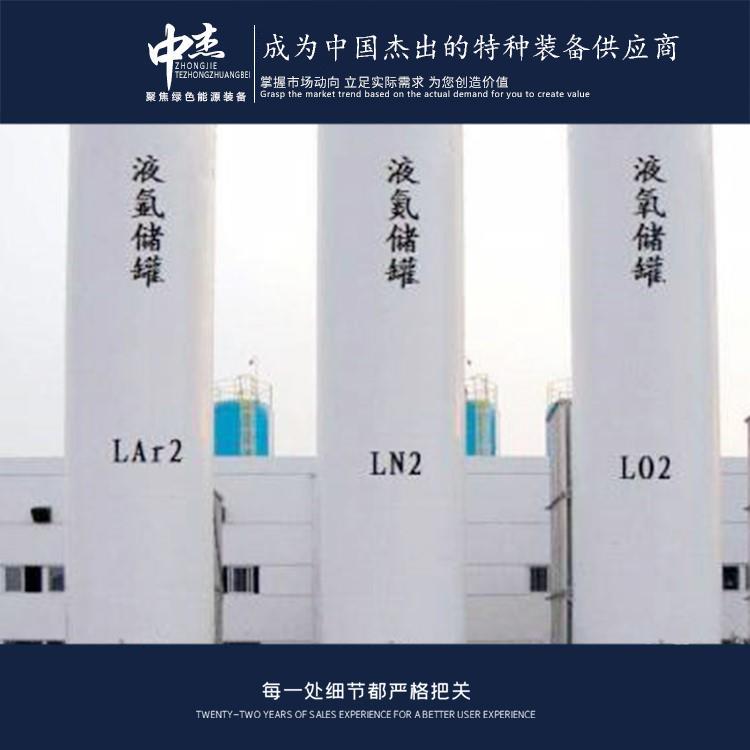
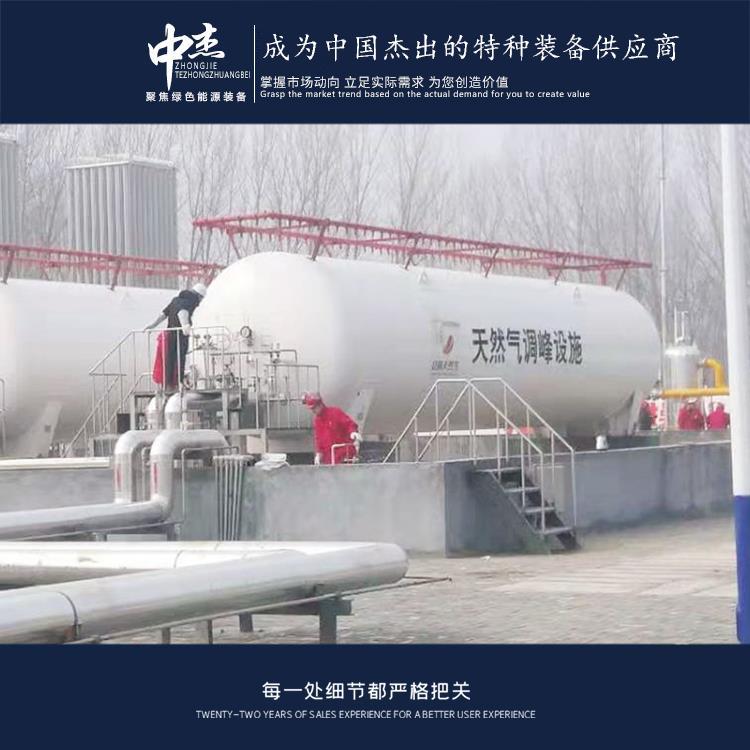


















Shandong Zhongjie Special Equipment's main products include: fuel (gas) boilers, organic heat carrier boilers, biomass boilers, waste heat boilers, and other boiler products; vacuum insulation cryogenic pressure vessels such as LNG tanks, oxygen/nitrogen/argon tanks, CO2 tanks; pressure vessel products like denitrification engineering equipment, heat storage equipment, complete chemical equipment sets; central air conditioning and HVAC equipment such as ground (water) source heat pumps, air-source units, water-cooled screw units, and air-cooled modular units. Planned products include large-scale energy centers, LNG transport vehicles, LNG tank containers, and other green energy equipment.
When initially using a liquid nitrogen tank, there are some precautions to consider for safe and effective operation. Here are some suggested guidelines:
Safe Operation: Liquid nitrogen is a low-temperature liquid with strong refrigerating and asphyxiating effects. When handling liquid nitrogen tanks, it is mandatory to wear appropriate personal protective equipment, such as insulated gloves and protective suits. Avoid direct contact with liquid nitrogen to prevent injury or other harm.
Ventilation Environment: Liquid nitrogen, upon evaporation, produces a significant amount of gas which may displace other gases, leading to a decrease in oxygen content in the air. Therefore, when using liquid nitrogen tanks, it is essential to ensure proper ventilation in the operating area to prevent oxygen deficiency.
Tank Inspection: Prior to the first use of a liquid nitrogen tank, thoroughly inspect its appearance and seal integrity. Ensure there are no visible damages, leaks, or other safety hazards. If any issues are found, they should be promptly repaired or the tank replaced.
Filling the Storage Tank: Prior to the initial use of the liquid nitrogen storage tank, it is necessary to fill it with liquid nitrogen. During the filling process, follow the correct operational steps and safety protocols to ensure a safe and reliable filling. Additionally, pay attention to controlling the filling speed and pressure to avoid excessive tank pressure and temperature rise.
Identification and Record: Prior to the first use of the liquid nitrogen tank, relevant information such as the stored medium, capacity, manufacturing date, etc., should be labeled on the tank. Additionally, it is recommended to establish a tank usage record, including filling dates, filling quantities, and usage status, for future tracking and management.
Note that the use of liquid nitrogen tanks involves safety risks such as low temperatures and high pressures. Operators should receive training and strictly adhere to the relevant operational procedures and safety measures. If unfamiliar with the operation or have doubts, it is recommended to consult experts or relevant institutions for guidance.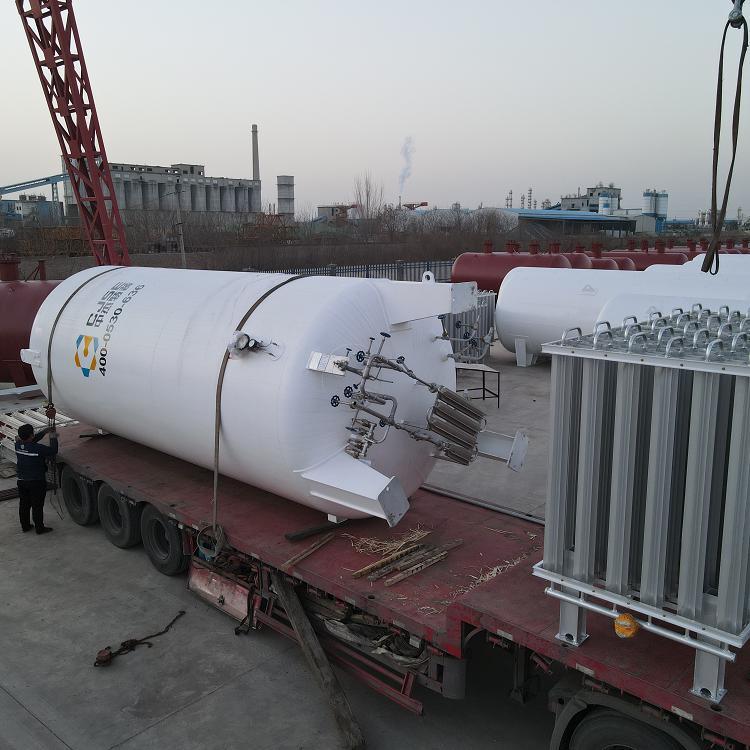
Liquid Oxygen Storage Tanks are equipment used for storing and supplying liquid oxygen. Liquid oxygen is a state where oxygen is cooled below its boiling point, transforming it into a liquid. Liquid oxygen storage tanks are typically designed with double or multi-layer structures, filled with insulating material in between to reduce heat transfer and evaporation of the liquid oxygen.
Liquid Oxygen Storage Tanks Feature the Following Characteristics:
High Purity: The liquid oxygen storage tank contains high-purity liquid oxygen, typically exceeding 99.5% purity. This makes the liquid oxygen storage tank crucial for applications requiring high-purity oxygen, such as in medical, industrial, and research fields.
Low Temperature: Since the boiling point of liquid oxygen is -183°C, liquid oxygen storage tanks must have excellent insulation properties to maintain the low temperature state of the liquid oxygen. Tanks are typically designed with double or multi-layer structures, filled with insulating material in between to minimize heat transfer and evaporation of the liquid oxygen.
High Pressure: Liquid oxygen tanks typically need to withstand high pressure to maintain their liquid state. The design and material selection of the tank must consider the pressure requirements of liquid oxygen to ensure the tank's safety and reliability.
Flammability: Liquid oxygen is highly flammable and supports combustion. Therefore, fire prevention measures must be implemented during the design and use of liquid oxygen storage tanks, ensuring no fire sources are present around the tanks and that appropriate fire extinguishing equipment is available.
High Density: Liquid oxygen has a higher density, allowing liquid oxygen tanks to store more oxygen compared to gas oxygen. This gives liquid oxygen tanks an advantage in applications requiring large oxygen supplies, such as in the field.
The use of liquid oxygen tanks must strictly adhere to relevant safety regulations and operating guidelines to ensure safe operation and usage of the tank.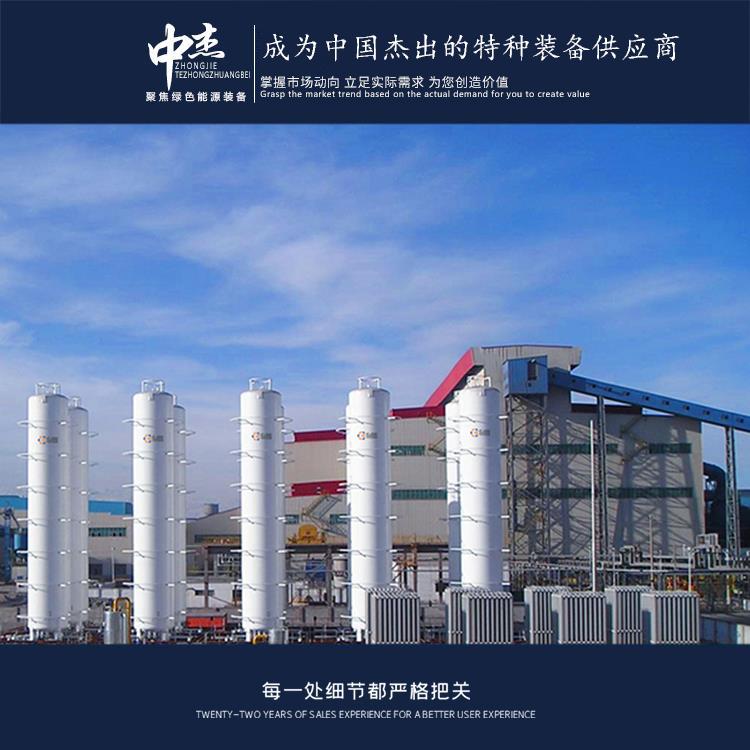
To safely utilize liquid oxygen storage tanks, attention should be given to the following aspects:
Training: Operators of liquid oxygen tanks must receive training on the properties of liquid oxygen, safety operating procedures, and emergency response measures. Only trained personnel are authorized to handle liquid oxygen tanks.
Safety Operating Procedures: Establish and adhere to the safety operating procedures for liquid oxygen tanks, including proper operational procedures, protective measures, and emergency response plans. Ensure operators follow the procedures to minimize accident risks.
Equipment Inspection and Maintenance: Regularly inspect the condition of liquid oxygen storage tanks and related equipment, including valves, pipelines, pressure gauges, etc. Ensure that the equipment is in perfect condition, and promptly repair or replace any damaged parts.
Leakage Control: Equipped with leak detection and alarm systems to promptly identify and control leaks in liquid oxygen storage tanks. In the event of a leak, immediate measures should be taken to contain the source and initiate repairs.
Fire Prevention Measures: Liquid oxygen contains a high oxygen content and is prone to cause fires. Measures such as installing firewalls around liquid oxygen storage tanks and using fire-resistant coatings are implemented to prevent the occurrence and spread of fires.
Static protection: The accumulation of static electricity in liquid oxygen storage tanks may cause sparks, increasing the risk of fire. Measures such as using static-conductive materials and anti-static equipment should be taken to reduce the accumulation and release of static electricity.
Ventilation Requirements: Ensure adequate ventilation within the enclosed space of the liquid oxygen storage tank to expel gases produced by the evaporation of liquid oxygen. Avoid excessive oxygen concentration and minimize
When using a 50-cubic-liter liquid oxygen tank, the following safety precautions should be observed:
Tank Pressure Control: Ensure the liquid oxygen pressure inside the tank remains within the safe range. Monitor and control the tank's pressure to avoid risks from either excessive or insufficient pressure.
Leakage and Fire Prevention: Regularly inspect the tank and associated pipelines for sealing integrity to prevent oxygen liquid leakage. Oxygen liquid is highly flammable and fire prevention measures must be taken to ensure there are no ignition sources around the tank.
Explosion-proof measures: Oxygen inside the liquid oxygen tank can potentially cause an explosion upon contact with flammable substances. Ensure there are no flammable items around the tank and implement explosion-proof measures, such as explosion-proof electrical equipment and static grounding.
Safety valves and exhaust systems: Tanks should be equipped with safety valves and exhaust systems to prevent overpressure situations. Ensure the proper functioning of the safety valves and the unobstructed flow of the exhaust system.
Routine Maintenance and Inspection: Regularly maintain and inspect the storage tanks, including cleaning, coating protection, and anti-corrosion treatment. Ensure the structural integrity and safety of the tanks.
Safe Operation and Training: Operators must undergo relevant safety training to understand the safety operating procedures for liquid oxygen storage tanks and emergency response measures. Adhere to correct operational steps to ensure safe operation.
Environmental Monitoring: Regularly monitor environmental parameters such as oxygen concentration and temperature around the storage tank to ensure safety.
Emergency Preparedness: Develop an emergency response plan, including measures for leaks, fires, and explosions. Equip with appropriate emergency equipment and firefighting supplies to handle unexpected incidents.
Above are some safety issues to be aware of when using 50-cubic-liter liquid oxygen tanks. To ensure safety, it is recommended to follow relevant safety regulations and operation guidelines, and seek assistance and guidance from professionals when necessary.
ZJ Special Equipment upholds the grand vision of "realizing employees' dreams, creating value for customers, and striving for the prosperity and strength of our motherland," and is dedicated to the development of the green energy equipment industry. We offer society high-quality products and services with competitive pricing!
WeChat Official Account

Scan to follow Official Account



















