


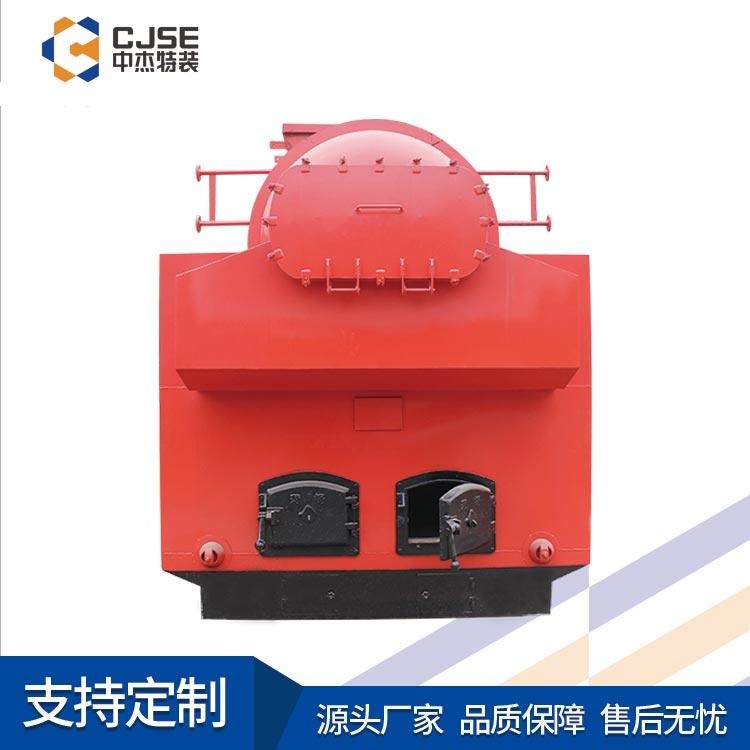

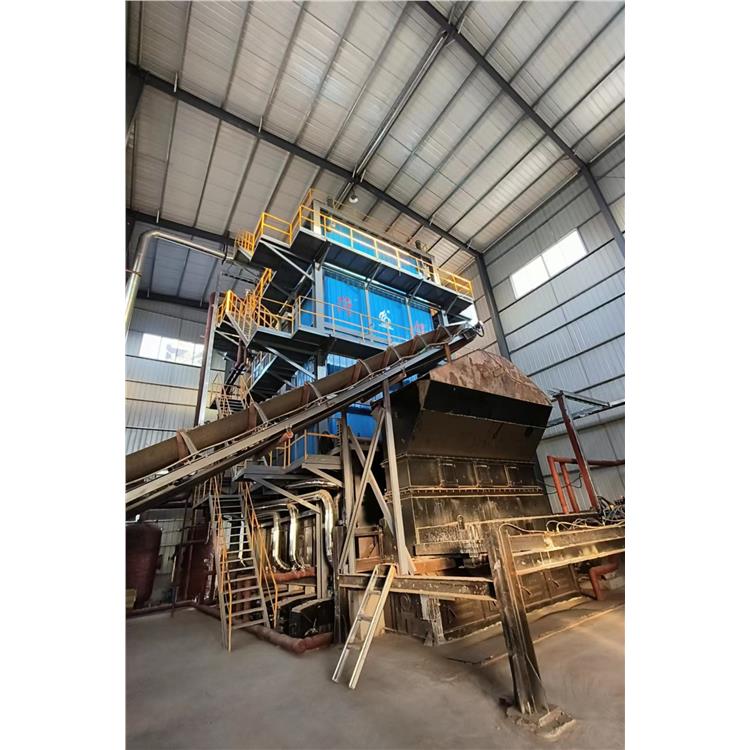
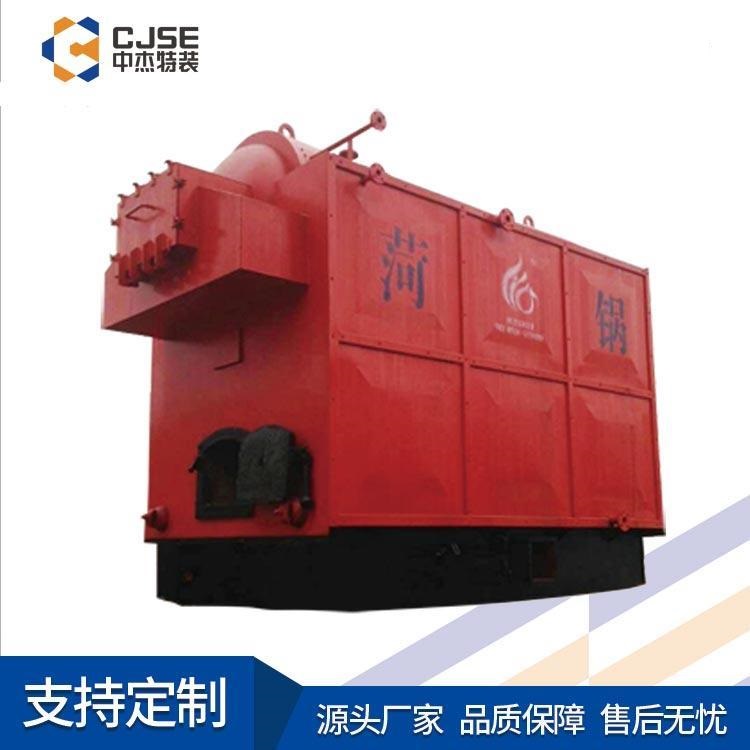


















Shandong Zhongjie Special Equipment Co., Ltd. (formerly Heze Boiler Factory Co., Ltd.) was established in 2001, located at No. 2218 Jinnan Road, Development Zone, Heze City, with a registered capital of 50 million yuan and total assets of 500 million yuan. The company has 7 business centers: boilers, deep-freezing containers, pressure vessels, central air conditioning, engineering installation, international trade, and the Internet of Things. It has three manufacturing sites on Jinnan Road, East Changjiang Road, and Bohai Road, covering a total area of 200,000 square meters, with the main workshop spanning 83,000 square meters. Currently, it has 710 employees, including 247 engineers and technicians, and 82 middle-level technicians. In December 2016, it was recognized as a "High-Tech Enterprise" by the Science and Technology Department. In June 2021, it was identified as a "Specialized and New Enterprise in Shandong Province" by the Ministry of Industry and Information Technology. In June 2022, it was recognized as a "Gazelle Enterprise in Shandong Province" and in August 2022, as a "Specialized and New Small Giant Enterprise" by the Ministry of Industry and Information Technology.
When selecting biomass boilers, pay attention to the following factors:
Fuel Adaptability: Different types of biomass boilers are suitable for various fuel types, such as wood chips, straw, and waste crops. When selecting a biomass boiler, consider the availability and cost of the required fuel to ensure the boiler can adapt to the type of fuel being used.
Boiler Power and Heat Load: Select an appropriate biomass boiler power based on the heating area and heat load requirements. An undersized boiler power may not meet the heating needs, while an oversized one will result in energy waste.
Combustion Efficiency: Combustion efficiency is a key indicator of boiler energy utilization. Choosing biomass boilers with high combustion efficiency can reduce energy consumption and carbon emissions.
Equipment Quality and Reliability: Choose a biomass boiler manufacturer with an excellent reputation to ensure the equipment is reliable, operates stably, and reduces downtime and maintenance costs.
Environmental Performance: Focus on the environmental performance of biomass boilers, including emission standards and flue gas treatment systems. The selected boilers reduce environmental pollution.
Control Systems and Automation Level: The control systems and automation level enhance the operational efficiency and stability of biomass boilers, reducing labor costs for operation and management.
After-sales Service and Technical Support: Choose suppliers with excellent after-sales service and technical support to ensure timely technical assistance and repair services during use.
In summary, when selecting biomass boilers, consider fuel adaptability, boiler power and heat load, combustion efficiency, equipment quality and reliability, environmental performance, control systems, and degree of automation.
Controlling fouling in biomass boilers is a crucial measure to ensure the normal operation of the boiler and extend its lifespan. Here are some common methods for controlling fouling in biomass boilers:
Choose fuel wisely: Opt for high-quality, moderately moist biomass fuel, avoiding overly wet or high in impurities to minimize the risk of coking.
Control combustion temperature: Reasonably control the combustion temperature of biomass boilers to avoid excessively high temperatures, reducing the fuel's residence time in the furnace and lowering the risk of slagging.
Enhance furnace cleaning: Regularly clean the furnace to remove ash and dust inside, maintaining the furnace's unobstructed flow and reducing the likelihood of coking.
Regulate Excess Air: Properly control the air supply during the combustion process of biomass boilers to prevent excessive air from entering the furnace, thereby reducing the risk of fuel oxidation and slagging.
Regular Ash Blowing: Perform regular ash blowing on biomass boiler components such as economizers and superheaters to remove ash and slag, maintaining heat exchange efficiency and reducing the likelihood of scale formation.
Enhanced Monitoring and Inspection: Regularly monitor and inspect biomass boilers, including parameters such as furnace temperature, flue gas composition, and furnace pressure, to promptly identify any anomalies and take appropriate actions.
These measures can help control the coking issue in biomass boilers, maintain the normal operation of the boiler, and extend the service life of the boiler. Additionally, based on specific circumstances, other appropriate measures can be adopted in conjunction with actual operating experience and technical requirements.
Biomass boilers emit nitrogen oxides (NOx) during combustion, which are harmful to the environment. Therefore, controlling the NOx emissions from biomass boilers is a significant challenge. The following are some难点 of NOx control in biomass boilers:
Fuel Characteristics: The composition and properties of biomass fuels vary greatly, containing different nitrogen contents and volatile fractions. This makes it difficult to accurately predict and control NOx emissions during the combustion process of biomass boilers.
Combustion Temperature: The generation of NOx is closely related to the combustion temperature, and both excessively high or low temperatures can increase NOx formation. The combustion temperature of biomass boilers is influenced by various factors, such as fuel moisture and oxygen supply, making it challenging to control the combustion temperature for managing NOx emissions.
Proper combustion air supply can help control NOx formation, but excessive or insufficient air supply can affect combustion efficiency and NOx emissions. The combustion air supply for biomass boilers needs to be reasonably adjusted based on fuel characteristics and combustion conditions, which poses certain requirements for operators and control personnel.
Combustion System Design: The design of the combustion system in biomass boilers also has an impact on NOx emissions control. For example, the combustion technologies and burner designs adopted, such as low NOx combustion technology and optimized combustion chamber structure, can effectively reduce NOx emissions.
Operation and Maintenance: Proper operation and regular maintenance of biomass boilers are crucial for controlling NOx emissions. Rational operation and scheduled maintenance can ensure the normal operation and combustion of the combustion system, thereby reducing the generation of NOx.
In summary, the challenges in NOx control for biomass boilers primarily include fuel characteristics.
Preventing malfunctions is crucial for maintaining the smooth operation of biomass hot water boilers. Here are some methods to prevent malfunctions:
Regular Inspections and Maintenance: Conduct regular inspections and maintenance on biomass hot water boilers, including cleaning, lubricating, and securing. Check all parts and connections of the boiler to ensure they are functioning properly and in good working condition.
Clean combustion system: Regularly clean the combustion system, including the combustion chamber, burner, and burner nozzle, etc. Remove ash, sediment, and dirt to maintain the unobstructed flow of the combustion system and avoid issues such as incomplete combustion and unstable flames.
Inspect Water Quality: Regularly check the water quality of the biomass hot water boiler, including water hardness, alkalinity, and impurities. Implement appropriate water treatment measures based on the water quality to prevent scale and corrosion, and protect the boiler's heat exchangers and pipes.
Clean heat exchangers: Regularly clean the heat exchangers of biomass hot water boilers to remove dirt and dust. Accumulated dirt and dust can reduce the heat transfer efficiency of the heat exchangers, affecting the boiler's thermal efficiency and operational stability.
Inspect safety valves and pressure gauges: Regularly check and test the safety valves and pressure gauges of the biomass hot water boiler to ensure their proper functioning. The proper operation of the safety valves and pressure gauges is crucial for ensuring the safety and stability of the boiler.
Maintain accurate records and monitoring: Document operational parameters and fault conditions of biomass hot water boilers, and conduct monitoring and analysis. Identify and resolve issues promptly to prevent faults from occurring and escalating.
Our company attaches great importance to technological innovation and R&D design. We have one municipal-level enterprise technology center in Heze City, equipped with testing facilities for non-destructive testing, physical and chemical testing, welding testing, hydrostatic testing, and more. We possess over 600 various instruments and equipment, including CNC machine tools, X-ray flaw detectors, digital ultrasonic flaw detectors, mechanical property testing machines, chemical analyzers, spectrometers, tensile testing machines, plasma welding machines, and more. The key products and technologies we have developed, such as temperature and pressure vessel welding, biomass boiler emission reduction, and waste heat utilization, have successively been selected for multiple Shandong Provincial Department of Industry and Information Technology Science and Technology Innovation projects, Shandong Provincial key projects, and Heze City innovative and excellent projects. We have accumulated a total of 27 authorized utility models, 16 authorized inventions, participated in drafting 2 standards, 2 industry standards, and registered 15 trademarks. Our technical team, in collaboration with Professor Yajiang Li from Shandong University, has developed deep cryogenic container processing technology using the internationally recognized plasma arc + filler wire tungsten inert gas arc welding (PAW-GTAW) technique. This technology has been appraised as reaching international standards in the field of deep cryogenic container manufacturing at the provincial level. Choose Zhongjie Special Equipment, and let's create brilliance together!
WeChat Official Account

Scan to follow Official Account



















