


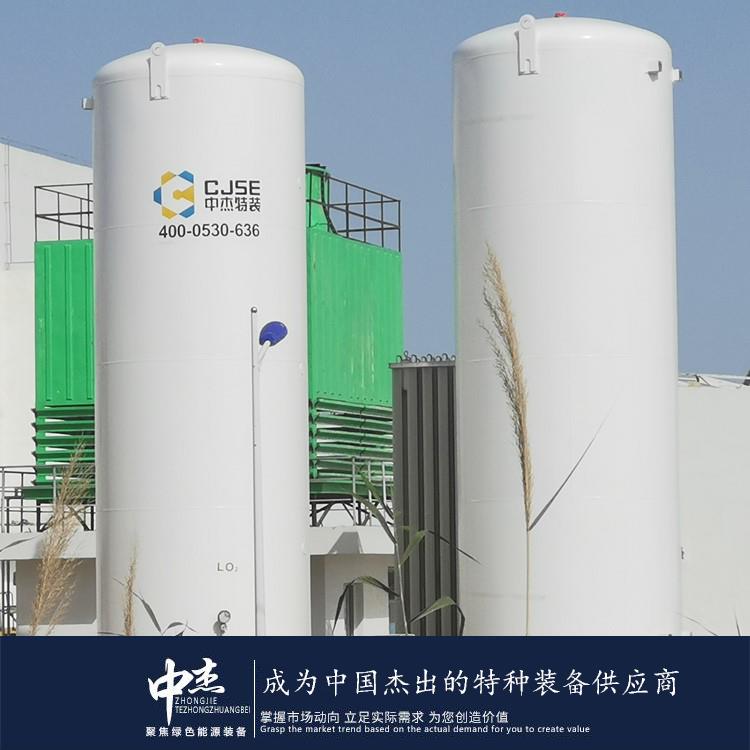


















Shandong Zhongjie Special Equipment (formerly Heze Boiler Factory Co., Ltd.) was established in 2001, located at No. 2218 Jinan Road, Economic and Technological Development Zone, Heze City, with a registered capital of 50 million yuan and total assets of 500 million yuan. The company has 7 major business centers: boilers, deep-freezing containers, pressure vessels, central air conditioning, engineering installation, international trade, and Internet of Things. It has three factory sites on Jinan Road, East Yangtze Road, and Bohai Road, covering a total of 200,000 square meters. The main workshop spans 83,000 square meters. Currently, there are 710 employees, including 247 engineering and technical staff and 82 intermediate-level technicians. In December 2016, it was recognized as a "High-tech Enterprise" by the Science and Technology Department. In June 2021, it was identified as a "Specialized and New Enterprise of Shandong Province" by the Ministry of Industry and Information Technology. In June 2022, it was recognized as a "Gazelle Enterprise of Shandong Province" and in August 2022, as a "Specialized and New Small Giant Enterprise" by the Ministry of Industry and Information Technology.
Carbon dioxide is widely used as a shielding gas in metal welding processes. Here are the main applications of carbon dioxide in welding:
1. Gas Metal Arc Welding (GMAW): Carbon dioxide is commonly used as a shielding gas in the GMAW welding process. During GMAW welding, the arc generates high temperatures in the welding area, which can also cause oxidation reactions with oxygen and water vapor, leading to reduced weld quality. By injecting carbon dioxide gas into the welding area, a protective atmosphere is formed, preventing oxygen and water vapor from entering, thereby improving the quality and strength of the weld.
2. Mixed Gas Metal Arc Welding (GMAW): Carbon dioxide is also often mixed with other gases (such as argon) to form a mixed gas shielding welding. The use of mixed gases can adjust the arc stability, molten pool formation, and weld quality during the welding process, enhancing the welding effect.
3. Gas Shielded Brazing: Carbon dioxide can also be used in gas shielded brazing processes. During brazing, the carbon dioxide gas provides a protective atmosphere, preventing oxidation and contamination in the brazing area, ensuring the quality of the brazed joints.
4. Gas Shielded Cutting: Carbon dioxide can also be used in gas shielded cutting processes. In gas shielded cutting, by injecting carbon dioxide gas into the cutting area, a protective atmosphere is formed, preventing oxidation and contamination in the cutting area, improving the quality and speed of cutting.
It is important to note that the application of carbon dioxide in welding needs to be adjusted and optimized according to specific welding materials, methods, and requirements. When using carbon dioxide for welding, it is necessary to follow relevant safety operating procedures and guidelines to ensure the safety and quality of the welding process.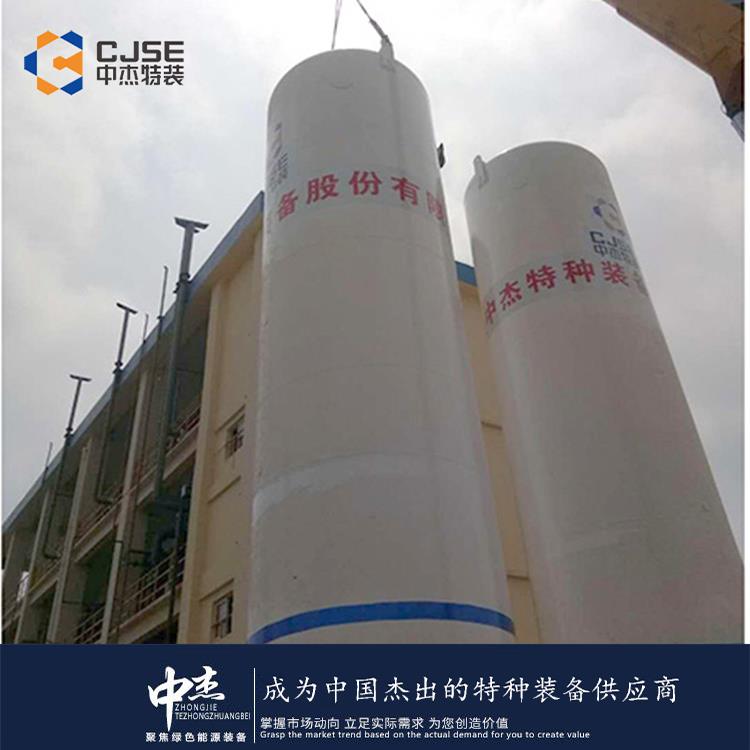
Proper installation of CO2 storage tanks requires the following steps:
Site Preparation: Select an appropriate site for installation, ensuring it is level, stable, and meets safety distance requirements. Clear the site to remove any obstructions and fire sources.
Foundation Construction: Construct the foundation based on the tank's size and weight. The foundation must be sufficiently strong and stable to support the tank's weight and pressure.
Tank Installation: Place the tank on the foundation, ensuring there are appropriate bedding and securing devices between the tank and foundation. Connect and secure the tank according to its design specifications.
Pipe Connection: Connect the tank to the piping system as needed. Ensure the connections are sealed properly to prevent leaks.
Safety Equipment Installation: Install the required safety equipment for the tank, such as safety valves, pressure sensors, temperature sensors, etc. Ensure these devices are correctly installed and connected.
System Testing: Conduct system tests after installation, including pressure and leak tests, to ensure the tank and piping system operate normally and safely.
Identification and Warning Signs: Set up necessary identification and warning signs on the tank and piping system, including tank capacity, pressure information, etc., to remind operators to be cautious.
Tank Maintenance: After installation, perform regular maintenance and upkeep on the tank, including cleaning, lubrication, inspections, etc., to ensure normal operation and extend the tank's lifespan.
CO2 tank installations should be performed by qualified installers and follow relevant safety operating procedures and standards. Seek advice and guidance from experts.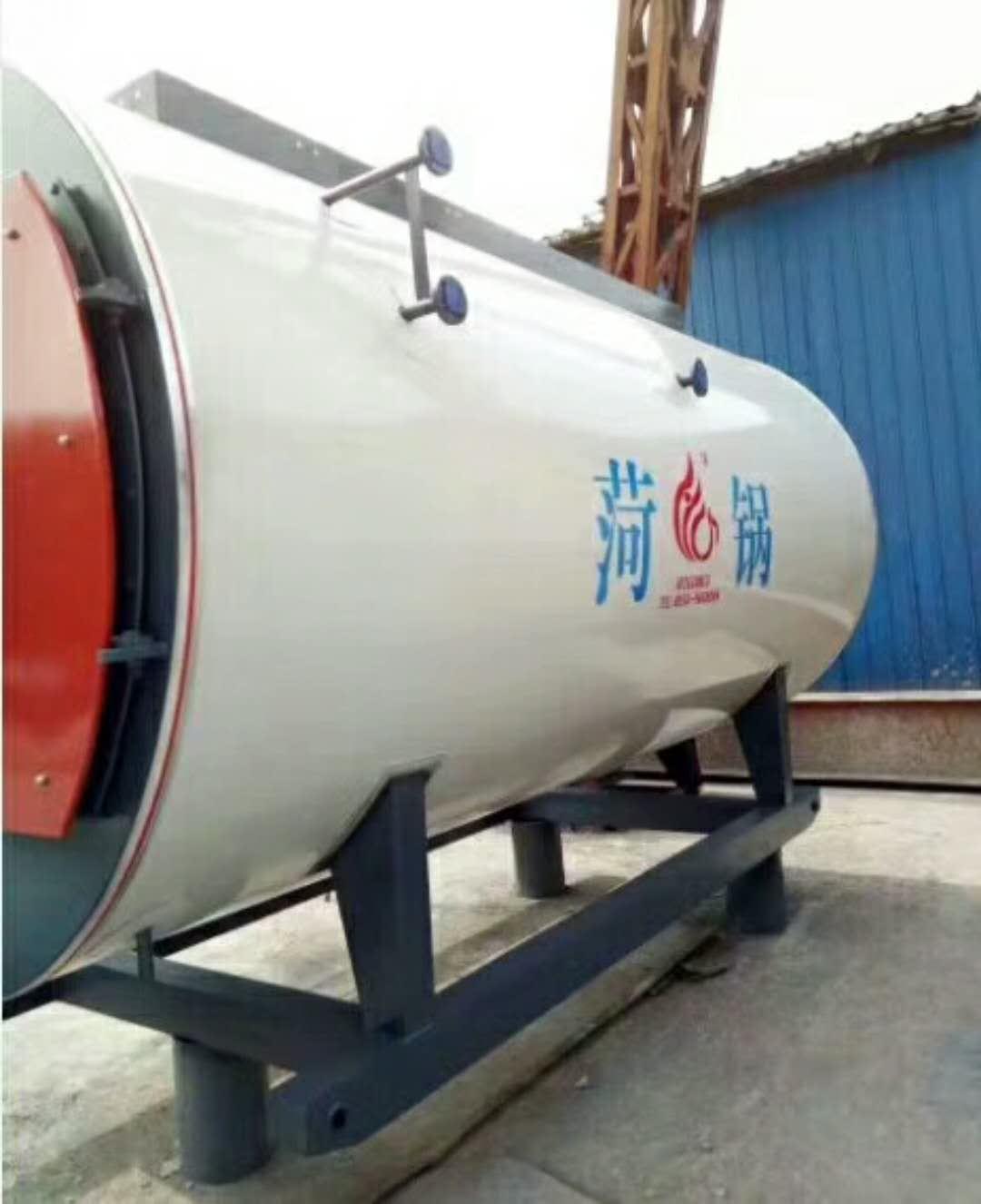
The working principle of a carbon dioxide storage tank involves the compression and liquefaction of carbon dioxide. Here is a brief description of the working principle of a carbon dioxide storage tank: Compression: Carbon dioxide gas is first compressed to a higher pressure by a compressor. This process compresses the gas to a high-pressure state, enabling it to be converted into a liquid. Cooling: The compressed carbon dioxide gas enters a cooler, where it is rapidly cooled through a cooling agent or system within the cooler. This process cools the gas to a temperature below its boiling point, converting it into a liquid. Storage: The cooled carbon dioxide liquid is stored in a sealed tank, which typically has an insulating layer to reduce the evaporation of liquid carbon dioxide and maintain a low temperature. The internal pressure of the tank is maintained within a certain range to ensure stable storage of the liquid carbon dioxide. Supply: When carbon dioxide is needed, it can be extracted from the tank through valves and piping systems. By controlling the opening and flow of the valves, liquid carbon dioxide can be supplied to the required equipment or system. It should be noted that the working principle of carbon dioxide storage tanks may vary depending on specific design and manufacturing. When using a carbon dioxide storage tank, follow the operation manual and safety guidelines, and cooperate with local regulatory agencies and personnel to ensure the safety and reliability of the tank.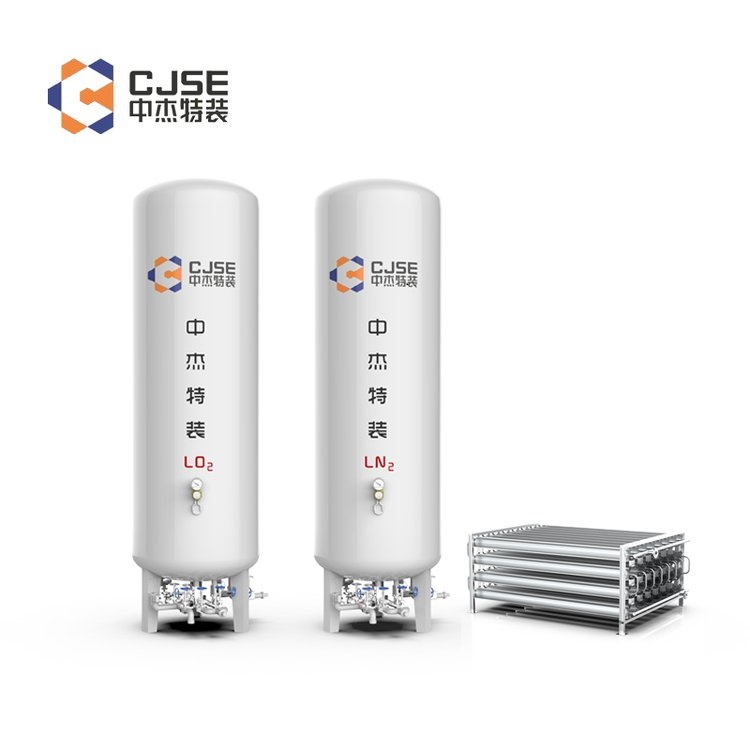
Carbon dioxide storage tanks can be categorized into various types and structures based on their design and usage:
- Vertical Tanks: Commonly used carbon dioxide tanks, shaped as a cylinder, placed vertically. These tanks typically have larger capacities and are used for large-scale storage and supply.
- Horizontal Tanks: Another common type, shaped as a rectangle or cylinder, placed horizontally. They are usually used for smaller-scale storage and supply, suitable for limited spaces.
- Spherical Tanks: A specialized type of carbon dioxide tank with a spherical shape. They offer high strength and pressure containment, ideal for high-pressure storage and transportation.
- Vertical Tanks (Small Capacity): Smaller capacity tanks with a cylindrical shape, placed vertically. They are generally used for small-scale storage and supply, such as commercial and residential use.
- Underground Tanks: A unique structure where the carbon dioxide tank is buried underground. These tanks save space, reduce visual impact, and offer safety and environmental protection.
These tanks are usually made of pressure-resistant materials (like carbon steel or stainless steel) with certain insulation properties and accessories such as safety valves, pressure gauges, and level indicators. The interior often features baffles or partitions to separate different liquids or gases. Additionally, the tanks are equipped with safety systems like pressure maintenance systems, leak detection systems, and fire detection systems.
Our company places great emphasis on technological innovation and R&D, boasting one municipal-level enterprise technology center in Heze City. We have established testing facilities for non-destructive testing, physical and chemical testing, welding testing, hydrostatic testing, and more. We are equipped with over 600 instruments and equipment, including CNC machine tools, X-ray flaw detectors, digital ultrasonic flaw detectors, mechanical property testing machines, chemical analyzers, spectrometers, tensile testing machines, plasma welding machines, and more. The key products and technologies we have developed, such as welding for temperature and pressure vessels, emissions reduction for biomass boilers, and waste heat utilization, have successively been included in multiple Shandong Provincial Department of Industry and Information Technology innovation projects, Shandong key projects, and Heze City innovation and excellence projects. We have cumulatively obtained 27 authorized utility models, 16 authorized inventions, participated in drafting 2 standards, 2 industry standards, and registered 15 trademarks. Our technical team, in collaboration with Professor Li Yajiang of Shandong University, has jointly developed deep cryogenic container processing technology using the international plasma arc + wire feeding argon arc welding (PAW-GTAW) technique. This technology has been appraised as reaching international standards in the field of deep cryogenic container manufacturing at the provincial level. Choose Zhongjie Special Equipment, and let's create brilliance together!
WeChat Official Account

Scan to follow Official Account



















