


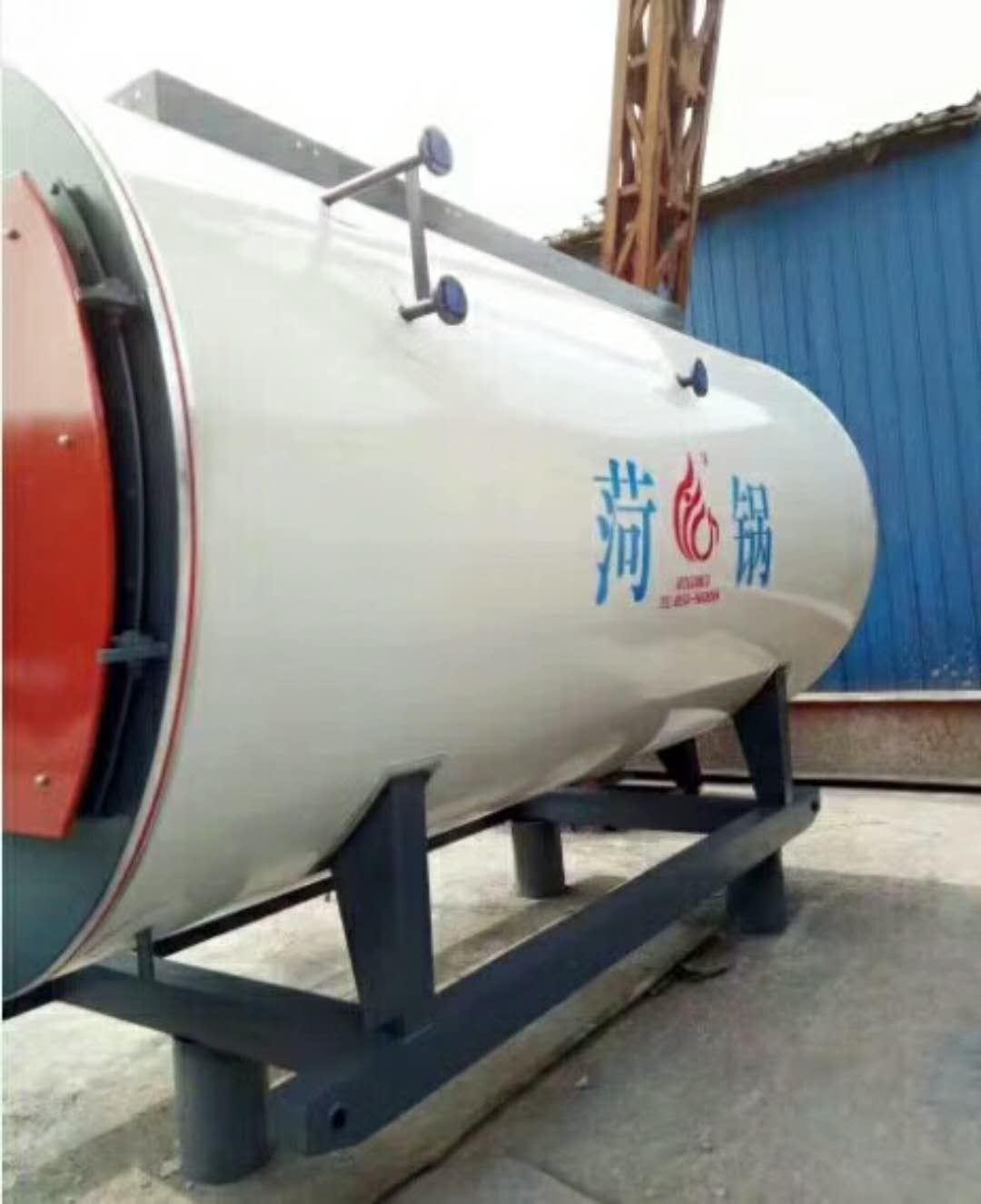

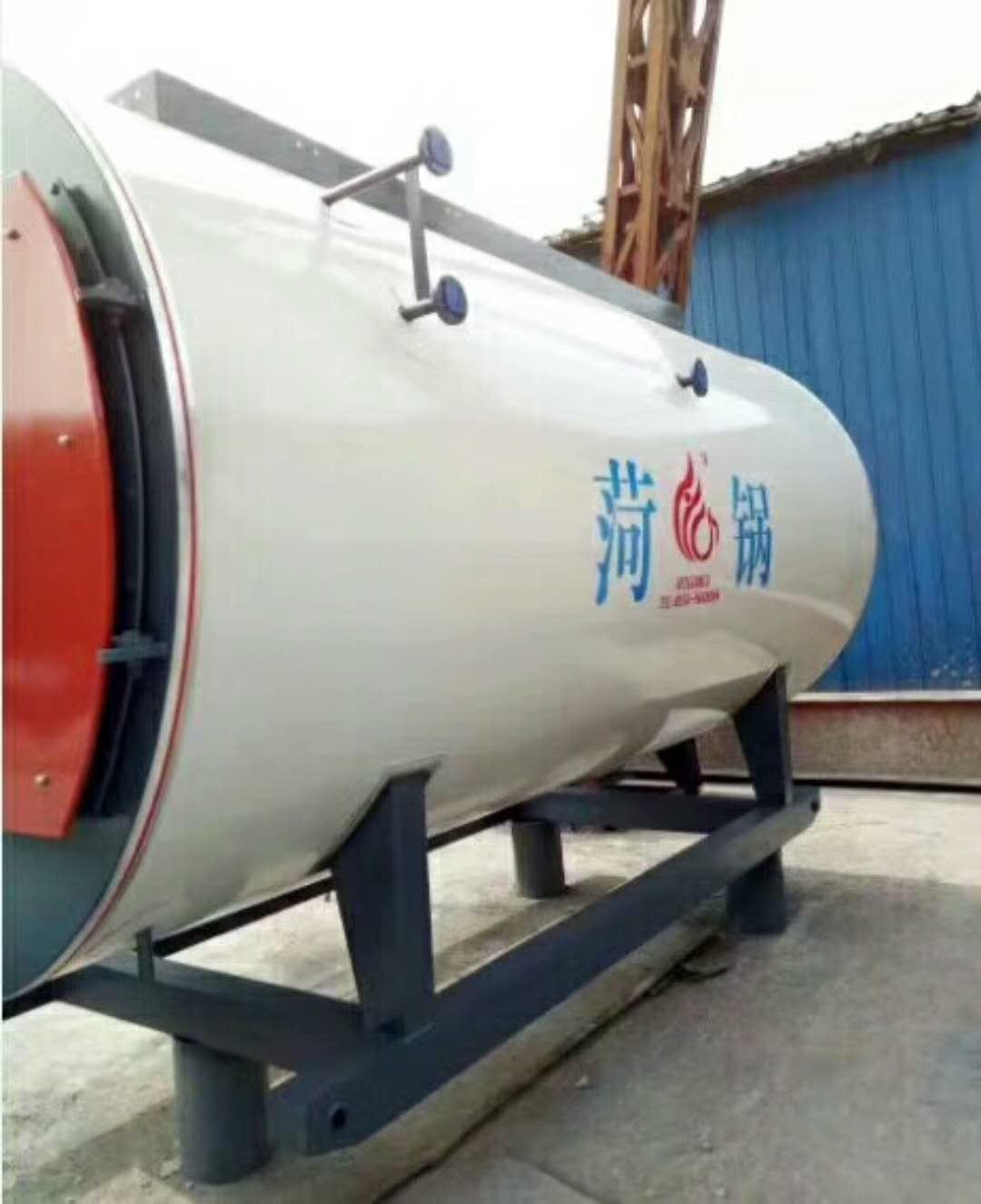
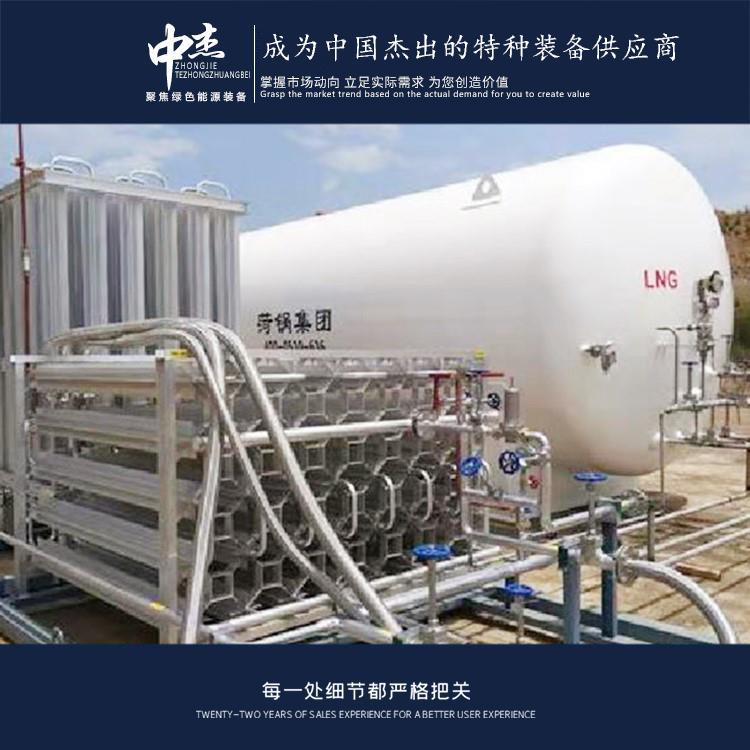


















Shandong Zhongjie Special Equipment's main products include: fuel (gas) boilers, organic heat carrier boilers, biomass boilers, waste heat boilers, and other boiler products; vacuum insulation cryogenic pressure vessels such as LNG tanks, oxygen/nitrogen/argon tanks, and CO2 tanks; pressure vessel products such as denitrification engineering equipment, heat storage and energy storage equipment, and complete chemical equipment; central air conditioning and HVAC equipment such as ground (water) source heat pumps, air source units, water-cooled screw units, and air-cooled modular units. Planned products include large-scale energy centers, LNG transport vehicles, LNG tank containers, and other green energy equipment.
Carbon dioxide tanks possess the following characteristics:
- High-pressure Vessel: Carbon dioxide tanks are typically designed as high-pressure vessels capable of withstanding significant pressure. This is due to the fact that carbon dioxide requires high pressure at room temperature to maintain its liquid state.
- High Oxidizing Property: Carbon dioxide has a high oxidizing property and can support combustion. Therefore, when using and storing carbon dioxide, precautions must be taken to prevent contact to avoid the risk of fire and explosion.
- Low-Temperature Storage: Carbon dioxide is a gas at room temperature but can be compressed into a liquid at lower temperatures. Thus, carbon dioxide tanks usually need to have excellent insulation to maintain the低温 of stored liquid carbon dioxide.
- High Density: Liquid carbon dioxide has a high density, allowing for the storage of large amounts of carbon dioxide in a relatively small volume. This makes carbon dioxide tanks useful in scenarios requiring substantial carbon dioxide supply.
- Safety Valves and Pressure Control: To ensure the internal pressure of the tank remains within a safe range, carbon dioxide tanks are usually equipped with safety valves and pressure control devices. These devices monitor and control the internal pressure of the tank to prevent excessive pressure from causing tank rupture.
- Corrosiveness: Carbon dioxide has some degree of corrosiveness, particularly in high humidity environments. Therefore, the materials and corrosion prevention measures of the tank need to consider the corrosiveness of carbon dioxide to ensure the tank's durability and safety.
These characteristics make carbon dioxide tanks widely applicable in many industries, such as the food and beverage industry, fire suppression, gas industry, etc. When using carbon dioxide tanks, it is necessary to follow relevant safety operation procedures and standards to ensure operational safety.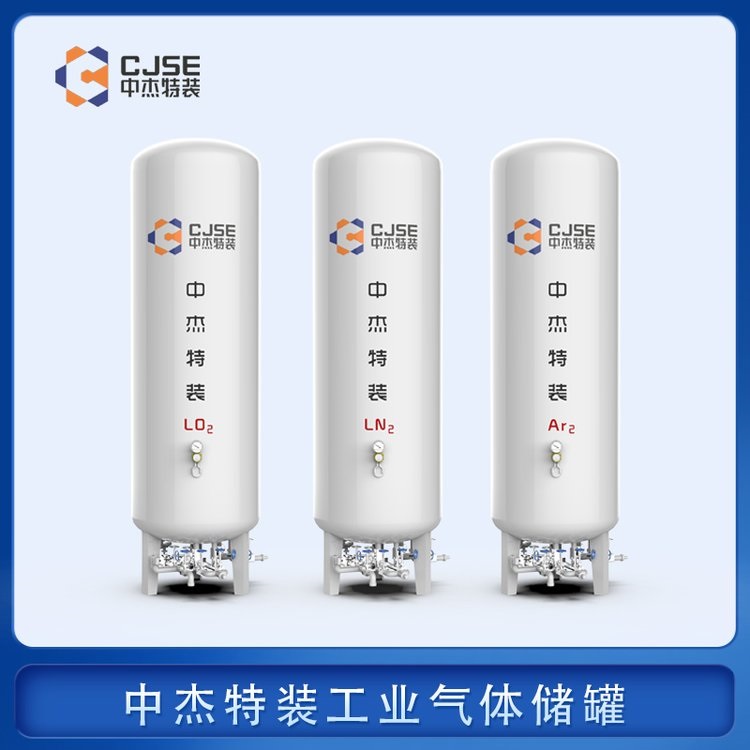
The safe operation of low-temperature carbon dioxide storage tanks is crucial and primarily involves the following aspects: Design and Manufacturing: The design and manufacture of the tank must comply with relevant standards and specifications to ensure it can withstand working conditions in low temperatures and high pressures. The tank should possess sufficient strength and sealing performance to prevent leaks and ruptures. Safety Valves and Pressure Control: The tank should be equipped with safety valves and pressure control devices to ensure internal pressure remains within a safe range. Safety valves should be inspected and tested regularly to ensure proper functioning. Temperature Control: Effective temperature control is necessary for low-temperature carbon dioxide storage tanks to prevent freezing or embrittlement due to excessively low temperatures. Appropriate insulation materials and equipment should be used to maintain the tank and pipeline temperatures within a safe range. Leak Detection and Alarm: The tank should be fitted with leak detection devices and alarm systems, along with corresponding monitoring equipment. These devices can promptly detect leaks and trigger alarms, enabling appropriate actions to be taken. Safe Operation and Training: Operators should receive relevant training to understand the safety operation procedures and standards for low-temperature carbon dioxide storage tanks. Operators should be familiar with the tank's characteristics, operational principles, and emergency response measures. Regular Inspections and Maintenance: The tank should be inspected and maintained regularly, including visual inspections, anti-corrosion coating maintenance, and leak detection. Regular inspections can help identify potential issues early and take corrective measures. Emergency Preparedness: Establish an emergency response plan and equip with appropriate fire extinguishing and first aid equipment. Operators should be familiar with emergency procedures and be able to respond quickly to emergencies. Please note that the above points are general recommendations. Specific safe operation procedures should be based on the design and usage requirements of the low-temperature carbon dioxide storage tanks. Before using the tank, it is recommended to refer to relevant safety operation manuals and guidelines to ensure operational safety.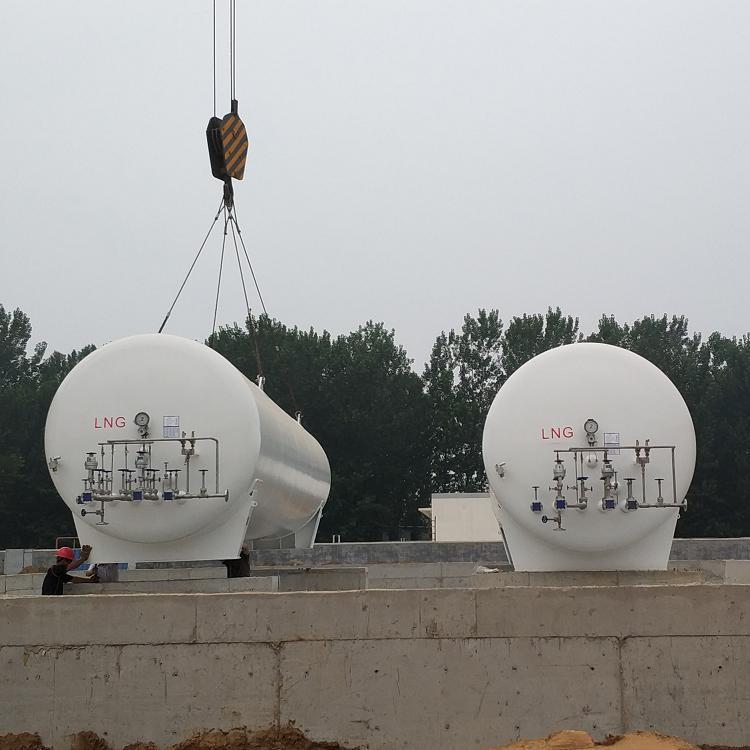
Carbon dioxide tanks are categorized into various types and structures based on their design and purpose:
- Vertical Tanks: Commonly used carbon dioxide tanks, these are cylindrical in shape and vertically positioned. They typically have larger capacities and are used for large-scale storage and supply of carbon dioxide.
- Horizontal Tanks: Another common type, these tanks are rectangular or cylindrical in shape and horizontally positioned. They are usually used for smaller-scale storage and supply, suitable for limited spaces.
- Spherical Tanks: A specialized type of carbon dioxide tank with a spherical shape. They offer high strength and pressure containment, suitable for high-pressure storage and transport.
- Vertical Tanks (Smaller Capacity): These are smaller capacity carbon dioxide tanks, cylindrical in shape and vertically positioned. They are commonly used for small-scale storage and supply, such as for commercial and residential use.
- Underground Tanks: A unique structure where the carbon dioxide tank is buried underground. These tanks save space, reduce visual impact, and offer enhanced safety and environmental protection.
These tanks are typically made of pressure-resistant materials (like carbon steel or stainless steel) and have certain thermal insulation properties, as well as accessories such as safety valves, pressure gauges, and level indicators. The interior usually features baffles or partitions to separate different liquids or gases. Additionally, the tanks are equipped with safety systems such as pressure maintenance systems, leak detection systems, and fire detection systems.
Carbon dioxide storage tanks come in various sizes and structures, tailored to specific application requirements and capacity needs. Here are some common dimensions and structures:
Dimensions: The size of carbon dioxide storage tanks ranges from small to large, varying with capacity. Common sizes span from a few thousand to several tens of thousands of liters.
Structure: Typically, carbon dioxide storage tanks feature a double-walled design, with the inner wall for storing liquid carbon dioxide and the outer wall for insulation. The inner wall is usually made of stainless steel or aluminum alloy, offering excellent corrosion resistance.
Insulation: To maintain the低温 state of liquid carbon dioxide, the outer wall of the tank usually has an insulating layer to reduce heat transfer and maintain low temperatures. The insulation can be a multi-layered structure, such as polyester foam or glass wool.
Pressure Relief Devices: Carbon dioxide storage tanks are commonly equipped with pressure relief devices, like safety valves, to control internal pressure. The set pressure of these devices should meet relevant requirements and be regularly inspected and maintained.
Connecting Pipes: The connection between the tank and pipes is usually made with appropriate methods, such as flange connections or threaded connections. The connecting pipes must comply with relevant standards and specifications to ensure a tight and reliable connection with no leaks.
Support Structure: Large carbon dioxide storage tanks usually require a support structure to bear their weight. These structures can be steel or concrete, ensuring stability and safety.
It is important to note that the specific dimensions and structures of carbon dioxide storage tanks may vary depending on different applications and requirements. When selecting and using carbon dioxide storage tanks, considerations should be based on the actual needs.
Zhejiang Zhejie Special Equipment adheres to the grand vision of "realizing employees' dreams, creating value for customers, and striving for the prosperity and strength of our motherland," and is dedicated to the development of green energy equipment. We offer society high-quality products and services at competitive prices!
WeChat Official Account

Scan to follow Official Account



















