


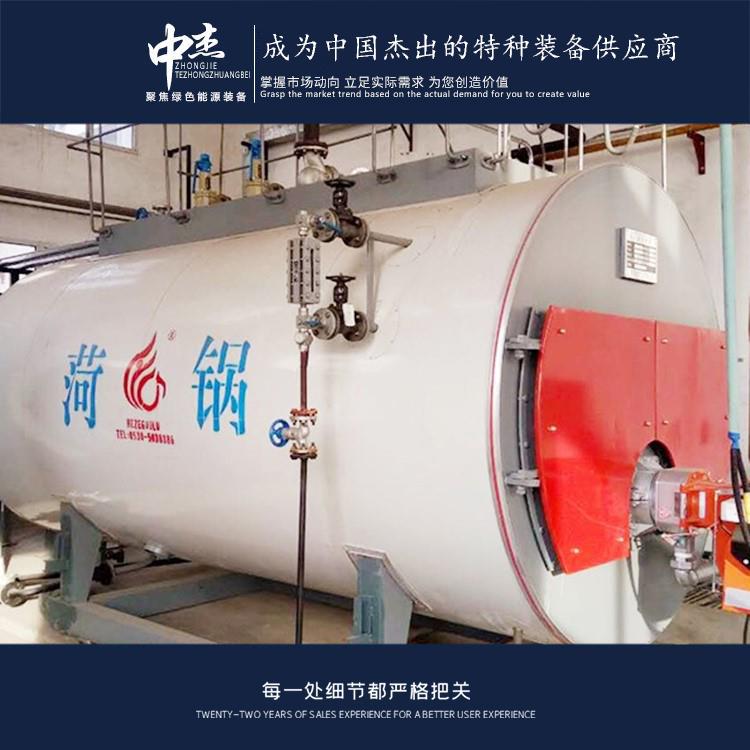

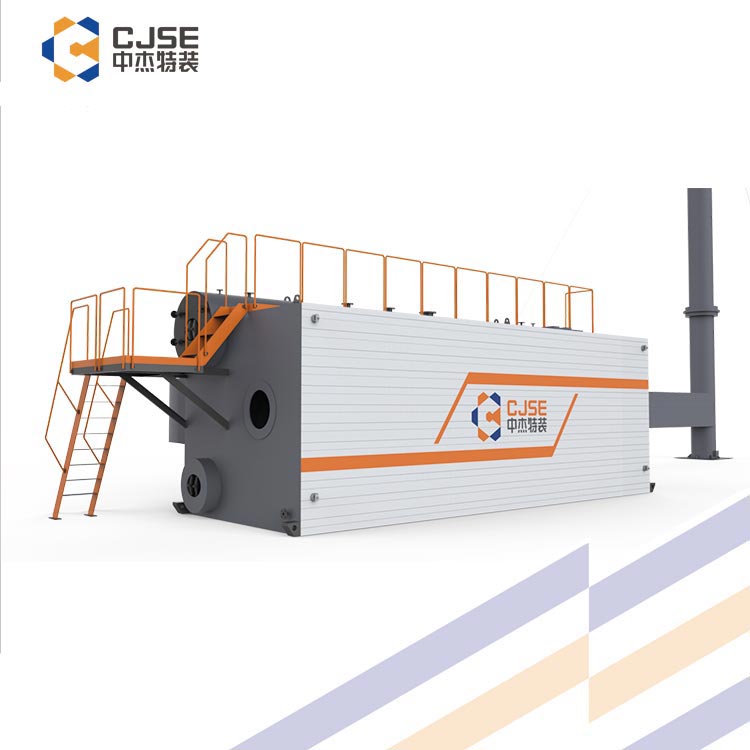
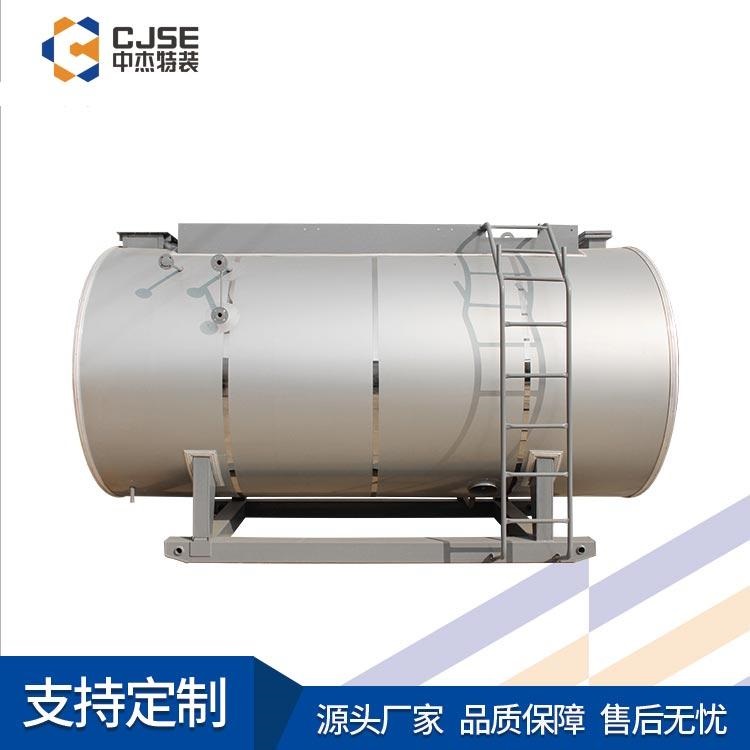


















Shandong Zhongjie Special Equipment specializes in products such as fuel (gas) boilers, organic heat carrier boilers, biomass boilers, waste heat boilers, and other boiler products; vacuum insulation cryogenic pressure vessels including LNG tanks, oxygen/nitrogen/argon tanks, CO2 tanks, etc.; pressure vessel products such as denitrification engineering equipment, heat storage equipment, complete chemical equipment sets, etc.; central air conditioning and HVAC equipment including ground (water) source heat pumps, air source units, water-cooled screw units, and air-cooled modular units. Planned products include large-scale energy centers, LNG transport vehicles, LNG tank containers, and other green energy equipment.
Steam boiler equipment water treatment refers to the process of treating water in steam boilers to ensure normal operation and extend the lifespan of the equipment. Below are the basic principles of steam boiler equipment water treatment:
Water Quality Requirements: The water quality in steam boilers is of high requirement, typically necessitating the removal of impurities, dissolved oxygen, and hardness substances. Impurities and hardness substances can lead to scaling and corrosion on the boiler inner walls, while dissolved oxygen can cause corrosion and the formation of bubbles.
Removal of Impurities: Common methods for removing water impurities include sedimentation, filtration, and ion exchange. Sedimentation involves adding chemicals to make impurities settle, filtration removes impurities through a filtering medium, and ion exchange uses resins to adsorb and exchange ions to eliminate impurities from the water.
Hardness Adjustment: The hardness substances in water are primarily calcium and magnesium salts, which can cause scaling on the boiler inner walls. Hardness can be adjusted by adding chemicals or using water softening equipment to prevent scaling issues.
Dissolved Oxygen Removal: Dissolved oxygen can cause corrosion and bubble formation, which can be removed by adding oxidants or using deaeration equipment.
pH Control: The pH value of the water in steam boilers affects equipment corrosion and scaling. It is usually necessary to control the pH value within an appropriate range, using buffers or regulators to adjust the pH.
Regular Testing and Maintenance: Regular water quality testing of the steam boiler equipment should be conducted, including measuring hardness, dissolved oxygen, and pH levels, and implementing water treatment measures and maintenance based on the test results.
Steam boiler equipment water treatment is a critical aspect of ensuring normal boiler operation and extending equipment lifespan. Rational water treatment measures can effectively prevent scaling, corrosion, and malfunctions on the boiler inner walls.
The Zhongjie skid-mounted thermal oil boiler is a common industrial thermal energy equipment featuring the following product characteristics: High thermal efficiency: The Zhongjie skid-mounted thermal oil boiler utilizes advanced combustion technology and heat exchanger design, effectively transferring the heat energy generated by fuel combustion to the thermal oil, achieving energy utilization and improving thermal efficiency. Stable and reliable: Made with materials and precision manufacturing processes, this thermal oil boiler boasts excellent high-temperature resistance and stable operating conditions, ensuring long-term stable operation with high reliability. Temperature control: Equipped with a temperature control system, the Zhongjie skid-mounted thermal oil boiler can monitor and adjust the temperature of the thermal oil in real-time, guaranteeing temperature accuracy and stability during the process. Safety protection: The boiler is equipped with multiple safety protection devices, such as overheat protection, pressure protection, and burner fault protection, effectively preventing accidents. Additionally, the boiler uses clean combustion technology, resulting in minimal emissions and environmental friendliness. Easy operation: The Zhongjie skid-mounted thermal oil boiler features an intelligent control system with a user-friendly interface and convenient parameter adjustment, making operation simple and reducing the difficulty and labor costs associated with operation. Overall, the Zhongjie skid-mounted thermal oil boiler is characterized by stability and reliability, suitable for various industrial fields such as chemicals, textiles, and food processing, providing users with reliable thermal energy supply and process temperature control.
The inspection of heat-conducting oil boiler tube plates is crucial for ensuring the safe operation of the boiler and preventing potential issues. Below are the general steps for inspecting heat-conducting oil boiler tube plates:
Visual Inspection: Conduct a visual examination to check for any visible corrosion, cracks, deformation, or other anomalies on the surface of the tube plate. Pay special attention to checking for cracks or leaks at the welds and connections.
Cleaning the Tube Plate: Clean the surface of the tube plate thoroughly to remove dirt and deposits, allowing for a proper inspection.
Ultrasound Testing: Use an ultrasound testing device to inspect the tube plate to detect any potential cracks or other defects. Ultrasound testing can help determine the integrity and reliability of the tube plate.
Pressure Testing: Perform a pressure test to verify the sealing and pressure resistance of the tube plate. Gradually increase the pressure during the test, observe for any leakage, and ensure the tube plate can withstand the designed pressure.
Tube Plate Thickness Measurement: Use an ultrasonic thickness gauge to measure the thickness of the tube plate to ensure it meets the design requirements. Pay particular attention to the corrosion status, ensuring it remains within the safe range.
Weld Inspection: Inspect the welds on the tube plate to ensure the quality meets relevant standards and specifications. Check the integrity of the welds, the quality of the welding, and whether the welding process meets requirements.
Documentation and Reporting: Record and report the inspection results of the tube plate, including any issues found, corrective measures, and recommendations. These records and reports can serve as references for future maintenance and management.
It is important to note that the inspection of heat-conducting oil boiler tube plates should be carried out by qualified personnel and performed strictly in accordance with relevant standards and specifications. If any issues or anomalies are detected, appropriate repair and maintenance measures should be taken promptly to ensure the safe operation of the boiler.
A condensing gas steam boiler is an energy-saving boiler equipment with the following working principle and features:
Working Principle:
- Steam Generation: The condensing gas steam boiler produces high-temperature flue gases by burning gas, which then exchange heat with the water pipes inside the boiler, heating the water to produce steam.
- Steam Condensation: After steam is generated, it enters the condenser where it exchanges heat with the condensing medium (usually cold water or recycled water), releasing heat from the steam and condensing it back into water.
- Flue Gas Reuse: The flue gases after condensation still contain a certain amount of heat, which can be recovered and reused by the flue gas reuse system, improving the boiler's thermal efficiency.
Features:
- Energy-saving: The condensing gas steam boiler utilizes the principle of steam condensation to maximize the use of steam's heat, enhancing the thermal energy utilization efficiency and saving energy consumption.
- Low Emissions: Due to the recovery of most of the heat during the flue gas condensation process, the flue gas temperature is lower, resulting in relatively lower emissions of pollutants and less environmental impact.
- Compact Structure: The condensing gas steam boiler usually features a compact design, occupying less space, making it suitable for areas with limited space.
- Quick Start-up: The boiler has the characteristic of quick start-up and shutdown, allowing for flexible adjustments and operations based on actual needs.
- Wide Application Range: The condensing gas steam boiler is suitable for heating and steam requirements in industrial production processes, such as power plants, chemical factories, textile factories, etc.
It is important to note that maintenance and regular maintenance are required for the condensing gas steam boiler during operation to ensure its normal operation and performance, including regular cleaning of the condenser and flue gas reuse system.
Our company attaches great importance to technological innovation and R&D design. We have one municipal-level enterprise technology center in Heze City, equipped with testing facilities such as non-destructive testing, physical and chemical testing, welding testing, and hydrostatic testing. We have over 600 pieces of equipment, including CNC machine tools, X-ray flaw detectors, digital ultrasonic flaw detectors, mechanical property testing machines, chemical analyzers, spectrometers, tensile testing machines, and plasma welding machines. Our key products and technologies, such as temperature and pressure vessel welding, biomass boiler emission reduction, and waste heat recovery, have successively been selected for multiple Shandong Provincial Department of Industry and Information Technology science and technology innovation projects, key projects in Shandong Province, and Heze City innovation and excellence projects. We have accumulated 27 authorized utility models, 16 authorized inventions, participated in drafting 2 standards, 2 industry standards, and registered 15 trademarks. The deep cryogenic vessel processing technology jointly developed by our technical team and Professor Yajiang Li from Shandong University, using the international plasma arc + wire feeding argon arc welding (PAW-GTAW) technology, has been appraised as reaching international standards in the field of deep cryogenic vessel manufacturing at the provincial level.
Choose ZJET for excellence, let's create brilliance together!
WeChat Official Account

Scan to follow Official Account



















