


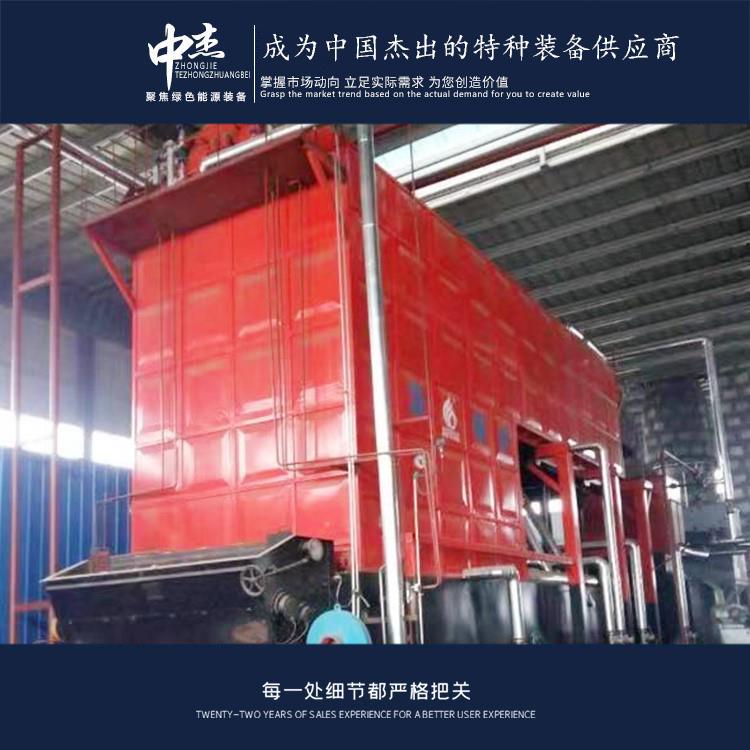

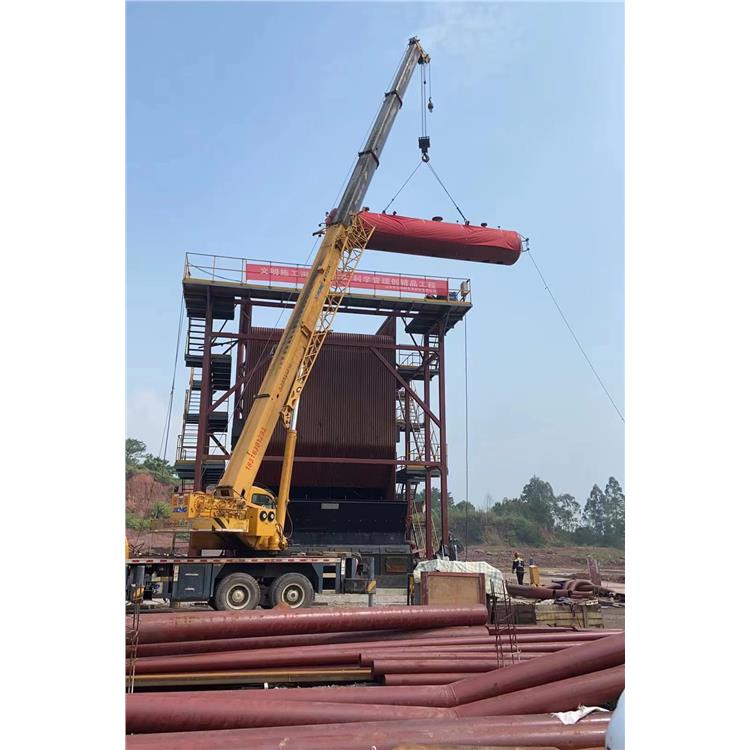
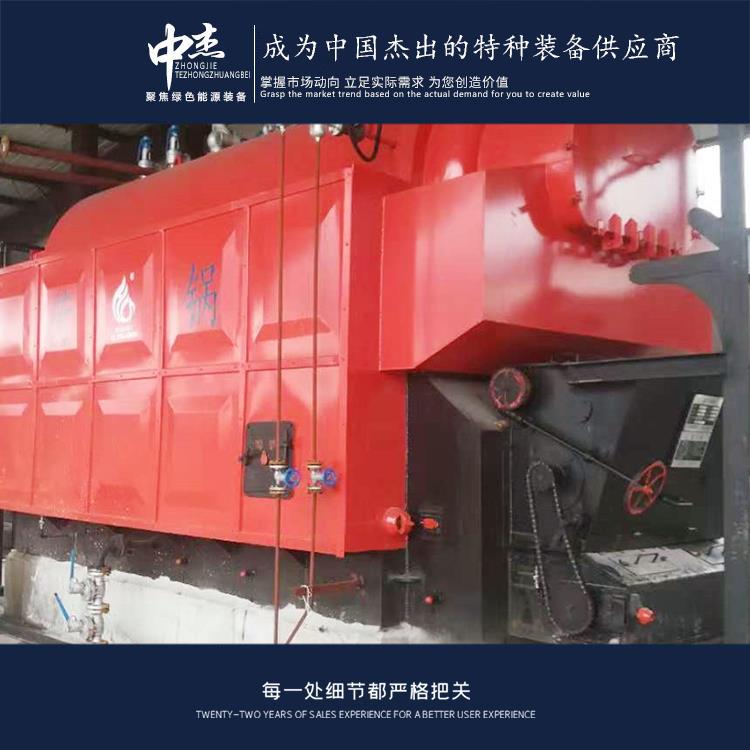


















Shandong Zhongjie Special Equipment (formerly Heze Boiler Factory Co., Ltd.) holds an A-grade boiler manufacturing license, an A2-grade pressure vessel manufacturing license, an A2-grade pressure vessel design license, a B-grade boiler installation license, and GB2/Class, GC2/Class pressure pipeline installation licenses, as well as a mechanical and electrical equipment installation contracting qualification. It is a member of the China Boiler and Water Treatment Association, the China Chemical Equipment Association, and a director unit of the Shandong Equipment Manufacturing Association. The company has also passed the ISO9001 Quality Management System, ISO14001 Environmental Management System, OHSAS18001 Occupational Health and Safety Management System certifications, and the American ASME/U2 certification.
Reducing emissions of nitrogen oxides (NOx) from biomass boilers can be achieved through the following measures:
Combustion Control Technology: Utilizes advanced combustion control technologies, such as low nitrogen combustion technology. By optimizing the combustion process and controlling the combustion temperature and oxygen concentration, the formation of nitrogen oxides is reduced. Methods such as staged combustion and optimized combustion chamber design can be employed to lower combustion temperatures and extend combustion times, thereby decreasing nitrogen oxide emissions.
SNCR Technology: Selective Non-Catalytic Reduction (SNCR) technology involves injecting a reductant, such as urea solution, into the combustion process to react with nitrogen oxides, converting them into nitrogen and water. This technique can reduce the formation and emission of nitrogen oxides during combustion.
SCR Technology: Selective Catalytic Reduction (SCR) technology is a nitrogen oxide control method. By injecting urea solution into flue gas and utilizing a catalyst, nitrogen oxides are converted into nitrogen and water. SCR technology achieves nitrogen oxide removal at lower temperatures, suitable for large biomass boilers.
Flue Gas Recirculation (FGR): The Flue Gas Recirculation (FGR) technique recycles a portion of flue gas back into the boiler combustion chamber, reducing combustion temperature and oxygen concentration, thereby decreasing the formation of nitrogen oxides. This technology can control nitrogen oxide emissions by adjusting the recirculation ratio.
Fuel Selection and Pretreatment: Opting for low nitrogen fuels, such as low nitrogen biomass fuels, can reduce the formation of nitrogen oxides. Furthermore, for biomass fuels with high nitrogen content, pretreatment measures like drying and gasification can be taken to decrease the formation of nitrogen oxides during combustion.
Regular maintenance and cleaning: Regular maintenance and cleaning of biomass boilers ensure the cleanliness and proper operation of components such as burners and heat exchangers. Cleaning the combustion chamber and heat exchanger reduces the accumulation of dirt, enhances heat transfer efficiency, and lowers nitrogen oxide emissions.
By implementing the aforementioned measures comprehensively, nitrogen oxide emissions from biomass boilers can be effectively reduced, achieving both environmental protection and energy-saving goals. The specific measures to be chosen should be based on the characteristics of the boiler, its operating conditions, and emission requirements.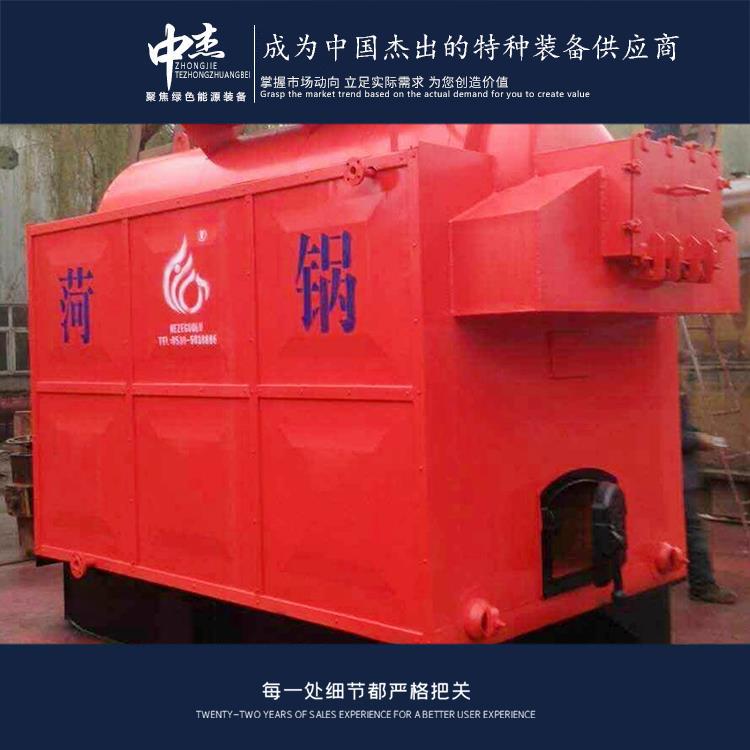
The brief steps for biomass boiler drying oven are as follows:
Prepare fuel: Select appropriate biomass fuel, such as wood chips, straw, etc., and conduct preliminary processing, such as drying, sieving, etc., to ensure the quality of the fuel and its suitability for the furnace.
Ignition and Ignition Adjustment: Place the fuel into the combustion chamber of the biomass boiler, ignite it, and make ignition adjustments. Adjust parameters such as oxygen supply, fuel supply, and combustion temperature in the combustion chamber to ensure stable combustion.
Heating and Temperature Control: As the fuel burns, biomass boilers produce high-temperature flue gas, which transfers its heat energy to the oven through a heat exchanger. During the heating process, it is necessary to control the temperature of the oven to ensure that the materials inside receive adequate heating.
Furnace Operation and Monitoring: During the furnace heating process, operation and monitoring are necessary. Operation involves controlling fuel supply, heat transfer, and the movement of materials within the furnace. Monitoring includes tracking parameters such as furnace temperature, pressure, and combustion efficiency to ensure normal operation and safety.
Furnace Completion and Cleaning: Upon completion of the heating process or achievement of the desired furnace effect, cease fuel supply and heating, and proceed with the furnace completion procedures. Post-completion, it is necessary to clean the furnace and biomass boiler, as well as the combustion chamber and flue.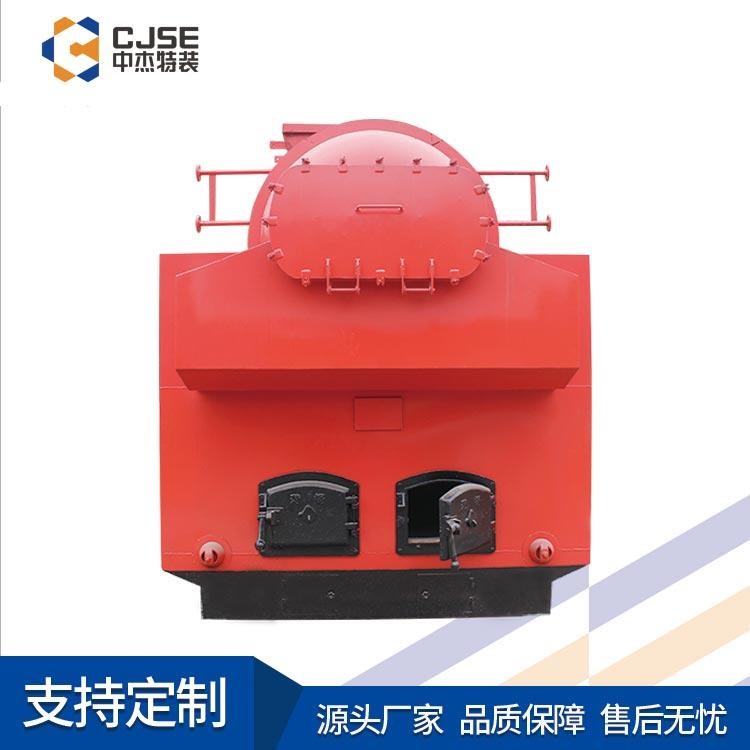
Biomass boilers emit nitrogen oxides (NOx) during the combustion process, which are harmful to the environment. Controlling the NOx emissions from biomass boilers is a significant challenge. Here are some难点 in NOx control for biomass boilers:
Fuel Characteristics: The composition and characteristics of biomass fuel are diverse, containing varying nitrogen content and volatile matter. This makes it difficult to accurately predict and control NOx emissions during the combustion process in biomass boilers.
Combustion Temperature: The formation of NOx is closely related to combustion temperature; both excessively high and low temperatures can increase NOx production. The combustion temperature of biomass boilers is influenced by various factors, such as fuel moisture and oxygen supply, making it challenging to control combustion temperature for NOx emissions control.
Proper combustion air supply can aid in controlling NOx emissions, but either excessive or insufficient air supply can affect combustion efficiency and NOx排放. The combustion air supply for biomass boilers must be reasonably adjusted based on fuel characteristics and combustion conditions, which poses certain requirements for operators and control personnel.
Combustion System Design: The design of the combustion system in biomass boilers also has an impact on NOx emissions control. For instance, the adopted combustion technologies and burner designs, such as low-NOx combustion technology and optimized combustion chamber structure, can effectively reduce NOx emissions.
Operation and Maintenance: Proper operation and regular maintenance of biomass boilers are crucial for controlling NOx emissions. Reasonable operation and scheduled maintenance can ensure the normal operation and combustion of the combustion system, thereby reducing the generation of NOx.
In summary, the challenges in NOx control for biomass boilers primarily include fuel characteristics.
There are several main methods for setting the pressure in biomass hot water boilers:
Regular Discharge: Regularly discharge excess water from the boiler to maintain normal working pressure. Discharging the excess water helps prevent excessive internal pressure within the boiler, ensuring stable operation.
Operation: Perform operations at regular intervals based on the water level of the boiler to maintain normal working pressure. Pay attention to control the amount to avoid excessive pressure in the boiler.
Pressure Control System: The pressure control system is installed to monitor the boiler's pressure in real-time via sensors and controllers, and automatically adjusts according to set values. Should the boiler pressure exceed the set value, the control system will automatically reduce fuel supply or release excess water vapor to maintain a stable working pressure for the boiler.
Pressure Regulator: Install the pressure regulator on the boiler's incoming water pipe. By adjusting the valve opening, control the water inflow to maintain the boiler's stable working pressure. The pressure regulator can automatically adjust to the set value, keeping the boiler's pressure within the appropriate range.
Pressure Regulator: Install a pressure regulator in the boiler's combustion system to control the steam pressure by adjusting the combustion intensity of the burner. The pressure regulator can automatically adjust the burner's operating state according to the set value to maintain a stable working pressure for the boiler.
Above are common methods for setting the pressure of biomass hot water boilers. According to actual conditions and requirements, you can choose a suitable pressure-setting method to maintain stable working pressure for the boiler.
Zhongjie Special Equipment adheres to the great vision of "Realizing employee dreams, creating customer value, and striving for the prosperity and strength of our motherland," devoting itself to the development of green energy equipment industry, and dedicating high-value products and services to society!
WeChat Official Account

Scan to follow Official Account



















