


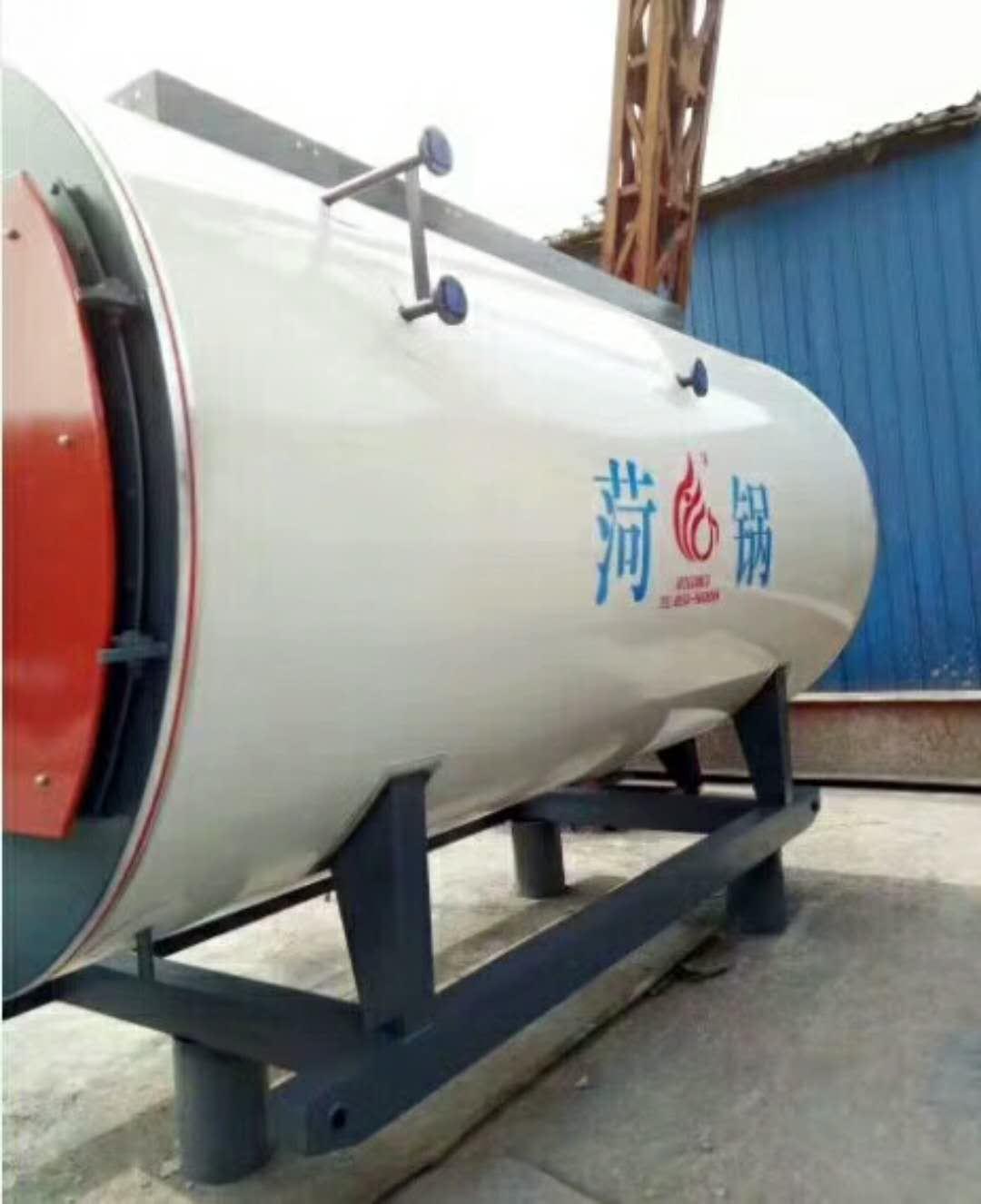

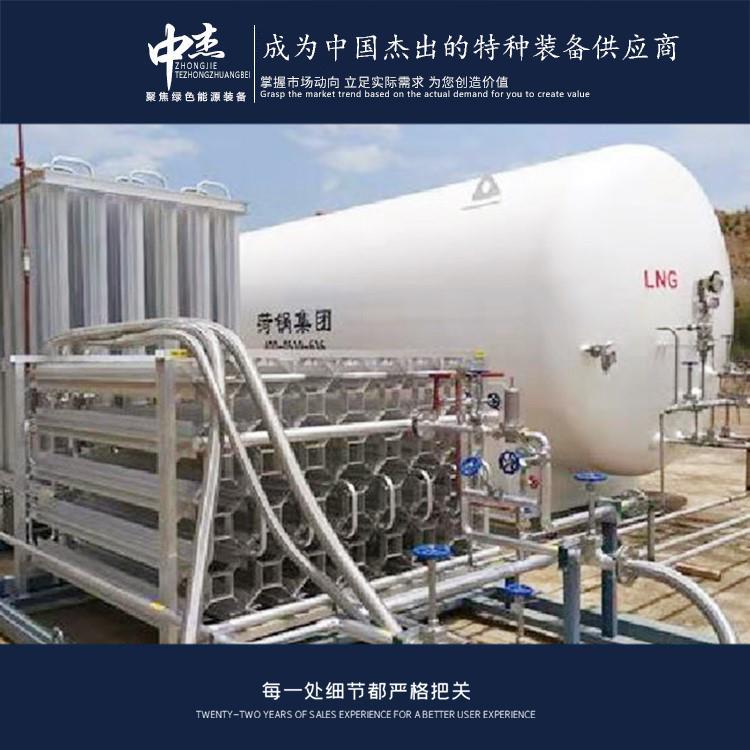
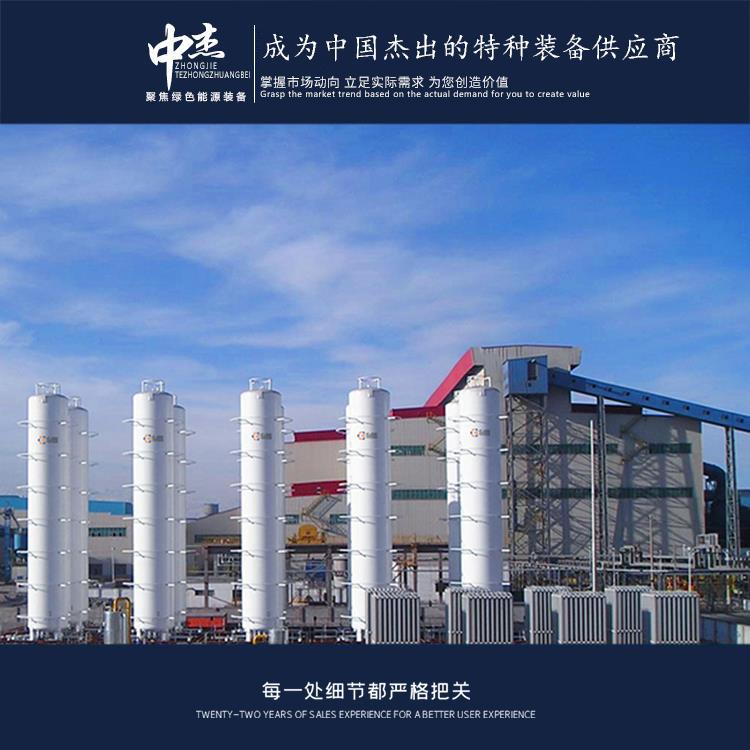


















Shandong Zhongjie Special Equipment (formerly Heze Boiler Factory Co., Ltd.) was established in 2001, located at No. 2218 Jinnan Road, Development Zone, Heze City, with a registered capital of 50 million yuan and total assets of 500 million yuan. The company has 7 business centers: boilers, deep-freeze containers, pressure vessels, central air conditioning, engineering installation, international trade, and Internet of Things. It has three factory sites on Jinnan Road, East Changjiang Road, and Bohai Road, covering a total of 200,000 square meters, with the main workshop spanning 83,000 square meters. It currently employs 710 people, including 247 engineers and technicians and 82 intermediate-level technicians. In December 2016, it was recognized as a "High-tech Enterprise" by the Science and Technology Department. In June 2021, it was identified as a "Specialized and New Enterprise in Shandong Province" by the Ministry of Industry and Information Technology. In June 2022, it was recognized as a "Gazelle Enterprise in Shandong Province" and in August 2022, it was identified as a "Specialized and New Small Giant Enterprise" by the Ministry of Industry and Information Technology.
Maintaining and being aware of liquid nitrogen tanks is crucial; here are some key points:
Maintenance:
Regular Inspections: Conduct regular inspections of the liquid nitrogen tank's exterior, valves, pipes, and other components to ensure they are intact and undamaged. Pay special attention to check for any leaks, corrosion, or other forms of damage.
Clean Storage Tanks: Regularly clean liquid nitrogen tanks to remove internal dirt and deposits. Use appropriate cleaning agents and tools, and follow the cleaning procedures and safety operating protocols.
Liquid Nitrogen Refill: Refill liquid nitrogen regularly as needed. Ensure that the storage tank maintains an adequate supply to meet usage requirements.
Maintain Pressure: Regularly check the liquid nitrogen tank's pressure to ensure it remains within the safe range. Conduct pressure tests and adjustments as necessary.
Corrosion Prevention: Depending on the material of the tank and its operating environment, appropriate corrosion prevention measures are taken to extend the service life of the tank. For example, applying corrosion-resistant coatings and conducting regular corrosion treatments.
Cautionary Notes:
Safe Operation: Strict adherence to safety operating procedures and standards is mandatory when using liquid nitrogen tanks. Operators must be trained, familiar with the properties of liquid nitrogen and safety operation requirements, and knowledgeable about the tank equipment and operational procedures.
Protective Measures: When using liquid nitrogen tanks, necessary protective measures must be taken, such as wearing protective gloves and suits. Avoid direct contact with liquid nitrogen to prevent frostbite.
Leak Control: Regularly inspect the liquid nitrogen storage tank for leaks and equip with leak detectors and alarm systems. In case of a leak, immediate action should be taken to control the leak and carry out repairs.
Ventilation Requirements: In enclosed spaces where liquid nitrogen tanks are used, adequate ventilation must be ensured.
The liquid nitrogen tank filling process typically includes the following steps:
Preparation: Ensure the storage tank and filling equipment are in good condition with no damage or leaks. Check that the insulation layer of the tank is intact and undamaged.
Safety Inspection: Check the tank and its surrounding environment for safety. Ensure there are no flammable materials or other hazardous items around the tank.
Connect equipment: Link the filling equipment to the storage tank. Ensure the connection is securely fastened and leak-free.
Prepare Liquid Nitrogen: Prepare liquid nitrogen supply, ensuring the quality and purity meet the requirements.
Open valves: Follow the operation instructions of the filling equipment, gradually open the corresponding valves to allow liquid nitrogen to flow from the supply source into the storage tank.
Regulate Flow: Adjust the flow control valve of the filling equipment as needed to control the inflow speed of liquid nitrogen. Ensure the flow rate is moderate, avoiding too fast or too slow.
Monitor Liquid Level: Real-time monitoring of the liquid nitrogen level in the storage tank through a liquid level gauge or other level monitoring device. Ensure the level is maintained within a safe range.
Discontinue Filling: Close the valve of the filling equipment when liquid nitrogen is full in the tank or reaches the desired level, halting the inflow of liquid nitrogen.
Disconnect: Disconnect the filling equipment from the tank, ensuring no leaks at the connection point.
Safety Inspection: Recheck the tank and its surrounding environment for safety, ensuring there are no leaks or other potential hazards.
The process described is for general reference only; the actual filling procedure may vary depending on the specific type of tank and filling equipment. When conducting filling operations for liquid nitrogen tanks, please adhere to the relevant operational specifications and safety requirements, and ensure that the operators are properly trained and skilled in safety measures.
Prior to filling the liquid nitrogen tank, the following checks must be conducted:
Tank exterior inspection: Check for any visible damage, deformation, or corrosion on the tank's exterior, including the tank wall, valves, pipelines, and joints.
Sealability Inspection: Check the tank's sealing performance, including inspecting for any leakage at valves and pipe connections, to ensure the tank maintains good sealing integrity.
Pressure Check: Verify that the tank's pressure gauge is functioning properly and that the pressure is within the normal range to ensure the tank operates normally.
Level Check: Inspect the liquid level in the storage tank to ensure it remains within the normal range, avoiding issues caused by excessive or insufficient levels.
Insulation Layer Inspection: Check for any damage or detachment in the storage tank's insulation layer to ensure effective insulation and reduce evaporation losses of liquid nitrogen.
Leak Inspection: Check for signs of liquid nitrogen leakage around the storage tank, including any frost, ice, or liquid nitrogen residue on the ground.
Safety Equipment Inspection: Verify that the storage tank's safety equipment, such as leak detectors, alarm systems, and safety valves, are functioning properly to ensure the tank's safety.
Cleanliness Inspection: Ensure the interior of the tank is clean, removing any accumulated impurities and dirt to maintain the tank's cleanliness and hygiene.
The above outlines the checks required prior to filling a liquid nitrogen storage tank, ensuring safe operation of the tank and proper storage of liquid nitrogen. During the inspection process, operations should be strictly conducted according to the relevant operational procedures and safety requirements to ensure operational safety.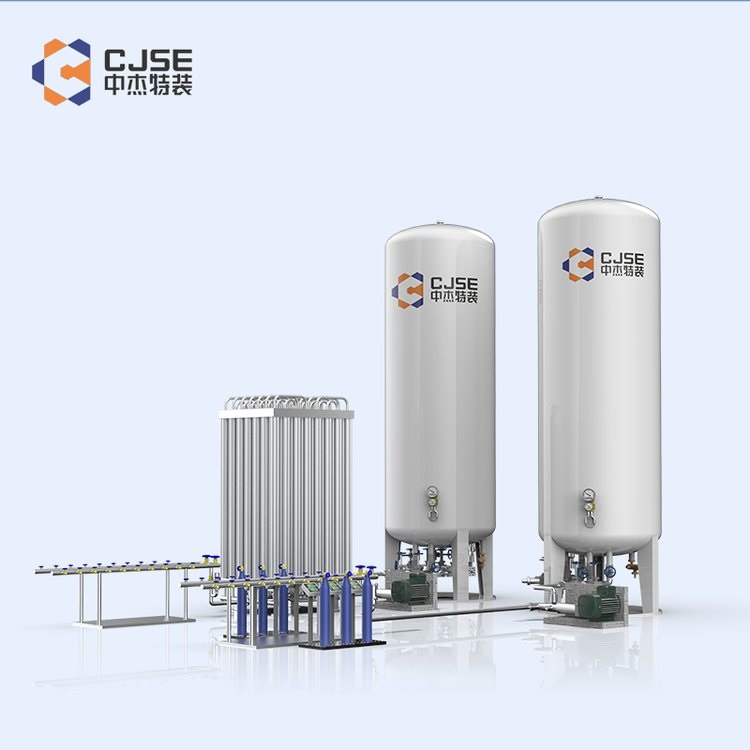
Liquid nitrogen tanks are devices used for storing liquid nitrogen and are widely used in the following fields: Frozen Food and Refrigerated Logistics: Liquid nitrogen tanks are used in the frozen food and refrigerated logistics industry to freeze or refrigerate food and other perishable items, extending their shelf life and maintaining freshness. The low temperature of liquid nitrogen can quickly freeze food, preventing bacterial growth and spoilage. Scientific Research and Laboratories: Liquid nitrogen tanks are used in scientific research and laboratories to provide liquid nitrogen as a coolant and freezing medium. The low temperature of liquid nitrogen can be used for cooling laboratory equipment, material research, superconducting electronics, and low-temperature physics. Metal Processing and Welding: Liquid nitrogen tanks are used in metal processing and welding to cool and control the temperature of metal. Liquid nitrogen can rapidly cool metal, improve its hardness and strength, and reduce deformation and stress. Gas Storage and Supply: Liquid nitrogen tanks are also used for storing and supplying nitrogen gas. Liquid nitrogen can be converted into gaseous nitrogen through evaporation, used in applications such as gas shielded welding, gas fire suppression systems, gas analysis, and laboratory gas supply. In summary, liquid nitrogen tanks are widely applied in the fields of frozen food, laboratory research, metal processing, and gas supply, providing storage and supply functions for liquid nitrogen at application sites.
Shandong Zhongjie Special Equipment, welcome customers to our factory for business discussions.
WeChat Official Account

Scan to follow Official Account



















