


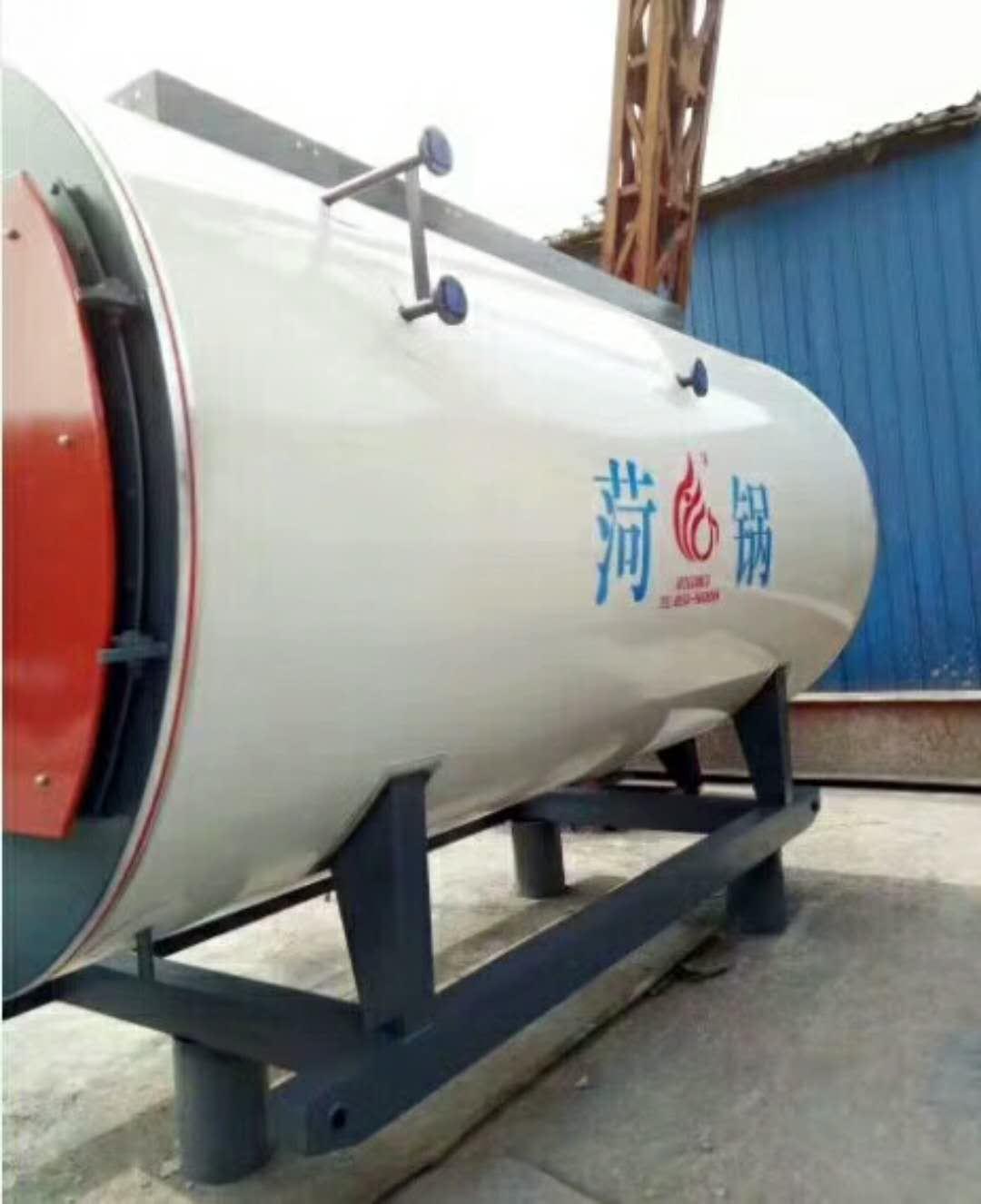



















Shandong Zhongjie Special Equipment (formerly Heze Boiler Factory Co., Ltd.) was established in 2001, located at No. 2218 Jinnan Road, Development Zone, Heze City. With a registered capital of 50 million yuan and total assets of 500 million yuan, the company has 7 business centers: boilers, deep-freezing vessels, pressure vessels, central air conditioning, engineering installation, international trade, and Internet of Things. It has three factory areas on Jinnan Road, East Changjiang Road, and Bohai Road, covering a total of 200,000 square meters, with the main workshop spanning 83,000 square meters. It currently employs 710 people, including 247 engineers and technicians and 82 intermediate-level technicians. In December 2016, it was recognized as a "High-tech Enterprise" by the Science and Technology Department. In June 2021, it was identified as a "Specialized and New Enterprise in Shandong Province" by the Department of Industry and Information Technology. In June 2022, it was recognized as a "Gazelle Enterprise in Shandong Province" and in August 2022, as a "Specialized and New Small Giant Enterprise" by the Ministry of Industry and Information Technology.
Carbon dioxide synthesis is a chemical reaction that utilizes carbon dioxide to create compounds. This process has several applications:
- Fertilizer production: It is an essential raw material for manufacturing fertilizers, and carbon dioxide synthesis offers a sustainable production method. By reacting with carbon dioxide, it can synthesize compounds used in nitrogen fertilizers, such as urea. This approach reduces reliance on fossil fuels used in traditional production methods and decreases greenhouse gas emissions.
- Energy storage: Carbon dioxide synthesis can also serve as a form of energy storage. By reacting carbon dioxide, energy can be stored in the form of chemical bonds. When energy is needed, the reverse reaction can decompose the compounds back into carbon dioxide and, releasing the stored energy.
- Fuel cells: It can act as a clean fuel for fuel cells. By synthesizing carbon dioxide with other compounds and then using them in fuel cells, electricity can be generated, with only water and nitrogen as byproducts, reducing environmental pollution.
- Chemical synthesis: It is an important raw material for many chemical syntheses. Carbon dioxide synthesis can provide a sustainable supply for the chemical industry, used to synthesize other chemicals, such as etc.
The development of carbon dioxide synthesis technology aims to reduce dependence on fossil fuels used in traditional production methods, decrease greenhouse gas emissions, and promote the development of sustainable energy and the chemical industry. However, this technology is still in continuous development and research, requiring further technological breakthroughs and practical verification to achieve large-scale application.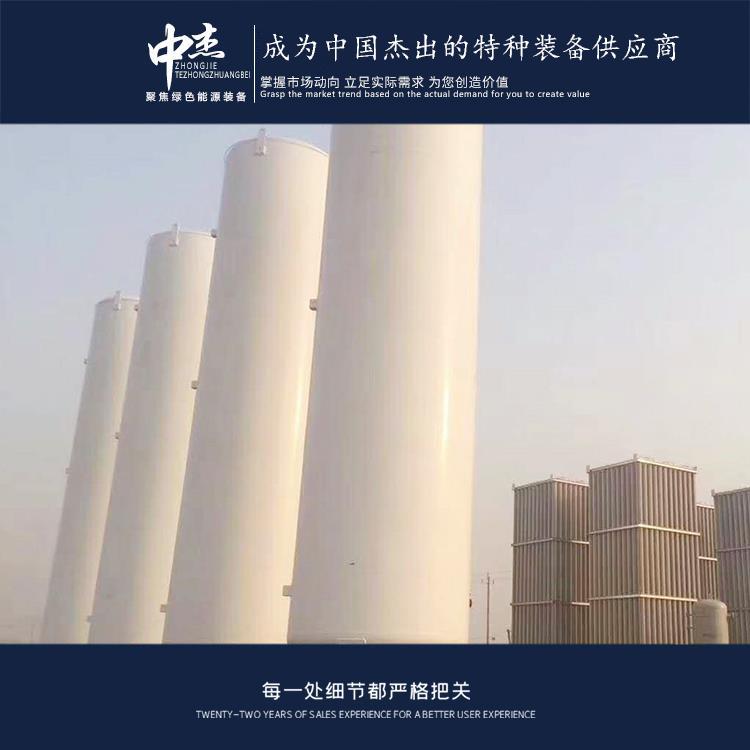
When spraying a CO2 storage tank, attention should be given to the following issues:
- Surface Preparation: Prior to spraying, thorough surface preparation of the tank is mandatory. This includes cleaning the surface, removing oils, dirt, and old coatings to ensure adhesion and quality of the spray.
- Paint Selection: Choosing the appropriate paint for CO2 storage tanks is crucial. The paint should have corrosion-resistant, high-temperature resistance, and chemical resistance properties to protect the tank surface from corrosion and damage.
- Spraying Technique: The selection and operation of the spraying technique are critical for the quality and uniformity of the coating. Appropriate spraying equipment and methods should be chosen to ensure even coverage of the entire tank surface and to avoid paint drips and runs.
- Coating Thickness: The thickness of the coating is crucial for the protection of the tank. The thickness of the coating should be controlled according to the paint requirements and the tank's operating environment to ensure the protective performance and lifespan of the coating.
- Drying and Curing: After the coating is applied, sufficient time must be allowed for drying and curing. Follow the correct drying time and conditions as per the paint requirements to ensure the quality and performance of the coating.
- Safety Measures: Appropriate safety measures must be taken during the spraying process, including wearing protective eyewear, respirators, and protective clothing to ensure the safety of the operators.
- Quality Inspection: After spraying, a quality inspection should be conducted, including the appearance, adhesion, and thickness of the coating. Any issues or defects should be repaired and addressed promptly.
It should be noted that spraying CO2 storage tanks should be carried out by professionals.
Carbon dioxide cylinders are safe when used and maintained correctly, but failure to adhere to safety protocols or improper operation can pose some dangers. Here are some potential hazards associated with carbon dioxide cylinders:
- High Pressure Hazard: Carbon dioxide cylinders are typically used to store high-pressure CO2 gas, thus presenting a high-pressure risk. If the cylinder is damaged, overheated, or over-pressurized, it may explode or leak, causing personal injury and property damage.
- Asphyxiation Hazard: Carbon dioxide is an asphyxiating gas, and high concentrations can displace oxygen in the air, leading to asphyxiation. When using carbon dioxide cylinders in enclosed spaces, ensure adequate ventilation and oxygen supply to avoid asphyxiation risks.
- Freezing Hazard: Liquid CO2 is extremely cold, and contact with it can cause cold injury. Follow proper operational procedures and use appropriate personal protective equipment to prevent cold injury.
- Fire Hazard: Although carbon dioxide itself is not flammable, it can suppress oxygen supply at high concentrations, potentially extinguishing fires. However, if CO2 leaks into the air, it may form flammable mixtures, increasing the risk of fire.
To ensure safety, adhere to the relevant safety operating procedures and guidelines when using carbon dioxide cylinders and receive necessary training. Regularly inspect and maintain the cylinders, following the manufacturer's recommendations and local regulations to reduce potential hazards. In the event of an abnormal situation or leak, take appropriate emergency measures immediately and notify relevant personnel.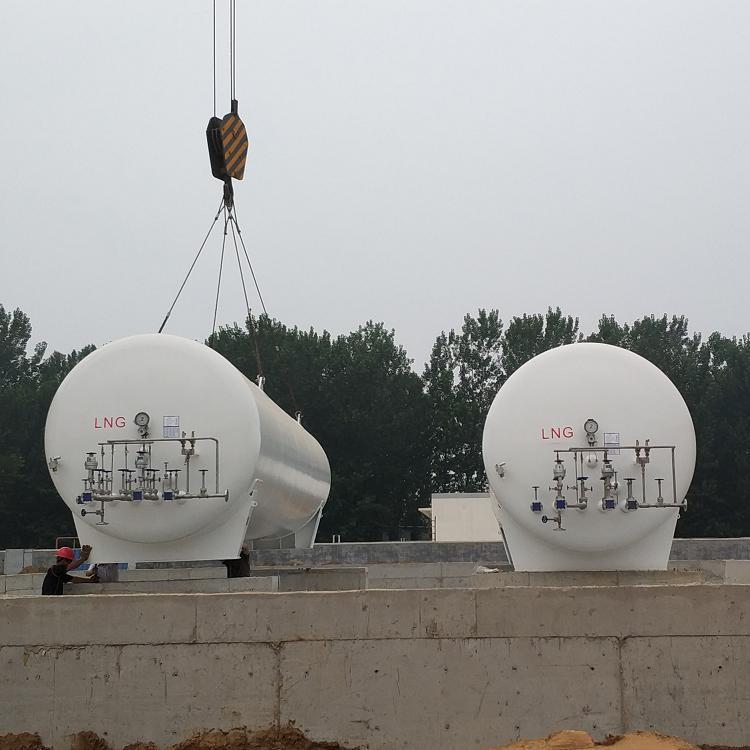
To extend the service life of CO2 storage tanks, the following measures can be taken:
- Regular inspections and maintenance: Periodically check the tank's exterior, lining, valves, and pipe connections to ensure they are intact. Promptly repair or replace any abnormalities or damages found.
- Corrosion prevention: As CO2 is corrosive, both the interior and exterior of the tank should be treated with corrosion prevention measures. Regularly inspect and maintain the integrity and effectiveness of the corrosion-resistant layer or coating.
- Cleaning and draining: Regularly clean the interior of the tank to remove accumulated impurities and sediments. Also, regularly drain the liquid and gas impurities from the tank to maintain cleanliness and normal operation.
- Temperature and pressure control: The tank's temperature and pressure should be controlled within the design limits. Avoid excessive or low temperatures and pressures that could damage the tank.
- Regular testing and calibration: Regularly test and calibrate the tank, including parameters such as liquid level, pressure, and temperature, to ensure accurate and reliable measurement and control systems.
- Adherence to operational procedures: Strictly adhere to operational procedures and safety protocols to ensure normal operation and safety of the tank. Train operators to enhance their operational skills and safety awareness.
- Upgrades and updates: Timely update and upgrade tank accessories and equipment as needed to meet new technological and safety requirements.
- Regular assessment and monitoring: Regularly assess and monitor the tank, including structural integrity, corrosion, and safety aspects. Take appropriate maintenance and repair measures based on assessment results.
These measures can help extend the service life of CO2 storage tanks and ensure their safe and reliable operation.
Our company attaches great importance to technological innovation and R&D design. We have one municipal-level enterprise technology center in Heze City, equipped with testing facilities for non-destructive testing, physical and chemical testing, welding testing, hydrostatic testing, etc. We have over 600 pieces of equipment, including CNC machine tools, X-ray flaw detectors, digital ultrasonic flaw detectors, mechanical property testing machines, chemical analyzers, spectrometers, tensile testing machines, plasma welding machines, and more. The key products and technologies we have developed, such as temperature and pressure vessel welding, biomass boiler emission reduction, and waste heat utilization, have successively been selected for multiple Shandong Provincial Department of Industry and Information Technology science and technology innovation projects, Shandong Provincial key projects, and Heze City innovation and excellence projects. We have accumulated 27 authorized utility models, 16 authorized inventions, participated in drafting 2 standards, 2 industry standards, and registered 15 trademarks. The technical team of our company, in collaboration with Professor Yajiang Li of Shandong University, has developed deep cryogenic container processing technology, using the international plasma arc + wire filling tungsten inert gas arc welding (PAW-GTAW) technology. After being appraised as a provincial-level scientific and technological achievement, the technology level has reached an international standard in the field of deep cryogenic container manufacturing. Choose Zhongjie Special Equipment, and let's create brilliance together!
WeChat Official Account

Scan to follow Official Account



















