


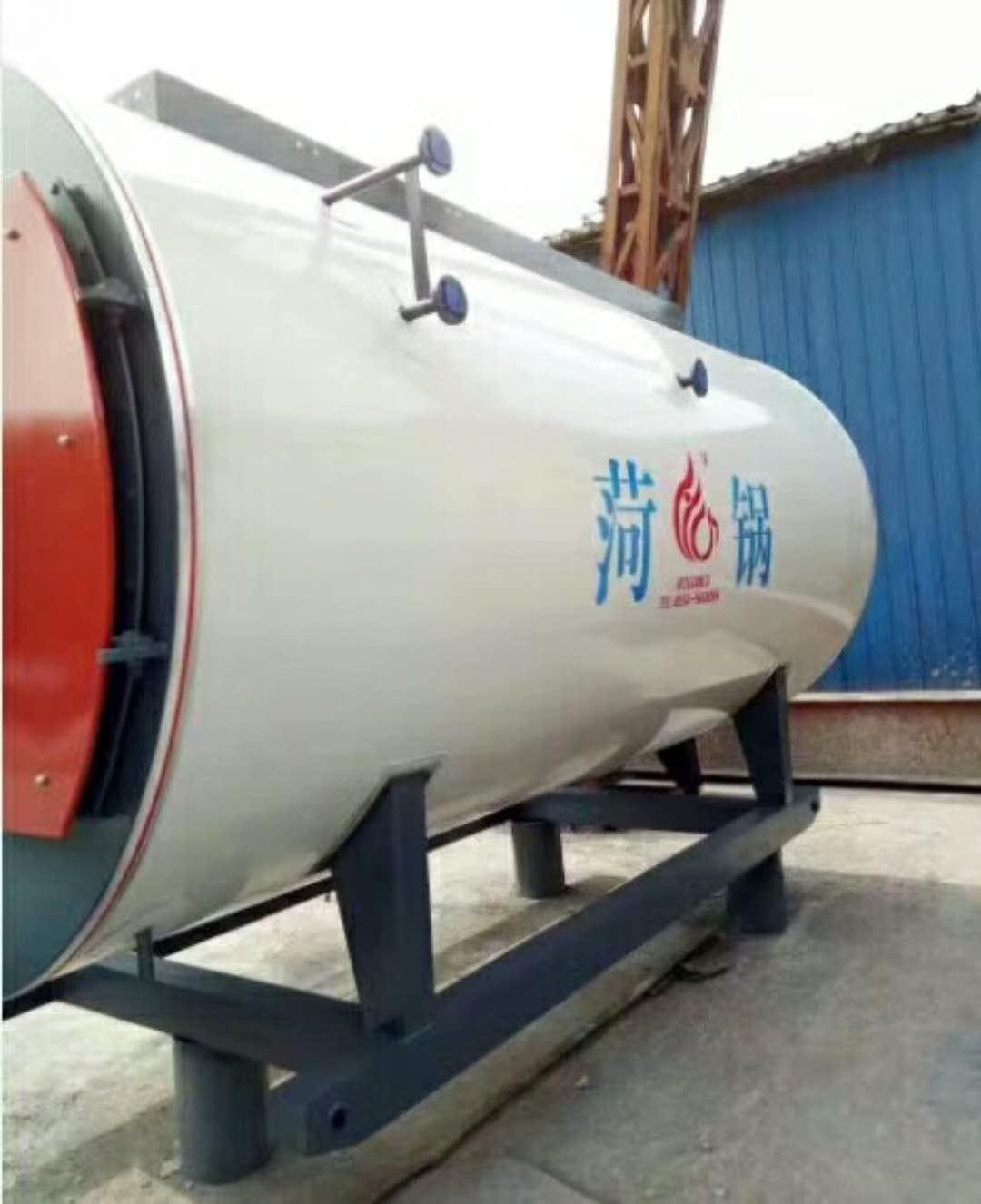

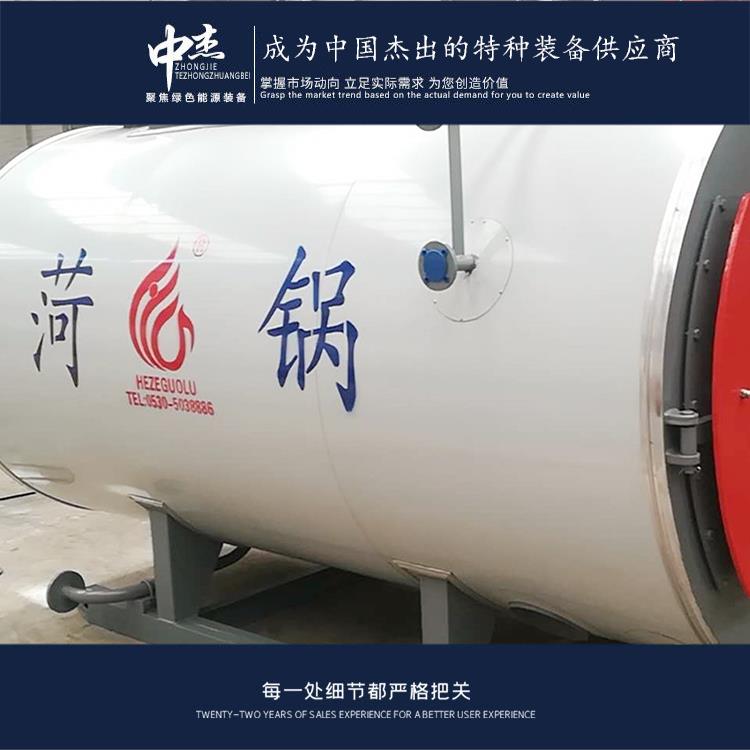
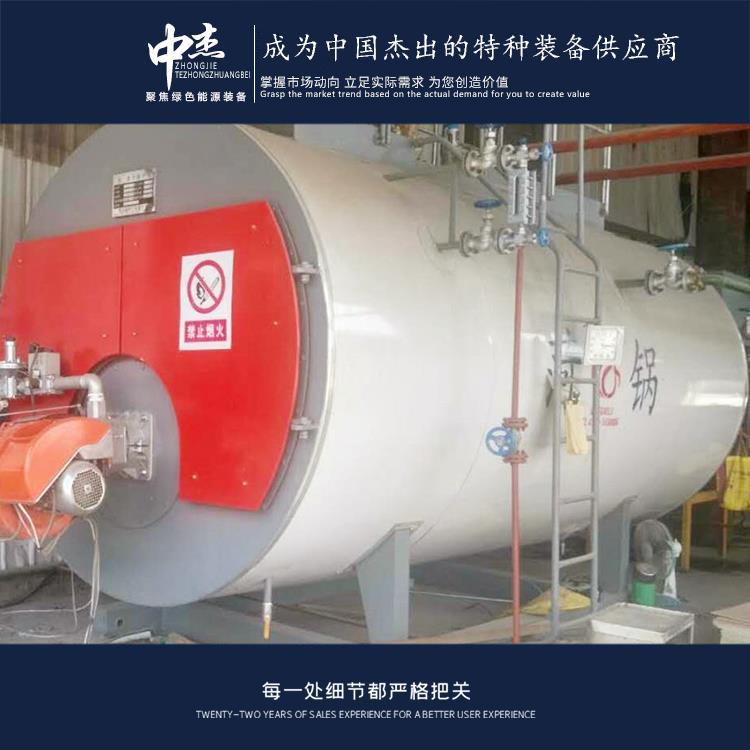


















Shandong Zhongjie Special Equipment specializes in: fuel (gas) boilers, organic heat carrier boilers, biomass boilers, waste heat recovery boilers, and other boiler products; vacuum insulated deep-freeze pressure vessels such as LNG tanks, oxygen-nitrogen-argon tanks, and CO2 tanks; pressure vessel products including denitrification engineering equipment, heat storage and energy storage equipment, and complete chemical equipment; as well as central air conditioning and ventilation equipment such as ground (water) source heat pumps, air source units, water-cooled screw units, and air-cooled modular units. Planned products include large-scale energy centers, LNG transport vehicles, and LNG tank containers, among other green energy equipment.
Possible causes of uneven heat distribution in steam boilers may include the following aspects: Inconsistent combustion: During the combustion process, uneven mixing of fuel and air, or an impractical design and adjustment of the burner, can lead to inconsistent combustion. This results in some areas producing more heat while others produce less. Pipe blockage: The presence of blockages or scaling in the transport pipes of a steam boiler can cause uneven heat transfer. Blockages or scaling hinder steam flow, limiting heat transfer in some areas while allowing better heat transfer in others. Heat exchanger issues: If a steam boiler's heat exchanger has problems such as scaling, corrosion, or blockage, it can lead to uneven heat transfer. These issues affect the heat conduction efficiency of the heat exchanger, impacting heat transfer in some areas. Water level issues: Inaccurate or unstable water level control in a steam boiler can lead to uneven steam production. Both high and low water levels can affect steam production and distribution, causing uneven heat. Boiler load changes: Changes in the boiler load of a steam boiler can also lead to uneven heat distribution. Sudden increases or decreases in load may prevent the boiler from adjusting its heat production and distribution in time, resulting in uneven heat. To address the issue of uneven heat distribution in steam boilers, regular inspection and maintenance of the boiler equipment is necessary to ensure the normal operation of combustion and heat exchange processes. Additionally, the burner and control systems should be adjusted reasonably, water levels should be maintained stable, pipes and heat exchangers should be cleaned, to improve
A condensing steam boiler is an energy-saving boiler equipment, with the following working principle and features:
Working Principle:
- Steam Generation: The condensing steam boiler produces high-temperature flue gas by burning gas, which then exchanges heat with the water pipes inside the boiler, heating the water into steam.
- Steam Condensation: After steam is generated, it enters the condenser where it exchanges heat with the condensing medium (usually cold water or recycled water), releasing heat from the steam and condensing it back into water.
- Flue Gas Reuse: The flue gas after condensation still contains some heat, which can be recovered and reused by the flue gas reuse system to improve the boiler's thermal efficiency.
Features:
- Energy-Saving: By utilizing the principle of steam condensation, the condensing steam boiler makes full use of the heat in the steam, enhancing the thermal energy utilization efficiency and saving energy consumption.
- Low Emissions: Due to the recovery of most heat during the flue gas condensation process, the flue gas temperature is lower, resulting in lower emissions of pollutants and less environmental impact.
- Compact Structure: The condensing steam boiler typically features a compact design, occupying less space, making it suitable for places with limited space.
- Fast Startup: The condensing steam boiler has the characteristics of fast startup and shutdown, allowing for flexible adjustments and operations according to actual needs.
- Wide Application Range: Suitable for heating and steam requirements in industrial production processes, such as power plants, chemical factories, textile mills, etc.
- Maintenance: It is important to note that proper maintenance and regular cleaning of the condenser and flue gas reuse system are necessary to ensure the normal operation and performance of the condensing steam boiler.
Yes, durable thermal oil boilers typically have a longer service life. Here are some reasons: Material Quality: Thermal oil boilers are made with high-quality materials, such as heat-resistant and corrosion-resistant steel and alloy materials. These materials can withstand high temperatures and pressures, offering good durability and corrosion resistance, thereby extending the boiler's lifespan. Design and Manufacturing Process: Durable thermal oil boilers usually employ designs and manufacturing processes that ensure longevity. Rational structural design and precise manufacturing techniques reduce stress concentration and thermal stress, enhancing the boiler's stability and durability. Regular Maintenance and Care: Regular maintenance and care are crucial for extending the life of thermal oil boilers. Regularly cleaning and inspecting the internal pipes, flues, and burners, and promptly replacing worn parts can minimize malfunctions and damage, extending the boiler's lifespan. Proper Operation and Management: Correct operation and management are also vital factors in ensuring the longevity of thermal oil boilers. Operators should follow the operation manual and procedures, avoid overloading and improper operation, and ensure the boiler operates safely and stably. It is important to note that even durable thermal oil boilers require regular inspections and maintenance to ensure proper operation and extend their lifespan. Additionally, the boiler's lifespan is influenced by factors such as the operating environment, load conditions, and operating methods. Therefore, proper use and maintenance are key to ensuring the longevity of thermal oil boilers.
A thermal oil heater is a device that uses thermal oil as a heat medium to transfer heat energy produced by combustion or electric heating to the equipment or process that requires heating. The working principle of a thermal oil heater involves heating the thermal oil to a certain temperature and then circulating it through a pump to the heating equipment or process, transferring the heat energy to the heated object. The thermal oil exchanges heat with the heated object in the heat exchanger, raising the object's temperature while the oil cools down and returns to the furnace for reheating. The heat transfer process of a thermal oil heater primarily relies on the thermal conductivity of the oil. Thermal oil has a high thermal conductivity, enabling rapid transfer of heat energy to the heated object, achieving effective heating. Additionally, thermal oil boasts high thermal stability, allowing stable operation at high temperatures without decomposition or oxidation.
Thermal oil heaters typically consist of the furnace body, combustion system, flue gas system, heat exchanger, circulating pump, and control system. The furnace body is the main part of the thermal oil heater, used to contain the thermal oil and combustion system. The combustion system is responsible for burning fuel to produce heat and heat the thermal oil. The flue gas system is used to exhaust the combustion byproducts. The heat exchanger is the equipment where the thermal oil exchanges heat with the heated object. The circulating pump is in charge of circulating the thermal oil back to the furnace for reheating. The control system monitors and controls the operation of the thermal oil heater to ensure safe and stable operation.
Thermal oil heaters offer high temperature control accuracy, fast heating speed, low energy consumption, and easy operation, and are widely used in industrial fields such as chemicals, textiles, food processing, papermaking, as well as in some specialized heating processes.
Shandong Zhongjie Special Equipment, welcome customers to visit our factory for business discussions.
WeChat Official Account

Scan to follow Official Account



















