


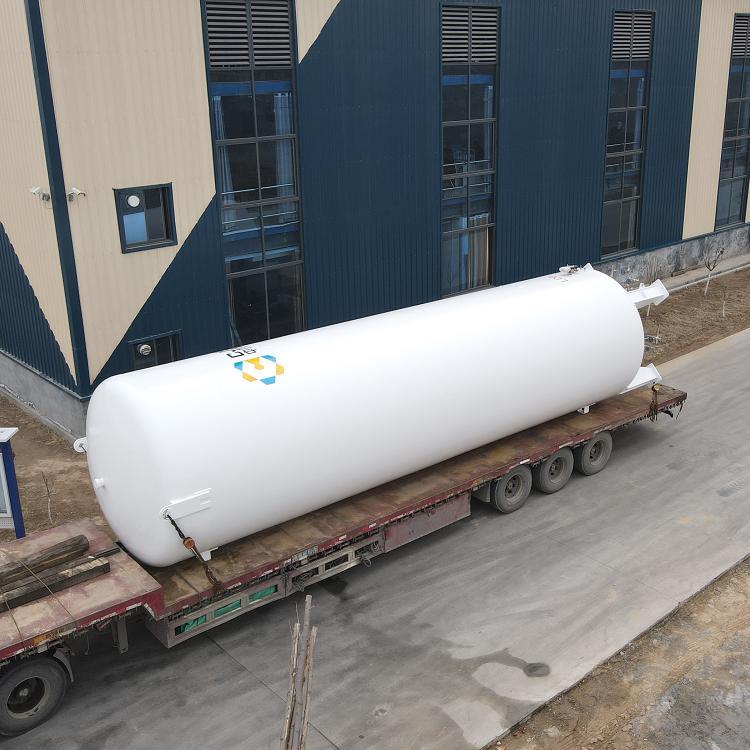

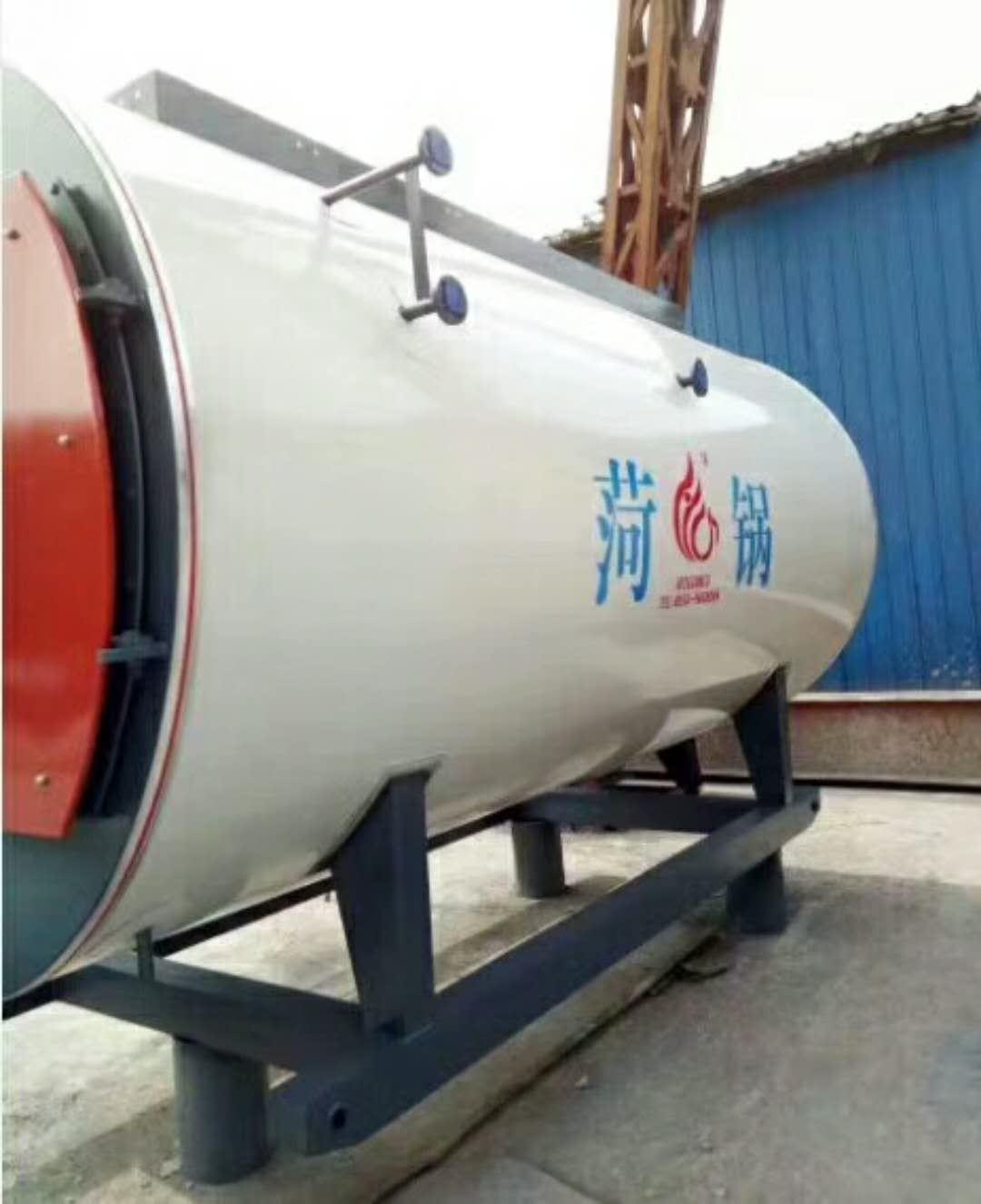


















Shandong Zhongjie Special Equipment (formerly Heze Boiler Factory Co., Ltd.) holds an A-grade boiler manufacturing license, an A2-grade pressure vessel manufacturing license, an A2-grade pressure vessel design license, B-grade boiler installation and GB2, GC2 class pressure pipeline installation licenses, as well as equipment and machinery installation contracting qualifications. It is a member of the China Boiler and Water Treatment Association, the China Chemical Equipment Association, and the理事 member of the Shandong Equipment Manufacturing Association. The company has also passed certifications for the ISO9001 Quality Management System, ISO14001 Environmental Management System, OHSAS18001 Occupational Health and Safety Management System, and the U.S. ASME/U2 certification.
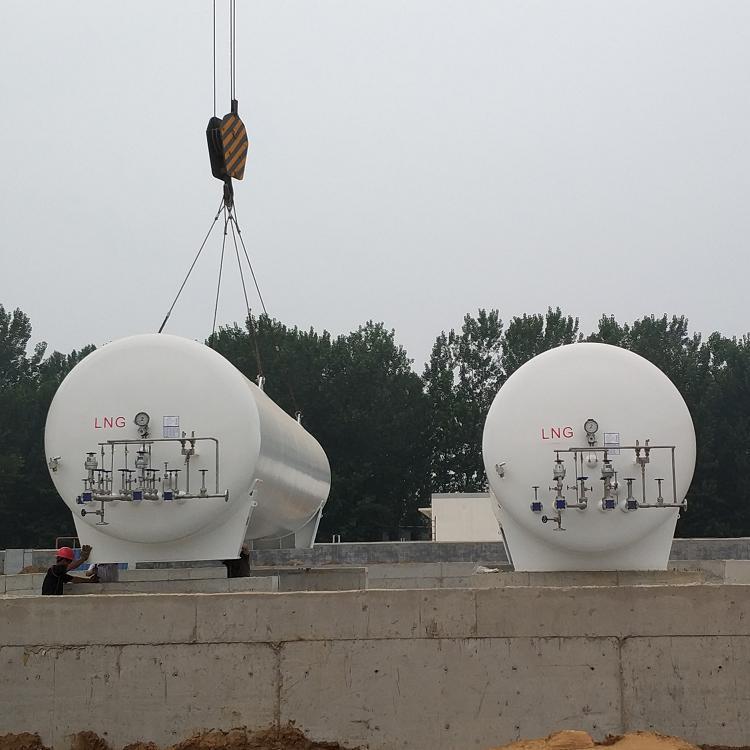
When selecting low-temperature liquefied natural gas (LNG) storage tanks, the following factors should be considered:
Tank Types: Common LNG tank types include vertical fixed-roof tanks, spherical tanks, and horizontal tanks. Select the appropriate tank type based on specific application requirements and site conditions.
Tank Capacity: Determine the tank capacity based on the storage requirements for LNG and the anticipated usage volume. The tank capacity should be sufficient to meet the expected storage duration and supply needs.
Material Selection: LNG tanks typically use low-temperature steel or nickel alloy materials to ensure corrosion resistance and strength in low-temperature environments. Select the appropriate material based on the design pressure and temperature requirements of the tank.
Safety Performance: LNG tanks should have excellent safety performance, including seismic resistance, fire resistance, and leak control capabilities. The tanks must comply with relevant safety standards and regulations, such as API 620, EN 1473, etc.
Maintenance and Inspection: Consider the maintenance and inspection requirements of the tank, including internal cleaning, coating protection, and corrosion prevention measures. The tank design should facilitate maintenance and inspection operations to ensure long-term reliable operation.
Environmental Impact: When selecting LNG tanks, consideration must be given to their impact on the surrounding environment. The layout and design of the tanks should comply with environmental protection requirements, minimizing noise, vibration, and gas emissions, etc.
Cost-Effectiveness: Consider the investment, operation, and lifecycle costs of the tank, selecting one with a favorable cost-performance ratio.
需要注意的是,选型LNG储罐时应遵循相关的和地区的法规、标准和规范。此外,咨询的工程师或储罐制造商,以获取更详细和准确的选型建议。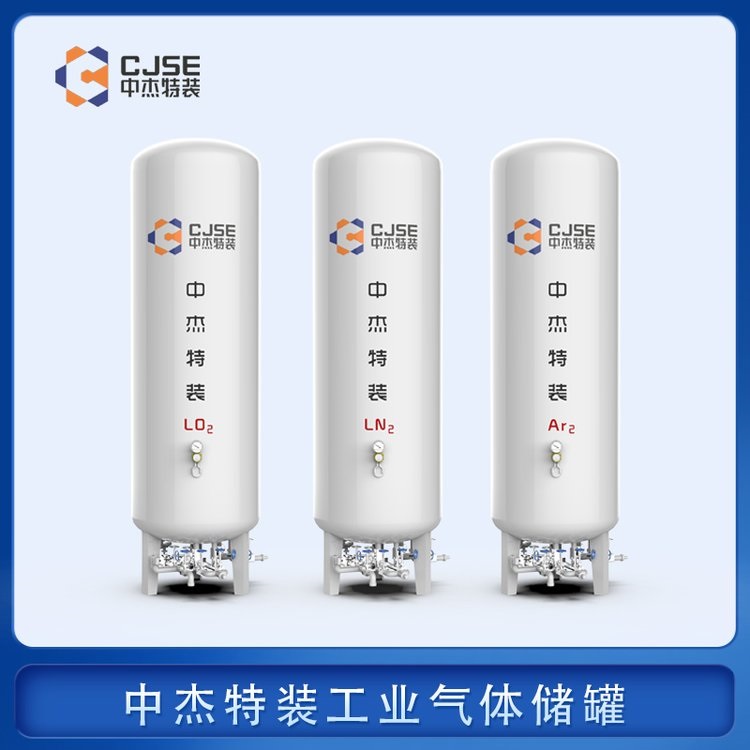
Material control for low-temperature liquid storage tanks is a crucial aspect in ensuring their safety and reliability. The following are some common material control measures:
Material Selection: Choose materials suitable for low-temperature environments, such as low-temperature alloy steel, stainless steel, etc. These materials possess excellent low-temperature resistance and crack resistance, maintaining strength and toughness under low-temperature conditions.
Material Quality Control: Ensure the selected materials meet relevant standards and specifications. Conduct chemical composition analysis, mechanical property tests, and impact tests on the materials to ensure they meet the design requirements.
Welding Material Selection: Choose welding materials suitable for low-temperature environments, such as low-temperature welding rods or welding wires. The welding materials should match the storage tank material, offering good welding properties and crack resistance.
Welding Process Control: Monitor welding process parameters such as current, voltage, and speed to ensure the quality and reliability of the weld joints. Low heat input welding methods like pulsed welding and laser welding can reduce the temperature gradient and residual stress in the heat-affected zone.
Corrosion Protection Measures: Apply corrosion-resistant treatments to the internal and external metal surfaces of the storage tank to extend its service life. Options include corrosion-resistant coatings and paints to safeguard the metal structure of the tank against corrosion.
Material Performance Monitoring: Regularly conduct performance monitoring of the tank materials, such as mechanical property tests,
The spacing regulations between liquid oxygen storage tanks are typically governed by relevant safety standards and specifications to ensure safe distances and fire separations between the tanks. Below is a reference to general spacing rules for liquid oxygen storage tanks:
Horizontal spacing between tanks: The horizontal spacing between liquid oxygen tanks is generally required to maintain a certain distance to prevent thermal conduction and mutual influence between tanks. The specific spacing distance should be determined based on factors such as tank capacity, pressure, and arrangement, with a general recommendation to maintain a safe distance to ensure safe operation and maintenance between tanks.
Tank and building or other facility spacing: The spacing between liquid oxygen tanks and buildings or other facilities must also comply with relevant safety requirements. This is to prevent the tanks from causing danger to surrounding buildings or facilities in the event of a leak or accident. Specific spacing requirements will be determined based on factors such as the tank's capacity, pressure, and surrounding environment, with a general recommendation to maintain a safe distance.
Fire protection spacing: It is crucial to maintain adequate fire protection spacing between liquid oxygen storage tanks and between the tanks and buildings. Liquid oxygen has a high oxygen content and flammability, and in the event of a leak or accident, it can ignite fires. Therefore, liquid oxygen storage tanks must be kept at a safe distance from other facilities to prevent fire spread or pose a danger to the surrounding environment.
It's important to note that specific liquid oxygen tank spacing regulations may vary by region or industry. When designing, arranging, and operating liquid oxygen tanks, adhere to local safety standards and regulations, and consult with experts for accurate guidance.
Oxygen storage tanks and liquid oxygen storage tanks are devices used for storing oxygen, but they have some distinctions: Storage Form: Oxygen storage tanks are typically used for storing gaseous oxygen, whereas liquid oxygen storage tanks are for storing liquid oxygen. Oxygen is in a gaseous state at room temperature but is cooled to a liquid state at low temperatures for more efficient storage and use. Storage Pressure: Oxygen storage tanks usually store high-pressure oxygen, with pressures generally around 200-300 bar. Liquid oxygen storage tanks store liquid oxygen at lower pressures, typically around 2-5 bar. Storage Capacity: Oxygen storage tanks generally have smaller capacities, suitable for personal or small-scale use. Liquid oxygen storage tanks have larger capacities, suitable for industrial or large-scale applications. Storage Method: Oxygen storage tanks store oxygen in a gaseous form, through compressed gas storage. Liquid oxygen storage tanks store oxygen in a liquid form, by cooling it to temperatures below its boiling point to convert it to a liquid. Safety Requirements: Due to the highly oxidizing nature of liquid oxygen, liquid oxygen storage tanks require stricter safety requirements in design and use. Liquid oxygen storage tanks usually need to have good thermal insulation, leak control, and fire prevention measures to ensure safe operation. It should be noted that the specific design and specifications of oxygen storage tanks and liquid oxygen storage tanks may vary due to different regions and application sites. When using these tanks, it is necessary to follow applicable regulations, standards, and safety guidelines, and to cooperate with local regulatory authorities and personnel to ensure the safety and reliability of the tanks.
Zhongjie Special Equipment upholds the great vision of "realizing employees' dreams, creating value for customers, and striving for the prosperity and strength of our motherland," and is dedicated to the development of the green energy equipment industry. We offer society products and services with high cost-performance!
WeChat Official Account

Scan to follow Official Account



















