


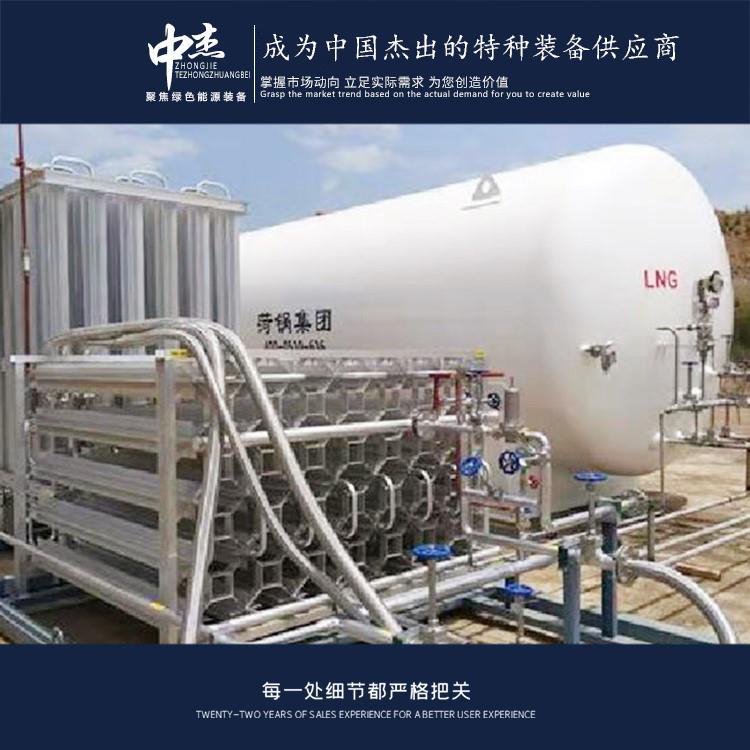

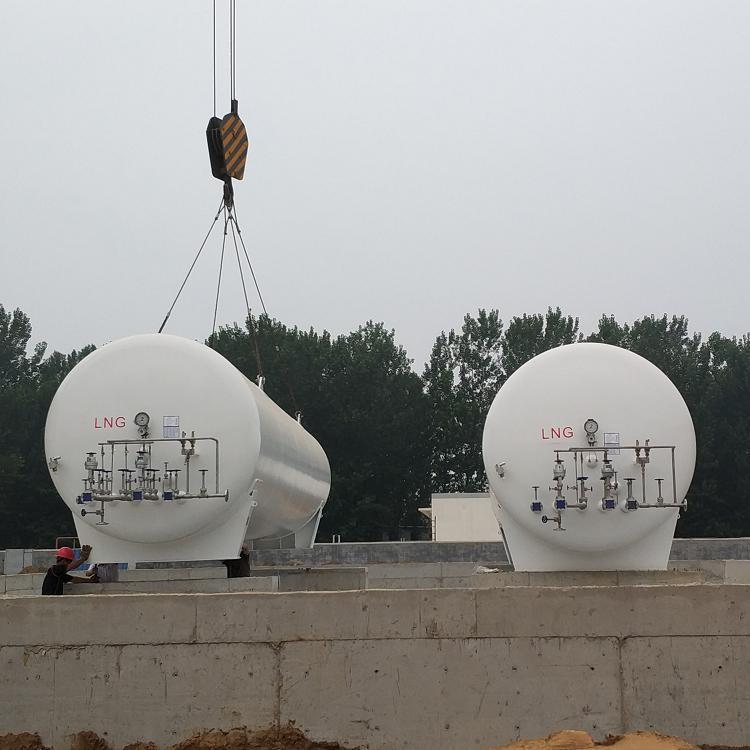
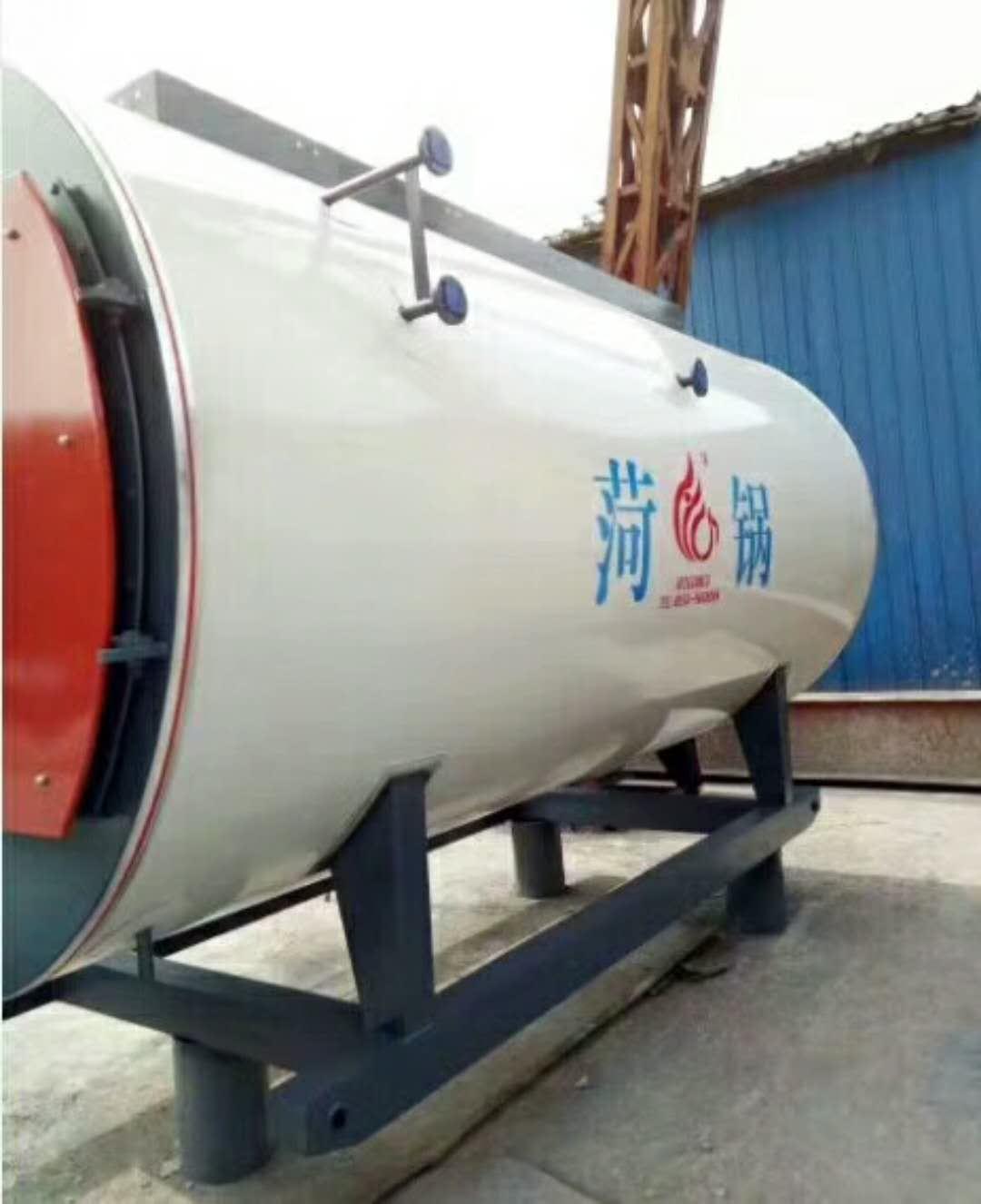


















Shandong Zhongjie Special Equipment's main products include: fuel (gas) boilers, organic heat carrier boilers, biomass boilers, waste heat boilers, and other boiler products; vacuum insulation cryogenic pressure vessels such as LNG tanks, oxygen/nitrogen/argon tanks, CO2 tanks; pressure vessel products such as denitrification engineering equipment, heat storage and energy storage equipment, and complete chemical equipment; central air conditioning and HVAC equipment like ground (water) source heat pumps, air source units, water-cooled screw units, and air-cooled modular units. Planned products include large-scale energy centers, LNG transport vehicles, LNG tank containers, and other green energy equipment.
When handling CO2 storage tanks, static electricity is a safety issue that needs attention. Here are some methods to avoid static electricity:
- Grounding: Ensure that the tank and related equipment are properly grounded. Grounding releases static electricity to the ground, reducing the likelihood of static buildup. Use specialized grounding devices and grounding wires to ensure reliable grounding.
- Antistatic Equipment: Use antistatic equipment such as antistatic clothing, shoes, and gloves. These devices help eliminate or reduce static buildup and protect the safety of operators.
- Avoid Friction: Prevent friction during operation, especially when in contact with flammable or combustible gases. Friction generates static electricity, increasing the risk of fire or explosion.
- Control Humidity: Maintain an appropriate humidity level in the operating environment; higher humidity can reduce the generation and accumulation of static electricity. Use humidifiers or other humidity control devices to adjust the environmental humidity.
- Avoid Plastic or Rubber Materials: Plastic and rubber materials are prone to static electricity; try to avoid using these materials during operation. Choose materials with good antistatic properties for operation.
- Static Eliminators: Use static eliminators to eliminate or reduce static buildup. Static eliminators neutralize static electricity by releasing charges, reducing the danger of static.
- Tank Cleaning: Regularly clean the interior of the tank to remove accumulated impurities and dirt. Be cautious to prevent the generation and accumulation of static electricity during the cleaning process.
Note that the methods to avoid static electricity should be determined based on the specific operating environment and tank characteristics. During operation, follow relevant safety regulations and standards, and consult with experts as needed.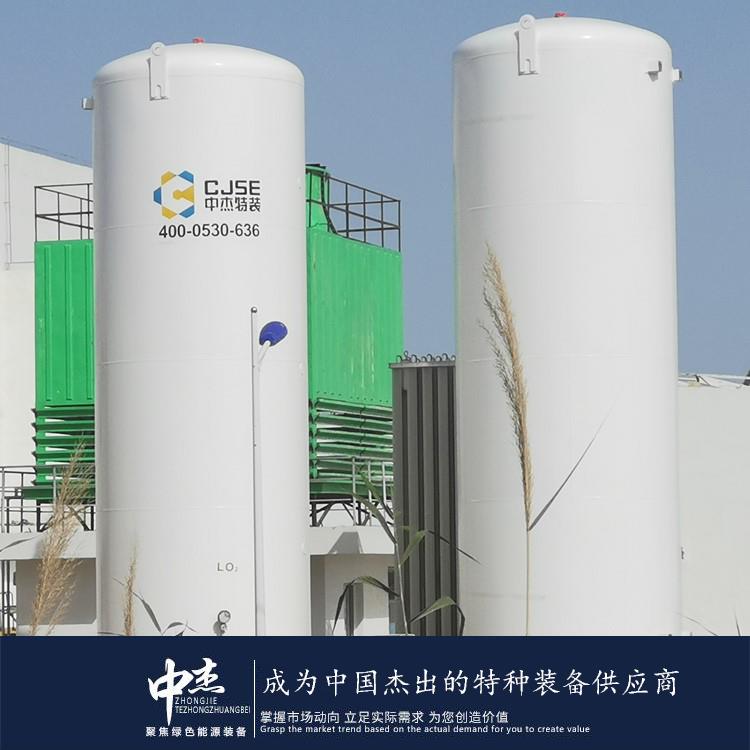
Carbon dioxide tanks possess the following characteristics:
- High-pressure Vessel: Carbon dioxide tanks are typically designed as high-pressure vessels, capable of withstanding high pressures. This is because carbon dioxide requires high pressure at room temperature to maintain its liquid state.
- High Oxidizing Property: Carbon dioxide has a high oxidizing property and can support combustion. Therefore, when handling and storing carbon dioxide, precautions must be taken to prevent contact to avoid fire and explosion risks.
- Low-Temperature Storage: Carbon dioxide is in a gaseous state at room temperature but can be compressed into a liquid at lower temperatures. Consequently, carbon dioxide tanks usually need to have good insulation properties to maintain the low-temperature state of the stored liquid carbon dioxide.
- High Density: Liquid carbon dioxide has a high density, allowing for the storage of large amounts of carbon dioxide in a relatively small volume. This makes carbon dioxide tanks useful in scenarios requiring substantial carbon dioxide supply.
- Safety Valve and Pressure Control: To ensure the internal pressure of the tank remains within a safe range, carbon dioxide tanks are usually equipped with safety valves and pressure control devices. These devices monitor and control the internal pressure of the tank to prevent excessive pressure from causing the tank to burst.
- Corrosiveness: Carbon dioxide has some degree of corrosiveness, especially in high-humidity environments. Therefore, the materials and corrosion prevention measures of the tank need to consider the corrosiveness of carbon dioxide to ensure the tank's durability and safety.
These characteristics make carbon dioxide tanks widely applicable in many industries, such as the food and beverage industry, manufacturing, fire suppression, and the gas industry. When using carbon dioxide tanks, it is necessary to follow relevant safety operating procedures and standards to ensure the safety of operations.
Under China's "Regulations for the Safety Supervision of Pressure Vessel Technology," carbon dioxide storage tanks are classified as Category II pressure vessels. According to these regulations, pressure vessels are categorized as follows:
- Category I pressure vessels: Those with working pressures of 10 MPa (megapascals) or higher, such as steam boilers and pressure vessels.
- Category II pressure vessels: Those with working pressures of 0.1 MPa or higher but less than 10 MPa, such as air compressors and liquefied gas storage tanks.
- Category III pressure vessels: Those with working pressures of 0.05 MPa or higher but less than 0.1 MPa, such as storage tanks.
- Category IV pressure vessels: Those with working pressures below 0.05 MPa, such as gas cylinders.
Based on this classification, carbon dioxide storage tanks typically operate at pressures above 0.1 MPa, thus falling under Category II pressure vessels. It's important to note that specific classification criteria may vary by region or jurisdiction due to different laws and standards. When using and managing carbon dioxide storage tanks, it is essential to comply with the relevant regulations and standards.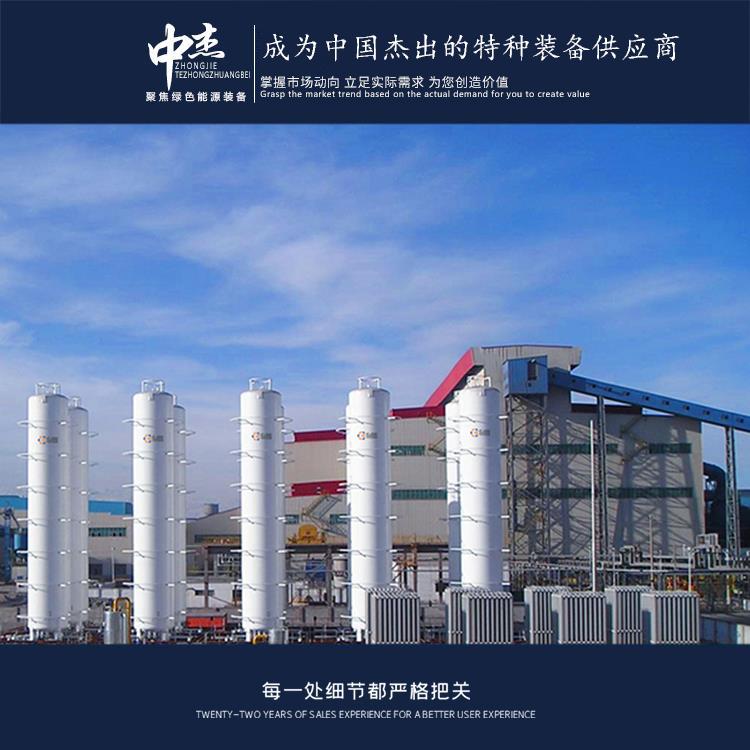
In the event of a CO2 cylinder leak, immediate action should be taken as follows: Ensure personnel safety: First, ensure that people evacuate the leak area quickly and move away from any potential dangers. If necessary, use appropriate personal protective equipment, such as respirators and protective suits. Cut off the gas source: As soon as possible, shut off the CO2 supply source to stop further leakage. Close related valves or switches, or disconnect from the cylinder. Prevent ignition sources: Ensure there are no open flames or other potential heat sources that could cause a fire in the leak area. If there is a fire risk, take appropriate fire-fighting measures immediately. Ventilation: Activate ventilation equipment to increase air circulation, which helps dilute and expel the leaked CO2 gas. Ensure that ventilation equipment is functioning properly and that the ventilation system does not introduce CO2 gas into other areas. Seal the leak point: If possible, attempt to seal the leak point using suitable materials or methods to reduce or stop the leakage. This may require assistance from personnel. Notify relevant departments: Report the leak situation to the relevant emergency, environmental protection departments, or related agencies promptly and follow their instructions. Please note that handling a CO2 cylinder leak is a dangerous task and should be performed by trained and experienced personnel. Always adhere to relevant safety operating procedures and guidelines during the process.
Zhongjie Special Equipment upholds the grand vision of "realizing employees' dreams, creating value for customers, and striving for the prosperity and strength of our motherland," and is dedicated to the development of the green energy equipment industry. We commit to society with high-quality products and services at competitive prices!
WeChat Official Account

Scan to follow Official Account



















