


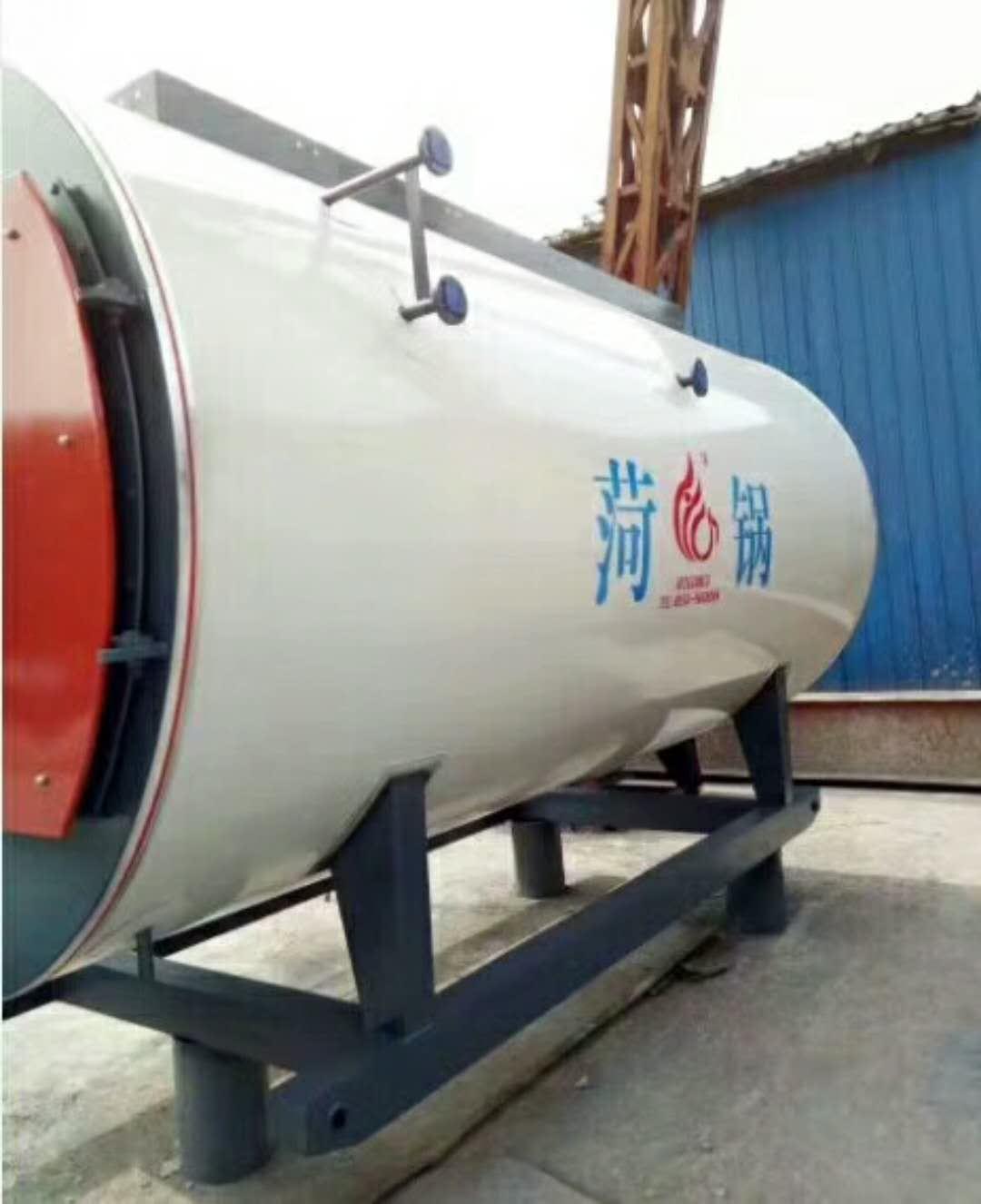

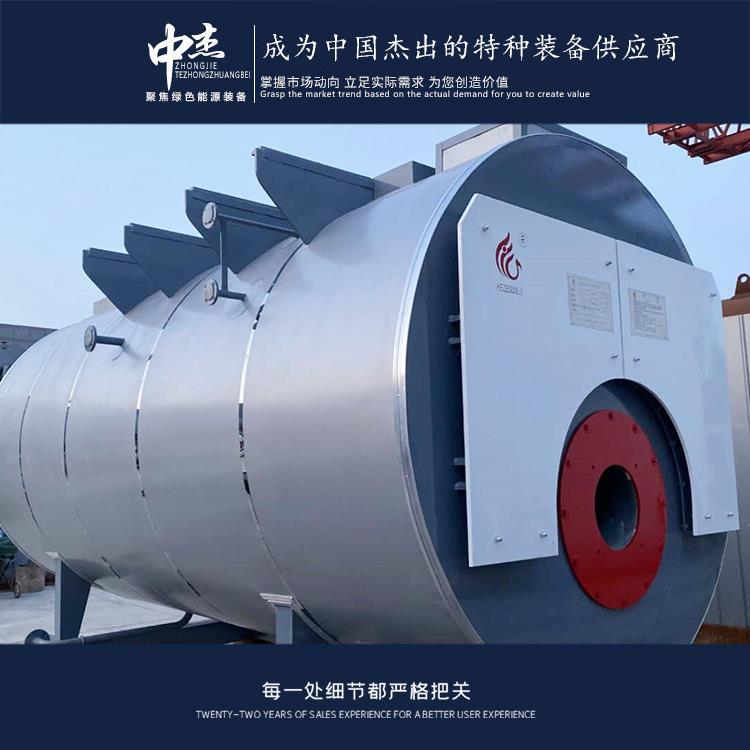


















Shandong Zhongjie Special Equipment (formerly Heze Boiler Factory Co., Ltd.) holds an A-grade boiler manufacturing license, an A2-grade pressure vessel manufacturing license, an A2-grade pressure vessel design license, a B-grade boiler installation license, and GB2/Class, GC2/Class pressure pipeline installation licenses, as well as an electromechanical equipment installation contracting qualification. It is a member of the China Boiler and Water Treatment Association, the China Chemical Equipment Association, and the council member of the Shandong Equipment Manufacturing Association. The company has also passed certifications for the ISO9001 Quality Management System, ISO14001 Environmental Management System, OHSAS18001 Occupational Health and Safety Management System, and the American ASME/U2 certification.
During the operation of a thermal oil furnace, several important matters should be noted:
- Temperature Control: During the operation of the thermal oil furnace, it is crucial to closely monitor and control the temperature of the thermal oil. Ensure the temperature remains within a safe range to avoid decomposition of the oil at high temperatures or condensation and scaling at low temperatures. Regularly inspect and calibrate the temperature sensors to ensure accurate temperature readings.
- Pressure Control: Maintain an appropriate working pressure during the operation of the thermal oil furnace. Excessive pressure can lead to equipment damage or leaks, while insufficient pressure can reduce heat transfer efficiency. Regularly inspect and maintain the pressure gauge and safety valve to ensure accurate and safe pressure control.
- Oil Quality and Cleanliness: The quality and cleanliness of the thermal oil are vital for the normal operation of the furnace. Regularly inspect and replace the thermal oil to ensure it meets quality and performance requirements. Regularly clean and maintain heat exchangers, burners, and flues to prevent the accumulation of dust and dirt, which can affect heat transfer efficiency.
- Regular Maintenance and Inspection: Regular maintenance and inspections are necessary for the thermal oil furnace to ensure proper operation and extend its lifespan. Regularly inspect and clean burners, flues, and heat exchangers; check and replace seals and valves; inspect and calibrate safety devices to ensure equipment safety and reliability.
- Safe Operation: Strict adherence to operational procedures and safety protocols is required during the operation of the thermal oil furnace. Operators must possess the relevant skills and knowledge.
The decline in the consumption of thermal oil boilers can be attributed to several factors:
- Combustion Technology: Modern thermal oil boilers utilize advanced combustion technologies, such as premixed combustion and afterburning, which ensure complete fuel combustion, enhance energy utilization, and reduce energy consumption.
- Heat Recovery: Thermal oil boilers often generate a significant amount of excess heat during flue gas emissions. By employing heat recovery systems like flue gas heat recovery boilers or flue gas heat exchangers, the excess heat in flue gases can be recovered and utilized, improving energy efficiency and reducing consumption.
- Intelligent Control Systems: Modern thermal oil boilers are equipped with intelligent control systems capable of real-time monitoring and adjustment of operating parameters such as temperature, pressure, and flow rate. This control and adjustment ensure optimal boiler operation, avoiding unnecessary energy waste and loss.
- Energy-saving Retrofitting and Optimization: For older thermal oil boilers, energy-saving retrofitting and optimization can be performed. This includes installing energy-saving equipment like variable-frequency drives and modified burners to enhance energy efficiency. Additionally, optimizing the boiler system, such as improving pipe insulation and reducing leaks, can further reduce energy loss.
- Energy Management and Maintenance: Effective energy management and regular equipment maintenance are crucial factors in reducing energy consumption. Through reasonable energy management measures, such as energy monitoring, metering, and fostering energy-saving awareness, issues of energy waste can be identified and addressed. Regular equipment maintenance ensures smooth operation and prevents unnecessary energy loss.
In summary, the decline in consumption of thermal oil boilers can be achieved through combustion technology, heat recovery, intelligent control, energy-saving retrofitting, and effective energy management.
High exhaust gas temperature in thermal oil boilers may be due to several reasons: Incomplete combustion: If fuel is not fully combusted in the boiler's combustion process, it results in a large amount of unburned fuel and harmful substances in the flue gas, raising the exhaust gas temperature. Possible causes include insufficient fuel supply, incorrect burner adjustment, or wear on the burner. Excessive air: Excess air can lower the combustion temperature, making it insufficient to reduce the flue gas temperature to a reasonable level. Reasons for excessive air may include incorrect burner adjustment or overly wide opening of the air damper. Flue blockage: Accumulated ash,焦炭, or other impurities blocking the flue can hinder the flow of flue gas, increasing its residence time and thus raising the exhaust gas temperature. Abnormal thermal oil flow: Abnormal flow of thermal oil, either too high or too low, can lead to uneven heat transfer, increasing the flue gas temperature. Overheating of the boiler: Improper temperature control in the thermal oil boiler can lead to overheating, increasing the flue gas temperature. Design issues: Design problems in the boiler, such as a narrow flue or poor flue gas flow, may also cause high exhaust gas temperatures. To resolve high exhaust gas temperatures, a comprehensive inspection and analysis of the thermal oil boiler is required. Solutions can include adjusting burner parameters, cleaning the flue, checking thermal oil flow and temperature control. In severe cases, boiler system modifications or repairs may be necessary. Additionally, regular maintenance and inspections are crucial for preventing high exhaust gas temperatures.
When selecting a thermal oil heater for the rubber industry, pay attention to the following aspects:
Temperature requirements: Determine the required working temperature range based on the process needs of the rubber industry. Ensure that the thermal oil heater can stably provide the required working temperature.
Heat load: Calculate the required heat load based on the production scale and process requirements of the rubber industry. Ensure that the heat load of the thermal oil heater meets the needs of the rubber industry.
Thermal efficiency: The thermal efficiency of the thermal oil heater directly affects energy consumption and operating costs. Consider the thermal efficiency when choosing a thermal oil heater and opt for energy-saving products.
Safety: The safety of the thermal oil heater is crucial. Choose a heater with comprehensive safety protection devices and an automatic control system to ensure safe and reliable operation.
Maintenance: Proper maintenance is vital for extending the lifespan and ensuring normal operation of the thermal oil heater. Consider the ease and cost of maintenance when selecting a thermal oil heater.
Manufacturer's reputation: Choose a thermal oil heater manufacturer with a good reputation and extensive experience to ensure the reliability of product quality and after-sales service.
Cost-effectiveness: Consider the price, energy consumption, and maintenance costs of the thermal oil heater, among other factors, and choose a product with good cost-effectiveness.
When purchasing a thermal oil heater, it is recommended to consult and communicate with heating equipment suppliers or engineers, select based on specific needs, and adhere to relevant industry standards and regulations.
Our company attaches great importance to technological innovation and R&D design. We have one municipal-level enterprise technology center in Heze City, equipped with testing facilities for non-destructive testing, physical and chemical testing, welding testing, hydrostatic testing, etc. We have over 600 various equipment and instruments, including CNC machine tools, X-ray flaw detectors, digital ultrasonic flaw detectors, mechanical property testing machines, chemical analyzers, spectrometers, tensile testing machines, plasma welding machines, and more. Our key products and technologies such as temperature-pressure vessels welding, biomass boiler emissions reduction, and waste heat recovery have successively entered multiple Shandong Provincial Department of Industry and Information Technology innovation projects, Shandong key projects, and Heze City innovation and excellence projects. We have accumulated a total of 27 authorized utility models, 16 authorized inventions, participated in drafting 2 standards, 2 industry standards, and registered 15 trademarks. The deep cryogenic container processing technology jointly developed by our technical team and Professor Yajiang Li of Shandong University, using the international plasma arc + wire filling argon arc welding (PAW-GTAW) technology, has been appraised as an international-level technology in the field of deep cryogenic container manufacturing at the provincial level.
Choose JETSTAR, join hands to create brilliance together!
WeChat Official Account

Scan to follow Official Account



















