


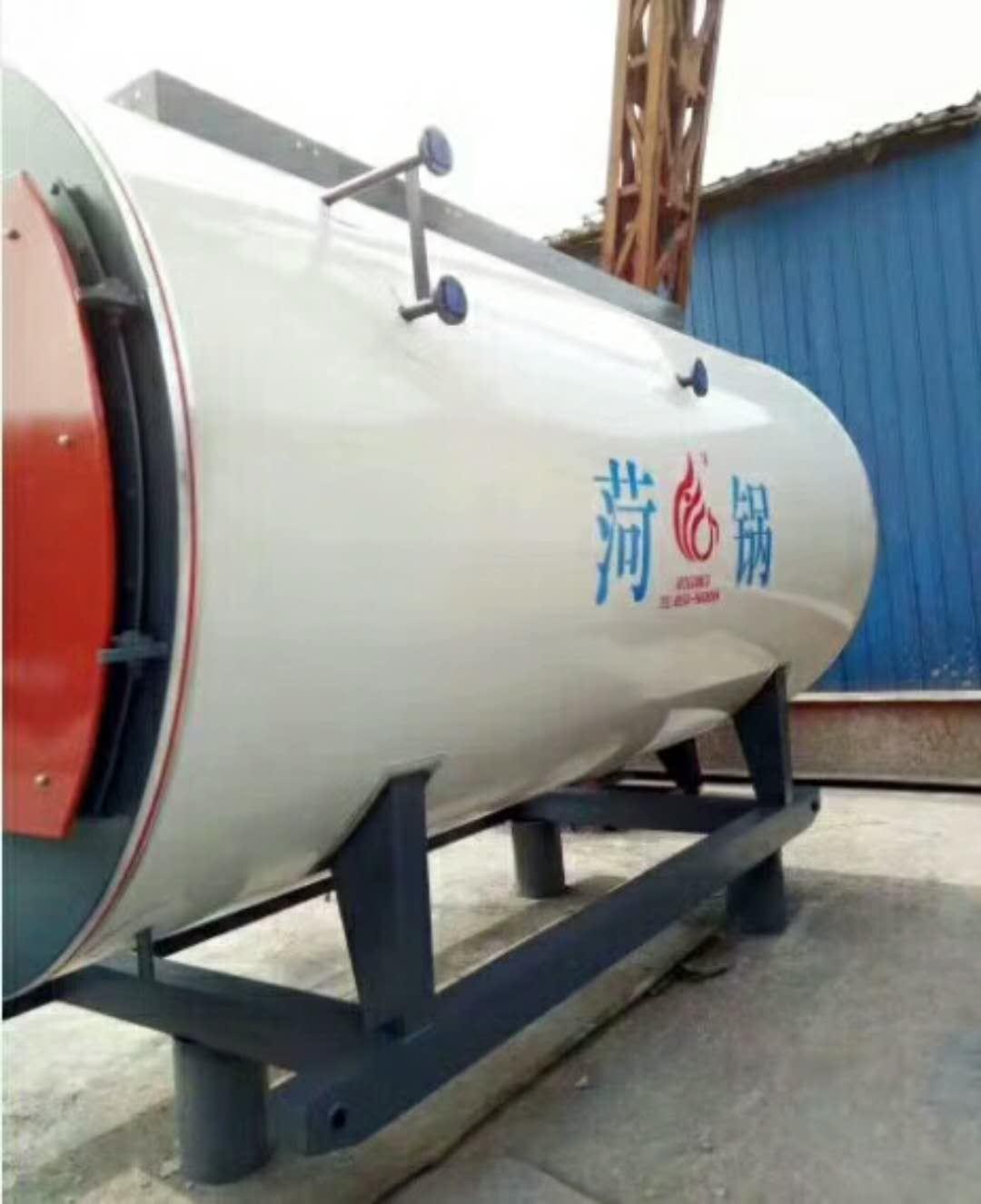

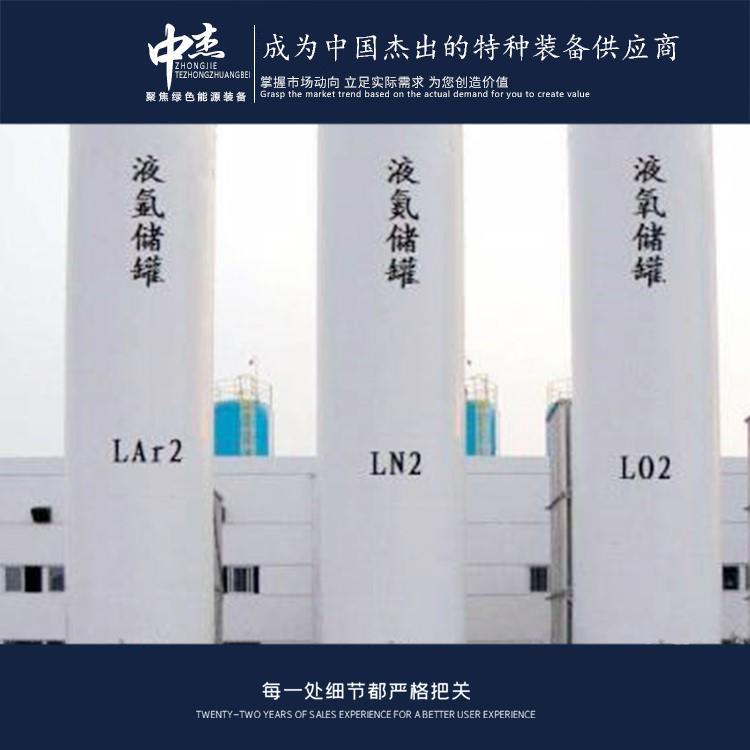
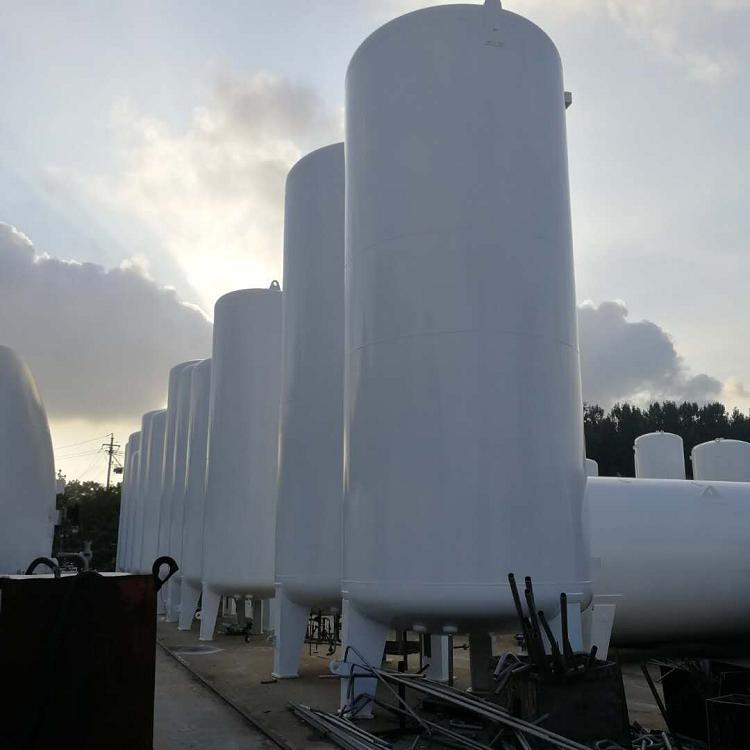


















Shandong Zhongjie Special Equipment (formerly Heze Boiler Factory Co., Ltd.) holds an A-grade boiler manufacturing license, an A2-grade pressure vessel manufacturing license, an A2-grade pressure vessel design license, B-grade boiler installation, and GB2 and GC2 class pressure pipeline installation licenses, as well as a qualification for electromechanical equipment installation contracts. It is a member of the China Boiler and Water Treatment Association, the China Chemical Equipment Association, and a director unit of the Shandong Equipment Manufacturing Association. The company has also passed certifications for the ISO9001 Quality Management System, ISO14001 Environmental Management System, OHSAS18001 Occupational Health and Safety Management System, and the American ASME/U2 certification.
When storing carbon dioxide tanks, the following requirements must be followed to ensure safety and effectiveness:
Ventilation: Tanks should be stored in well-ventilated areas to prevent the accumulation of carbon dioxide gas. Ensure there is sufficient air circulation around the tank to avoid gas buildup and asphyxiation risks.
Fire and Explosion Prevention: Keep tanks away from fire sources, high-temperature areas, and flammable materials. Avoid open flame operations near the tank to prevent fire and explosion risks.
Sunlight Avoidance: Store tanks in a location shielded from direct sunlight to prevent overheating and pressure increase. Direct sunlight can raise tank temperatures, increasing the risk of leaks and explosions.
Mechanical Damage Prevention: Keep tanks away from machinery and heavy objects to avoid collisions and damage. Mechanical damage can lead to tank leaks or ruptures, causing safety hazards.
Labeling and Warning Signs: Clearly label tanks with information such as the type of gas stored and pressure. Set up warning signs around the tanks to remind personnel of their presence and related safety precautions.
Regular Inspections: Conduct regular inspections of the tank's exterior, valves, and connections to ensure they are intact. Take prompt corrective action if any abnormalities are found.
Storage Capacity Control: Control the storage capacity of the tank to avoid exceeding the rated capacity. Overfilling can lead to excessive tank pressure, increasing safety risks.
Storage Records: Keep records of the tank's usage, including filling dates, quantities, and inspection records. Regularly inspect and maintain the tank, and retain relevant records.
Note that specific storage requirements may vary depending on tank type and application. When storing carbon dioxide tanks, operate according to relevant regulations and standards, and consult with experts to ensure safety and effectiveness.
Carbon dioxide tanks are widely used in numerous industries. Here are some common applications:
Food and Beverage Industry: Carbon dioxide tanks are used in the production process of carbonated beverages, beer, soda, etc. in the food and beverage industry. Carbon dioxide is infused into the drinks to enhance their fizz and taste.
Industry: Carbon dioxide tanks are used in applications such as anesthesia, respiration, and emergency care. Liquid carbon dioxide can be used to produce refrigerants for freezing and preserving biological samples and tissues.
Fire Suppression: In the fire sector, carbon dioxide tanks are used in fire suppression systems. Carbon dioxide is released into the fire scene to extinguish flames by suppressing oxygen supply.
Gas Supply: Carbon dioxide tanks are also employed to supply carbon dioxide gas in industrial and commercial sectors. These gases are used in applications like welding, gas shielding, semiconductor manufacturing, and water treatment.
Climate Control: Carbon dioxide tanks are used in greenhouse and indoor planting to control and increase the concentration of carbon dioxide for plant growth.
Additionally, carbon dioxide tanks can be utilized in other industries, such as the automotive industry (for airbag systems) and industry (for propellants and gas supply).
It's important to note that the requirements and applications for carbon dioxide tanks may vary by industry. When using carbon dioxide tanks, it is essential to follow relevant regulations and standards and ensure that the design, manufacture, and use of the tanks meet the appropriate requirements.
The testing and maintenance of liquid oxygen storage tanks are crucial for ensuring safe operation and extending their service life. Below is a general outline of the testing and maintenance procedures for liquid oxygen storage tanks:
- Visual Inspection: Regularly inspect the exterior of the liquid oxygen storage tank for corrosion, wear, and cracks. Promptly repair or replace any abnormalities found.
- Internal Cleaning: Regularly clean the interior of the liquid oxygen storage tank to remove accumulated impurities and dirt. Use appropriate cleaning agents and tools to avoid damaging the tank.
- Level Measurement: Regularly measure the liquid level to ensure it remains within a safe range within the tank. Use a level gauge or other measuring equipment, and record the results.
- Pressure Testing: Regularly conduct pressure tests to verify the tank's pressure resistance. Control the pressure and time during testing to ensure safety and accuracy.
- Leak Detection: Regularly perform leak detection to ensure the tank's sealing integrity. Use leak detection equipment such as gas detectors or foam leak detection agents.
- Valve and Pipeline Inspection: Regularly check the valves and pipeline connections of the liquid oxygen storage tank to ensure proper sealing and no leakage. Promptly repair or replace any issues found.
- Maintenance Records: Keep records of the testing and maintenance activities, including inspection dates, contents, and results. These records help track the tank's maintenance history and issue resolution.
- Scheduled Maintenance: Develop a regular maintenance plan based on the tank's usage and requirements. Maintenance includes lubrication, bolt tightening, and seal replacement to ensure normal operation.
In recent years, the expansion of low-temperature liquid storage tanks has reached its peak for several reasons:
1. Increased energy demand: With economic growth and population increase, the demand for energy is on the rise. Low-temperature liquid storage tanks are primarily used for storing liquefied natural gas (LNG), liquid oxygen (LOX), liquid nitrogen (LIN), and other low-temperature liquid energy sources to meet the growing energy demand.
2. Greenhouse gas emission reduction: These tanks can store and transport liquid carbon dioxide (CO2) for carbon capture and storage (CCS) technologies, helping to reduce greenhouse gas emissions. As environmental protection and climate change concerns grow, the demand for low-temperature liquid storage tanks in the CCS field is also increasing.
3. Industrial development needs: The application of low-temperature liquid storage tanks in the industrial sector is also expanding. For instance, in industries such as chemicals, pharmaceuticals, food and beverages, there is a need to store and transport low-temperature liquid raw materials or products like liquid nitrogen, liquid oxygen, and liquid ethylene. With the development of these industries, the demand for low-temperature liquid storage tanks is also rising.
4. Technological advancement and innovation: In recent years, there have been continuous advancements and innovations in the design, manufacturing, and transportation of low-temperature liquid storage tanks. The application of new materials, optimization of tank structures, and improvements in safety control systems have made these tanks safer and more reliable, further propelling their expansion to a peak.
In summary, factors such as increased energy demand, greenhouse gas emission reduction, industrial development needs, and technological advancement and innovation have collectively driven the expansion of low-temperature liquid storage tanks to a peak in recent years. As related industries develop and technology advances, the demand for these tanks is expected to continue growing.
Shandong Zhongjie Special Equipment, welcome customers to our factory for business discussions.
WeChat Official Account

Scan to follow Official Account



















