


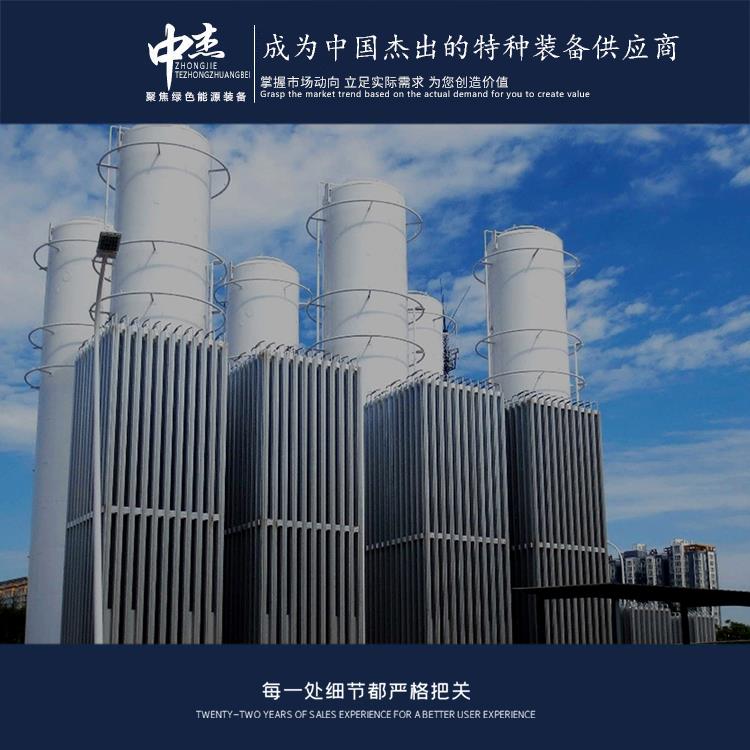

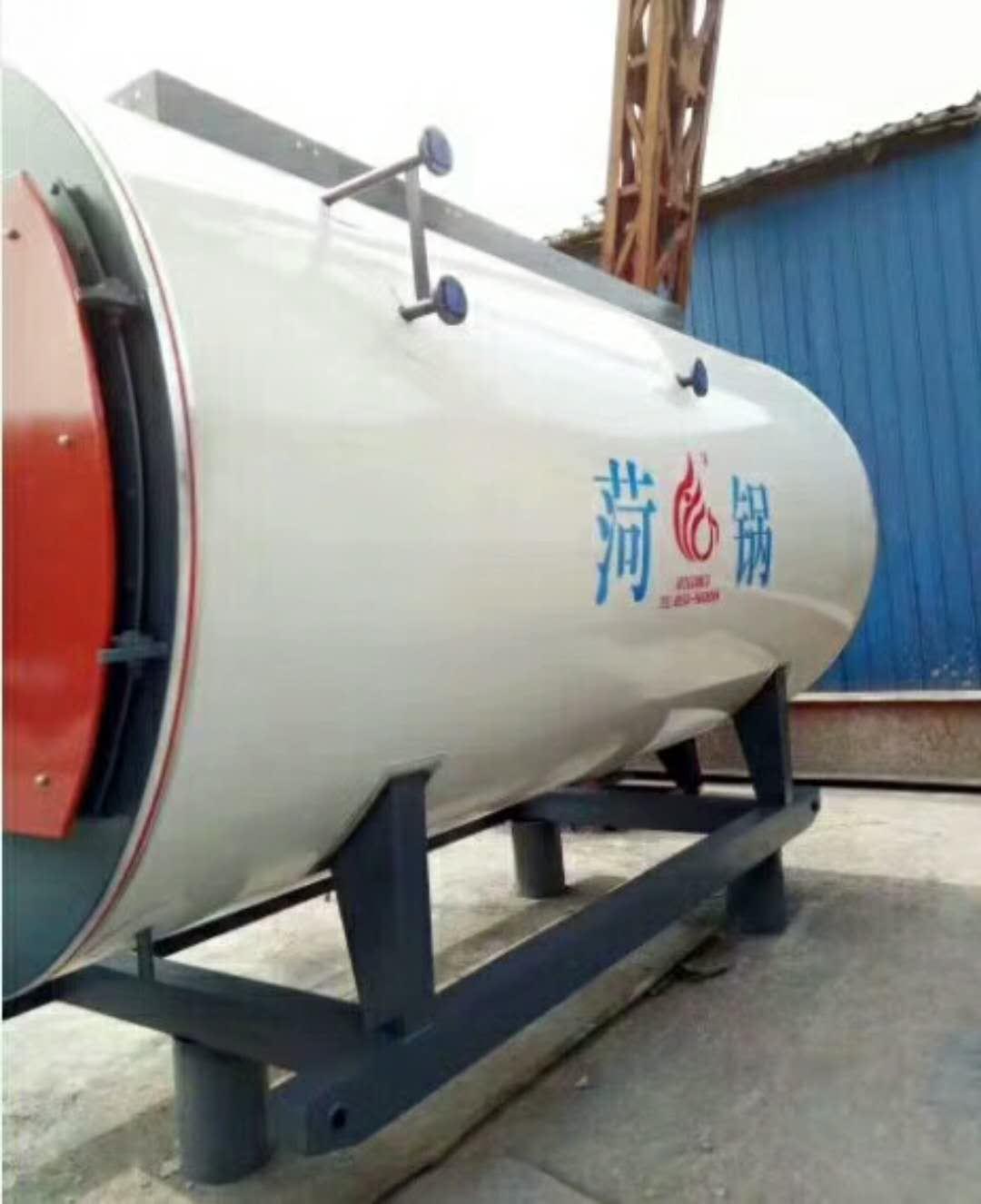


















Shandong Zhongjie Special Equipment Co., Ltd. specializes in the following products: fuel (gas) boilers, organic heat carrier boilers, biomass boilers, waste heat recovery boilers, and other boiler products; vacuum insulated cryogenic pressure vessels such as LNG storage tanks, oxygen/nitrogen/argon storage tanks, CO2 storage tanks; pressure vessel products including denitrification engineering equipment, heat storage and energy storage equipment, complete chemical equipment sets; central air conditioning and ventilation equipment such as ground (water) source heat pumps, air source units, water-cooled screw units, and air-cooled modular units. Planned products include large-scale energy centers, LNG transport vehicles, LNG tank containers, and other green energy equipment.
Common disadvantages of corrosion in pressure vessels during use include:
Chemical media: Certain chemical media are corrosive, such as acids, bases, salts, etc. When these media come into contact with the vessel material, corrosion may occur.
Humidity and moisture: High humidity environments or long-term exposure to moisture can cause corrosion on the vessel surface. Especially in the presence of oxygen, the corrosion rate may increase.
Rusting: When the protective layer on the vessel surface (such as coatings or plating) is damaged or destroyed, the vessel may suffer from rusting. Rusting can damage the vessel's surface and may lead to further corrosion.
Electrochemical corrosion: When different metals or metal and non-metals come into contact, an electrochemical corrosion battery may form. This type of corrosion can lead to localized corrosion on the vessel surface.
Welding defects: Defects like weld pores and cracks may be introduced during the welding process. These defects may become starting points for corrosion.
Corrosion weakens the structural strength of the vessel, increasing the risk of leakage or rupture. Therefore, regular inspection and maintenance of the corrosion prevention layer, coating, or plating on pressure vessels are important. If corrosion issues are found, timely measures should be taken to repair or replace the damaged parts.
Additionally, selecting appropriate materials and corrosion prevention measures, as well as proper operation and maintenance methods, can reduce the risk of corrosion in pressure vessels. Adhering to relevant safety operation procedures and standards ensures the safe operation of pressure vessels.
To maintain the stability of CO2 storage tanks, attention should be paid to the following details:
- Foundation Design: The tank's foundation design must comply with relevant standards and regulations, offering sufficient strength and stability. The foundation should consider the tank's weight, pressure, and geological conditions to ensure the tank can be securely placed on the foundation.
- Insulation and Fastening Devices: Appropriate insulation, such as rubber pads or steel plates, should be placed between the tank and foundation to reduce friction and vibration. Additionally, use fastening devices like bolts or welding to secure the tank to the foundation, preventing movement and tilting.
- Site Leveling: The site where the tank is installed should be kept level with no significant tilting or unevenness. If there is tilting or unevenness, adjustments and corrections should be made to ensure the tank's stability.
- Seismic Measures: In areas prone to earthquakes, additional seismic measures are required, such as installing seismic supports and enhancing the tank's seismic resistance to improve stability.
- Regular Inspections: Conduct regular inspections of the tank's fastening devices and connection points to ensure they are intact. Any signs of loosening, wear, or damage should be addressed promptly with repairs or replacements.
- Load Distribution: Evenly distribute loads above the tank, such as platforms or pipelines, to balance the weight distribution and reduce the impact of uneven loads on stability.
- Safety Distance: The tank should maintain sufficient safety distances from other equipment, buildings, and fire sources to prevent accidental collisions or fires from affecting stability.
It should be noted that the installation of CO2...
Carbon dioxide storage tanks are categorized into various types and structures based on their design and application:
- Vertical Tanks: Vertical tanks are a common type of carbon dioxide storage tank, with a cylindrical shape and vertical orientation. They typically have larger capacities and are used for large-scale storage and supply of carbon dioxide.
- Horizontal Tanks: Horizontal tanks are another common type, with a rectangular or cylindrical shape and horizontal placement. They are usually used for smaller-scale storage and supply of carbon dioxide, suitable for limited spaces.
- Spherical Tanks: Spherical tanks are a specialized type of carbon dioxide storage tank with a spherical shape. They offer high strength and pressure containment capabilities, suitable for high-pressure carbon dioxide storage and transport.
- Vertical Tanks (Small Capacity): These are smaller capacity carbon dioxide storage tanks with a cylindrical shape and vertical orientation. They are typically used for small-scale storage and supply, such as commercial and residential use.
- Underground Tanks: Underground tanks are a special structure where the carbon dioxide storage tank is buried. They save space, reduce visual impact, and provide enhanced safety and environmental protection.
These tanks are usually made of pressure-resistant materials (such as carbon steel or stainless steel) and have certain thermal insulation properties, as well as accessories like safety valves, pressure gauges, and level gauges. The interior often features baffles or partitions to separate different liquids or gases. Additionally, the tanks are equipped with safety systems, such as pressure maintenance systems, leak detection systems, and fire detection systems.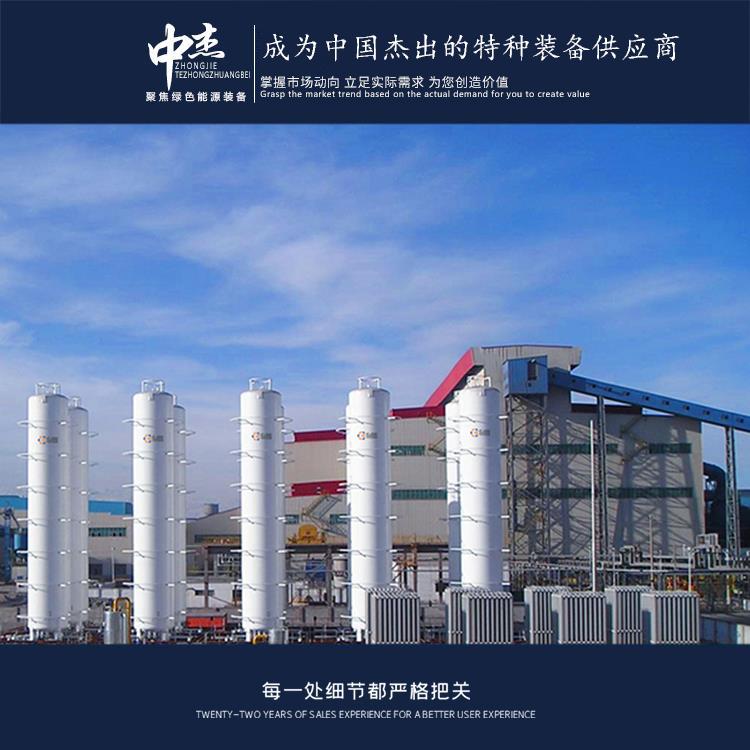
There are several types of carbon dioxide storage tanks:
- Atmospheric Pressure Tanks: These are containers designed for storing carbon dioxide at pressures close to atmospheric pressure. They are suitable for low-pressure applications such as the beverage industry and gas fire suppression systems.
- High Pressure Tanks: High pressure tanks store carbon dioxide at pressures above atmospheric pressure and are commonly used in industrial applications like chemical processing and refrigeration.
- Liquid Storage Tanks: These tanks are for storing liquidified carbon dioxide at temperatures below room temperature. They are typically used for large-scale liquid carbon dioxide storage needs, such as food freezing and pharmaceutical manufacturing.
- Vapor Storage Tanks: Vapor storage tanks are designed for storing gaseous carbon dioxide at temperatures and pressures suitable for vaporization. They are commonly used for supplying gaseous carbon dioxide, such as for carbonation in beverages and welding.
- Insulated Tanks: Insulated tanks have excellent thermal insulation properties to minimize heat transfer and liquid evaporation. They are often used for long-term storage of liquid carbon dioxide, such as in scientific research and cold storage.
It's essential to select the appropriate type of carbon dioxide storage tank based on specific application needs and scenarios, and to operate and manage them in accordance with relevant regulations and standards.
Shandong Zhongjie Special Equipment, welcome customers to visit our factory for business discussions.
WeChat Official Account

Scan to follow Official Account



















